Colombischlössle Freiburg: A Practical Guide To The Archaeological Museum
The Colombischlössle is Freiburg's archaeology museum, housed in a small historic villa, freshly modernized and one of the cheapest museum visits in the city at €5 for adults with free entry for anyone under 27.
Short answer
The Archäologisches Museum Colombischlössle is Freiburg's archaeology museum in a small historic villa. Adult admission is €5, reduced €3, and everyone under 27 gets in free. Its permanent exhibition was fully modernized in 2024 and 2025, adding a treasury room, a museum app and a media room, with a new museum guide published in late 2025.
What Is The Colombischlössle Archaeological Museum?
The Archäologisches Museum Colombischlössle is Freiburg's museum of archaeology and regional prehistory, set in a small historic villa on the western edge of the city center. Adult admission is €5, reduced €3, and every visitor under 27 enters free. After a multi-year modernization that wrapped up with a new treasury room in 2024 and an app and media room in February 2025, it is now one of the most deliberately updated small museums in the city.
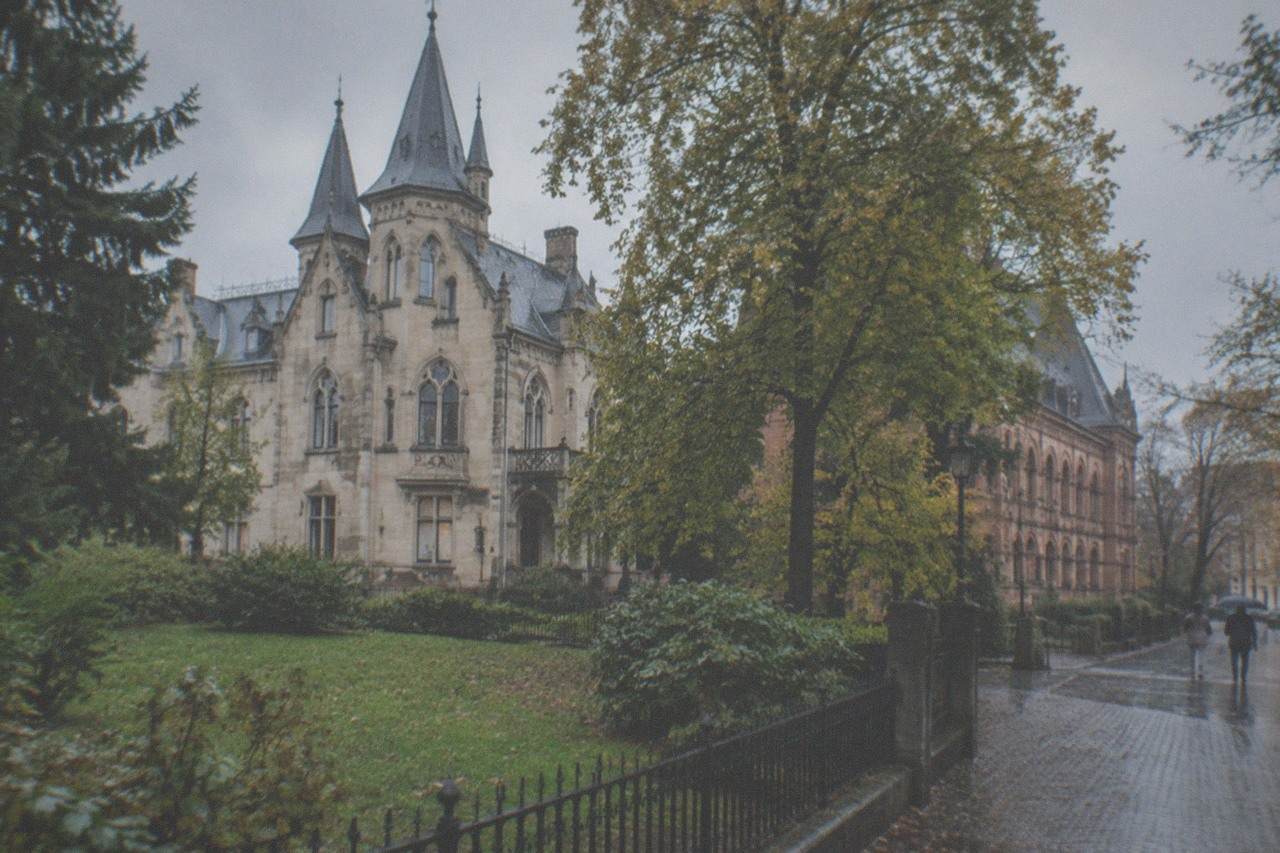
The name trips up plenty of first-time visitors, so it helps to break it down. The "Colombischlössle" part is the building: a small, castle-like villa, the kind of romantic historic residence that gives the museum its slightly fairy-tale silhouette. The "Archäologisches Museum" part is the content: excavated finds from the Freiburg region and the wider Upper Rhine area, arranged to tell the story of the people who lived along this stretch of the Rhine long before the city's university charter of 1457.
What makes the house worth a slot on a Freiburg itinerary is the ratio it offers. This is not a sprawling national collection; it is a compact, focused museum where the objects on display come from the ground you are standing on. A day trip to a dig site is one thing, but standing in front of locally excavated finds inside a villa a few streets from where many of them were pulled out of the earth is a different and, for many visitors, more vivid experience.
The museum has also been quietly modernized. The city's own press office described the completion of the permanent exhibition's modernization, with the Schatzkammer, the treasury room, opened in 2024 and an app plus a media room called the Zeitmaschine added in February 2025. That last name translates as "time machine," which tells you the target audience includes families and younger visitors, not just archaeology enthusiasts.
For a sense of where this sits in the city's museum landscape, the Augustinermuseum across town charges €12 for its day ticket, while this one asks €5. The trade-off is scale, and we break that comparison down in detail further down the page. First, what you actually see once you are inside.
What You Will See Inside The Colombischlössle
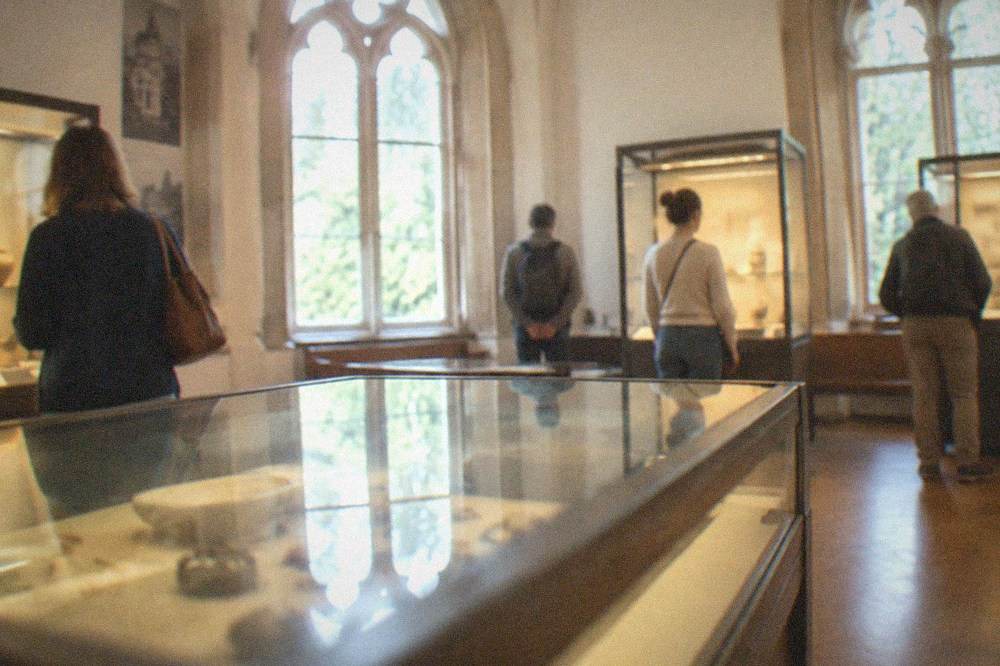
The permanent exhibition walks through regional archaeology from prehistory onward, with locally excavated finds as its backbone, a treasury room holding the highlight objects, and a media room plus an app that let visitors reconstruct sites digitally. The modernization work that reshaped these rooms finished with the 2024 treasury opening and the February 2025 app and media room additions, and a new printed museum guide appeared in late 2025.
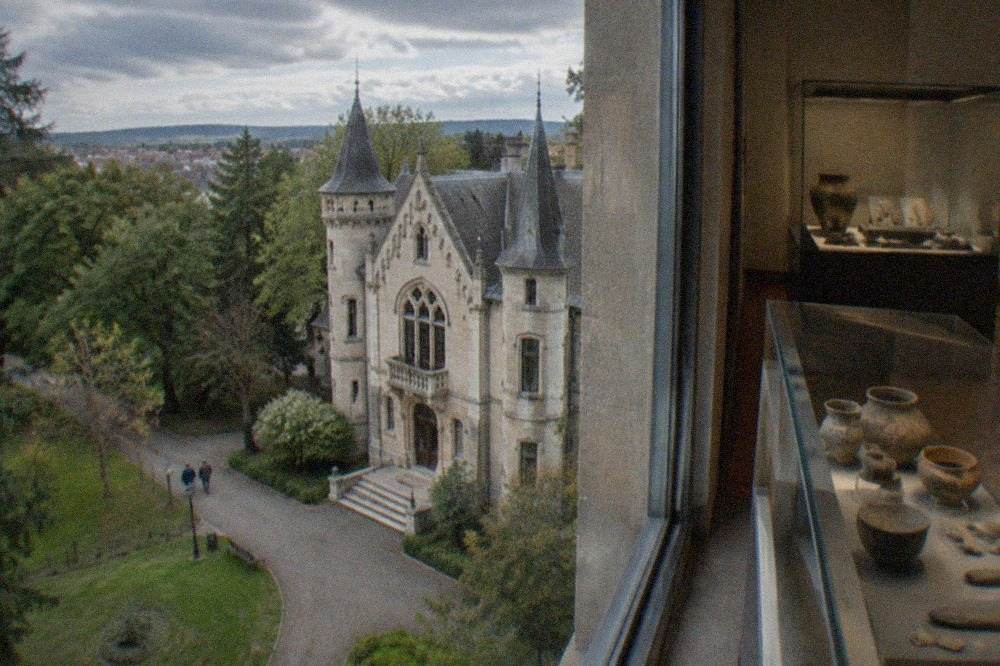
The core of the collection is the Upper Rhine and the region around Freiburg itself. Expect stone tools, ceramic vessels, jewelry, coins and grave goods: the ordinary and extraordinary objects that surface when a region with this much recorded history keeps building. The framing is regional rather than grand-imperial, which suits the building. A villa this size could never host a blockbuster touring show, and it does not try to.
The Schatzkammer is the room that most often gets mentioned by name. Opened in 2024 as part of the modernization, it gathers the standout precious objects into one focused space, the classic small-museum move of concentrating your best material where visitors will linger. If you are short on time and can only give the museum a focused half hour, the treasury and the rooms immediately around it are the sensible target.
The February 2025 additions push the museum toward screens without stripping out the old display cases. The ArCo museum app runs on visitors' own phones and layers digital reconstructions over the physical objects, while the Zeitmaschine media room does something similar at a larger scale, letting a family step through how a site or a settlement would have looked and functioned. Children who glaze over at display cases of pottery shards often engage completely when the same shard is attached to a reconstructed scene.
There is also a new printed museum guide, published in late 2025 with a book presentation in December. That is a small detail but a useful one for visitors: a museum that invests in a fresh printed guide is a museum whose labels, layouts and interpretive text have recently been rethought, and that shows on the floor.
The honest caveat is scale. This is a museum you experience in an hour or two, not a half day. Visitors who want vast galleries of international antiquities will be happier elsewhere. Visitors who want to understand the ground beneath Freiburg specifically, in a building they can fully absorb, will get more out of it than its €5 ticket price suggests.
Planning Your Visit: Tickets, Free Entry And Practical Details
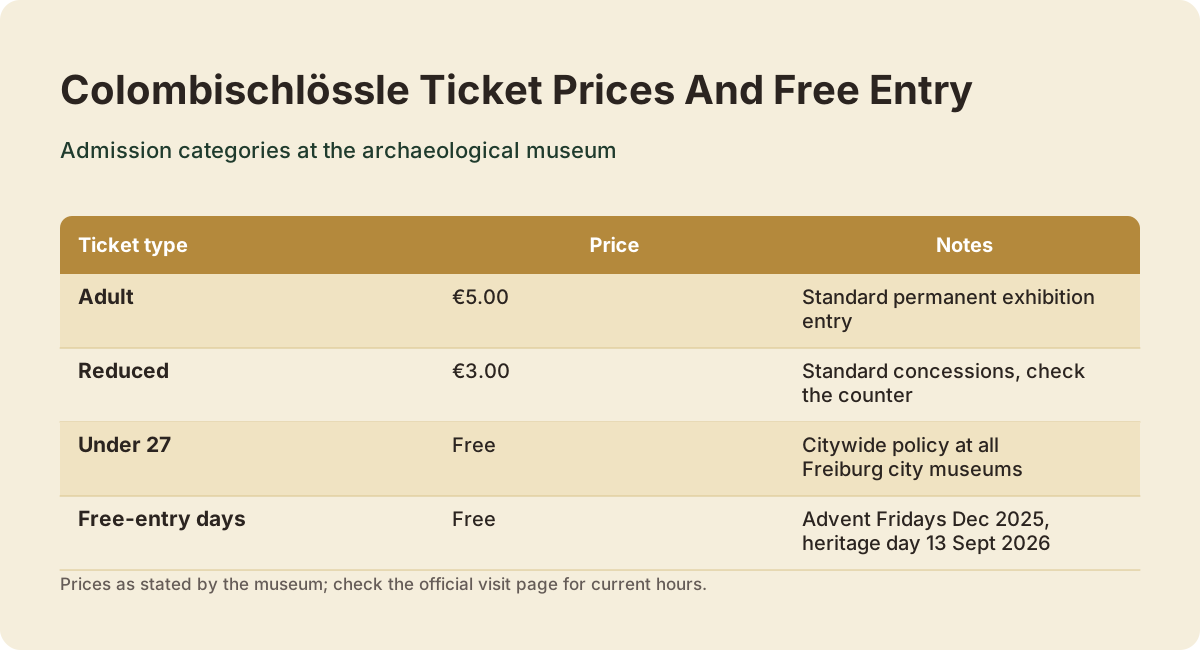
Adult admission is €5, reduced admission is €3, and everyone under 27 enters free, the standard policy across Freiburg's city museums. Check the museums' own visit page for current hours before you go, since hours are the one detail that changes most often. The museum has also run occasional free-entry days, including two Advent Fridays in December 2025 and a heritage open day in September 2026.
The pricing structure is simple and, for a European city museum, unusually generous on the youth side. The under-27 free entry rule is a deliberate citywide policy, confirmed on the official museums site, and it applies at the Colombischlössle just as it does at the Augustinermuseum and the Museum für Neue Kunst. A family with teenagers pays exactly one adult ticket. A traveling group of students pays nothing at all.
| Ticket type | Price | Notes |
|---|---|---|
| Adult | €5.00 | Standard permanent exhibition entry |
| Reduced | €3.00 | Standard concessions, check the counter for qualifying categories |
| Under 27 | Free | Citywide policy at all Freiburg city museums |
| Free-entry days | Free | Occasional, e.g. two Advent Fridays in December 2025, open heritage day 13 September 2026 |
One caution on the free-entry line: those dated events were special occasions, not a permanent schedule. Do not plan around free days unless you have confirmed one is running during your stay.
The museum's own visit page at museen.freiburg.de carries current hours and any closure notices, and that is the page to check before you set out. Museum hours are exactly the kind of detail that changes between print runs and trip dates, and the honest move is to point you at the live page rather than quote hours that may shift.
The building itself matters to your planning. A villa is a vertical museum: expect stairs between levels, and if step-free access is important for your group, confirm the current situation on the official page before committing. Small historic buildings rarely offer the full accessibility of a purpose-built gallery, though the recent modernization work did modernize the visitor experience generally.
For many visitors, the museum pairs naturally with a guided walk through the old town streets whose past the collection documents. The city's most-reviewed walking option, the Gässle, Bächle and More City Tour, from $15, covers the same lanes and gutters in about an hour and a half, and pairing the two gives you the objects in the morning and the streets they came from in the afternoon.
How The Colombischlössle Compares To Freiburg's Other Museums
The Colombischlössle is Freiburg's smallest-ticket major museum at €5 for adults, against €12 for the Augustinermuseum day ticket and €7 for the Museum für Neue Kunst. Every one of them is free under 27. The choice is not about quality but about subject: archaeology here, art and cultural history at the Augustiner, modern art at the Neue Kunst.
Freiburg's museum scene divides cleanly by interest, and the price ladder is short enough that cost rarely decides it. The Augustinermuseum, fully reopened on 28 February 2026 after more than twenty years of phased renovation, is the city's flagship, with around 3,400 square meters of exhibition space in a former church and convent complex, and its €12 day ticket is valid across the other city museums. The Museum für Neue Kunst sits in the middle at €7, and the Colombischlössle and the Museum Natur und Mensch anchor the affordable end at €5 each.
| Museum | Adult admission | Subject | Best for |
|---|---|---|---|
| Augustinermuseum | €12 (day ticket, valid citywide) | Regional art and cultural history | The full museum afternoon |
| Museum für Neue Kunst | €7 | Modern and contemporary art | Art-focused visitors |
| Colombischlössle | €5 | Archaeology and prehistory | Families, short visits, local history |
| Museum Natur und Mensch | €5 | Natural history and ethnology | Families, though the permanent exhibition is closed until around late February 2027 |
Two practical notes belong in that comparison. First, the Augustinermuseum's day ticket means that if you plan to visit more than one city museum in a day, starting at the Augustiner is usually the cheaper route than buying separate entries. Second, the Museum Natur und Mensch has its permanent exhibition closed for renovation until approximately the end of February 2027, though its special exhibitions remain open, which matters if a natural history stop was on your list as a companion to the archaeology museum.
The Colombischlössle's real competitive advantage is time. The Augustiner can absorb three hours without effort. This museum asks for one or two and gives most visitors a complete, satisfying circuit, which makes it the museum to pick on a packed day when the Münster, the market and the Schlossberg are also on the agenda. A morning walking tour followed by an afternoon museum hour is a genuinely comfortable Freiburg day, and this is the museum that fits that shape.
For travelers planning the transport side, our Freiburg Welcomekarte explainer covers the visitor ticket that includes buses, trains and the Schauinslandbahn for three days at €27.00.
The Villa, The Streets Around It And The Old Town Walk
The museum sits in a small villa close to the western edge of the Altstadt, which puts it within an easy walk of Freiburg's old town core, the Münster and the historic gates. Most visitors combine it with a stroll through the old lanes, and the walk between the museum and the Münster passes the same streets the museum's oldest finds came from.
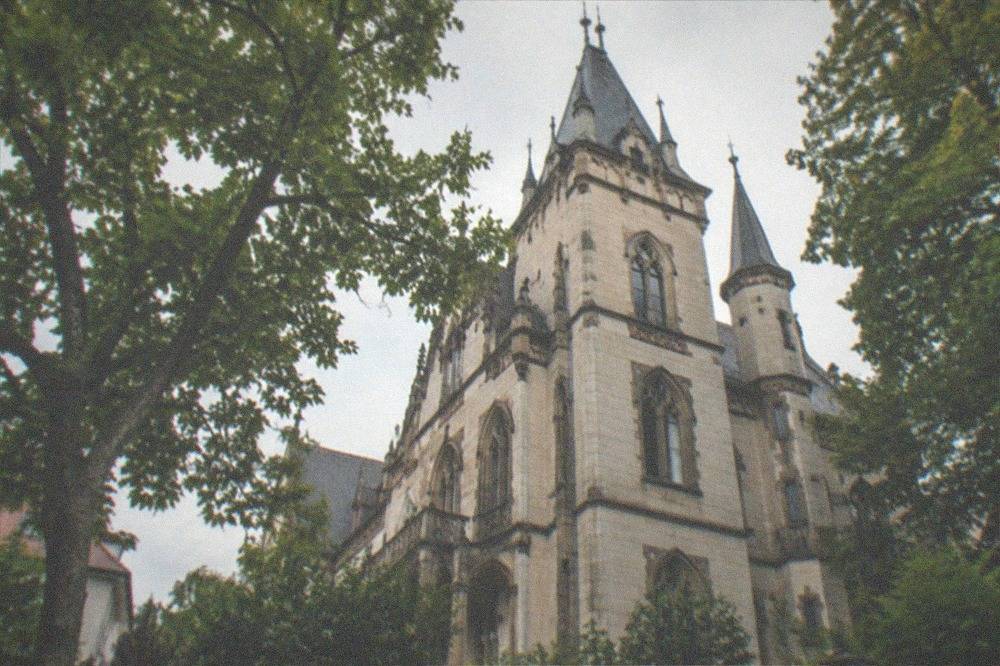
The building is half the experience. A small castle-like villa, complete with the turrets and detailing that earned it the "little castle" nickname, it is the kind of architecture that photographs well from the street before you have even bought a ticket. Visitors who enjoy historic buildings as containers often enjoy them as much as their contents, and here the container is unusual enough to justify attention on its own. Everything else covered here is indexed on Freiburg Travel Guide.
The surrounding quarter rewards the walk. The route between the museum quarter and the old town center crosses the streets and squares that make up Freiburg's most-visited core, and the whole stretch is comfortably walkable. The city center is compact, which is one of the reasons a museum visit slots so easily into a day here: nothing you would want to see is more than a relaxed stroll from anything else.
The natural pairing is with the old town's two surviving gates and the Münster. The Martinstor and the Schwabentor, the medieval gate towers that once anchored the city wall, sit on the southern edge of the old town, and our Martinstor guide and Schwabentor guide cover both in detail. Between them runs the old town's web of lanes and gutters, the Bächle, the little water channels that line the streets, and the marketplace around the cathedral.
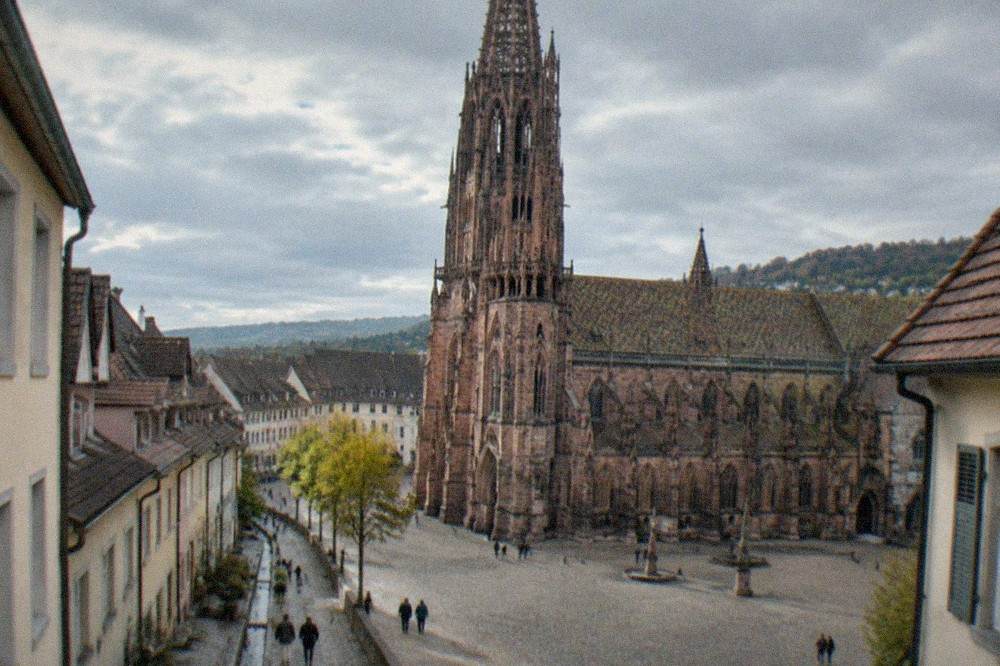
That connection is not just poetic. The finds inside the museum came out of this ground, from sites in and around the city and the Upper Rhine plain. Walking out of the villa and into the streets gives the collection a physical context most big-city museums cannot offer, and it is the single best argument for visiting this museum rather than a larger one: the objects and the landscape they came from are the same afternoon.
For a fuller picture of the city that grew up on top of these finds, the old town overview covers every square, gate and lane worth knowing, and our Freiburg history guide runs the timeline from the market charter through the university founding to the present.
Fitting The Museum Into A Freiburg Day
Allow one to two hours for the museum itself, and pair it with the old town walk, the Münster or the Schlossberg rather than a second museum. Morning is the smart slot: the modernized rooms are quiet early, and the rest of the day stays free for the cathedral tower, the market and the viewpoints. The €5 ticket makes it an easy add-on, not a commitment.
The mistake to avoid is stacking museums. Freiburg rewards depth over collection-hunting, and the sensible day puts one museum, one climb and one long wander on the list, nothing more. The Colombischlössle's compactness is exactly why it earns its slot: it delivers a complete visit in the time a larger museum spends on its ground floor.
A workable shape for a single day looks like this. Start in the old town with the Münster and its market square, which is at its liveliest on market mornings; the market runs Monday to Saturday, with weekday hours from 07:30 and Saturdays until around 14:00. Walk the lanes and the two gates mid-morning, then spend an hour at the museum before lunch. In the afternoon, climb: either the Münster's own tower, where adults pay €5 to reach a gallery at 70 meters below the 116-meter tower's top, or the Schlossberg behind the city, where the funicular costs €3.70 one way and the hill itself is free.
| Day plan | Morning | Midday | Afternoon |
|---|---|---|---|
| Museum plus classics | Münster and market square | Colombischlössle, 1-2 hours | Old town gates and lanes |
| Museum plus views | Old town walk | Colombischlössle, 1-2 hours | Schlossberg funicular and tower |
| Family day | Münster square | Zeitmaschine media room and treasury | Schlossberg slopes |
Families should note that the modernization was pointedly aimed at them. The app and the media room exist precisely because children engage differently with reconstruction than with vitrines, and a family ticket structure this cheap, with under-27s free, makes the museum one of the lowest-cost indoor stops in the city for a group with kids. On a rainy day it earns its place even faster, and our rainy day in Freiburg guide ranks it among the alternatives.
Squeezing It In On A Short Visit: Is It Worth The Stop?
For visitors with one full day or less, the Colombischlössle is a good third or fourth stop rather than a first, ranking behind the Münster, the old town lanes and the Schlossberg. For anyone with a second day, an interest in archaeology, or under-27s in the party, it moves up the list, and its recent modernization makes it a better stop now than its small size suggests.
The honest ranking depends entirely on the trip. A first-time visitor with a single day should walk the old town, climb something, eat well, and see the Münster inside and out. That is the Freiburg core, and no museum replaces it. The Colombischlössle is the stop that upgrades a first visit from good to specific, the place where the city stops being a pretty backdrop and becomes a place with a deep material past.
Second-time and returning visitors are the museum's natural audience. If you have already done the gates and the tower, this is exactly the kind of corner that rewards coming back for. The same goes for anyone whose trip includes the wider region: the Upper Rhine story told inside the villa connects directly to day trips toward Breisach, the Kaiserstuhl and the Alsace wine route across the border, all landscapes dense with the same archaeological layers.
The modernization genuinely changes the calculus. A small, tired museum is a connoisseur's stop; a small, freshly rethought one with a treasury, an app and a media room is a mainstream stop. The city invested in making this collection speak to general visitors, and the result is that the museum now punches well above its €5 price point and its floor area.
If archaeology is your particular interest, or you are traveling with children old enough to enjoy a reconstruction on a screen, promote it to the first afternoon. If neither applies and your day is short, file it for a return trip and give your afternoon to the hills.
What The Museum Tells You About Freiburg Itself
The museum's deepest value is context: its locally excavated finds explain why Freiburg sits where it sits, on a fortified crossing of trade routes in the Upper Rhine plain, and why the region kept producing wealth worth burying. Read after a walk through the old town, it turns the city's lanes and gates from scenery into evidence, and it reframes every later stop on a Black Forest itinerary.
The Upper Rhine is one of Europe's long-inhabited corridors, and a museum built from its excavations tells a story of crossings, trade and layered settlement. That story is the backstory of Freiburg's own founding: the city grew as a market and crossing point, and the objects in the collection show the deep roots of that role. The silver mining that enriched the region's medieval lords, the trade that moved along the Rhine, the grave goods that marked status across centuries, all of it surfaces here in material form.
That context changes how you read the rest of the city. The Historisches Kaufhaus on the Münsterplatz, the customs and trade building that dominates the market square, makes more sense when you have just seen two thousand years of regional trade goods in cases. The fortified gates read differently once you have seen the older end of the region's defensive record. Even the city's later status as a university town, chartered in 1457, sits on top of a much older pattern: this plain has attracted institutions and settlement for a very long time.
The regional frame also reaches beyond the city. Freiburg's best day trips, from the Kaiserstuhl wine hills to the Alsace towns across the Rhine, sit inside the same Upper Rhine world the museum documents, and our Kaiserstuhl guide and Alsace wine route guide pick up that thread. Visitors who do the museum first consistently report that the landscape stops feeling like a backdrop and starts feeling like a text they can partly read.
That is the case for this modestly sized, modestly priced museum in one paragraph: it is the key that unlocks the region. Freiburg is a city that rewards walking, and this is the stop that tells you what you have been walking over.
For travelers using the city as a base, a related question is whether to spend two days in Freiburg rather than one, and the honest answer is that the museum is exactly the kind of second-day content that justifies the extra night.
Common Questions About The Colombischlössle Archaeological Museum
How much does the Colombischlössle Archaeological Museum cost?
Adult admission is €5.00 and reduced admission is €3.00. Everyone under 27 enters free under the citywide policy at Freiburg's city museums. The museum has also run occasional free-entry days, such as two Advent Fridays in December 2025 and the open heritage day in September 2026, but those were special events rather than a standing schedule.
Is the Colombischlössle suitable for children?
Yes, and deliberately so. The February 2025 modernization added the ArCo museum app for smartphones and the Zeitmaschine media room, both built around digital reconstructions that engage younger visitors far more than display cases alone. Combined with free entry for everyone under 27, it is one of the cheapest family indoor stops in the city.
How long should I spend at the Colombischlössle?
Allow one to two hours for a complete visit. The museum is housed in a small villa and is best treated as a focused stop paired with a walk through the old town, the Münster or the Schlossberg, rather than as a half-day destination in its own right.
What is the Schatzkammer?
The Schatzkammer, or treasury room, opened in 2024 as the centerpiece of the permanent exhibition's modernization. It gathers the collection's highlight precious objects into one focused space and is the priority room for visitors giving the museum only a short visit.
Which Freiburg museum should I visit if I only have time for one?
It depends on the day. For a first visit with limited time, the old town, the Münster and a climb usually beat any museum. For a dedicated museum afternoon, the Augustinermuseum at €12 offers the largest experience, with around 3,400 square meters of space and a day ticket valid across the city museums. The Colombischlössle at €5 is the pick for a short, focused stop, an interest in archaeology, or a family group.
Where can I check current opening hours?
The museums' official visit page at museen.freiburg.de carries live hours and closure notices, and it is the page to check before setting out. Hours are the detail most likely to change between publications, so the honest advice is to confirm on the official page rather than rely on a printed figure.