Freiburg Vs Strasbourg: Which City Should You Choose?
Freiburg and Strasbourg sit barely an hour apart by rail, yet they hand you two very different days out: a relaxed Black Forest university town on one side, a French regional capital packed with Alsatian drama on the other.
Short answer
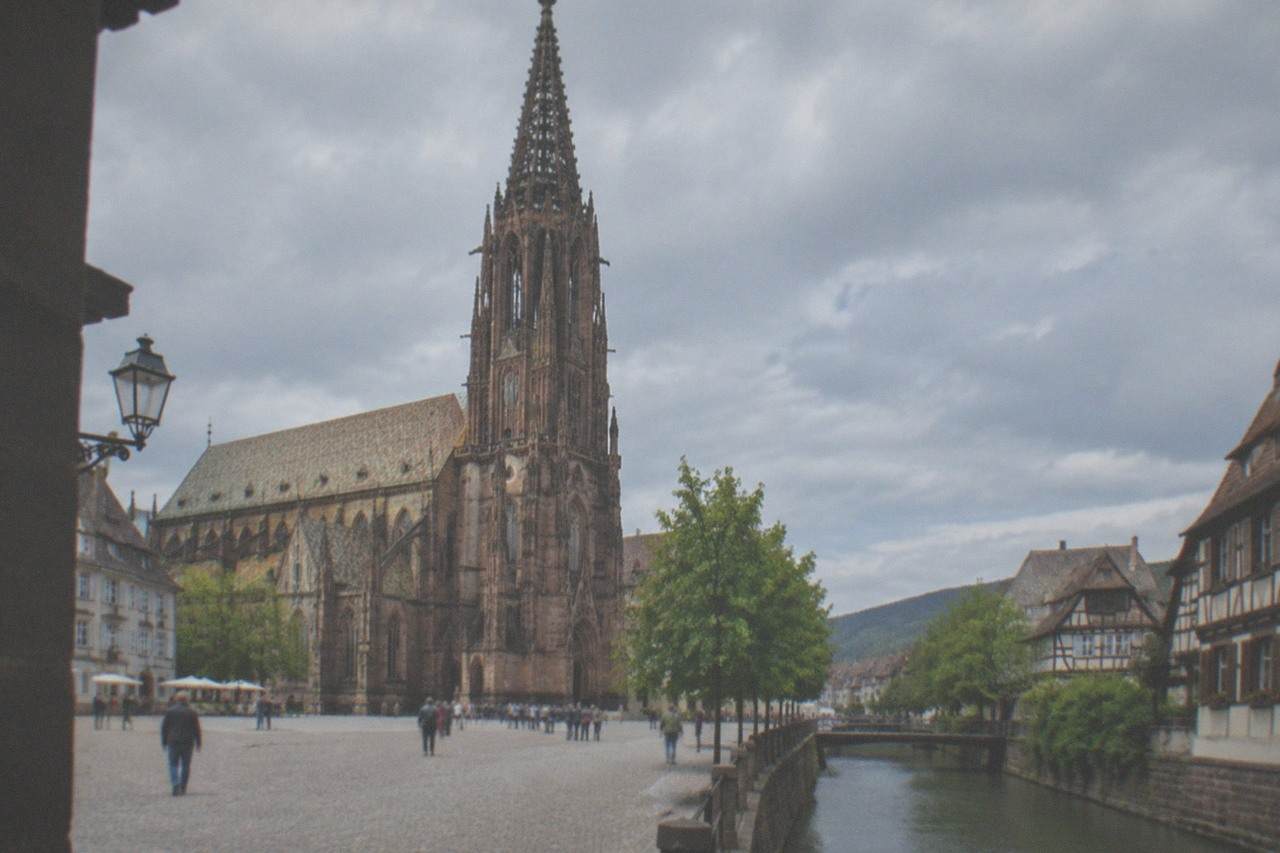
Choose Freiburg for an easy, walkable German city with the 116 m Münster, Bächle gutters and Baden wine culture, where a single transit ticket costs €3.00. Choose Strasbourg for the Gothic cathedral, Petite France canals and French food. Direct trains link them, and many visitors do both in one trip.
Freiburg Vs Strasbourg: Which City Should You Choose?
The short answer: Freiburg rewards a slow, low-stress day of markets, medieval lanes and Baden wine, while Strasbourg delivers a bigger spectacle in one of Europe's great Gothic cathedrals, canals, half-timbered districts and French dining. Neither substitutes for the other. Freiburg recorded 1,010,708 arrivals across its hotels in 2025, and the French city draws comparable crowds, so both are firmly on the traveler map.
That is the honest framing for this comparison. The two cities are close enough that visiting one does not mean missing the other, and the trade-offs are really about pace, budget and appetite. Freiburg is a university town of 237,299 residents with 24,507 students keeping its streets lively through term time, a place where the signature sights are free or nearly free and the whole old town fits under your feet in a morning. Strasbourg is a capital in every sense: seat of European institutions, a UNESCO-listed old town and a cathedral that dominates its skyline from blocks away.
This guide walks through the comparison from the point of view of someone already in or planning to visit Freiburg, because that is the decision most readers are actually making. If Strasbourg is your base instead, the logic simply runs in reverse, and the one day in Freiburg itinerary covers what a compressed visit looks like from that side.
How Do The Two Cities Compare At A Glance?
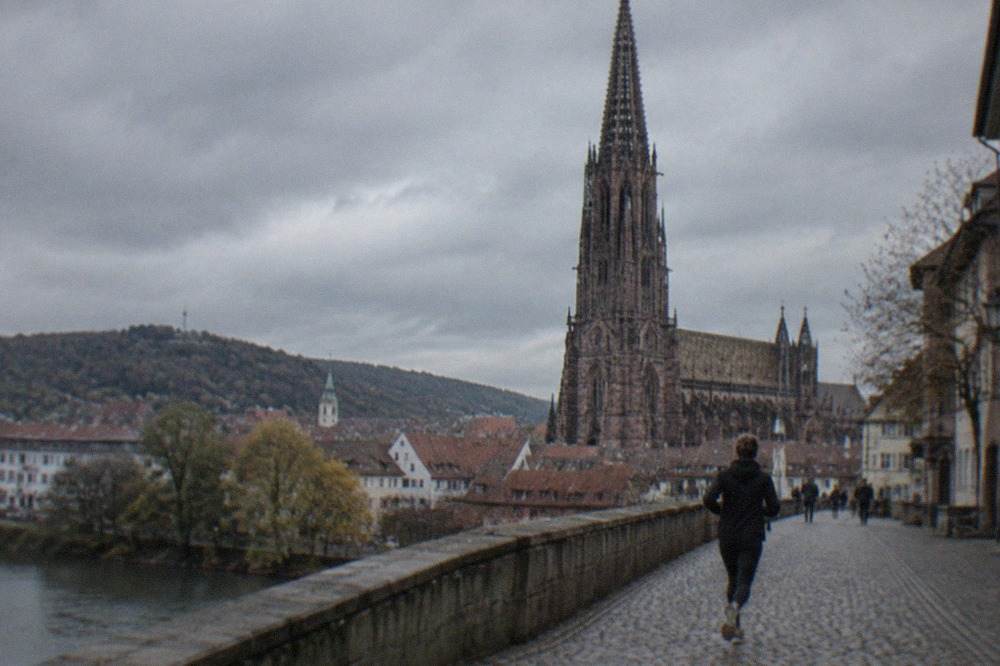
Freiburg is German, small-scaled and green, built around a single Gothic minster, two surviving town gates and a web of small squares; Strasbourg is French, grander and denser, built around a cathedral of national-monument rank, a river island old town and European institutions. Freiburg's edges are the Black Forest and the Rhine plain, Strasbourg's are the Alsatian wine route.
The table below sums up the character difference without pretending the two compete on the same terms.
| Dimension | Freiburg | Strasbourg |
|---|---|---|
| Country and currency | Germany, euro | France, euro |
| Language | German | French |
| Signature landmark | Freiburg Münster, 116 m tower | Strasbourg Cathedral |
| Old-town character | Small lanes, Bächle gutters, two gates | River island, canals, half-timbered quarters |
| Food identity | Baden specialties, local wine taverns | Alsatian classics, choucroute, wine route proximity |
| Setting | Edge of the Black Forest | Heart of Alsace |
| Pace | Slow, student-city energy | Grand, tourist-intensive |
| Best trip length | Two to three days | One to two days |
Neither column is "better." If your trip is about hiking in the mornings and wine in the evenings, the Freiburg column wins without argument. If you want the single most photographed old-town core in the region and a cathedral interior that stops conversation, you cross the border.
One practical point in Freiburg's favor deserves a mention here, because it shapes how much ground you can cover: the city's climate. Freiburg is one of Germany's warmest and sunniest cities, with an annual mean of 11.0°C and 1,815.1 hours of sunshine per year, which is why its café terraces, markets and beer gardens run so hard through the warmer months. Strasbourg, sitting on the same Rhine plain a short distance northwest, shares broadly that climate pattern, so weather rarely decides this comparison. What decides it is what you want to look at while the sun is out.
If you are leaning toward spending your days in Freiburg itself and want a structured introduction rather than finding your own way between the sights, the tours below cover the city's history and main monuments with a guide.
The trio spans three very different ways into the city: a general two-hour sightseeing walk, a focused history walk on the National Socialist era, and a comedy drag show walk that has become one of Freiburg's best-reviewed evening experiences, rated 4.6 across 699 reviews from $40. Picking one of these early in your stay is a good way to orient yourself before deciding how many days to give each city.
Is Strasbourg Worth The Trip From Freiburg?
Yes, for almost every traveler Strasbourg is worth at least a day trip from Freiburg. The cathedral and the canal-laced old quarter have no equivalent this close by on the German side, and the French food and wine culture offers a genuine change of scene; just expect busy streets in every season and somewhat higher costs than a day in Freiburg.
The journey itself is simple. Direct trains run between Freiburg and Strasbourg across the border, and because both countries sit in the Schengen area there are no passport controls to plan around. Trains are the sensible option over driving, since Strasbourg's old center is compact, pedestrian-heavy and better explored without a car. If you are also weighing other French destinations from Freiburg, the Alsace wine route guide covers the string of villages between the two cities, which pairs naturally with a Strasbourg day.
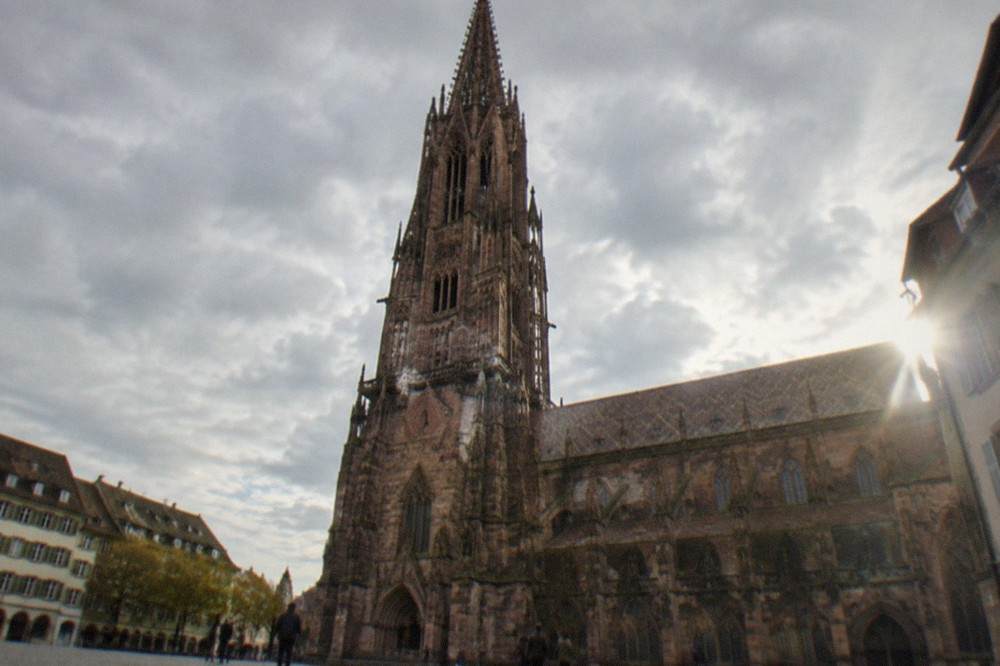
Timing matters more than most first-time visitors expect. Strasbourg is famous for its Christmas market, which means late November and December bring peak crowds and peak hotel prices to the French side, at the same time Freiburg runs its own market from 19 November to 23 December 2026 across Rathausplatz, Kartoffelmarkt, Unterlindenplatz and Franziskanerstraße. If Christmas atmosphere is the point of your trip, the honest answer is that both cities deliver it, and the choice becomes whether you want a German market town version or the larger French spectacle. If you want Strasbourg's old town to yourself, go in the shoulder months instead.
There is also a real argument for the reverse day trip that is worth stating plainly: Strasbourg makes an excellent base for visiting Freiburg. Accommodation in the French city is generally pricier, but if you are touring Alsace anyway, a day in Freiburg slots in easily. The Strasbourg guide covers that city in full, while the rest of this page stays focused on the head-to-head decision.
For travelers who plan to spend their days in Freiburg and want the deeper story of the city rather than just the postcard streets, the two-hour Exciting City Tour with Sightseeing and History is the strongest general option on this site: rated 4.4 across 118 reviews and priced from $26, it moves through the old town, the Münster quarter and the layers of history in between.
The booking runs with free cancellation, so there is little cost to reserving a slot early in your trip-planning and shifting the day if your Strasbourg plans change. That flexibility is worth having when you are balancing two cities against each other and the weather forecast is still a week out.
What Does Each City Do Best?
Strasbourg does spectacle best: the cathedral's facade and astronomical clock, the covered bridges and the Petite France quarter of former tannery houses straddling canals. Freiburg does intimacy best: the Münster's openwork tower, the little water channels running down its lanes, up to 130 market stalls on the Münsterplatz and a hillside vineyard suburb within a tram ride. In museum terms Strasbourg leads on fine arts, while Freiburg's recently reopened Augustinermuseum gives it genuine regional weight.
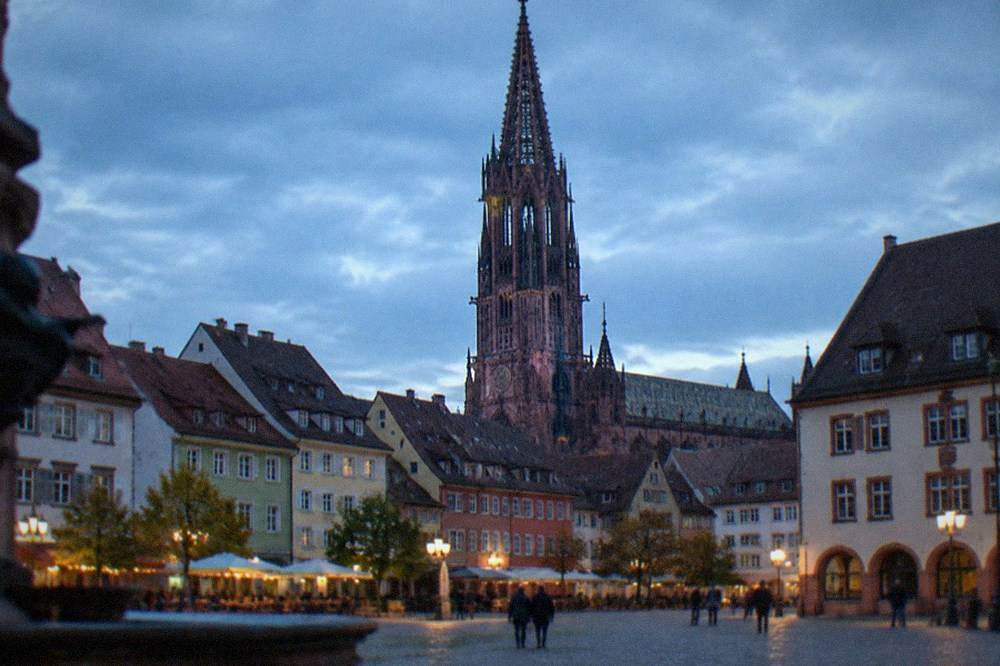
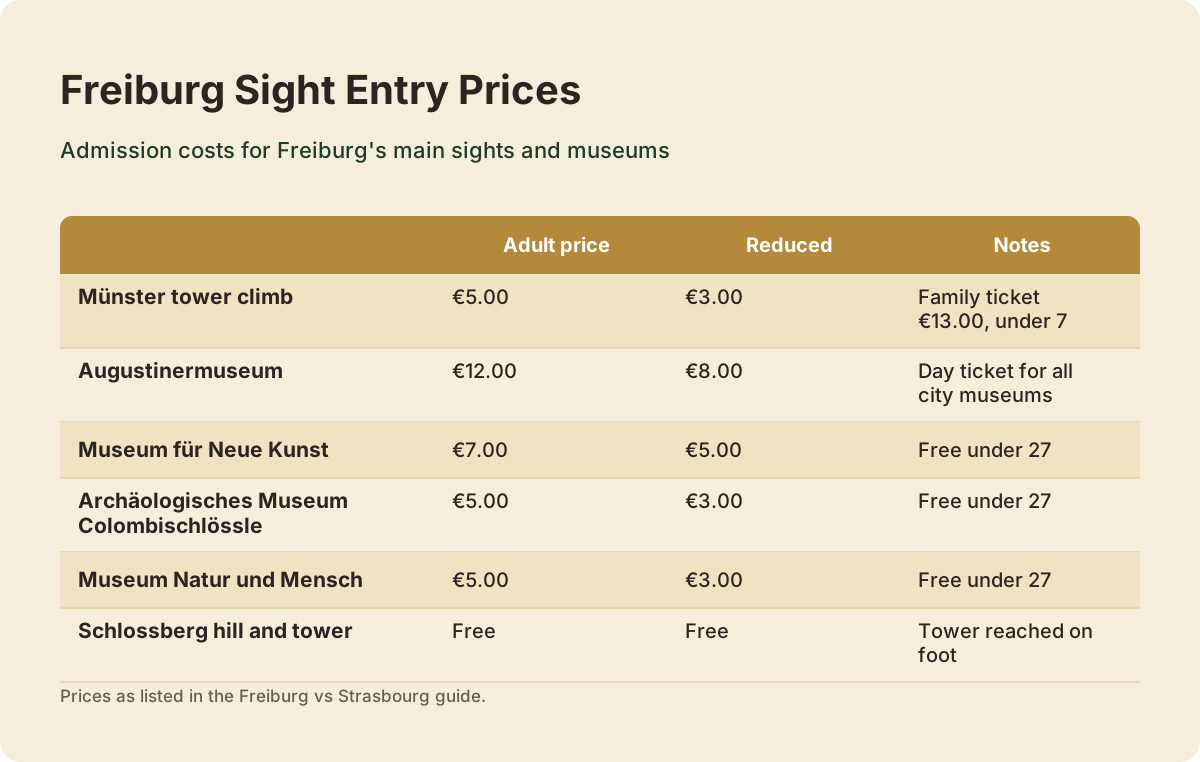
Freiburg's headline monument deserves its reputation. The Münster's west tower stands 116 m tall, and the sandstone spire is celebrated for the lacy openwork that lets you see sky through it. Visitors climb to a gallery at 70 m, not the top, an important distinction when you are planning with kids or tired legs. The climb costs €5 for adults, €3 for children and teens, and €13 for a family ticket, with under-sevens free, and the top gallery closes in winter, so treat it as a fair-weather activity.
The numbers below cover Freiburg's main paid sights, which stack up well for a compact city.
| Freiburg sight | Adult price | Reduced | Notes |
|---|---|---|---|
| Münster tower climb | €5.00 | €3.00 | Family ticket €13.00, under 7 free, top gallery closed in winter |
| Augustinermuseum | €12.00 | €8.00 | Day ticket valid for all city museums |
| Museum für Neue Kunst | €7.00 | €5.00 | Free under 27 |
| Archäologisches Museum Colombischlössle | €5.00 | €3.00 | Free under 27 |
| Museum Natur und Mensch | €5.00 | €3.00 | Free under 27 |
| Schlossberg hill and tower | Free | Free | Tower reached on foot |
The under-27 free entry policy across the city museums is a genuine budget lever for younger travelers and families with students in tow, and the €12 Augustinermuseum day ticket spreads across every other city museum in one purchase. The Augustinermuseum itself fully reopened on 28 February 2026 after more than two decades of phased renovation, adding roughly 1,600 m² of new exhibition space in the former convent building, so anyone who last visited years ago is looking at a substantially changed museum.
Against that, Strasbourg's cathedral carries a weight of history Freiburg's Münster cannot match in national terms, and the French city's old-town surface area is simply larger. Freiburg counters with the everyday texture the French city has less of: the Bächle gutters, the market trading six days a week from 07:30, and the two surviving gates, Martinstor and Schwabentor, which you pass without buying anything. That is the pattern of this comparison in miniature: Strasbourg for monuments, Freiburg for atmosphere.
One corner of Freiburg's history that genuinely stands apart from anything on the French side is the city's past under National Socialism, the World Wars and dictatorship. The guided walking tour on that subject covers it in about an hour from $17; it is a new listing with only 2 reviews so far, too few to say anything about quality, but the subject is one Strasbourg's standard city walks do not mirror.
For visitors who want the lighter side of the city after a heavy subject, Freiburg's evening character leans on its student population, its beer gardens and, in a category all of its own, Betty BBQ's drag show walk, a roughly 85-minute comedy tour of the old town rated 4.6 across 699 reviews.
Where Do The Two Cities Differ On Food And Wine?
Strasbourg is the more serious food destination: Alsatian classics, French technique and a dense concentration of winstubs serving the region's own white wines. Freiburg answers with Baden cooking, a stronger beer culture and a wine scene that runs on the Kaiserstuhl and Markgräflerland vineyards at the city's edge. Price-wise, a casual meal in Freiburg is usually gentler than its French equivalent, while both cities treat wine as an everyday drink rather than an occasion.
The German side of the border has a quietly strong story right now. Freiburg's old-town wine scene has added new rooms in the last year: Trotte, a wine bar in Fischerau pouring roughly 400 wines with a dozen by the glass, opened in 2026, and Augustiner am Platz brought Munich's Augustiner brewery into a Baden tavern at Augustinerplatz. The Freiburg food guide and the Baden wine guide cover the local canon in detail, from Lange Rote sausages at the cathedral market to the Spätburgunder and Gutedel grapes that define the region.
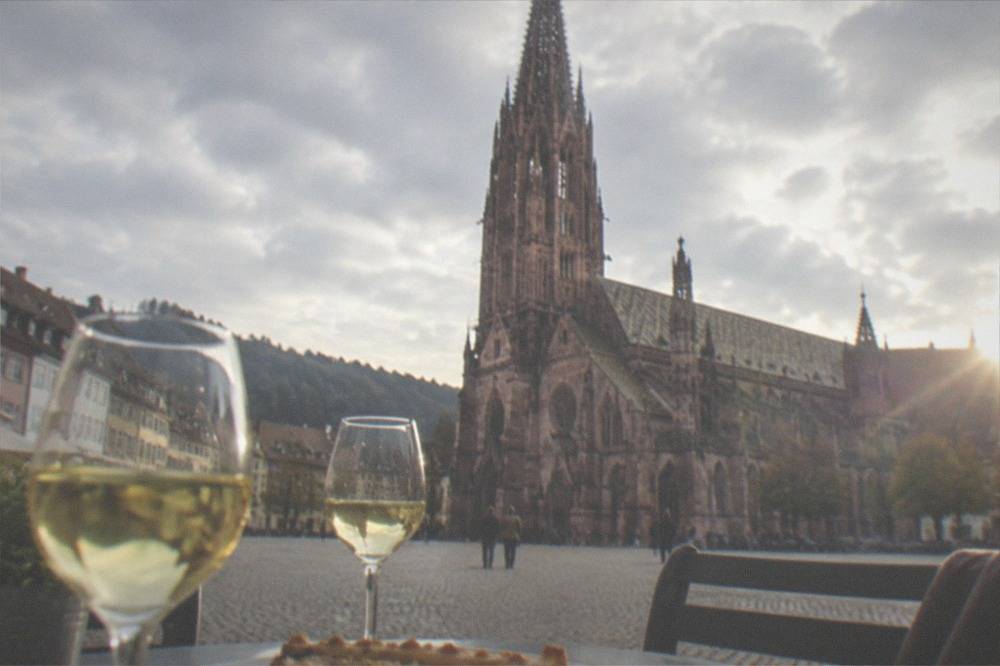
The honest culinary verdict is that Strasbourg wins on ambition and Freiburg wins on ease. In the French city you plan dinner; in Freiburg you drift into a Weinstube. A useful middle path for wine-focused travelers is the tasting of four Baden wines with onion tart at the town hall square, an hour-long experience from $31, or the longer Veni Vidi Vino wine hike and tasting, rated 4.4 across 167 reviews from $79, which takes you out among the vines rather than to a bar stool.
| Experience | City | Length | Price from | Rating |
|---|---|---|---|---|
| Tasting of 4 Wines with Onion Tart | Freiburg | ~1 hour | $31 | not yet rated at scale |
| Veni, Vidi, Vino Wine Hike | Freiburg | ~2.5 hours | $79 | 4.4 across 167 reviews |
| Culinary Tour of Freiburg | Freiburg | ~2 hours | $61 | 2 reviews, too few to judge |
| Drag Queen Show Walk with Betty BBQ | Freiburg | ~1h 25m | $40 | 4.6 across 699 reviews |
| Travestie City Tour with Betty BBQ | Freiburg | ~1h 20m | $41 | 4.9 across 140 reviews |
Michelin-starred diners should note that Freiburg punches well above its size here: the city holds five one-star restaurants in the 2026 guide, spanning innovative, classic, French, modern and Italian kitchens. Strasbourg also has starred tables, but the surprise in this comparison is that the small German city keeps pace with the regional capital at the top end.
How Do Costs And Practicalities Compare?
Freiburg is the cheaper city to visit, and the gap is structural: an inner-city tram or bus ticket costs €3.00, a one-zone day ticket €7.20, and the three-day Welcomekarte at €27.00 covers buses, trains, the Schauinslandbahn cable car and a culture bonus, while Strasbourg's French pricing runs higher on accommodation and meals, especially around the Christmas market; Freiburg also charges a 5% overnight visitor levy on the net room price, with under-18s exempt.
Transit is where Freiburg is genuinely easy. The local transport association sells single tickets at €3.00 for adults in the city zone (€2.70 on a smartphone, €1.80 for a child), day tickets at €7.20 for one zone rising to €14.30 for three, and the Deutschlandticket at €63.00 per month for anyone staying long enough to justify it. The current fares are published on the RVF tariff overview, and the Welcomekarte guide works through which card suits which itinerary.
| Item | Freiburg price | Notes |
|---|---|---|
| Single ticket, city zone | €3.00 | €2.70 via smartphone app |
| Day ticket, 1 zone | €7.20 | 2 zones €10.90, 3 zones €14.30 |
| Welcomekarte, 3 days | €27.00 | Includes Schauinslandbahn and Kulturbonus |
| Deutschlandticket | €63.00 / month | Unlimited regional transit nationwide |
| Overnight tax | 5% of net room price | Under-18s exempt, charged by accommodation |
One correction worth carrying with you, because it appears constantly in travel forums: Freiburg city is not a KONUS municipality. A hotel stay in Freiburg does not hand you a free Black Forest guest card. Nearby KONUS towns such as Kirchzarten, Titisee-Neustadt and Staufen do issue the card, and a card issued there remains valid on Freiburg's trams and buses, but if you sleep in Freiburg the Welcomekarte is your product. The details are laid out on the RVF tourist information page.
Practicalities on the French side are straightforward for Schengen travelers: no border formalities, euro on both sides, and a short walk from Strasbourg's station into the old town. The one thing to plan is cash versus card, since small French winstubs can be more card-averse than German equivalents, though this is a shrinking problem in both cities.
Which City Should Base Your Trip?
Base yourself in Freiburg if you want a relaxed, affordable German city with easy Black Forest day trips, and visit Strasbourg once. Base yourself in Strasbourg if the cathedral, the canals and French food are the point of the trip, and visit Freiburg once. Two nights in each is the balanced answer for a four-day trip, and travelers who love markets, hiking or student-city energy will skew German, while travelers chasing monuments and gastronomy will skew French.
The strongest version of this trip uses Freiburg as the anchor and gives Strasbourg a full day, because the German city rewards lingering in ways a checklist does not capture. The three days in Freiburg itinerary builds exactly that structure, and the Black Forest guide extends it outward toward Titisee, Feldberg and the high moorland beyond.
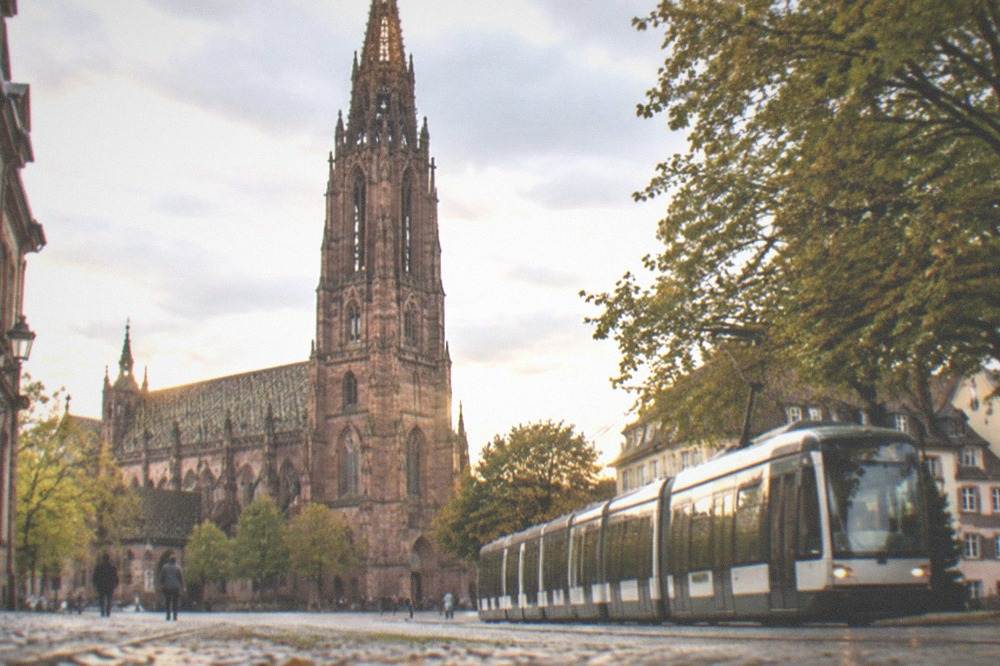
Seasonal timing is the last lever, and it favors knowing both cities' calendars rather than guessing. Freiburg's year runs from the spring fair in May through the wine festival and the Zelt-Musik-Festival in July, the autumn fair in October, and into the Christmas market that fills the old town from late November. Strasbourg peaks hard at Christmas and in summer, meaning the sweet spots for either city are May, June, September and October, when the weather across the upper Rhine plain is warm without the crowd peaks. For help deciding when to come, the best time to visit Freiburg guide breaks the year down month by month.
Whatever you decide about the base, the evenings belong to Freiburg in one respect neither city contests: Betty BBQ's drag show walk is a format Strasbourg has no answer to, and at 4.6 across 699 reviews from $40 it is one of the most-booked evening experiences in the city.
For a final nudge between the two cities, here is the comparison in a sentence. If you remember your trip through single vivid images, go to Strasbourg. If you remember your trips through afternoons that ran long over wine and a walk home along little water channels, stay in Freiburg, and let this site, Freiburg Travel Guide, handle the Strasbourg day as a bonus.
For anyone still weighing their days, these three experiences capture the German city's range better than any amount of prose.
Common Questions About Freiburg Vs Strasbourg
Is Freiburg Or Strasbourg Better For A Short Trip?
For two days or fewer, Strasbourg packs more headline sights into less time, but Freiburg is easier to absorb without rushing and pairs with Black Forest day trips. Many travelers do one day in each and enjoy both without fatigue.
Can You Visit Strasbourg As A Day Trip From Freiburg?
Yes. Direct trains connect the two cities and both countries are in the Schengen area, so there are no border checks to plan around. A day trip is the most common way visitors based in Freiburg see the cathedral and the canal quarter.
Which City Is Cheaper, Freiburg Or Strasbourg?
Freiburg is generally cheaper. A city transit ticket costs €3.00, a day ticket €7.20, and the three-day Welcomekarte at €27.00 includes the Schauinslandbahn. Strasbourg's accommodation and restaurant prices run higher, especially during the Christmas market season.
Is Freiburg Worth Visiting If You Have Already Seen Strasbourg?
Yes. Freiburg offers things Strasbourg does not: the Bächle gutters, a six-day weekly market with up to 130 stalls, a 70 m tower gallery climb for €5, Black Forest hiking on the doorstep, and a distinct Baden wine and beer culture.
Do Both Cities Have Christmas Markets?
Yes. Freiburg's market runs 19 November to 23 December 2026 across several old-town squares with free entry, while Strasbourg's market is one of the largest in France. Both get busy; book accommodation early for either.
Which City Is Better For Food?
Strasbourg is the stronger destination restaurant city with its Alsatian winstubs, while Freiburg counters with Baden cooking, five one-star restaurants in the 2026 Michelin guide and a more casual tavern scene. Wine lovers can be happy in both.