Freiburg Food: What To Eat, Where To Eat It And What It Costs
Badische home cooking, a 130-stall cathedral market, a fast-changing wine-tavern scene and five Michelin-starred kitchens, all inside a walkable old town.
Short answer
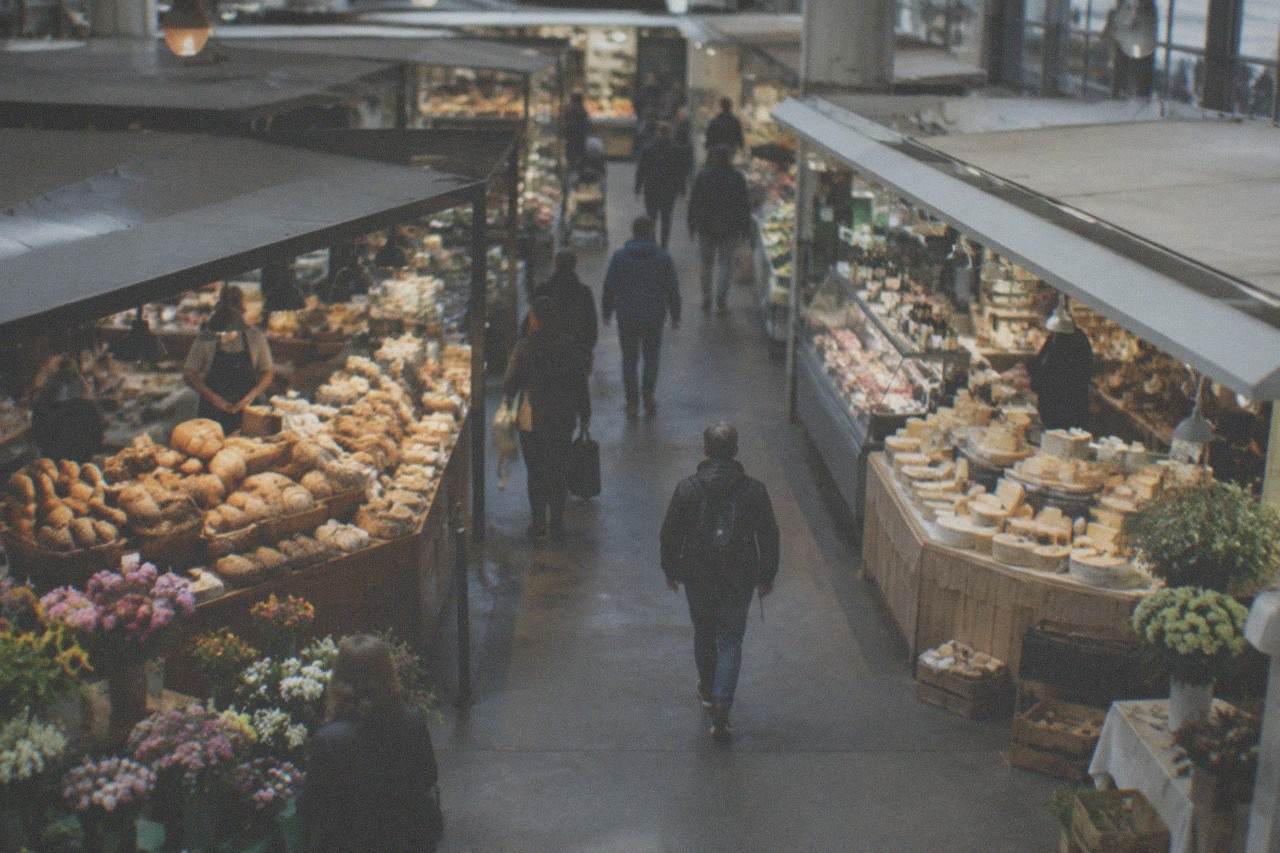
Freiburg food means Badische cooking sold at street prices: the long red sausage from the Münstermarkt stalls, Flammkuchen, Black Forest ham and the original Black Forest gateau. Around that core sit up to 130 market stalls, a wave of new wine taverns and five Michelin-starred restaurants, with food tours from $31 to $126.
What To Eat In Freiburg: The Dishes That Define The City
Freiburg food is Badische home cooking first: the long red sausage sold at the Münsterplatz stalls, thin Flammkuchen, Zwiebelkuchen with new autumn wine, Black Forest ham and, for dessert, the original Black Forest gateau. Around that core sit up to 130 market stalls, a rebuilt wine-tavern scene and five Michelin-starred restaurants, so the city covers cheap street eats to fine dining inside a compact center.
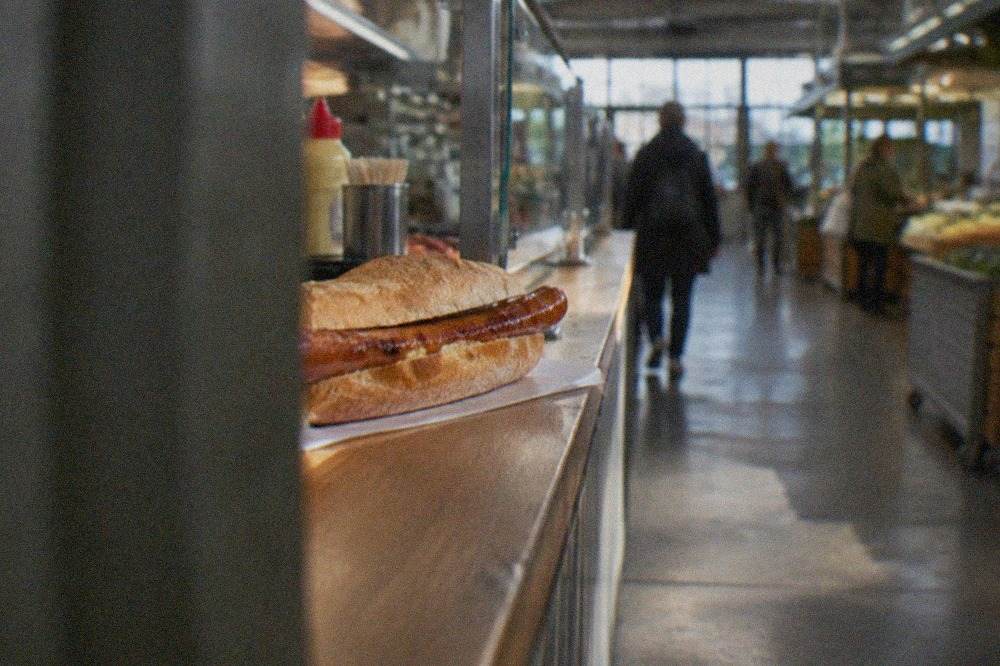
The starting point is the sausage. Freiburg's own answer to the hot dog is the lange Rote, a long bratwurst served in a crisp roll with or without onions, and locals argue about the correct order phrasing with genuine passion. The Freiburg Travel Guide covers it in a dedicated piece on the long red sausage and its stalls, but the short version is that you buy one standing, at the square, and eat it within a minute of it leaving the grill.
Beyond the sausage, the Badische pantry is generous. Zwiebelkuchen, an onion tart with bacon and cream, appears in early autumn exactly when the new wine arrives, and the two are traditionally eaten together. Flammkuchen, the thin tart with crème fraîche and lardons, drifted over from Alsace and is now on half the menus in the old town. Black Forest ham, cold-smoked and firm, shows up on every proper tavern board, and its sweet cousin, Black Forest gateau, was born in this region and still tastes better here than in any airport bakery case.
Then there is the bread. Baden takes its Bäckerei culture seriously, and a morning spent at the cathedral market usually ends with a Laugenbrezel the size of a hand and a paper bag of Brötchen. Käsespätzle, the southern answer to macaroni and cheese, is the vegetarian default at most student taverns. Schäufele, a slow-roasted pork shoulder, and Maultaschen, Swabian filled pasta in broth or fried, sit at the heavier end of the regional menu.
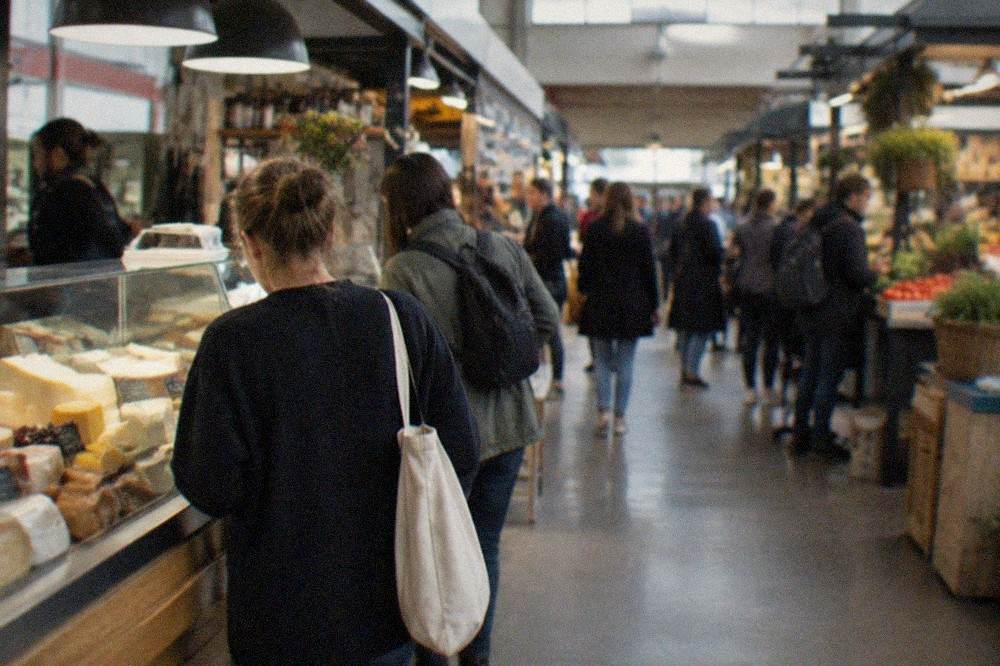
The city's large university population keeps the eating scene honest and cheap in a way many smaller old towns are not. A university city cannot survive on tourist prices alone. That is the quiet advantage of eating in Freiburg: the dishes visitors come for are the ones locals eat weekly, priced for locals, at stalls that would go out of business if the food were bad.
Where To Eat In Freiburg: Old Town, Stühlinger And Beyond
Most visitors eat entirely inside the Altstadt, and that works: the lanes around the Münster, Augustinerplatz and the Gerberau stream quarter hold the densest cluster of taverns, market stalls and bakeries. Stühlinger, just across the tracks from the station, is where students and the new Kulturkiosk crowd eat more cheaply. Herdern and Wiehre are quieter café territory, a short tram ride out.
Start with the Altstadt geography, because it decides your meals for you. The Münsterplatz and its market own the morning. Augustinerplatz, the broad stair-framed square a few lanes south, owns the afternoon and early evening, with a beer-garden energy that flows from the surrounding student flats. The Gerberau and Fischerau, the two parallel lanes along the stream in the old craft quarter, own the evening, with candlelit taverns, the new Trotte wine bar and a string of small kitchens.
The eating streets worth walking once are named on the map below, and each has its own character.
| Area | Character | Best For |
|---|---|---|
| Münsterplatz and Auf der Zinnen | Market stalls by day, taverns by night | Sausages, market lunches, people watching |
| Augustinerplatz | Steps, students, beer gardens | Afternoon drinks, cheap Flammkuchen |
| Gerberau and Fischerau | Old stream quarter, wine taverns | Dinner, wine, the oldest interiors |
| Stühlinger | Across from the main station, local and young | Cheap eats, the Kulturkiosk, world kitchens |
| Wiehre and Herdern | Leafy, residential, café-lined | Breakfast, bakeries, quieter dinners |
Stühlinger deserves a specific mention because it changed recently. The Kirchplatz there lost its hedges in January 2025 in a push for visibility and safety, gained seating and table tennis, and became a designated knife-free zone from August 2025. A Kulturkiosk opened around March 2026 and has since hosted more than 90 events alongside a food-sharing café. It is the most interesting neighborhood food-and-culture story in the city right now, and it is four minutes on foot from the station.
If you want history seasoned into the walk, the Exciting City Tour with Sightseeing and History is a roughly two-hour guided route rated 4.4 across 118 reviews, from $26, that threads the old town's lanes and ends you in the middle of the eating streets with your bearings sorted. Pair it with a morning at the market and you have a full day without a single tram ticket.
Münstermarkt And Markthalle: Where The City Eats Every Day
The Münstermarkt is Freiburg's stomach: up to 130 stalls trade on the cathedral square, Monday to Saturday, opening at 07:30 and closing at 13:30 on weekdays and 14:00 on Saturdays, always closed on Sundays and public holidays. The Markthalle nearby offers covered, all-weather eating under one roof. One flower stand moved to the square's south side in March 2026 for the duration of Münzgasse construction.
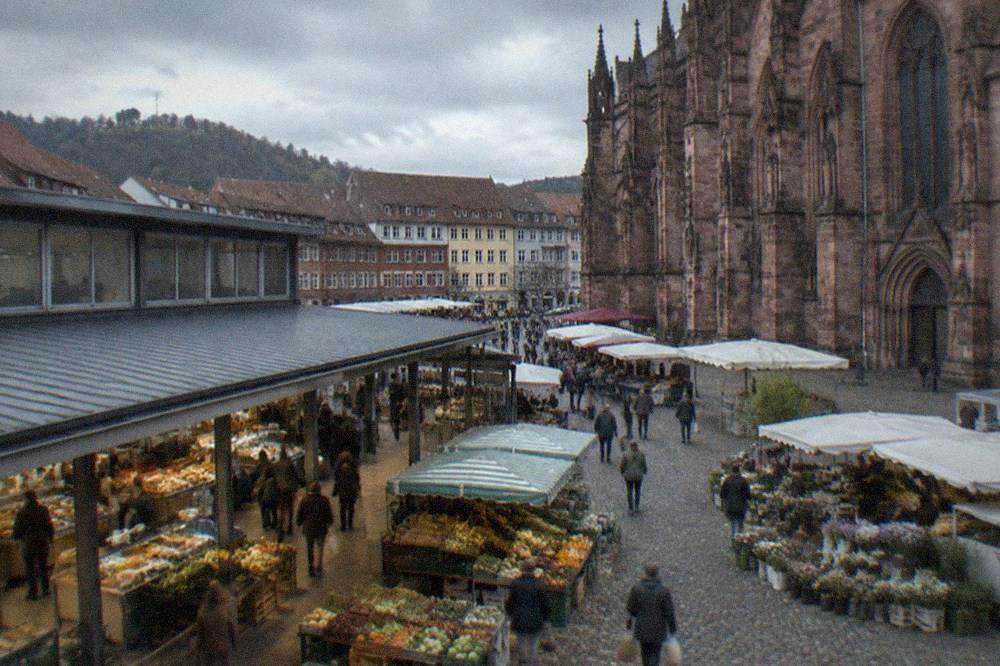
The market is the single most useful food address in the city, and its rhythm should shape your day. Arrive before 10:00 and you get the full spread and short lines. Arrive at 12:30 and you get the end-of-market energy, a sausage off the grill and locals doing their Saturday shopping, with the square emptying by early afternoon. The city's official Münstermarkt page carries the current schedule, which has held steady, though one flower stand relocated to the south side near the Fischbrunnen from around 10 March 2026 while Münzgasse is rebuilt.
| What | Where | When |
|---|---|---|
| Produce, cheese, flowers | Münstermarkt, cathedral square | Mon–Fri 07:30–13:30, Sat 07:30–14:00 |
| Sausage and sausage stands | Münsterplatz edges | Market hours, plus evenings |
| Covered food hall | Markthalle, a short walk south | All weather, daily stalls |
| Marktfest (market festival) | South side and Kaufhaus courtyard | Held 19 Sept 2026, 16:00–21:00, free |
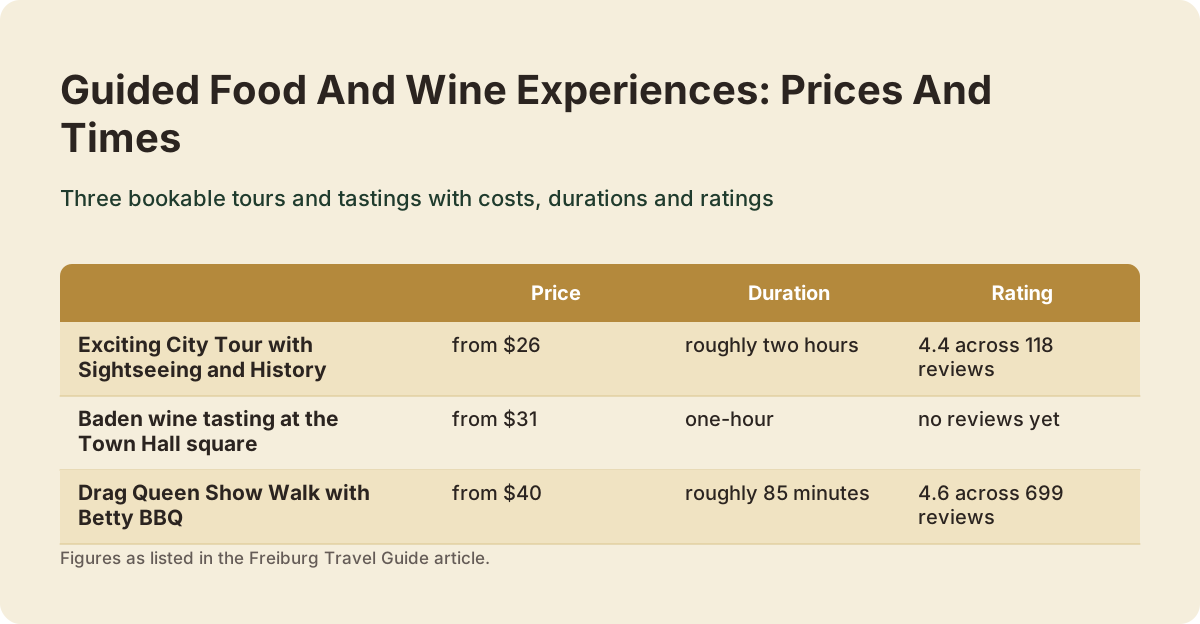
The Markthalle, the covered hall a few lanes from the square, is the rainy-day twin of the market. No openings, closures or price changes were verified there in 2025 or 2026, which in the restaurant business is its own kind of recommendation. Stalls rotate between regional and international kitchens, and it is the easiest place in the city to feed a group with five different appetites.
A practical note on Sunday: the market is shut, and much of the old town's tavern trade starts late. Sunday breakfast belongs to the café quarter, and the bakery queues before noon are the closest thing Freiburg has to a traffic jam.
Baden Wine, Taverns And The New Standing-Room Scene
Baden is a burgundy-hearted wine region and Freiburg is its capital, and the tavern scene changed fast: Augustiner am Platz opened in October 2025 as the first Augustiner Wirtshaus in Baden-Württemberg, Ludvigs opened around June 2026 as the region's first Stehausschank, and Trotte arrived in Fischerau in August 2026 with about 400 wines, 12 by the glass. The 2026 Weinfest drew about 110,000 guests; 2027 runs 1 to 6 July.
Wine is food in this city, and the two are planned together. Baden's pinot noir, pinot gris and chardonnay thrive on the volcanic soils of the Kaiserstuhl to the west, covered in our Baden wine region guide, and the taverns of the old town pour them by the glass all week. The traditional format is the Besenwirtschaft, a grower's parlor open seasonally when the new wine is ready, serving simple food with the family's own bottles.
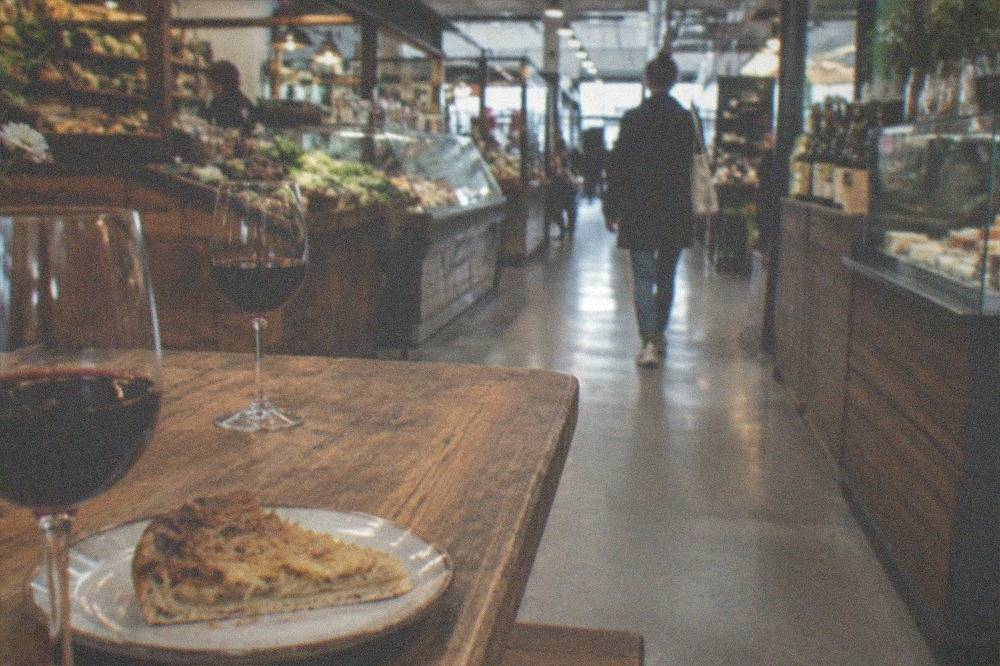
The newest layer is different. A Stehausschank, literally a standing-room pour house, has no stools and no menu theater, and Ludvigs is the first in the region, opened after about seven months of conversion at the old Café Légère site. Augustiner am Platz brought Munich's oldest brewery to the Augustinerplatz side of the square in October 2025 with Bavarian and Badische cooking side by side. Trotte went the opposite direction, a specialist cellar of rarities with an emphasis on Germany, France and Burgundy.
| Venue | What It Is | Opened |
|---|---|---|
| Augustiner am Platz | First Augustiner Wirtshaus in Baden-Württemberg, Bavarian and Badische dishes | 14 Oct 2025 |
| Ludvigs | The region's first Stehausschank, standing wine bar | Around June 2026 |
| Trotte, Fischerau | Wine bar with about 400 wines, 12 by the glass, rarity focus | Around Aug 2026 |
| Café Melange | Long-running Italian-style café | Closed end of Aug 2026 after 29 years |
The simplest way into Baden wine is the one-hour tasting of four wines at the Town Hall square, served with onion tart, from $31. It is a new listing without enough reviews yet to judge, so go for the format rather than the crowd verdict. The pairing, wine with Zwiebelkuchen, is a signature regional tradition compressed into one sitting.
For an evening that keeps moving, the Drag Queen Show Walk with Betty BBQ, roughly 85 minutes from $40 and rated 4.6 across 699 reviews, is a city tour as much as a show, and its route ends within walking distance of the Gerberau taverns.
Fine Dining: Freiburg's Five Michelin-Starred Restaurants
Five restaurants in Freiburg hold one Michelin star each in the 2026 guide: Jacobi for innovative cooking, Zur Wolfshöhle for classic cuisine, Colombi Restaurant Zirbelstube for classic French, Hawara for modern cooking and Eichhalde for Italian. Nothing changed in the 2026 edition, announced in late June: no gains, no losses, no closures. These rooms are small, and the city logged over a million arrivals in 2025, so book ahead.
The starred tier matters in Freiburg more than in most mid-size German cities because the surrounding wine region gives the kitchens extraordinary raw material. The 2026 Michelin selection confirms the five-house lineup unchanged.
| Restaurant | Style | Star Since |
|---|---|---|
| Jacobi | Innovative | 2026 guide |
| Zur Wolfshöhle | Classic cuisine | 2026 guide |
| Colombi Restaurant Zirbelstube | Classic French | 2026 guide |
| Hawara | Modern cuisine | 2025 |
| Eichhalde | Italian | 2026 guide |
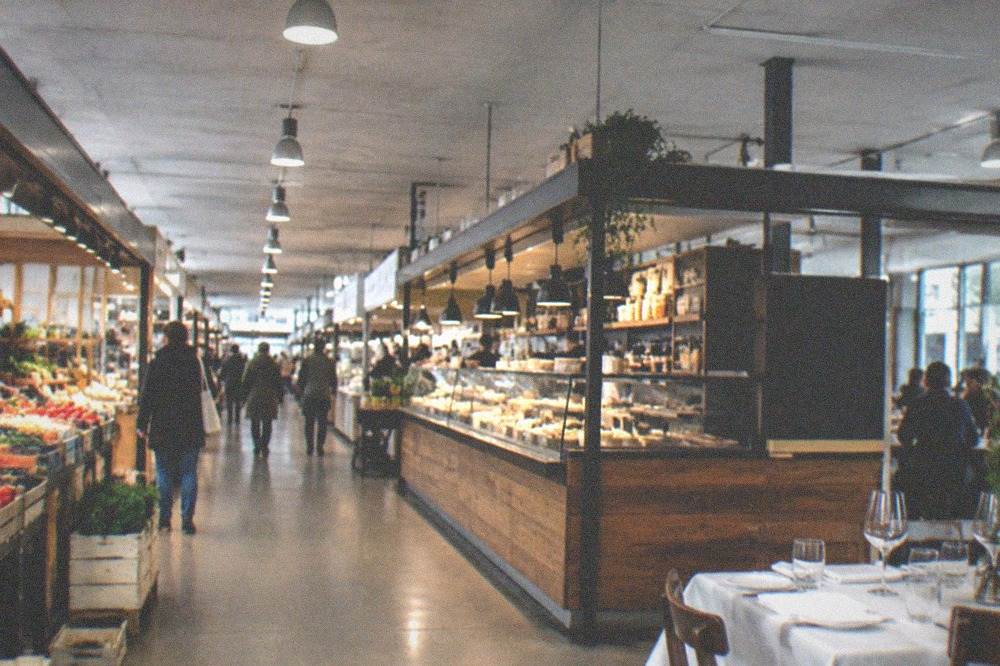
The practical tier below the stars is where most travelers actually eat, and it is strong. Freiburg's best restaurants run from Badische taverns with wood-panelled rooms to modern kitchens in the Stühlinger side streets. Reservations in the old town matter on weekends year-round and are essentially mandatory during the Weinfest in early July, the Christmas market from 19 November to 23 December 2026, and the two fair weeks of the Frühjahrsmess in May and Herbstmess in October.
One structural note: the Augustinermuseum's reopening in February 2026 added a museum café to the cultural corridor south of the cathedral, so a museum-plus-lunch afternoon now plans itself.
Food Tours And Guided Tastings In Freiburg
Freiburg's guided food offer splits into three shapes: a roughly two-hour culinary walking tour from $61 with only two reviews so far, a three-hour full-meal food tour from $126 with seven reviews, and the one-hour four-wine tasting with onion tart from $31 at the Town Hall square. History and comedy walks run from $17 to $40 and end near the eating streets, doubling as food-adjacent evenings.
The honest starting point is that Freiburg's dedicated food-tour pool is young. The Culinary Tour of Freiburg, about two hours from $61, has just two reviews, too few for any rating claim. The full-meal tour by Do Eat Better, about three hours from $126, has seven. Neither is a proven quantity yet, so treat them as format choices, and check the live listing for current menus and stops before committing an evening.
The culinary walking tour threads the old town's food streets with a guide, and a good compromise for visitors who want a guided first day is to walk it once with someone local. Check availability if the format fits.
For context, the general walking-tour tier is deep: the Gässle, Bächle and More City Tour is rated 4.7 across 3,187 reviews from $15, and the dramatized tours with costumed actors run 4.9 across 497 reviews from $17. Those are not food tours, but several pass the market and the sausage stalls, and a guide will happily point you to their own favorite.
A sensible pairing for a first visit: market morning on day one, wine tasting on the second evening, and a dramatized history walk once you know the street names. The Witches, Torture, Stakes tour, about 90 minutes from $17, rated 4.7 across 97 reviews, is the darkest and most fun of the themed options.
Eating Well In Freiburg On A Budget
Freiburg is kind to small budgets because its best food is street food: market sausages, Flammkuchen and market bread cost a fraction of a restaurant dinner, and the market's early finish shapes the whole day around it. A three-hour self-guided scavenger hunt runs from $45, a culinary walk from $61, and free-entry festivals like the Christmas market stretch a food budget further. Note that accommodation carries a 5% overnight tax, not a flat fee.
The budget mechanics are simple. Eat your big meal at lunch, when tavern menus drop and the market is at full spread. Buy bread, cheese and fruit at the Münstermarkt for a picnic, and take it to the Schlossberg or the Seepark, both free to enter. Drink standing at a Stehausschank or a beer garden rather than sitting at a candlelit table. The city's visitor levy, an Übernachtungsteuer of 5% of the net room price rather than a Kurtaxe, is already inside most quoted room rates, and the city's own overnight-tax page explains the exemptions, including under-18s.
| Budget Move | What You Get | Approximate Setup |
|---|---|---|
| Market breakfast | Bread, cheese, fruit, coffee standing | Weekday mornings to 13:30 |
| Lunch main at a tavern | Daily specials, Badische mains | Midday menus, weekdays |
| Picnic at Schlossberg or Seepark | Market produce with a view | Free entry, both sites |
| Standing wine at a Stehausschank | pours by the glass | Evening, Ludvigs |
| Self-guided scavenger hunt | 3-hour route with stops | From $45, rated 4.9 across 15 reviews |
Two cheap structured options stand out. The self-guided scavenger hunt, about three hours from $45, rated 4.9 across 15 reviews, turns the old town into a puzzle and costs less than a dinner. The shorter scavenger variant, about two hours from $3, rated 4.4 across 43 reviews, is close to free and gives you the geography.
Festivals are the budget sleeper. The Christmas market, 19 November to 23 December 2026 across Rathausplatz and the surrounding old-town squares, has free entry, and the fair weeks of the Frühjahrsmess and Herbstmess turn eating outdoors into the main event. The Weinfest on the Münsterplatz is also free to enter, and its 2027 dates, 1 to 6 July, are already published.
Common Questions About Freiburg Food
What food is Freiburg known for?
The long red sausage from the cathedral-market stalls, Flammkuchen, Zwiebelkuchen with new wine, Black Forest ham and the original Black Forest gateau. Around those classics sits a deep tavern and wine scene, five Michelin-starred restaurants and a 130-stall market on the Münsterplatz.
What is a lange Rote?
Freiburg's long bratwurst, served in a crisp roll, usually with mustard and optionally with grilled onions. It is bought standing at the stalls around the Münsterplatz and eaten immediately. Locals hold strong views on the correct way to order one.
Is the Münstermarkt open on Sundays?
No. The market runs Monday to Saturday, 07:30 to 13:30 on weekdays and to 14:00 on Saturdays, and closes on Sundays, public holidays and 15 August. Sunday mornings belong to the cafés and bakeries instead.
Do I need to book Freiburg's Michelin restaurants in advance?
Yes. All five starred rooms, Jacobi, Zur Wolfshöhle, Colombi Restaurant Zirbelstube, Hawara and Eichhalde, are small and serve a city that logged over a million arrivals in 2025. Book weeks ahead, and further out during the Weinfest and Christmas market periods.
What is a Stehausschank?
A standing-room wine bar, with no seating, focused on pours rather than full menus. Ludvigs, which opened around June 2026, is the first in the Baden region, converted from the former Café Légère site.
Are food tours in Freiburg worth it?
The dedicated food-tour pool is still young: the culinary walking tour has two reviews and the full-meal tour seven, so neither has a proven track record. The general walking tours are much deeper, with the top-rated city walk at 4.7 across 3,187 reviews, and several of them pass the main food streets.