Freiburg On A Budget: What A Cheap Trip Really Costs
Freiburg has a reputation as a comfortable, well-kept university city, which usually translates in visitors' heads to 'expensive'. The real numbers say otherwise. Below is every figure that matters for a cheap trip: the tram fare, the museum prices, the overnight tax, the free sights and the budget tours that are actually worth paying for.
Short answer
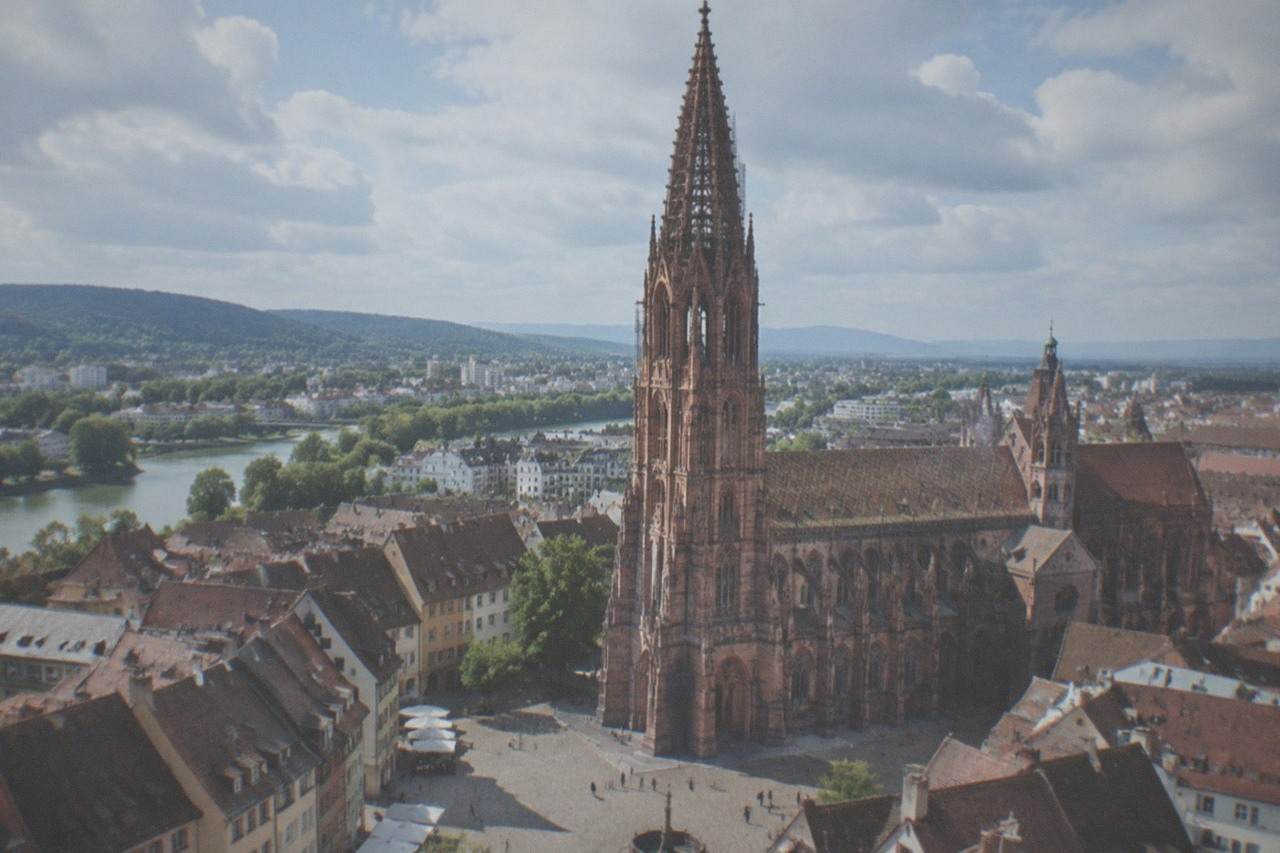
Freiburg is genuinely doable on a budget. A single tram ticket costs €3.00, the Münster nave is free, the tower climb is €5, every city museum is free under 27, the Schlossberg costs nothing, and the 3-day Welcomekarte at €27.00 includes the Schauinslandbahn cable car. Rooms carry a 5% overnight tax, not a Kurtaxe.
How Expensive Is Freiburg Really?
Freiburg is genuinely doable on a budget: the tram is €3.00, the minster nave is free, the tower climb is €5, every city museum is free under 27, and the Schlossberg costs nothing. The 3-day Welcomekarte at €27.00 even includes the Schauinslandbahn cable car, and rooms carry a 5% overnight tax, not a Kurtaxe.
The honest answer is that Freiburg rewards a traveler who plans two or three hours ahead and punishes one who improvises. A family that walks up the Schlossberg instead of taking the funicular saves the funicular fare and misses nothing, since the hill itself is free and the view from the top is the same one the paying customers get. A family that buys museum tickets without knowing that every city museum is free for under-27s spends money it did not need to spend.
For a mid-size German city with a famous old town and one of the country's most livable reputations, Freiburg is cheaper than most visitors expect, and the fixed costs are lower than in Basel or Strasbourg an hour away. What catches people out is not the headline prices, it is the small extras: the overnight tax, the tower ticket, the museum day ticket, and parking.
It also helps to know what kind of city this is. Freiburg has 237,299 residents and 24,507 students in the current winter semester, and a university population that size keeps the cheap-eats floor lower than in purely tourist towns. The city's own 2025 tourism figures recorded 1,010,708 arrivals and 2,130,785 overnight stays across establishments with at least ten beds, a slight dip from 2024 that local reporting described as consolidation at a high level rather than a slump. Nothing in those numbers suggests a city squeezing visitors.
One planning note that saves real confusion: the money pages on this site, including this one, are published by the Freiburg Travel Guide editorial desk, and every figure below comes from primary sources such as the RVF fare sheet, the museum's own pages and the city's official listings. If a number is not verified, it says so.
The Fixed Costs: Rooms, Beds And The Overnight Tax
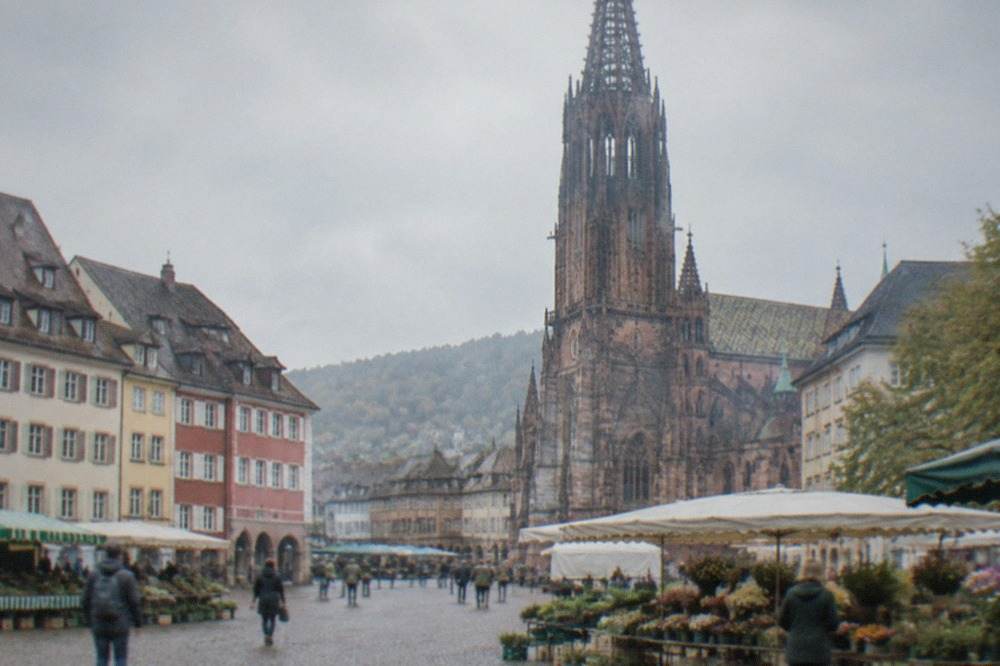
Every night you sleep in Freiburg carries an Übernachtungsteuer, an overnight tax of 5% of the net room price, and that is the only mandatory visitor levy in the city. There is no Kurtaxe and no bed tax on top of it. Guests under 18 are exempt, the tax has applied to private stays since 2014, and since 1 July 2023 it also applies to business stays, so it shows up on work trips too.
The percentage structure matters more than it looks. A 5% tax on a modest room is a small amount, but on a pricey wellness hotel it adds up, so budget travelers are effectively taxed lightly. What the tax does not buy you is transport: unlike in the nearby Black Forest KONUS towns, a hotel stay in Freiburg does not hand you a free guest card for the trams. That distinction is the single most common budgeting mistake, and it is worth getting right before you book anything.
Freiburg is not a KONUS municipality. The 2026 KONUS flyer lists nearby member towns such as Kirchzarten, Horben, Titisee-Neustadt, Bad Krozingen, Staufen and St. Peter, and a card issued in one of those towns is valid on Freiburg's trams and buses, but a Freiburg hotel cannot issue one. For visitors sleeping in Freiburg, the real product is the RVF Welcomekarte, covered in the next section.
On lodging itself, a few current facts help. The budget end of the market saw changes through 2025 and 2026: the IntercityHotel near the station is moving to the Leonardo brand, the Novotel am Konzerthaus was sold in September 2026 with a Scandic rebrand and renovation planned for autumn 2027, and the Panoramahotel above the city has been closed since a June 2024 fire with renovation plans announced in early 2026. None of that changes prices overnight, but it explains why the cheap-and-central inventory shifts. For deeper neighborhood detail, the where to stay in Freiburg guide breaks the areas down; the short budget version is that Stühlinger and the Wiehre side put you within a short walk of the center for less than Altstadt addresses.
The Cheapest Way To Get Around Freiburg
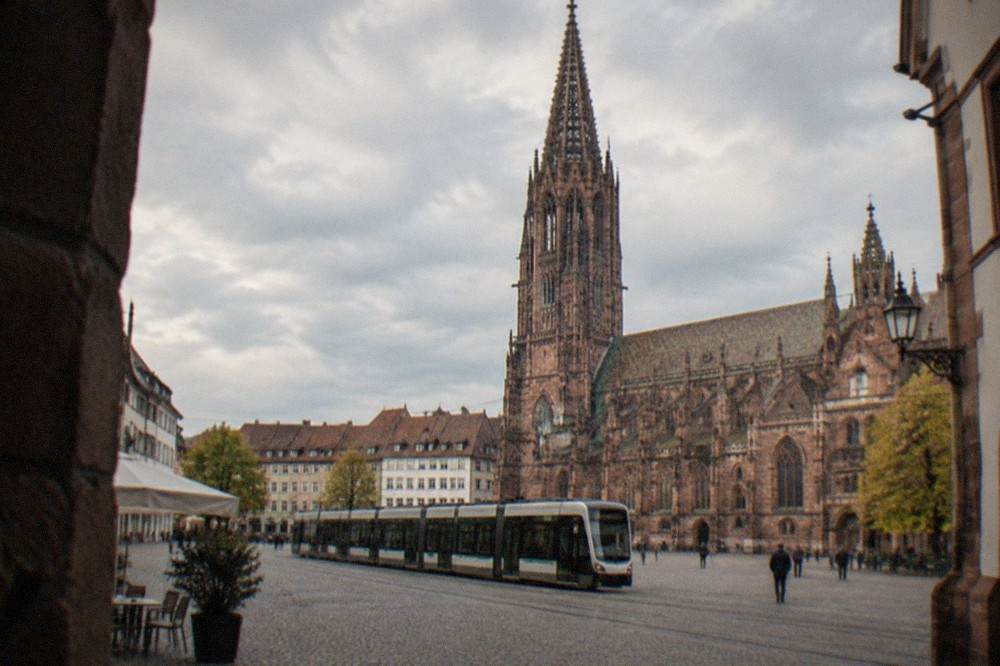
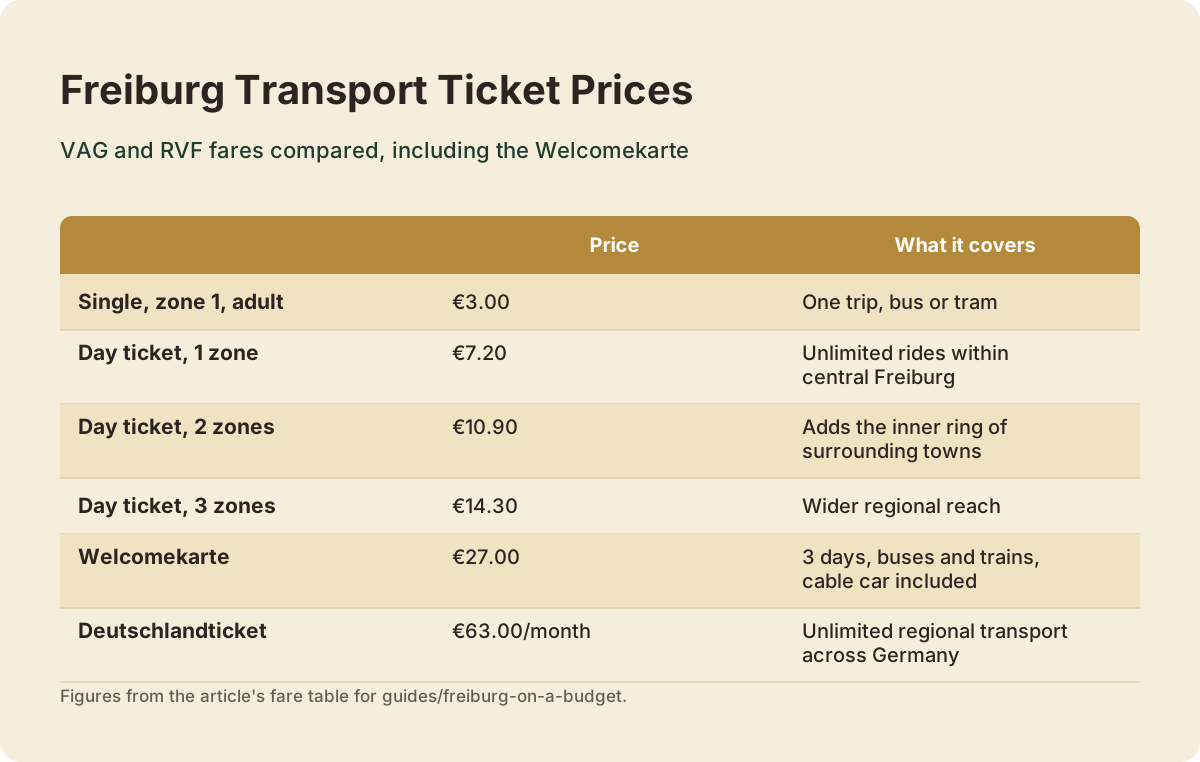
Walking beats every ticket in central Freiburg, because the old town is compact and pedestrian-scaled. When you do need wheels, a single zone 1 ticket is €3.00, €2.70 on a smartphone, and a day ticket is €7.20 for one zone. The 3-day Welcomekarte at €27.00 adds the Schauinslandbahn cable car and a Kulturbonus, and the Deutschlandticket is €63.00 per month.
Freiburg's transport is run by VAG and the wider RVF network, and the fare structure is flat and simple enough that overspending takes effort. The table below holds every figure you need. One practical note from the fleet's recent renewal: the city's electric buses, 45 of them since October 2025, carry cashless ticket machines, so on those vehicles you buy at the machine or on your phone rather than from the driver. Assume you need a working card or a phone app.
| Ticket | Price | What it covers |
|---|---|---|
| Single, zone 1, adult | €3.00 | One trip, bus or tram (€2.70 on a smartphone, child €1.80) |
| Day ticket, 1 zone | €7.20 | Unlimited rides within central Freiburg |
| Day ticket, 2 zones | €10.90 | Adds the inner ring of surrounding towns |
| Day ticket, 3 zones | €14.30 | Wider regional reach |
| Welcomekarte | €27.00 | 3 days, buses and trains, the Schauinslandbahn cable car included, plus a Kulturbonus |
| Deutschlandticket | €63.00/month | Unlimited regional transport across Germany, 2nd class |
The Welcomekarte deserves a closer look for anyone staying three days, because the Schauinslandbahn inclusion is what tips it. The cable car alone costs €15.00 return for an adult, so a pass that costs €27.00 and includes one round trip to the summit has effectively paid for a third of itself before you ride a single tram. The RVF's own Welcomekarte page states the terms; current revisions close the cable car 16 November-4 December 2026 for its autumn overhaul, so time a November trip around that if the summit is part of your plan.
Bikes are the other budget story. Freiburg's Frelo bike-share system was fully renewed from January 2026 with about 1,200 bikes including 206 e-bikes, and expanded to 162 stations from March 2026; classic bike prices were held unchanged through that renewal. The network is regional as well as urban, with 62 stations outside the city, so a Frelo ride doubles as a cheap Black Forest outing.
| Option | 3-day cost | Best for |
|---|---|---|
| Walk everywhere | €0.00 | Central stays; the Altstadt is 15 minutes end to end |
| 3 single tickets | €9.00 | One round trip plus a spare ride |
| Day ticket × 3 | €7.20 per day | Heavy riding days inside the city |
| Welcomekarte | €27.00 | Includes the Schauinslandbahn and a Kulturbonus |
For anyone weighing the numbers for a full itinerary, the Freiburg Welcomekarte guide runs the break-even scenarios in detail. The short version: two tram days plus a cable-car round trip already clear the pass price.
Free Things To Do In Freiburg That Are Actually Worth Your Time
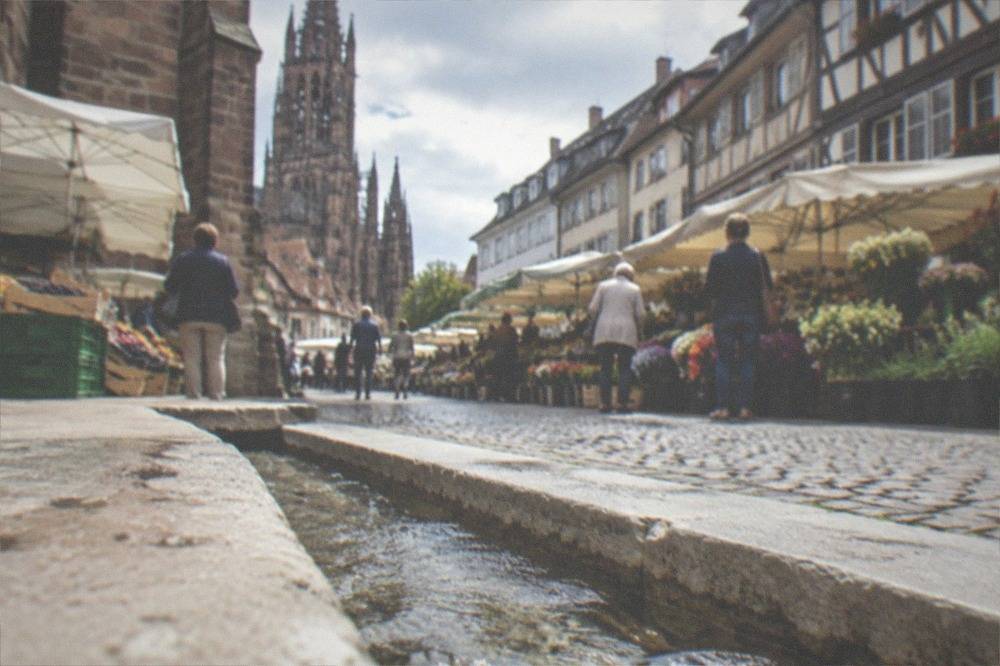
The genuinely free core of Freiburg is large: the Münster nave, the Schlossberg hill and its tower views, the entire old town with its gates and Bächle gutters, the Münstermarkt square, Seepark, and the Christmas market in season. Paid highlights like the tower climb at €5 or the Augustinermuseum at €12 are optional upgrades, not entry fees, and under-27s get every city museum free.
Start with the minster, because it anchors everything. Entry to the nave is free, and the building itself is the reason most people come to the city. The west tower is 116 meters tall, but the visitor climb reaches a gallery at 70 meters, not the top; tickets are €5 for adults, €3 for children and teens, €13 for a family, and free under 7, with hours of 11:00-16:00 Monday to Saturday and 13:00-17:00 on Sundays and holidays. The official tower climb page carries the current times. The top gallery closes in winter, which is a fair excuse to skip the stairs in December and spend the €5 on a mug at the Christmas market instead.
| Sight | Cost | Notes |
|---|---|---|
| Münster nave | Free | Open daily; donations welcome |
| Münster tower climb | €5 adults, €3 children | 70-meter gallery of the 116-meter tower; closed in winter |
| Schlossberg hill and paths | Free | The funicular at €6.50 return is optional, not required |
| Old Town, Martinstor, Schwabentor, Bächle | Free | The whole postcard set is public space |
| Münstermarkt | Free to wander | Up to 130 stalls, Monday to Friday 07:30-13:30, Saturdays to 14:00 |
| Seepark | Free | Parkland around Flückiger See on the west side |
| Christmas market | Free entry | 19 November-23 December 2026, across Rathausplatz and the Altstadt |
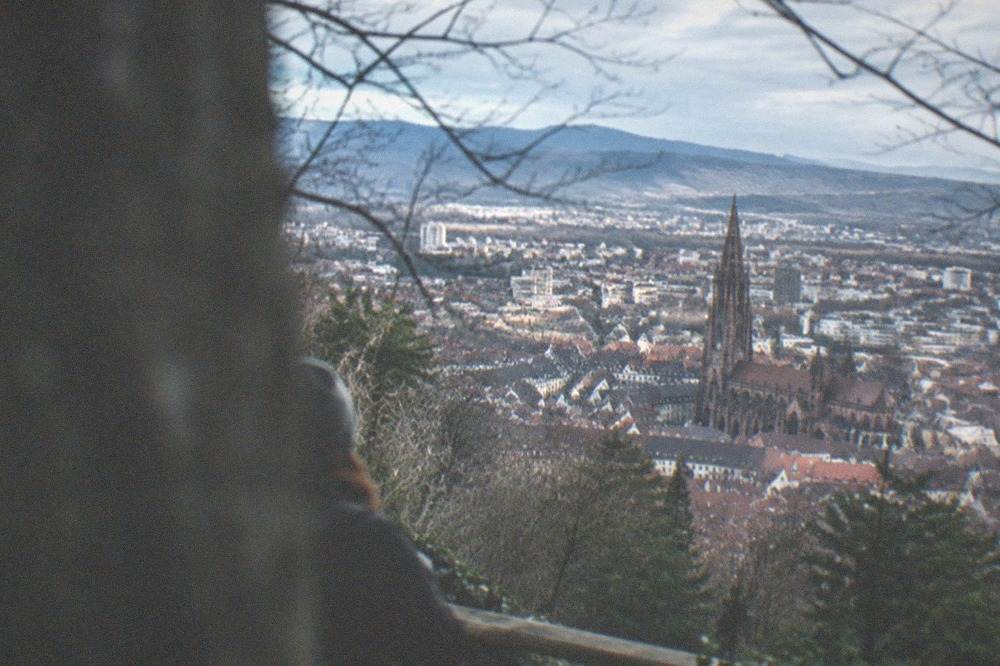
The Schlossberg is the city's best free asset. The hill is public park, the paths are steep but short, and the Schlossbergturm at the top is reached on foot; the funicular at €3.70 one way or €6.50 return is a convenience, not a gate. Budget logic is simple: walk up one direction, and if the legs disagree on the way back, that is what the €3.70 is for.
Museums are where the under-27 rule changes the math completely. Every city museum in Freiburg, including the Augustinermuseum that fully reopened on 28 February 2026 after more than two decades of phased renovation, is free for visitors under 27. For everyone else the day ticket logic matters: the Augustinermuseum ticket at €12, reduced €8, is valid across all the city museums on the same day, so a museum day should be a museum day, not two half days.
| Museum | Standard / reduced | Free for |
|---|---|---|
| Augustinermuseum | €12 / €8 | Under-27s; day ticket valid at all city museums |
| Museum für Neue Kunst | €7 / €5 | Under-27s |
| Archäologisches Museum Colombischlössle | €5 / €3 | Under-27s |
| Museum Natur und Mensch | €5 / €3 | Under-27s; permanent exhibition closed to about end of February 2027 |
| Dokumentationszentrum Nationalsozialismus | Free | Everyone |
| Uniseum | Free | Open Thursday to Saturday 14:00-18:00 |
The city is also simply good-looking for free. The Augustinerplatz steps, the Fischerau and Gerberau lanes, the Haus zum Walfisch facade, and the two surviving gates, Martinstor and Schwabentor, cost nothing and take an afternoon. For a fuller walk through them, the old town guide lays out a route that can be done entirely on foot.
Where To Eat Cheap In Freiburg
The cheap-eat anchors in Freiburg are the Münstermarkt, the Markthalle, the badische wine taverns, and the student-priced places that follow a university of 24,507. Stand-up market snacks, tavern portions of regional cooking and a glass of local Baden wine are the budget pattern here; the city has five Michelin-starred restaurants too, but they sit at the other end of the sheet entirely.
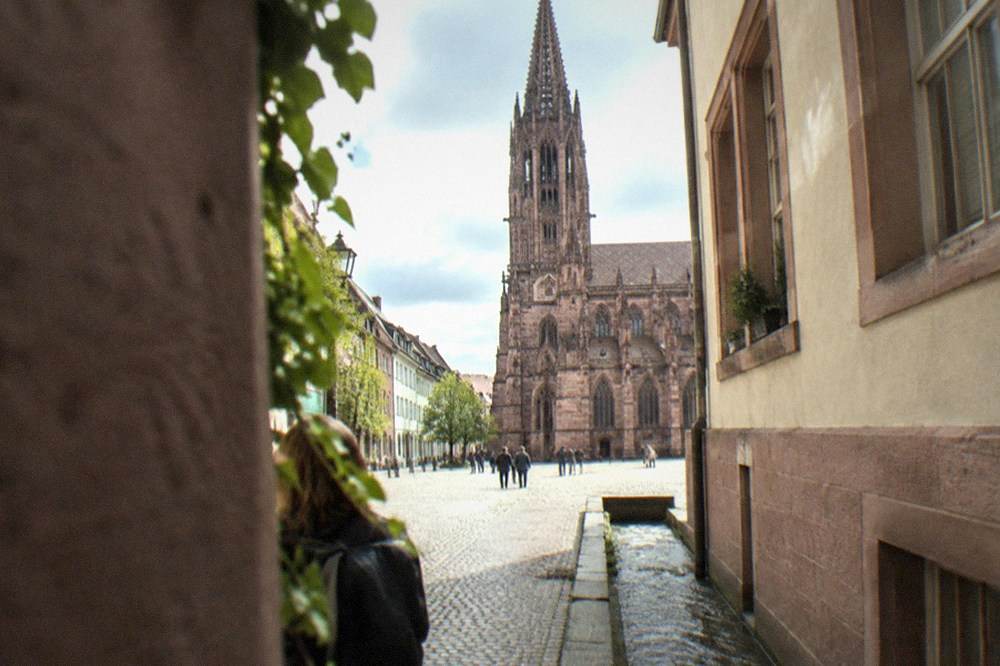
The Münstermarkt is the structural answer to eating cheap. It runs Monday to Friday from 07:30 to 13:30 and Saturdays to 14:00 with up to 130 stalls, closed Sundays, holidays and 15 August, and its produce is local by design: vegetables, bread, cheese, flowers, and the stands that will hand you a snack on the spot. The market's own visitor page carries the current hours. Stall prices vary with the season, so treat the market as a per-visit discovery rather than a fixed-price menu, but the pattern holds: a market breakfast costs less than a café breakfast two streets over.
The Markthalle nearby concentrates the same idea under one roof. Around the current wine-tavern scene, two openings matter to a budget traveler: Ludvigs opened as the region's first standing wine tavern after a renovation at the former Café Légère site, and the Trotte wine bar opened in Fischerau with about 400 wines and 12 by the glass, focused on German and French rarities. Neither is the cheapest option in town, but a single glass of Baden wine in a tavern is the honest local version of a cheap night out, and it pairs with the region's Zwiebelkuchen and onion tart tradition in autumn.
For travelers who want the tavern-and-wine experience as an organized outing rather than a solo gamble, the tasting of 4 wines at Town Hall Square with onion tart runs about an hour from $31 and sits on the Münsterplatz itself, the same square as the market. It is a small-group format rather than a full dinner, so it slots neatly between a market lunch and a tavern evening.
What to skip on a budget is the airport-style markup in the most photographed squares at peak lunch hour. Walk two lanes off the Münsterplatz, toward the university streets and the Wiehre, and the same food costs less. The Freiburg food guide covers the full eating landscape, including the city's longer answer to where the value sits.
Budget Tours In Freiburg Worth Paying For
The cheapest tours on the Freiburg roster start at $3, and the best value sits between $15 and $31: a 1.5-hour city walk from $15, a cathedral-visit walk from $20, an old-town highlights walk from $17, a wine tasting from $31, and a self-guided scavenger hunt from $3. Ratings on those listings range from 4.4 to 4.7 with review pools from 43 to 3,187, so the quality floor is genuinely high.
The standout for value is the Gässle, Bächle and More City Tour: about 1.5 hours, from $15, rated 4.7 across 3,187 reviews, which is the largest review pool of any city walk listed on this site. It covers the lanes, the gutters and the old town core, the exact ground a budget traveler would otherwise piece together alone from a map. Its smaller siblings, the Highlights of the Old Town tour at from $17, rated 4.6 across 236 reviews, and the city walk with cathedral visit at from $20, rated 4.6 across 284 reviews, cover overlapping ground with different emphases, so the honest advice is to pick one rather than stacking two.
For travelers who prefer to move at their own pace, the self-guided tier is the cheapest guided-adjacent product in the city. The Freiburg Scavenger Hunt self-guided tour runs about two hours from $3, rated 4.4 across 43 reviews, and turns the old town into a puzzle; a self-guided audio tour in English is also listed from $9. Neither substitutes for a guide's knowledge, but both cost less than a coffee and a cake, and the scavenger format is a good fit for families.
| Tour | Length | Price from | Rating and pool |
|---|---|---|---|
| Scavenger hunt, self-guided | ~2 hours | $3 | 4.4 across 43 reviews |
| Self-guided audio tour in English | Flexible | $9 | On the listing |
| Gässle, Bächle and More City Tour | ~1.5 hours | $15 | 4.7 across 3,187 reviews |
| Highlights of the Old Town | ~1.5 hours | $17 | 4.6 across 236 reviews |
| Tour of the City with Cathedral Visit | ~1.5 hours | $20 | 4.6 across 284 reviews |
| Tasting of 4 Wines at Town Hall Square | ~1 hour | $31 | On the listing |
The expensive end of the roster, private walks from $90 to $253 and private battlefield tours from $810, exists but has small review pools, some as low as one or two reviews, so this guide does not recommend them as value picks. For a cheap trip, one group walk plus one tasting is a sensible ceiling.
A Sample Budget Day In Freiburg
A realistic budget day in Freiburg runs between roughly €5 and €30 per person depending on how much of the paid layer you switch on: the free skeleton of the day, minster, market, old town lanes and Schlossberg, costs nothing beyond food, and each paid add-on, the €5 tower climb, the €3.00 tram, a €12 museum day, is modular. Nothing on the itinerary below requires a car.
| Time | Activity | Cost |
|---|---|---|
| Morning | Münster nave, then Münstermarkt wander | €0 (stall snacks vary) |
| Midday | Tower climb to the 70-meter gallery | €5 |
| Afternoon | Old town lanes, gates and Bächle on foot | €0 |
| Late afternoon | Walk up the Schlossberg for the view | €0 (funicular €6.50 return if the legs object) |
| Evening | Augustinerplatz steps, or a tavern glass of Baden wine | Glass prices vary by tavern |
| Optional swap | Museum day instead of the climb | €12 standard, €8 reduced, free under 27 |
The day above deliberately front-loads the free layer so the paid choices stay genuine choices. If the weather turns, the rainy-day alternative is the museum day, and the Augustinermuseum's reopening means the full building, church hall, convent wing and vaulted cellars, is visitable again for the first time in over twenty years. If the budget stretches instead, the Welcomekarte converts the same day into a Schauinsland summit afternoon, cable car included.
Two small notes keep the day cheap. First, the tram only earns its €3.00 if your base is outside walking range; from Stühlinger or the Wiehre you will likely walk everywhere. Second, do not schedule the tower climb and the Schlossberg summit for the same August afternoon: July and August average 20.1°C and 19.7°C, but the city also logs 7.3 and 7 days at 30°C or above in those months, and the tower stairs deserve a cooler hour.
Money-Saving Mistakes To Avoid In Freiburg
The four mistakes that cost real money in Freiburg are assuming the hotel hands you a KONUS card, expecting a Kurtaxe refund scheme that does not exist, buying transit tickets you cannot use efficiently, and paying museum prices without checking the under-27 rule. Every one of these is documented on official pages, and every one is avoidable with ten minutes of reading before you book.
The KONUS mistake is the big one. Freiburg is not a KONUS municipality, so a Freiburg hotel stay does not include free transport; the card exists, but it is issued by member towns like Kirchzarten, Horben, Titisee-Neustadt, Bad Krozingen, Staufen and St. Peter. If your plan is a Black Forest base with Freiburg day trips, the math can flip: sleep in a KONUS town and your card rides Freiburg's trams free, sleep in Freiburg and you buy the Welcomekarte. That is a genuine strategic choice, not a detail, and it deserves to be made before the room is booked.
The tax mistake is smaller but persistent. Freiburg's visitor levy is an Übernachtungsteuer of 5% of the net room price, not a Kurtaxe, and it has not changed in the last year; budget discussions in the city referenced a possible rise to 6%, but nothing was implemented. Under-18s are exempt, which families should note when comparing quoted room prices.
The transit mistake is buying the wrong ticket shape. A €14.30 three-zone day ticket is wasted money if everything on your list sits inside zone 1, and a Welcomekarte is wasted if you are in town for a single evening. Match the pass to the plan.
The museum mistake is leaving money on the table. Under-27s are free at every city museum; the Augustiner day ticket covers all city museums; and the Dokumentationszentrum Nationalsozialismus and the Uniseum are free for everyone. A traveler who knows those three facts can spend €12 and see more than one who spends €30 without them.
Finally, a small one that recurs: the Münster tower is 116 meters, but you climb to a 70-meter gallery, and the top gallery closes in winter. Expecting the summit view and getting the gallery is not a budget issue, but it is the most common expectation gap in the city.
The Cheapest Months To Visit Freiburg
The cheapest-value months are the shoulder seasons, April to June and September to October, when the weather is warm enough for the outdoor city, 10.8°C to 14.9°C means and 15.4°C in September, and the summer festival premium has passed. Winter is cheapest of all if your goal is the Christmas market, but the tower's top gallery and the cable car's autumn overhaul close parts of the paid layer.
The climate record for the city, from the German weather service's 1991-2020 station normals, tells the budget story plainly. Freiburg is one of Germany's warmest and sunniest cities, though not the single warmest or sunniest, and the sun hours peak in July against a 1,815.1-hour year. What the table below shows is where comfort overlaps with value.
| Month | Mean temperature | Rainfall | Sunshine hours |
|---|---|---|---|
| January | 2.5°C | 48.6 mm | 64.7 h |
| February | 3.5°C | 49.1 mm | 91.8 h |
| March | 7.0°C | 54.3 mm | 146.8 h |
| April | 10.8°C | 63.8 mm | 182.2 h |
| May | 14.9°C | 103.4 mm | 206.8 h |
| June | 18.3°C | 89.8 mm | 232.7 h |
| July | 20.1°C | 92.2 mm | 252.2 h |
| August | 19.7°C | 83.3 mm | 234.4 h |
| September | 15.4°C | 77.4 mm | 176.2 h |
| October | 10.9°C | 78.5 mm | 116.2 h |
| November | 6.1°C | 66.2 mm | 66.6 h |
| December | 3.4°C | 66.9 mm | 56.3 h |
Two seasonal facts sharpen the choice. The Christmas market runs 19 November to 23 December 2026 with free entry, and it is the reason to visit in the darkest, cheapest month: the sun drops to 56.3 hours in December, but the market lights compensate, and the Altstadt's cost structure does not change with the calendar. Against that, the Schauinslandbahn closes 16 November to 4 December 2026 for its autumn overhaul, so a late-November trip trades the summit for the market.
Whatever month you pick, the free layer of the city, the minster nave, the lanes, the hill, the market square, stays free. The budget question in Freiburg is never whether you can afford the city; it is how much of the optional layer you want to switch on. A modest plan built around one group walk, one transit pass sized to your stay, and the free skeleton above delivers a full Freiburg trip for a modest total, with the paid highlights available when they earn their price.
Common Questions About Freiburg On A Budget
Is Freiburg expensive to visit?
No, not by German old-town standards. The tram is €3.00, the minster nave is free, the tower climb is €5, the Schlossberg is free, and every city museum is free for under-27s. The costs that add up are the overnight tax of 5%, paid museum tickets and food, and all of them are modular.
Do Freiburg hotels give you free transport with a KONUS card?
No. Freiburg is not a KONUS municipality, so a hotel stay in the city does not include a KONUS card. The visitor product for people staying in Freiburg is the RVF Welcomekarte, €27.00 for 3 days, which includes buses, trains and the Schauinslandbahn cable car.
What is the cheapest way to get from Basel EuroAirport to Freiburg?
The Freiburger Reisedienst Airportbus runs daily and takes about 55 minutes. Fare figures for that bus are not reliably published, so check the operator's own listing before booking rather than trusting aggregator estimates.
Are museums in Freiburg free?
Every city museum is free for visitors under 27, and the Dokumentationszentrum Nationalsozialismus and the Uniseum are free for everyone. Standard adult prices run from €5 at the smaller houses to €12 at the Augustinermuseum, whose day ticket covers all city museums.
How much does the Münster tower climb cost?
Adults pay €5, children and teens €3, a family ticket €13, and under-7s go free. Hours are 11:00-16:00 Monday to Saturday and 13:00-17:00 on Sundays and holidays, and the climb reaches a 70-meter gallery of the 116-meter tower. The top gallery closes in winter.
What is a realistic daily budget for Freiburg?
Counting a modest room, the 5% overnight tax, market food, one transit pass share and one paid sight, a solo traveler can hold a comfortable day in the €50-80 range, and less with a hostel-style base and the free layer doing the heavy lifting. Tours add $15-31 per person for the value options.