Hinterzarten From Freiburg: A Practical Black Forest Day Trip Guide
Hinterzarten is the quiet alternative to Titisee: the same train line from Freiburg, a church square, a small lake, and flat valley paths under a wall of forest. This guide covers the practical side of the day, from tickets and closures to lunch and the walk home.
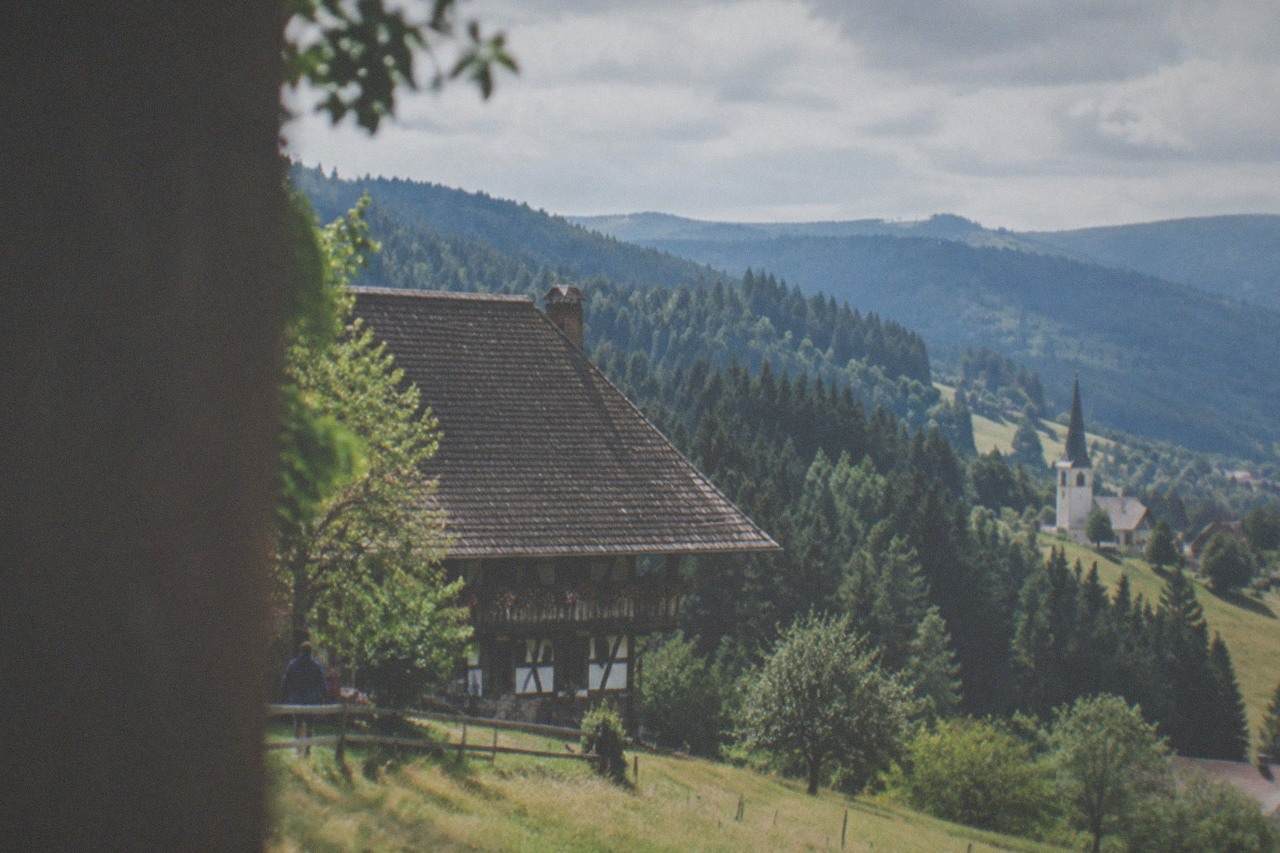
Short answer
Hinterzarten is a small Black Forest village on the regional train line from Freiburg toward Titisee, best known for ski jumping, meadows and easy walking. A Deutschlandticket at €63.00 per month covers the regional trains; the village itself is compact enough to see on foot in a relaxed day.
The train that leaves Freiburg heading up into the hills is one of the nicest short rides in the region. Within a few stops the city drops away, the valley narrows, and the Black Forest closes in on both sides until the line delivers you into a string of high villages built around timber, meadows and church bells. Hinterzarten is the calmest of them. It has none of the lakeside crowd of its neighbor, and it rewards travelers who arrive without a plan beyond walking, eating and heading partway up the nearest hill.
This guide is written for someone already in Freiburg, whether for a weekend or a longer stay. It covers the train question first, because that is the decision that shapes everything else, then the village itself, the walking options around it, the food, and a realistic sample day with the costs attached. Where a figure matters, it comes from verified sources; where something varies or is still unconfirmed, the text says so plainly.
What Kind Of Place Is Hinterzarten?
Hinterzarten is a small, church-centered Black Forest village on the rail line between Freiburg and Titisee, built around meadows, long-roofed timbered houses and a deep ski-jumping tradition. It works best as a slow day rather than a checklist: a morning walk, a long lunch, and an afternoon by the lake or drifting up toward Feldberg. Nothing in the village needs a car.
Think of it as the introvert's Titisee. The village sits in a wide, high valley, and its fame at home rests on winter sport: this is one of Germany's recognized ski-jumping places, and the hills and training facilities on the village edge are part of local identity in a way that surprises first-time visitors expecting only cuckoo clocks and cake. The jumpers come and go with the seasons; the meadows, the church square and the smell of wood smoke do not.
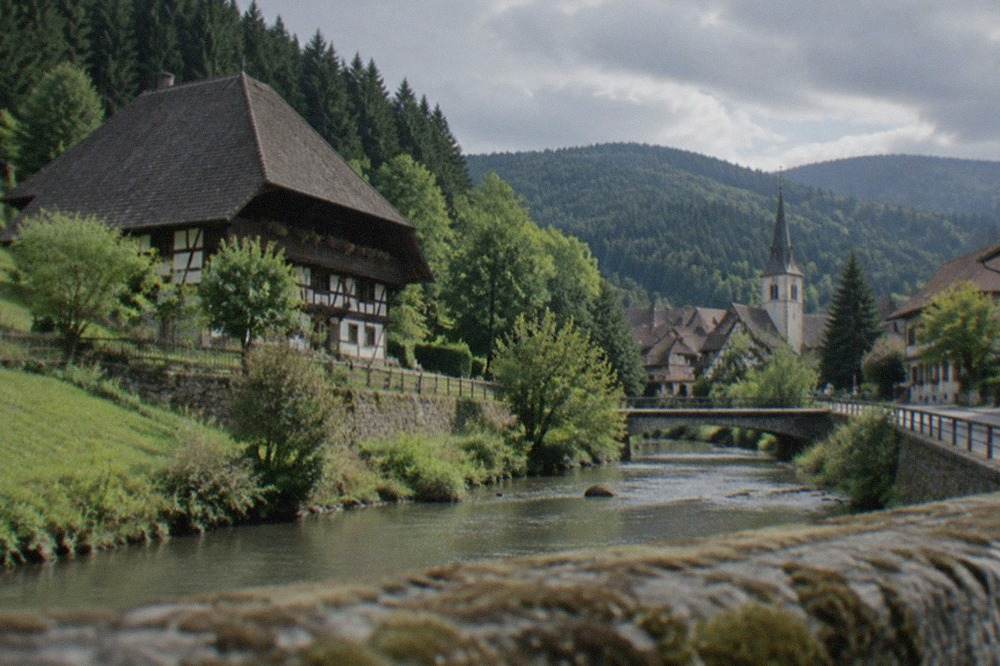
The character of the place is unhurried in a way that takes an hour to adjust to. Shops keep short hours, lunch is a proper sit-down affair, and the main entertainment is the landscape doing what it does. For context on how this village sits inside the wider region, the how to visit the Black Forest from Freiburg primer covers the broader network of towns, lakes and rail lines radiating out from the city, and this site, Freiburg Travel Guide, carries a full set of day-trip cards for each of them, from the deep planning pages of the Black Forest region guide to the village-by-village detail of the best Black Forest towns round-up.
One warning worth planting early: Hinterzarten is small, and travelers who arrive expecting a full day of "attractions" leave disappointed. The village is the attraction. Give it the same afternoon you would give a good book, and it repays the patience.
How Do You Get From Freiburg To Hinterzarten?
The simplest route is the direct regional train from Freiburg Hauptbahnhof toward Titisee; the line locals call the Höllentalbahn climbs through the valley and Hinterzarten is a stop on it. A Deutschlandticket at €63.00 per month covers regional trains nationwide. Check for engineering works before you travel: the line has seen replacement buses on several 2026 dates.
The train is the answer for almost everyone. Freiburg's Hauptbahnhof is a compact, walkable station, and the fare question is easier than it looks. The Deutschlandticket, confirmed at €63.00 per month from 1 January 2026 in the RVF tariff adjustment notice, is the clean solution for anyone staying more than a couple of days: it covers regional trains across Germany, including this line, plus Freiburg's own trams and buses on the days around the trip. For a shorter stay, buying a point-to-point return from the machine or an app is the normal route, and the fare is shown at purchase rather than guessed here.
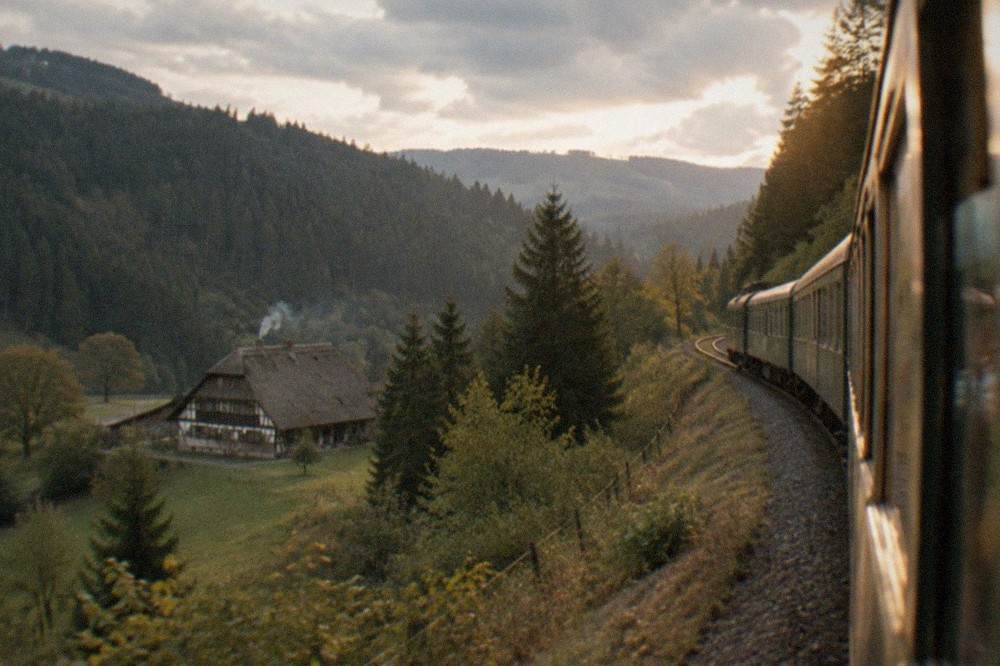
Two temporary issues deserve a place in your planning notes. First, the Höllentalbahn itself has been subject to engineering works: sections were closed for hang-securing works in mid-July 2026 and again from 19 September 2026, with replacement buses running on the affected stretches. These are maintenance closures, not permanent changes, but they can add real time to a day trip, so check the operator's live timetable the evening before. Second, Freiburg Hauptbahnhof itself began a modernization program on 14 September 2026 that runs until around December 2028; the northern underpass was fully closed at the start, which changes how you move between platforms. Allow a few extra minutes and follow the signage rather than muscle memory.
| Option | Best for | What to watch |
|---|---|---|
| Regional train toward Titisee | Almost everyone | Engineering works on some 2026 dates; replacement buses when closed |
| Deutschlandticket, €63.00/month | Stays of several days | Covers regional trains, trams and buses nationwide |
| Point-to-point ticket from machine or app | One-off trips | Fare shown at purchase; no guessing needed |
| Car via the B31 valley road | Flexibility, luggage | Parking in villages is limited, and winter driving conditions call for caution |
Driving is possible but rarely the better choice. The valley road is scenic, winding and busy on weekends, parking in the village is finite, and the train drops you closer to the church square than any car park does. If a car is already part of your trip, use it for the flexibility of stopping elsewhere in the valley rather than for Hinterzarten alone.
What To See And Do In And Around The Village
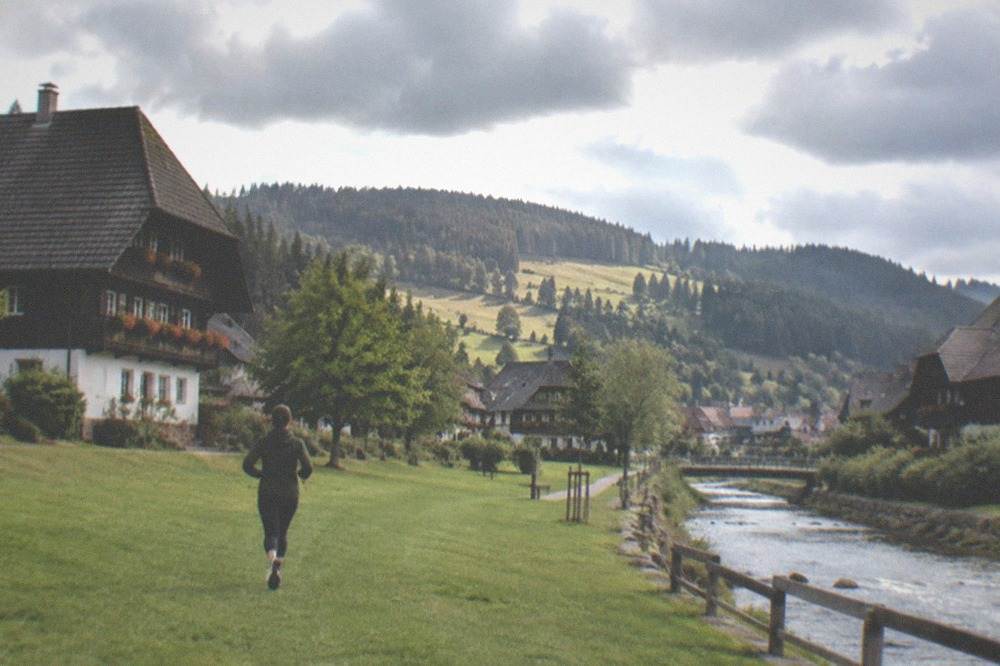
Plan on three layers: the church square and the timbered houses around it, the small lake a short walk west of the station, and the flat network of valley paths that makes this one of the easiest walking bases in the upper Black Forest. All three sit within comfortable walking distance of the platform, and none of them needs a ticket.
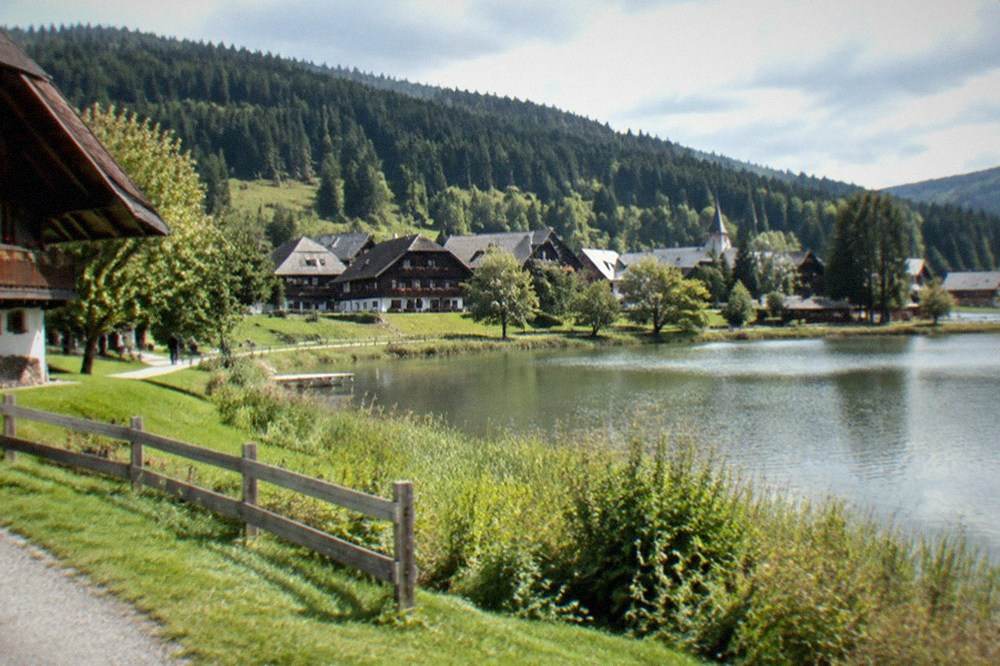
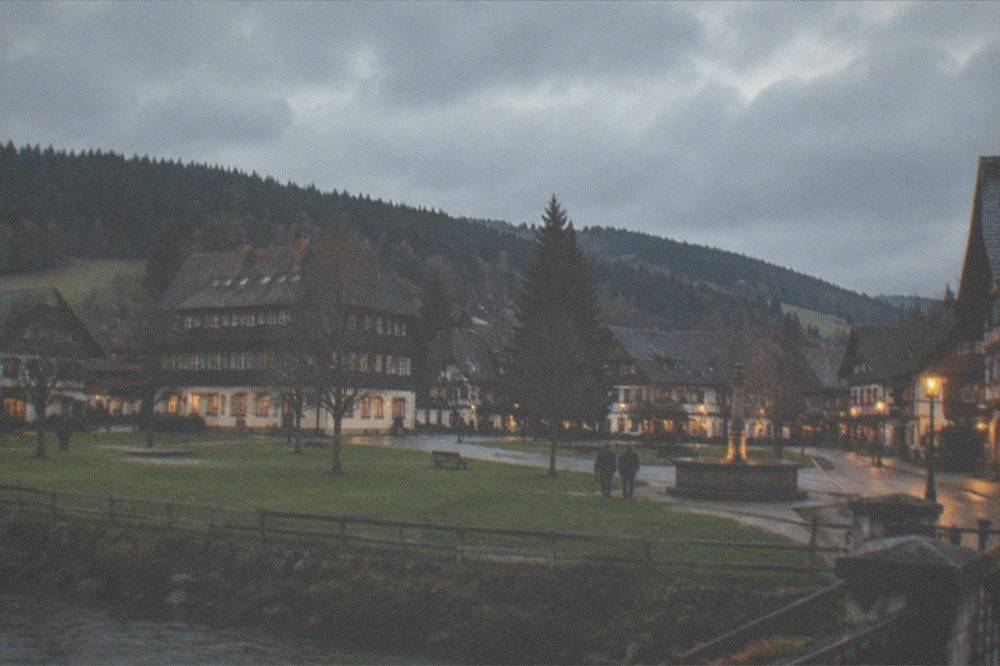
Start in the middle and work outward. The church square is the village's living room: benches, a fountain, and the long black-and-white timbered facades that photograph best in the slanting morning light. From there the lanes drop gently toward the lake, a small body of water ringed by meadow and footpath, popular with locals for a lap before lunch. The walk is flat, shaded in parts, and short enough that it works as a warm-up rather than a hike, which matters if Feldberg ambitions are on the afternoon agenda.
The ski-jumping heritage is the village's second story, and it is worth a slow look even in summer. The training hills sit at the village edge, and the sport's local roots run deep enough that the village name carries weight in German winter-sport circles. You are looking at infrastructure and atmosphere rather than a museum experience, but it explains why this quiet place produces athletes, and it gives the meadows a sense of purpose beyond the picture postcard.
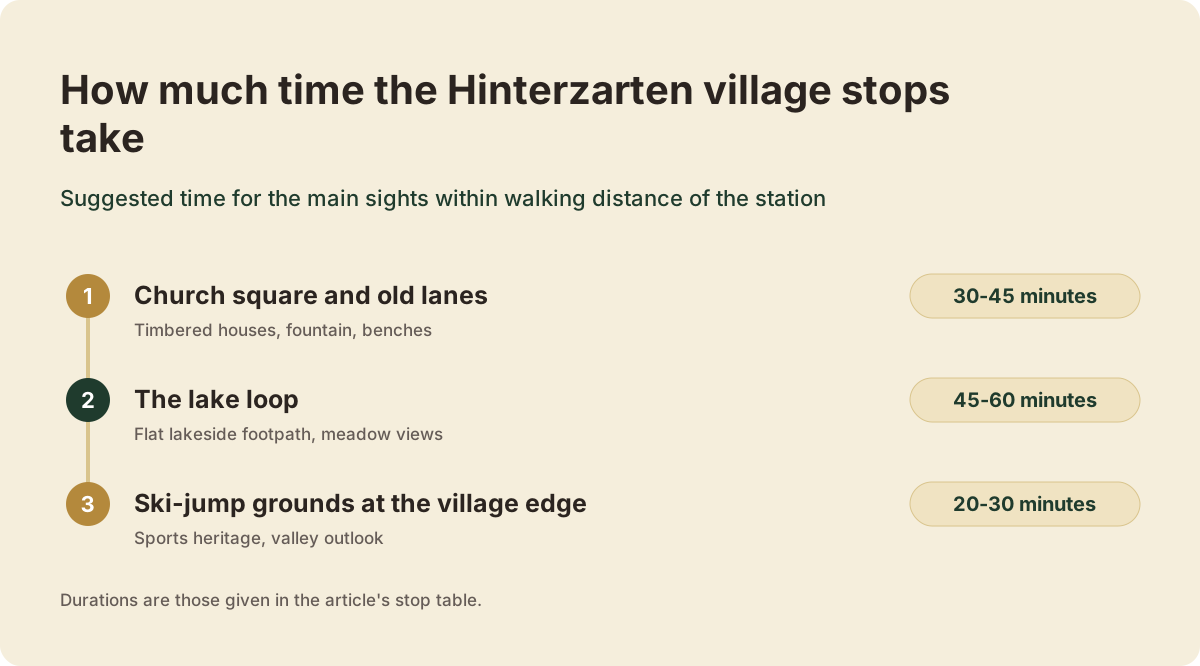
| Stop | Character | Time needed |
|---|---|---|
| Church square and old lanes | Timbered houses, fountain, benches | 30-45 minutes |
| The lake loop | Flat lakeside footpath, meadow views | 45-60 minutes |
| Ski-jump grounds at the village edge | Sports heritage, valley outlook | 20-30 minutes |
| Valley footpaths toward neighboring hamlets | Quiet farmland and forest edges | As long as you like |
For anyone who finds a free-form village day slightly too loose, or who wants a structured experience either side of the train ride, there are guided and self-guided options picked below. The three selected range from a low-cost self-guided hunt through Freiburg's streets to a wine hike in the surrounding hills, with an evening city walk in between.
Back In Freiburg: Evening Options After A Forest Day
Most day-trippers are back in Freiburg by late afternoon, which leaves the evening free. The old town's taverns begin a short walk from the station, and the city runs a set of guided evening walks, from a roughly two-hour look at the historic red light district (from $26) to a four-hour pub crawl with drinks included (from $51).
The return train tends to land you in the city with an appetite and a couple of daylight hours to spare. That window is where Freiburg earns its keep as a base: the Münster's tower climb runs until late afternoon on most days at €5 for adults, the Augustinerplatz terraces fill with students once the sun drops behind the rooftops, and the old town is compact enough that a post-train wander needs no planning at all.
For travelers who want the evening narrated rather than self-directed, the darker corner of the city's history has its own guided format. The Red Light District City Tour runs about two hours, is rated 4.2 across 22 reviews, and starts from $26; it walks the streets where Freiburg's historical tolerance and its modern troubles overlap, and it is a markedly different register from the meadows you left an hour earlier. Small review pools like this one describe a niche experience rather than a mass-market one, which is either the appeal or the reason to skip it.
The same is true of the pub crawl format: about four hours, rated 4.4 across 107 reviews, from $51 with drinks included. It suits a different traveler and a different night, and it is easy to find on the same listings once the forest day is done.
One quiet note on the walk home: Freiburg reported a 6% drop in recorded crimes in 2025 according to recent reporting, and it is no longer the highest crime-rate city in Baden-Württemberg. That does not change basic street sense anywhere, but it is fair context for travelers weighing an evening out after a day in the hills.
Hiking And Winter Sports Near Hinterzarten
The serious terrain starts where the village ends. Feldberg, the highest mountain in the Black Forest, sits in the next valley over and is reachable by train and connecting bus, and its Bismarck monument reopened after renovation work finished around August 2025. In winter the same slopes become the region's main ski ground, with announced plans to rebuild what is described as the world's oldest ski lift as a working attraction.
Hinterzarten's valley floor is gentle, but it is ringed by proper hills, and the trail network links the village to its taller neighbors on paths that range from pram-friendly to properly steep. The classic day-trip ambition from here is Feldberg, covered in depth in the Feldberg summit and ski guide; the connections work well enough that combining a morning in Hinterzarten with an afternoon on the Feldberg massif is a realistic plan rather than a heroic one.
The completed Bismarck monument renovation matters to hikers because the monument sits on one of the standard Feldberg viewpoints, and scaffolding-free photos are finally possible again. The ski-lift project matters differently: reported by regional press in December 2025, it aims to reconstruct a historic lift as a working piece of heritage rather than a museum piece. Neither project is a reason to change a day trip by itself, but both shift what the summit area looks like, and the lift plan will reshape the winter offer in coming seasons.
| Outing | Terrain | Season |
|---|---|---|
| Village lake loop | Flat, gravel and grass paths | All year |
| Valley paths toward Titisee direction | Gentle rolling farmland | All year |
| Feldberg ascent from the area | Steep sections, rocky near the top | Late spring to autumn |
| Cross-country trails around Hinterzarten | Groomed winter loops | Snow season |
| Feldberg downhill ski ground | The region's main lift-served slopes | Winter |
Winter deserves its own sentence, because it is the season the village was built for. When snow settles, the ski-jump culture stops being a backdrop, the cross-country loops open through the meadows, and Hinterzarten becomes a base for the Feldberg ski area described in the same Feldberg guide. The Titisee lake guide next door covers the lake in every season, including the year-round swimming questions travelers ask about it.
Where To Eat On A Hinterzarten Day Trip
Expect Badische basics rather than destination dining: ham and sausage, onion tart, trout, soup with pancake strips, and a proper slice of cherry-and-cream cake at mid-afternoon. Village cafés carry the lunch window; if you would rather eat big in the city afterward, Freiburg holds five one-star restaurants in the 2026 Michelin Guide, from Jacobi's modern cooking to the classic French Colombi Zirbelstube.
Lunch in the village is a two-act structure. The first act is savory: the Badische pantry shows up as cured ham with fried potatoes, onion tart in quiche form, or local trout, and portions are honest rather than dainty. The second act is the cake window, where Black Forest gateau in its home region needs no introduction and gets none. Restaurant kitchens in small villages close mid-afternoon, so treat lunch as the anchor of the day rather than a movable feast; the cafés fill the gap until early evening.
The wine question in this part of the country splits two ways, and both are good. Baden's own vineyards, covered in the site's Baden wine guide, sit an hour's train ride from the valley, and the Markgräflerland and Kaiserstuhl estates pour into village lists all over the hills. The wine bars back in Freiburg have deepened lately too: a new Trotte wine bar opened around August 2026 in Fischerau with roughly 400 wines on the list, twelve of them by the glass, and Ludvigs opened as the region's first standing-wine tavern format after a long renovation. Between the two cities of Black Forest and Baden wine, an evening in Freiburg can easily turn oenological.
For travelers who want the wine story told rather than self-served, the guided option worth naming is the Veni, Vidi, Vino wine hike and tasting: about 2.5 hours, rated 4.4 across 167 reviews, from $79, walking vineyard paths with tastings along the way. It pairs naturally with a forest day, one half of the day in the pines and the other half among the vines, and it is bookable for the day after the village trip as easily as for the same evening. Check availability
Sample Day Plan And What It Costs
A comfortable shape is the morning train out, a lake loop before lunch, a long village lunch with cake, an afternoon walk or a ride onward toward Titisee, and a return before dark. Costs are modest at the village end: the big figures are the Deutschlandticket at €63.00 per month, the RVF Welcomekarte at €27.00 for three days including the Schauinslandbahn, and whatever guided extras you bolt on in USD.
The plan below assumes no car and no fixed agenda beyond the train times, which is how the village is best met. Times of day are deliberately loose: small-village rhythms reward slack, and the only genuinely fixed points are the lunch kitchen hours and the last comfortable train home.
| Time | Plan |
|---|---|
| Morning, from Freiburg | Coffee at the Hauptbahnhof, then the regional train up the valley |
| Mid-morning | Church square, old lanes, then the lake loop |
| Midday | Long village lunch, unhurried |
| Early afternoon | Cake window, then valley footpath or onward train |
| Late afternoon | Return toward Freiburg with daylight to spare |
| Evening | Old town wander, tower or tavern, or a guided walk |
For travelers who like a spine of structure under a loose day, the self-guided scavenger hunt format is the cheapest way to add one, and Freiburg's version runs about three hours, is rated 4.9 across 15 reviews, and starts from $45, turning the city's old town into a puzzle trail. It fits either the evening of the village day or a spare morning before departure, and it needs nothing but a phone and comfortable shoes.
A quick budget summary in plain numbers, keeping euros and dollars firmly separate as always. The transport side is where the choices live, and for anyone doing more than one Black Forest day from a Freiburg base, the monthly ticket and the three-day Welcomekarte are the two products that change the arithmetic. If the Schauinsland cable car is also on the list, note its autumn closure from 16 November to 4 December 2026 when timing a multi-day plan.
| Item | Figure | Notes |
|---|---|---|
| Deutschlandticket | €63.00/month | Regional trains, trams and buses nationwide |
| RVF Welcomekarte | €27.00/3 days | Includes the Schauinslandbahn and a culture bonus |
| Village lunch and cake | Varies by appetite | Café prices, paid in euros |
| Freiburg Münster tower climb | €5 adults | If the evening includes the tower |
| Guided red light district walk | From $26 | About 2 hours, 4.2 across 22 reviews |
| Wine hike and tasting | From $79 | About 2.5 hours, 4.4 across 167 reviews |
| Self-guided scavenger hunt | From $45 | About 3 hours, 4.9 across 15 reviews |
With the plan drawn and the tickets understood, the three experiences picked for this guide cover the three natural add-ons to a Hinterzarten day: the city's dark-history walk, the vineyard hike, and the self-guided puzzle trail. Each is bookable on the operator's live listing with terms shown before payment.
Common Questions About Hinterzarten
Is Hinterzarten worth a day trip from Freiburg?
Yes, for travelers who want a quiet Black Forest village rather than a resort town. The same rail line serves Titisee, which draws the crowds; Hinterzarten keeps the meadows, the church square and the lake without the lakeside bustle. It suits walkers, families and anyone using the village as a gentle base for Feldberg.
How do I get to Hinterzarten without a car?
Take the regional train from Freiburg Hauptbahnhof toward Titisee; the line climbs through the valley and Hinterzarten is a stop on it. A Deutschlandticket at €63.00 per month covers regional trains nationwide, or buy a point-to-point return. Check the live timetable first, as the line has had temporary engineering closures with replacement buses on several 2026 dates.
When is the best time to visit Hinterzarten?
Late spring through early autumn for walking, snow season for the ski-jumping culture and cross-country loops. The village sits high in the hills, so summer days are milder than in Freiburg and winter is genuinely wintry. Avoid banking on precise train connections during maintenance periods, which are announced in advance.
Can I combine Hinterzarten with Titisee in one day?
Yes, easily, since both sit on the same line. A common shape is Hinterzarten in the morning for the village and lake, lunch in the village, then a short onward ride to Titisee for the lakefront before returning to Freiburg. The Titisee guide covers the lake in detail, including the swimming questions travelers ask about it.
What should I eat on a Hinterzarten day?
Badische staples: cured ham, onion tart, trout and soup with pancake strips, followed by a slice of Black Forest gateau at the cake window. Village kitchens close mid-afternoon, so make lunch the anchor meal. For the evening, Freiburg's own food scene, including its five one-star restaurants in the 2026 Michelin Guide, is a short walk from the station.