The Best Black Forest Towns To Visit From Freiburg
Freiburg sits on the western edge of the Black Forest, and the towns scattered through the hills are the reason most visitors stay longer than one day. This guide sorts the ones worth the train ride from the ones that only look good in photos, using verified fares, dates and figures.
Short answer
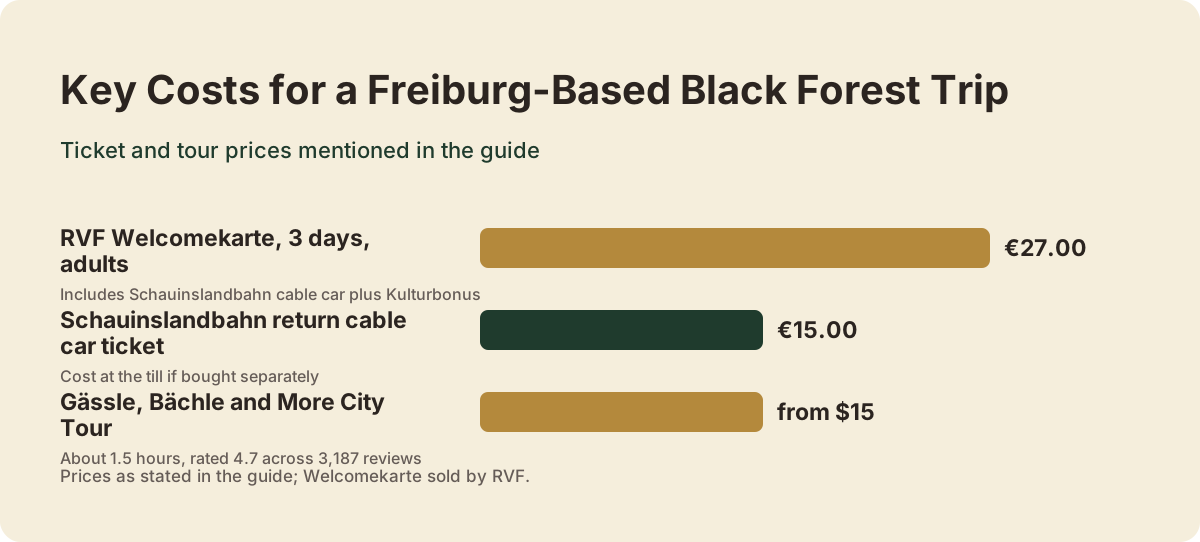
The best Black Forest towns from Freiburg are Titisee-Neustadt, Staufen, St. Peter, Triberg, Gengenbach and Bad Krozingen, all reachable by regional train or bus in under two hours. Freiburg itself is not a KONUS town, so visitors based there buy the RVF Welcomekarte at €27.00 for three days, which even includes the Schauinslandbahn cable car.
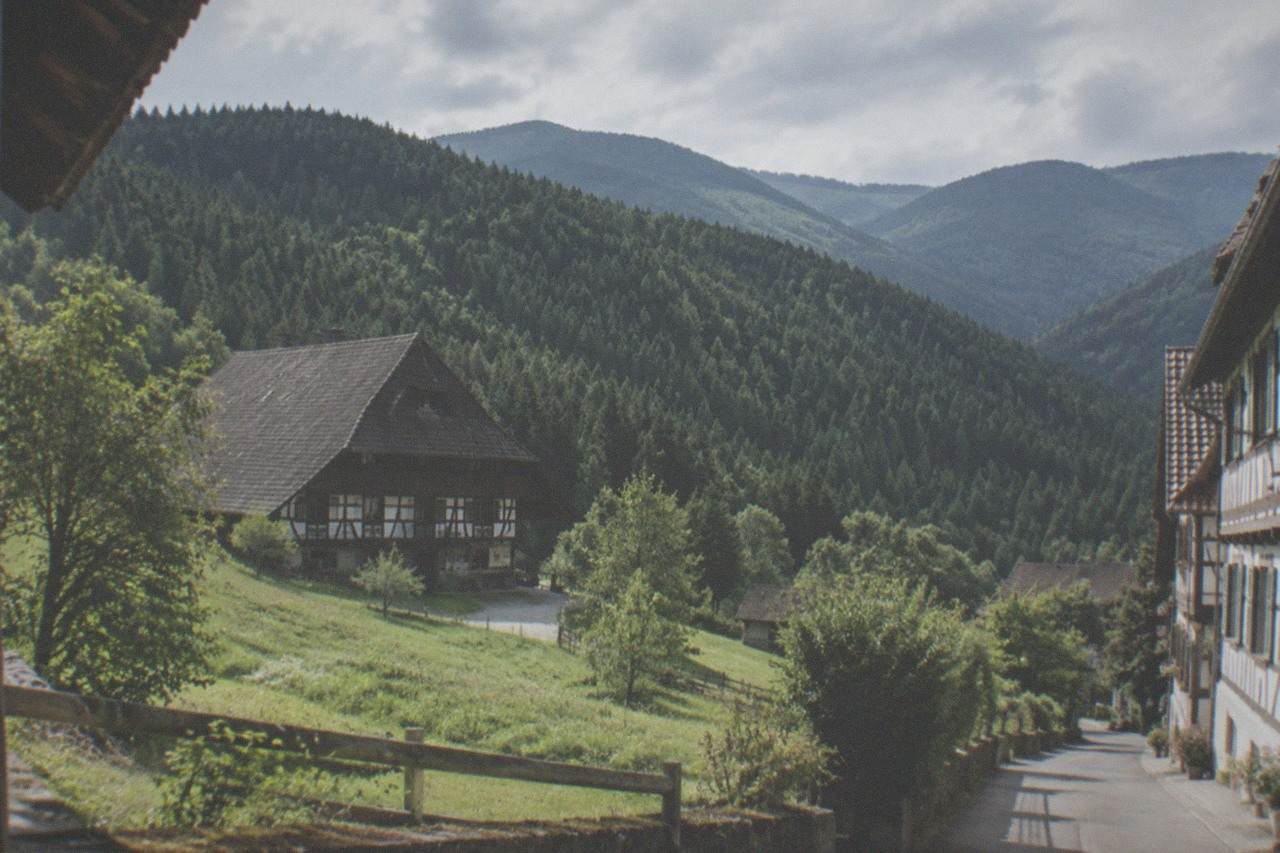
The Black Forest begins, in a real sense, at the edge of Freiburg's tram network. Walk up from the old town toward the Schlossberg and the hills close in fast, and within an hour by regional train you can stand in a completely different Germany: half-timbered farm towns, wine villages, waterfall trails and lakeside promenades. Most visitors do exactly one of these towns, photograph it, and go home. That is a mistake, because the towns differ from each other far more than the postcards suggest, and the train fares that connect them are low enough that the deciding factor should be time, not money.
This guide is written for someone based in Freiburg. It sticks to figures that are actually verified: RVF transport prices, cable car fares, museum admissions, event dates from official sources. Where a number is not verified, it says so instead of guessing, because the Black Forest is a region where blog copy has inflated distances, invented "typical" hotel prices and renamed entire towns for the sake of a headline.
Which Black Forest Towns Are Actually Worth The Train Ride?
Six towns earn a place on a Freiburg-based itinerary: Titisee-Neustadt, Staufen, St. Peter, Triberg, Gengenbach and Bad Krozingen. Titisee is the classic lake town, Staufen and Bad Krozingen sit in the vineyards closer to Freiburg, St. Peter holds the Baroque abbey church that defines the northern approach, Triberg has the waterfalls and cuckoo clock trade, and Gengenbach is the most intact old town of the group. All are reachable by regional train.
The honest hierarchy is this. If you have one day outside Freiburg, Titisee-Neustadt is the strongest single choice: a real lake, a genuine resort town around it, and a direct regional train connection. If you have two days, pair a wine town (Staufen or Bad Krozingen) with either St. Peter or the lake country. Triberg and Gengenbach sit further north and east, which makes them better as part of a loop toward the Black Forest High Road than as out-and-back day trips.
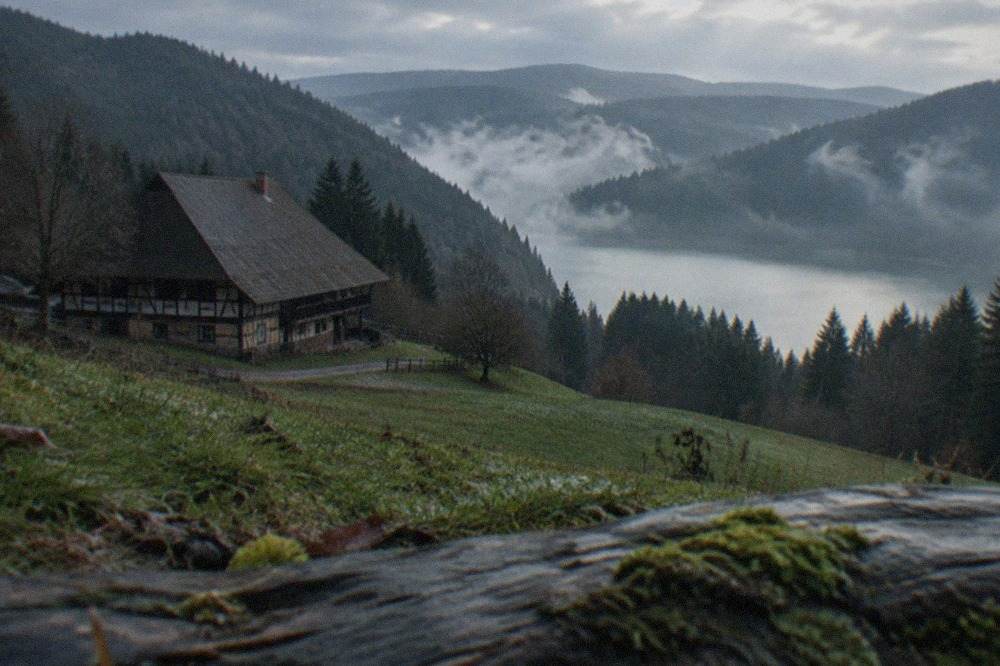
There is a filtering principle worth stating plainly. A town earns a slot for one of three reasons: a specific sight you cannot see elsewhere (Triberg's falls, St. Peter's abbey), a landscape you cannot reach from Freiburg on foot (Titisee's lake, the Staufen vineyard slopes), or a food and wine scene that beats the city (Staufen's Markgräfler Weinfest, the wine taverns of Bad Krozingen). A town with none of the three is a stop on a road, not a destination, and the region has several of those that get promoted anyway.
For a sense of how the towns compare on the basics, the table below pulls together what is actually documented rather than what a brochure claims:
| Town | Signature draw | Best for | Realistic visit length |
|---|---|---|---|
| Titisee-Neustadt | Lake Titisee promenade and swimming | Lake day, families, first-timers | Full day |
| Staufen | Old town plus Markgräflerland vineyards | Wine, half-timbered lanes, couples | Half to full day |
| St. Peter | Baroque abbey church and hilltop setting | Architecture, quiet, viewpoints | Half day |
| Triberg | Germany's highest waterfalls | Waterfalls, cuckoo clocks, hiking | Half to full day |
| Gengenbach | Intact medieval old town and gates | Photography, old-town atmosphere | Half day |
| Bad Krozingen | Thermal baths and spa culture | Rest day between hiking days | Half day |
One transport fact shapes all of this, and it is the single most misunderstood card in the region. Freiburg city is not a KONUS municipality, so a hotel stay in Freiburg does not hand you a free KONUS guest card. The towns listed above, several of them, are KONUS members: Kirchzarten, Horben, Titisee-Neustadt, Bad Krozingen, Staufen and St. Peter all appear in the official 2026 KONUS material. A card issued in one of those towns is valid on Freiburg's trams and buses during your stay. The official KONUS guest card page from Schwarzwald Tourismus sets out exactly which municipalities participate and what the card covers.
If you are sleeping in Freiburg, your product is the RVF Welcomekarte instead: three days, adults €27.00, covering regional buses and trains, and it includes the Schauinslandbahn cable car plus a Kulturbonus for cultural venues. That cable car inclusion alone is worth comparing, since a return cable car ticket costs €15.00 at the till.
How To String The Towns Together: Two Realistic Loops
The strongest two-day loop is Staufen and St. Peter on day one, Titisee-Neustadt on day two, both by regional train from Freiburg Hauptbahnhof. A second loop, for a third day or a longer stay, runs north to Triberg or Gengenbach, ideally combined with the Black Forest High Road rather than visited alone. Bus 7231 links Ringsheim station to Europa-Park if you want the theme park on the same northern swing.
Start with the southern loop because everything in it sits within roughly an hour of Freiburg. Day one, Staufen in the morning: the old town is small, a couple of hours covers the lanes, the market square and the castle ruin above it, and the Markgräflerland vineyards begin at the town edge. Move on to St. Peter in the afternoon, whose abbey church is the reason to make the climb. Day two belongs entirely to Titisee-Neustadt: the lake, the promenade, and if the season allows, the walk around the water.
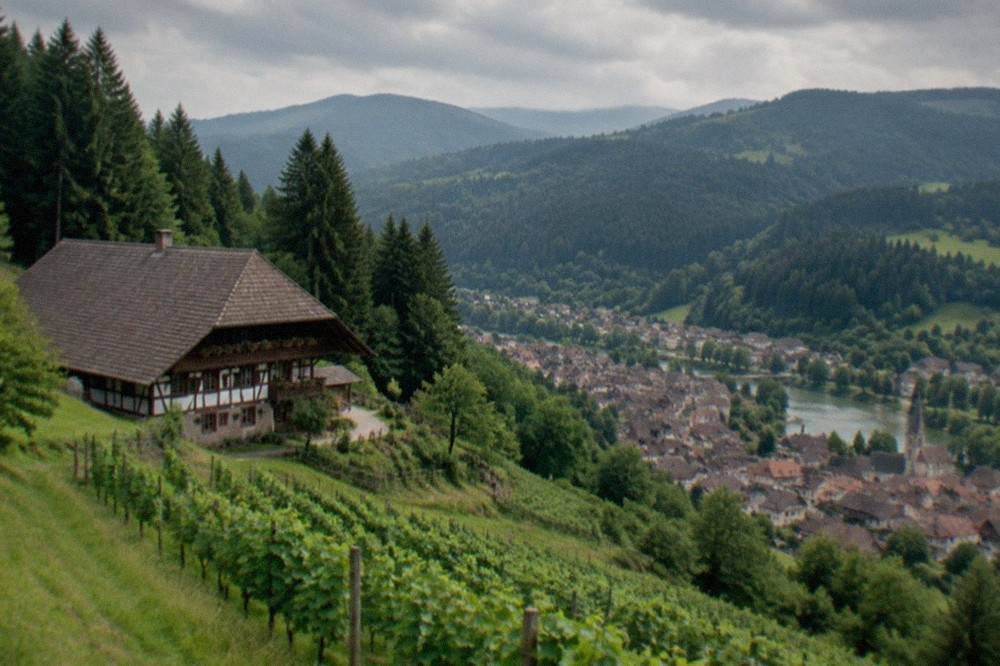
The northern loop is a different animal. Triberg and Gengenbach are further out, and the travel time each way eats into the day, which is why they work better stitched onto the High Road or onto an overnight in the northern Black Forest than as rushed day trips. If you only have a single day for the north, pick one town, not both.
Two temporary notes matter for anyone traveling in late 2026. The Rheintalbahn between Freiburg and Basel has had repeated weekend and full-section closures through 2026, with replacement buses between Freiburg and Basel, and early October 2026 carries another closure around the first weekend of the month. That line matters mostly for the southern towns and Basel itself. Separately, Freiburg Hauptbahnhof began a modernization on 14 September 2026 that runs until roughly December 2028: five new lifts in the northern underpass, renewed platforms 3 to 5, new roofs and lighting. The station stays open, but allow a few extra minutes when transferring.
For anyone building the trip around wine rather than hiking, the calendar gives you fixed anchors. The Markgräfler Weinfest in Staufen ran 31 July to 3 August in 2026, the Weinfest at Breisach for the Kaiserstuhl and Tuniberg ran 28 to 31 August 2026, and the KaiserHerbst tasting series spread from about 10 October to 8 November 2026 across the Kaiserstuhl. These are the dates that turn a pleasant town into a crowded, lively one, so check them against your own week before committing.
What Each Town Is Actually Known For
Titisee-Neustadt is the lake town, Staufen is the wine town, St. Peter is the abbey town, Triberg is the waterfall and clock town, Gengenbach is the intact old town, and Bad Krozingen is the spa town. Each one has a single clear identity, and the fastest planning mistake is treating them as interchangeable half-timbered scenery.
Titisee-Neustadt first, because it is the one most visitors already know. The lake is the attraction and it is a real one: a promenade, boat rentals in season, swimming water that actually gets used, and a forested backdrop. Can you swim in Lake Titisee is a question with a genuinely seasonal answer, and the DWD climate data below tells you when. The town around the lake is a resort town, openly commercial, and better for it.
Staufen is the connoisseur's choice. It sits in the Markgräflerland, the warm, vine-covered region that spills toward the Rhine, and the wine culture is the point rather than the backdrop. The old town climbs gently to a castle ruin, the lanes are narrow and genuinely old, and in late July and early August the Weinfest fills the streets.
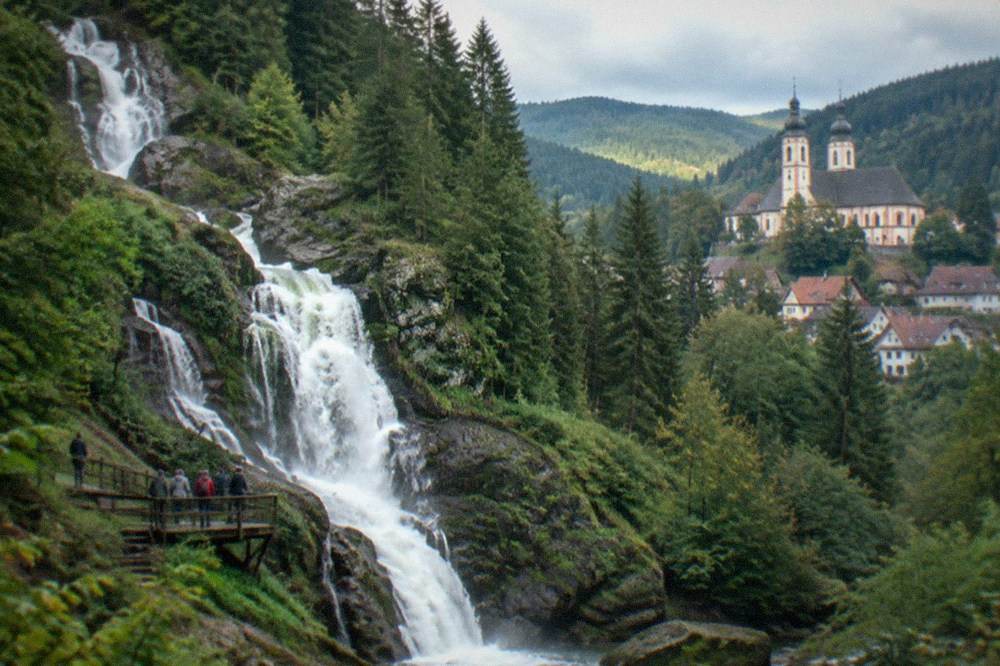
St. Peter is the quiet one. The abbey church here is one of the most complete Baroque interiors in the region, and the village around it exists at a slower tempo than anywhere else on this list. It is also a KONUS town, which matters if you are staying overnight rather than day-tripping, since the card issued there covers local buses through the whole stay.
Triberg is the trademark town. The waterfalls are among the highest in Germany and they are the reason the town exists in the tourist imagination. The cuckoo clock trade is real here, concentrated, and honestly a little overwhelming if you arrive expecting a sleepy village. Gengenbach is the better old town in the north, with gates and towers that survived more completely, and photographers do better there in the golden hour.
Bad Krozingen rounds out the list as the recovery day. Thermal baths, spa hotels, and a location close enough to Freiburg that you can go for a half day and be back for dinner. The nearby Michelin-starred restaurant Storchen appeared in the broader 2026 regional lists, though it sits outside Freiburg's own count of five starred restaurants.
For travelers who want the town experience but with a guide doing the talking, Freiburg itself has one of the most-reviewed walks in the region: the Gässle, Bächle and More City Tour, about 1.5 hours, rated 4.7 across 3,187 reviews, from $15. It covers the old town lanes and the little street-side water channels that give the city its character, and it is a sensible way to anchor the Freiburg end of the trip before heading into the hills.
When To Go: What The Climate Data Actually Says
The best months for the Black Forest towns are May, June and September, when the DWD 1991-2020 normals for Freiburg station show 206.8, 232.7 and 176.2 hours of sunshine respectively, with mean temperatures of 14.9°C, 18.3°C and 15.4°C. July and August are warmer but carry the wettest months of the year. December belongs to the Christmas markets, not the trails.
This is where planning by postcard fails people. The Black Forest is a rain-catching hill range, and the numbers behind the towns bear it out. The table below is the official DWD 1991-2020 normal period for station 1443, the station that covers Freiburg and its immediate surroundings, and while the high towns run a degree or two cooler, the pattern is the same.
| Month | Mean temp | Rain | Sunshine hours | Days at 30°C or above |
|---|---|---|---|---|
| Jan | 2.5°C | 48.6 mm | 64.7 h | 0 |
| Feb | 3.5°C | 49.1 mm | 91.8 h | 0 |
| Mar | 7.0°C | 54.3 mm | 146.8 h | 0 |
| Apr | 10.8°C | 63.8 mm | 182.2 h | 0 |
| May | 14.9°C | 103.4 mm | 206.8 h | 0.8 |
| Jun | 18.3°C | 89.8 mm | 232.7 h | 4.0 |
| Jul | 20.1°C | 92.2 mm | 252.2 h | 7.3 |
| Aug | 19.7°C | 83.3 mm | 234.4 h | 7.0 |
| Sep | 15.4°C | 77.4 mm | 176.2 h | 0.6 |
| Oct | 10.9°C | 78.5 mm | 116.2 h | 0 |
| Nov | 6.1°C | 66.2 mm | 66.6 h | 0 |
| Dec | 3.4°C | 66.9 mm | 56.3 h | 0 |
Two readings of that table are worth carrying into your planning. First, May is the wettest month on the normals at 103.4 mm, which surprises people who think of spring as the dry season here; June is actually drier than May despite being warmer. Second, the September shoulder combines 176.2 hours of sunshine with the lowest rainfall of the warm half of the year at 77.4 mm, which is why hikers and wine travelers quietly prefer it.
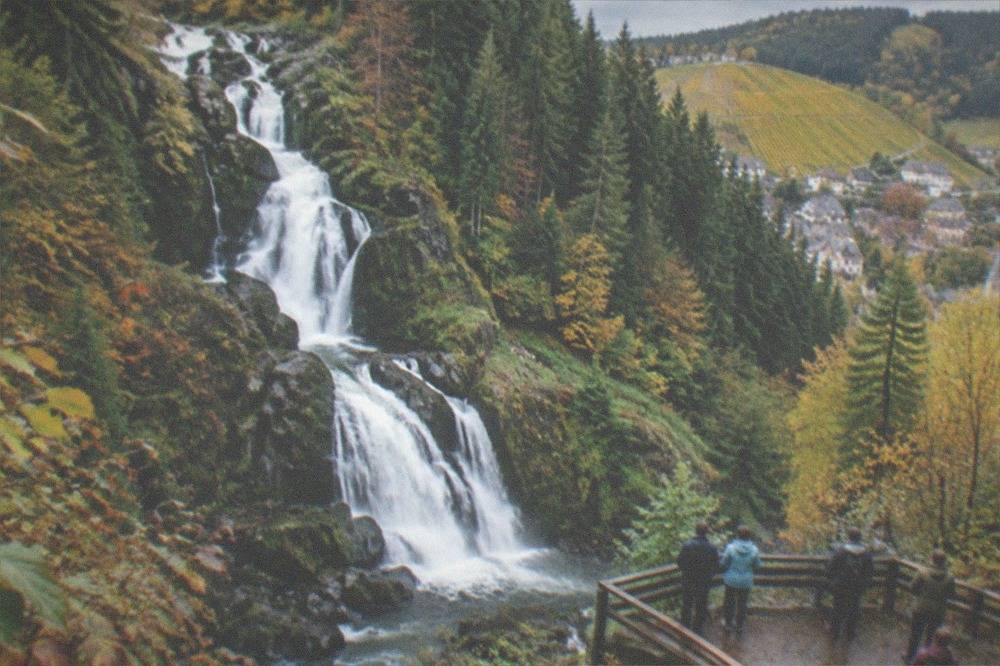
If the forecast for the hill towns turns wet on the day you had circled, the fallback is a Freiburg old-town plan rather than a wasted day: the Italian-language private tour threads the same lanes and squares the wine and lake towns only echo, and it runs regardless of what the DWD normals above say about that particular week.
Winter is a separate product. The Freiburg Christmas market runs 19 November to 23 December 2026, with opening on 19 November from 14:00, weekdays 10:00 to 20:30, Sundays 11:30 to 19:30, closed on Totensonntag (22 November), and the final day on 23 December running until 19:30. More than 120 stands spread across Rathausplatz, Kartoffelmarkt, Unterlindenplatz, Franziskanerstraße and other Altstadt locations, and entry is free. The official Christmas market site carries the current stand map. The seasonal fairs matter too: the Freiburger Herbstmess ran 16 to 26 October in 2026, and the 2027 dates are already fixed at 14 to 24 May and 15 to 25 October.
Summer brings the lake festivals. The Sea You Festival at Tunisee ran 17 to 19 July 2026 with roughly 70,000 expected attendees, a new water stage directly on the lake and redesigned main stages, and a dedicated shuttle service, which is a reason to book Titisee accommodation very early or avoid that weekend entirely. The Zelt-Musik-Festival at Mundenhof ran 15 July to 2 August 2026, its 42nd edition, and the Freiburg Weinfest set a visitor record with about 110,000 guests across six days in early July 2026, with 2027 dates announced for 1 to 6 July.
Getting Between The Towns Without A Car
You do not need a car. A single RVF zone 1 ticket costs €3.00 (€2.70 on a smartphone), day tickets run €7.20, €10.90 and €14.30 for one, two and three zones, and the Deutschlandticket is €63.00 per month for unlimited second-class regional travel, which pays for itself on any stay built around wide day loops. The Welcomekarte at €27.00 for three days adds the Schauinslandbahn.
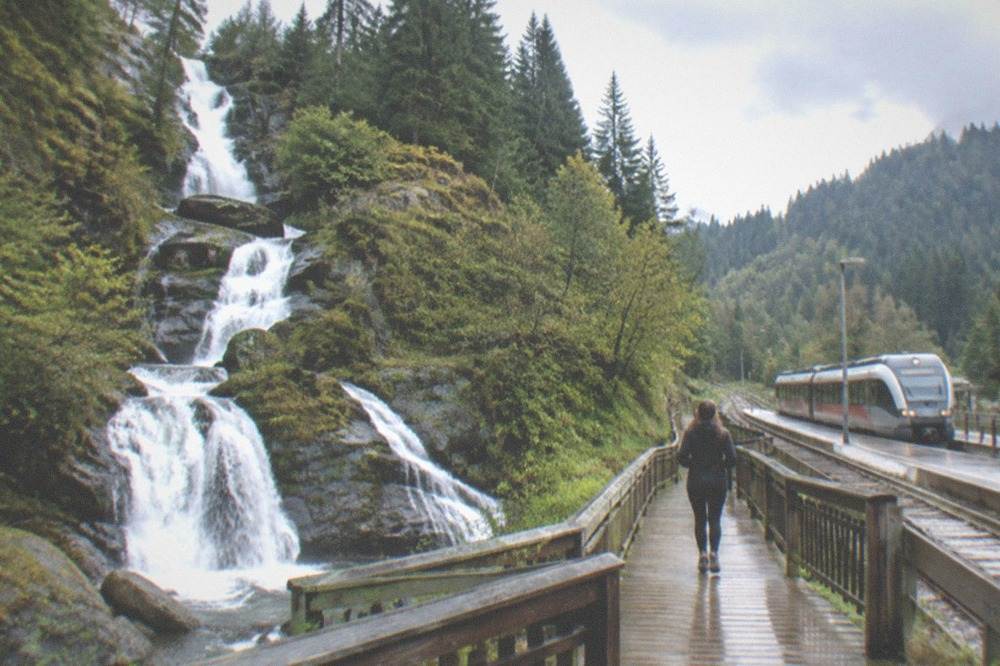
The train is the backbone. Freiburg Hauptbahnhof sits on the Rheintalbahn corridor with direct regional services toward the towns south and east, and the Höllentalbahn line climbs toward the high Black Forest and Titisee. The exact rail time from Freiburg to Titisee varies by service and should be checked against the live timetable rather than quoted as a fixed figure; the connection is direct and simple, but minutes vary by departure.
| Ticket | Price | What it covers | Best for |
|---|---|---|---|
| RVF single, zone 1 | €3.00 (€2.70 smartphone) | One journey within the zone | Quick trips close to the city |
| RVF day ticket, 1 zone | €7.20 | Unlimited same-day travel in zone 1 | Staufen or close wine towns |
| RVF day ticket, 3 zones | €14.30 | Three-zone same-day travel | Wider day loops |
| Welcomekarte | €27.00, 3 days | Buses and trains plus Schauinslandbahn and Kulturbonus | Visitors sleeping in Freiburg |
| Deutschlandticket | €63.00 per month | Unlimited regional second-class travel nationwide | Stays of ten days or more |
The Welcomekarte math is straightforward and worth doing once. Three separate one-zone day tickets cost 3 × €7.20 = €21.60, and the cable car alone costs €15.00 return, so the two together come to €36.60 against the card's €27.00. If you plan one cable car day plus two transit days, the card saves you money; if you will ride the trams only twice, single tickets win. Three three-zone day tickets total €42.90, which makes the card a clear saving at €15.90 less for anyone roaming wide.
The Deutschlandticket is the sleeper option. At €63.00 per month, and note that €63.00 is the current figure, not the older €58 price that still circulates in outdated guides, it beats the Welcomekarte the moment your trip runs long enough for the monthly price to make sense against a stack of day tickets. There is also a JugendBW variant at €45 for young travelers, per the RVF tariff adjustment that took effect 1 January 2026.
Two more transport notes from the current picture. The VAG fleet in Freiburg is now about two-thirds electric after 22 new e-buses arrived in October 2025, bringing the total to 45, and the December 2025 schedule change added trips on several lines. And the Schauinslandbahn, the cable car that lifts you to the Schauinsland summit and is included in the Welcomekarte, runs daily 09:00 to 17:00, with its autumn overhaul closure set for 16 November to 4 December 2026 covering both the cable car and the mountain restaurant. The official operating-times page is the source to check before you build a summit day into the itinerary, and the same page lists a spring 2027 closure of 22 February to 19 March.
What A Freiburg Base Adds To The Trip
Basing in Freiburg gives you a walkable old town, a top-tier food scene and a transport hub at the foot of the hills, so the towns become day trips instead of hotel changes. Freiburg recorded 1,010,708 arrivals and 2,130,785 overnight stays in 2025 across establishments with at least ten beds, and international overnights rose 3.1 percent, which tells you the base-town strategy is what most visitors now choose.
The city deserves its own half day before you leave it. The Freiburg Minster's west tower stands 116 m, though the visitor climb reaches a gallery at 70 m, with adults paying €5, children and teens €3, families €13, and under-7s free; the tower opens Monday to Saturday 11:00 to 16:00 and Sundays and holidays 13:00 to 17:00, and the top gallery closes in winter. The Münstermarkt next door runs up to 130 stalls, Monday to Saturday, from 07:30. The Augustinermuseum, fully reopened on 28 February 2026 after more than twenty years of phased renovation, charges €12 with a day ticket valid across the city museums and free entry for under-27s. Our guide to Freiburg's old town lays out the full walk, and our minster guide covers the climb and what the restoration scaffolding currently hides.
The base-town pattern also changes how you eat. Freiburg holds five Michelin-starred restaurants in the 2026 guide, Jacobi, Zur Wolfshöhle, the Colombi Zirbelstube, Hawara and Eichhalde, and the tavern scene gained a new Stehausschank, Ludvigs, after seven months of conversion, plus a Trotte wine bar with around 400 wines on the list that opened in Fischerau. The Freiburg food guide maps the practical end of that scene. In the towns themselves, expect simpler fare: onion tart at wine festivals, trout from the streams, Black Forest ham, and cake that is a genuinely regional product rather than a souvenir. Our Black Forest cake guide and our Baden wine guide go deep on both.
One note on where the hills themselves fit. The Eugen-Keidel-Turm on the Schauinsland summit reopened in April 2025 after a long sanitation closure, per recent reporting, and the Museum-Bergwerk Schauinsland ran its 2026 season from 4 April to 1 November with guided tours on Wednesdays, Saturdays, Sundays and holidays, daily in July and August. For travelers who like wine with their walking, the Veni, Vidi, Vino wine hike runs about 2.5 hours from $79, rated 4.4 across 167 reviews, and it pairs the two things the region does best.
For Italian-speaking travelers, the private tour option deserves a specific word, since language access in the small towns is thin. The Private Tour in Italian in Freiburg im Breisgau runs 1 h 10 m to 1 h 30 m, from $52, with 6 reviews, too few for a star claim, and it is the one roster option that delivers the Freiburg half of the trip in Italian rather than English. Check availability on the operator's live listing to confirm the schedule for your dates.
The Freiburg Travel Guide base covers the rest of the region in depth: the Black Forest overview, the High Road, and town-specific pages for Titisee, Triberg, Gengenbach, Staufen, St. Peter and Bad Krozingen each carry their own detail. If your dates fall in the Christmas window, the Christmas show walk with Betty BBQ runs about 1 h 10 m from $44 and adds a seasonal angle most visitors never hear about.
Common Questions About Black Forest Towns
Which Black Forest Towns Are Closest To Freiburg?
Staufen, Bad Krozingen and Titisee-Neustadt are the closest of the named towns, all within roughly an hour by regional train, and St. Peter, Kirchzarten and Horben sit even nearer as immediate neighbors of the city in the hills. Triberg and Gengenbach are further north and better suited to a loop than a day trip.
Do I Get A Free Transport Card When Staying In Freiburg?
No. Freiburg city is not a KONUS municipality, so a Freiburg hotel stay does not include a KONUS guest card. Visitors based in Freiburg buy the RVF Welcomekarte at €27.00 for three days, which covers regional buses and trains and includes the Schauinslandbahn. A KONUS card issued in a member town such as Titisee-Neustadt, Staufen, Bad Krozingen or St. Peter is valid on Freiburg's trams and buses during your stay.
Can You Visit The Black Forest Towns Without A Car?
Yes. The main towns sit on regional rail lines out of Freiburg Hauptbahnhof, day tickets start at €7.20 for one zone and €14.30 for three zones, and the Deutschlandticket at €63.00 per month covers unlimited second-class regional travel for longer stays. Buses fill the gaps, including bus 7231 between Ringsheim and Europa-Park.
What Is The Best Month To Visit The Black Forest Towns?
September combines 176.2 hours of sunshine with just 77.4 mm of rain on the 1991-2020 climate normals, making it the best overall month. June is drier than May despite being warmer, July is the sunniest month at 252.2 hours but carries 92.2 mm of rain, and December belongs to the Christmas markets, with the Freiburg market running 19 November to 23 December 2026.
Is Europa-Park Worth Adding To A Black Forest Towns Trip?
Europa-Park sits about 36 to 40 km from Freiburg by road, reachable by train to Ringsheim and then bus 7231. Adult one-day tickets use dynamic pricing running from €59.50 as the lowest online price to €76.00 as the fixed voucher price, with on-site prices typically about €10 higher, so buy online and check the date before you commit. A combined transport-and-entry product runs from $127 per person.