Freiburg Vs Colmar: Which City Should You Visit On Your Trip?
Freiburg and Colmar sit under two hours apart across the Rhine, and travelers constantly ask which one deserves the stay. This guide compares the two cities honestly, from transport and ticket prices to wine, food and festival timing, and explains how to see both.
Short answer
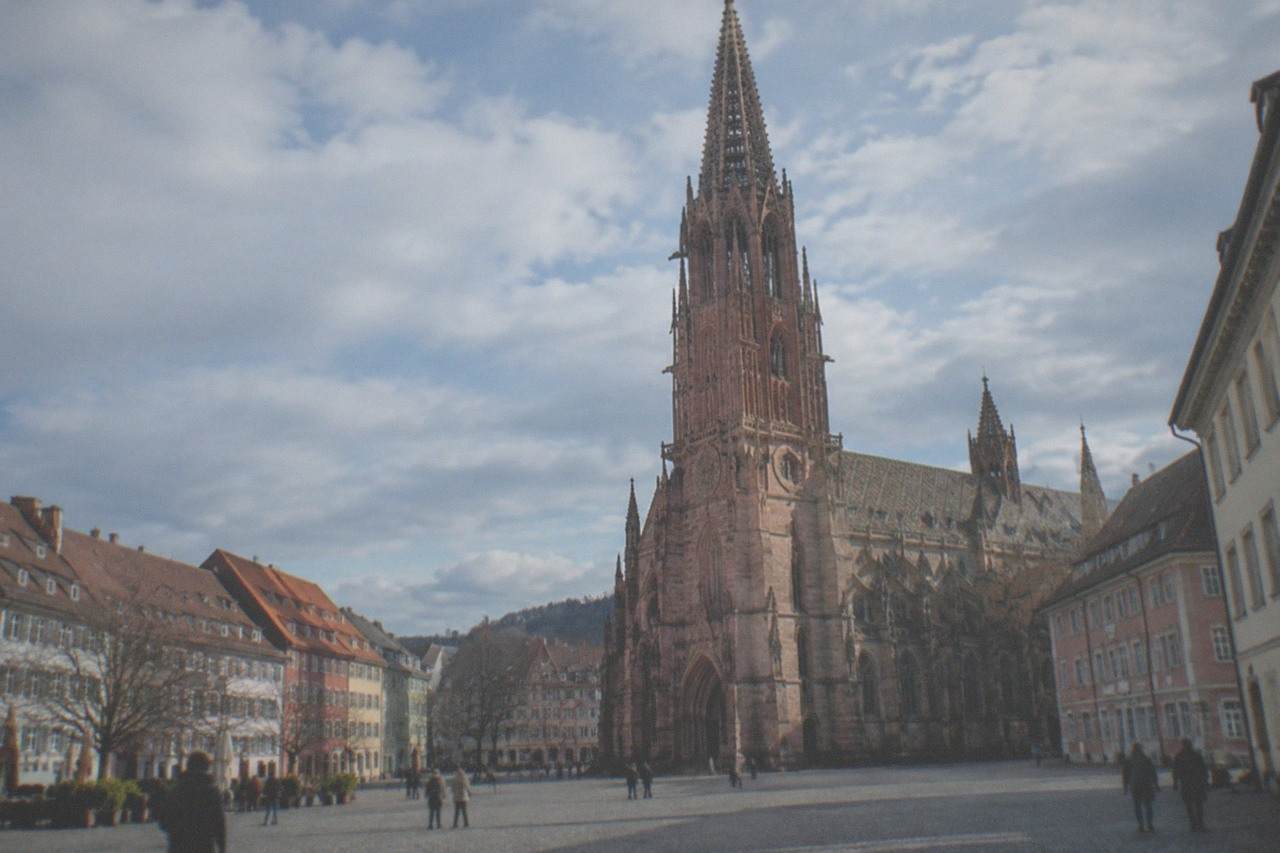
Freiburg is the better base: a German university city of 237,299 people with a Gothic minster, a free old town and the Black Forest on the doorstep. Colmar is the better single showpiece day trip, a compact Alsatian old town of canals and half-timbered lanes. Most travelers should sleep in Freiburg and cross to Colmar for a day.
Freiburg Vs Colmar: Which City Should You Visit On Your Trip?
Freiburg and Colmar are the two most photogenic small cities on either side of the Upper Rhine, and travelers planning a Black Forest or Alsace trip almost always end up weighing one against the other. One is a German university town of 237,299 people, with a red-sandstone minster at its heart. The other is an Alsatian wine town whose old center looks like a film set of half-timbered houses and flower-lined canals.
The honest answer is that the comparison is not really either-or. The two cities are close enough that a visitor sleeping in Freiburg can spend a full day in Colmar and be back for dinner, and many people do exactly that. But the cities serve different purposes in an itinerary, they feel completely different after dark, and they cost different amounts to enjoy slowly. This guide from Freiburg Travel Guide breaks the decision down with real figures so you can plan around facts rather than postcard impressions.
Which City Fits Your Trip Better: Freiburg Or Colmar?
Choose Freiburg as your base if you want a living city with a Gothic minster, 24,507 university students keeping cafés and bars busy, trams that run deep into the night, and the Black Forest an easy excursion away. Choose Colmar as a day trip if your priority is a compact, intensely pretty historic core, Alsatian wine tasting on foot, and French restaurant culture. Freiburg rewards three or four days; Colmar rewards one long day and an early dinner.
The two cities overlap less than their postcards suggest. Freiburg's charm is structural: the Münster, the Bächle gutters running along the streets, the two surviving medieval gates, and a green, bike-heavy way of life. Walking, cycling and public transport together account for 76% of all trips made in the city as of 2023, up from 67% in 2017, a figure that shows up everywhere in the form of full bike lanes, the Frelo share bikes and trams that locals actually ride rather than tolerate.
Colmar's charm is concentrated. Its old town, including the canal-side quarter known as La Petite Venise, is small enough to cross on foot in half an hour, and almost everything a visitor wants sits inside it. Freiburg's attractions are more spread out, from the Augustinerplatz terrace to the Schlossberg hill above the town, which means more walking but also more sense of a real city going about its business around you.
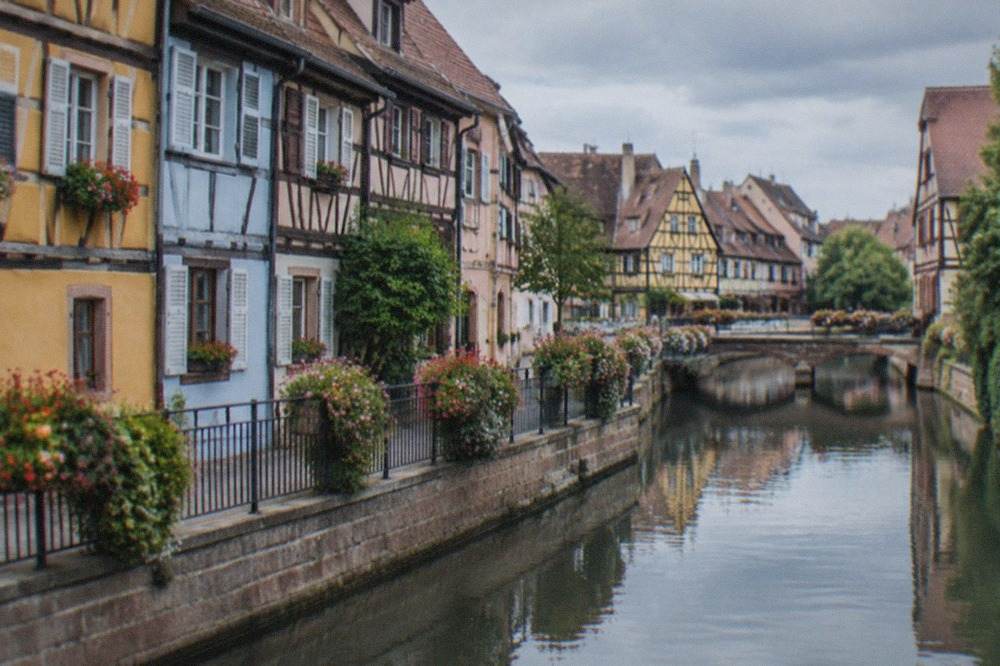
A useful shorthand: Colmar is a place to look at, Freiburg is a place to live in for a few days. That is not a slight on Colmar, whose old town is arguably the most beautiful single ensemble in the whole Rhine region. It is simply a fact about scale. After two days in Colmar you have seen the old town several times over; after two days in Freiburg you have not yet climbed the Schlossberg, visited the Augustinermuseum or taken the cable car up the Schauinsland.
How The Two Cities Feel On The Ground
Freiburg feels like a mid-sized German university city with a historic core embedded in it: busy, a bit gritty at the edges, cheap to eat in, full of students on bikes. Colmar feels like a preserved museum piece with a modern town wrapped around it: quieter, more polished, more expensive per meal, and dramatically quieter after the day visitors leave. Neither feeling is better; they just suit different trips.
The demographic reality drives much of this. Freiburg's university was founded in 1457, and the winter semester of 2025/26 enrolled 24,507 students in a city of 237,299. That ratio produces an outsized café, bar and brewery scene, late-opening food spots and a nightlife district around the old town that has no equivalent in Colmar. Colmar, by contrast, empties noticeably once the tour buses clear out in the late afternoon, and the evening belongs to restaurant diners.
Price behavior differs too. Freiburg sits in Baden, one of Germany's more affordable regions for eating out, and a Münstermarkt lunch from a market stall remains a genuinely cheap meal. The market runs Monday to Saturday from 07:30 to 13:30 on weekdays, with up to 130 stalls, and closing around 14:00 on Saturdays. Colmar's old-town restaurants trade on setting as much as food, and Alsatian classics in the prettiest lanes price accordingly. Neither city is expensive by Paris or Munich standards, but a day of grazing in Colmar costs more than a day of grazing in Freiburg.
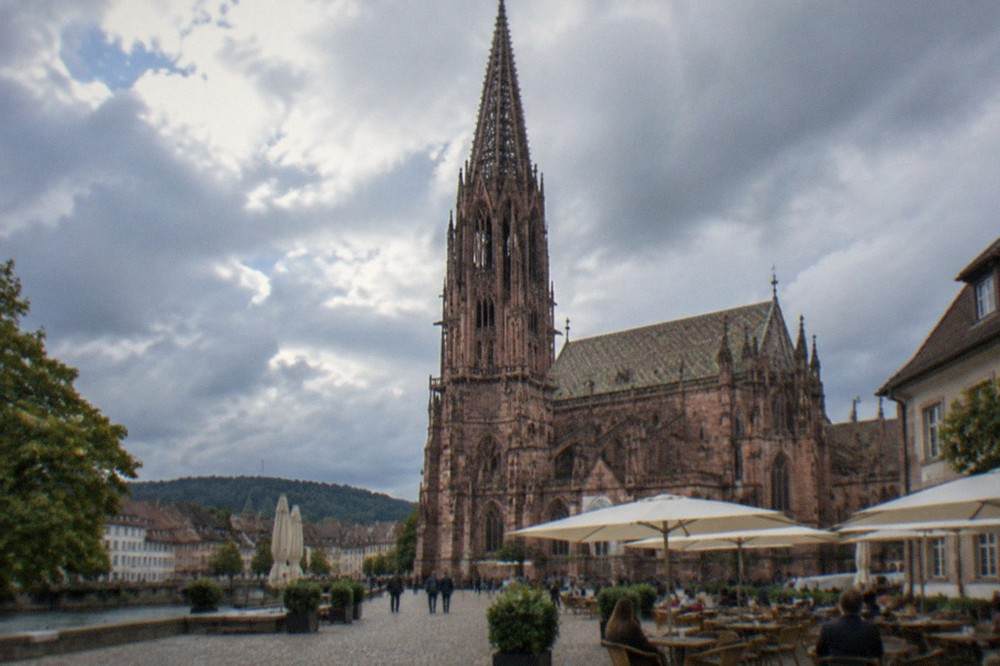
The seasons flip the comparison in one specific way: winter. Freiburg's Christmas market runs from 19 November to 23 December 2026, spread across Rathausplatz, Kartoffelmarkt, Unterlindenplatz, Franziskanerstraße and other Altstadt locations. Colmar also runs a celebrated Christmas market with its own fairy-light canals. Both are excellent; Freiburg's is bigger, Colmar's is more concentrated and arguably more romantic, and our guide to spending winter in Freiburg covers the German side in detail.
Getting Between Freiburg And Colmar
The two cities are linked by direct cross-border regional trains via the Rhine crossing at Breisach, a route you can ride with a normal regional ticket and no reservation. A day trip in either direction is easy and does not require a car; driving is also straightforward, roughly an hour each way on fast roads. Cross-border engineering works sometimes replace trains with buses on weekends, so check the timetable the day before.
The rail route is the practical spine of this whole comparison. Regional trains connect Freiburg and Colmar through Breisach, where the line crosses the Rhine, and the journey is short enough that many Freiburg locals treat Colmar as a Saturday destination the way a big-city resident treats a neighboring district. You do not need any special cross-border ticket: a standard regional fare covers the whole route, and French and German regional trains accept each other on this corridor.
One warning worth planning around: the Rhine valley rail network is mid-way through a years-long expansion, and closure weekends with replacement buses are a recurring pattern in 2026, including block closures on the Freiburg to Basel section in early October 2026. Colmar-bound trains via Breisach are a different line, but works ripple across the region on weekends. Check the live timetable a day ahead, especially for Sunday returns, and treat any quoted rail minutes you see on a forum with caution; the exact timing depends on the connection at Breisach.
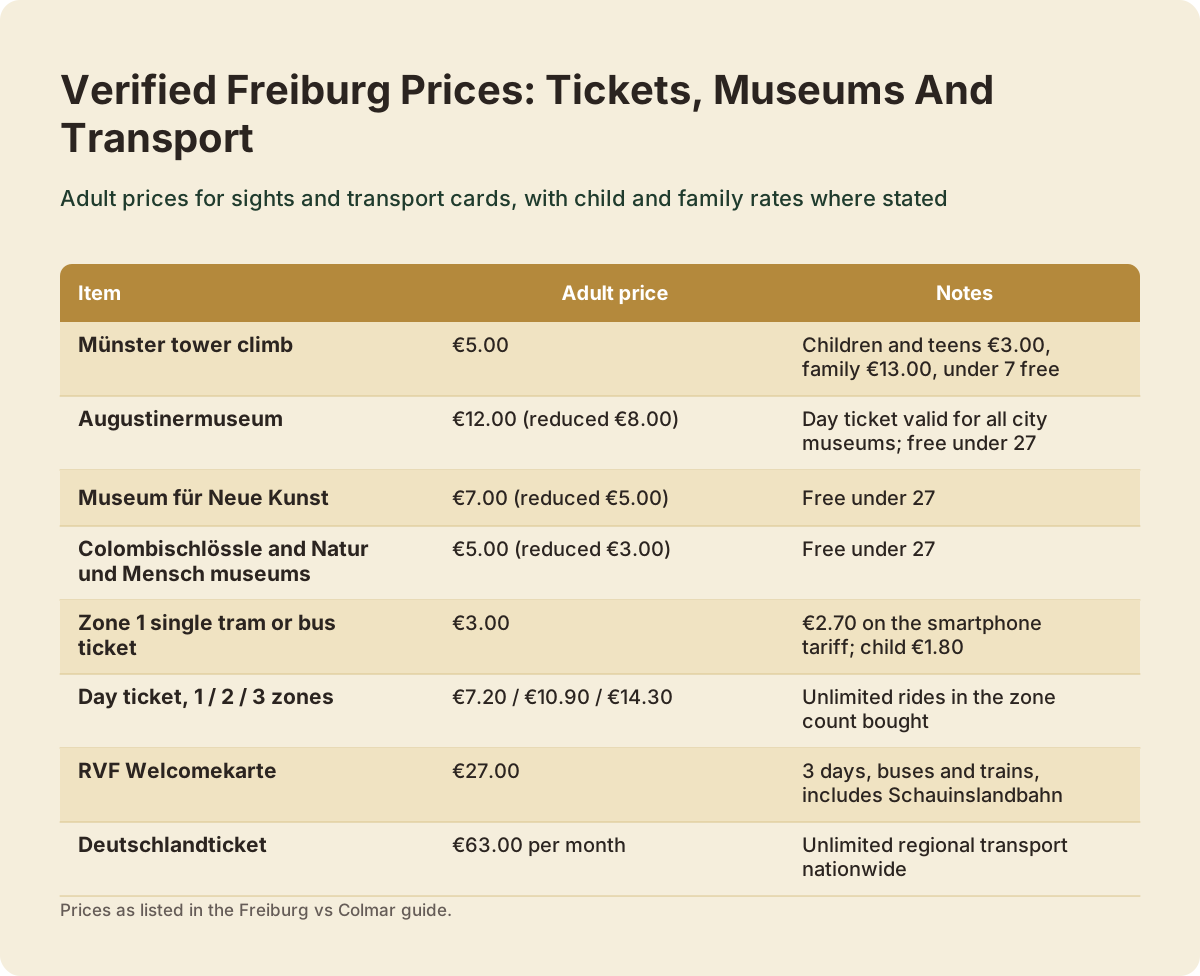
If you do drive, parking is the thing to plan, not the road. In Freiburg, the pragmatic move is to leave the car at a Park & Ride tram stop and ride in; the city's tram network covers the whole Altstadt, and a single zone 1 ticket costs €3.00, or €2.70 from the smartphone ticket machines, with a child ticket at €1.80. Day tickets for one, two or three zones cost €7.20, €10.90 and €14.30 respectively. Those figures come from the RVF tariff sheet, and the same network's visitor product, the RVF Welcomekarte, is covered in our Freiburg Welcomekarte guide.
For visitors staying in the region more than a couple of days, there is a subtle ticket trap worth knowing about. Freiburg city is not a KONUS municipality, so a hotel stay in Freiburg does not come with a free KONUS guest card. Freiburg's own visitor product is the RVF Welcomekarte: three days, adults €27.00, covering buses and trains and including a ride on the Schauinslandbahn cable car, as the RVF tariff page states. The details are in our dedicated KONUS guest card explained guide.
| Freiburg transport ticket | Price | What it covers |
|---|---|---|
| Zone 1 single, adult | €3.00 | One tram or bus ride; €2.70 on the smartphone tariff |
| Zone 1 single, child | €1.80 | One ride for a child |
| Day ticket, 1 / 2 / 3 zones | €7.20 / €10.90 / €14.30 | Unlimited rides in the zone count bought |
| Welcomekarte, adult | €27.00 | 3 days of buses and trains, Schauinslandbahn included |
| Deutschlandticket | €63.00 per month | Unlimited regional transport nationwide |
With the logistics settled, the next question is what your money buys on each side of the border, and that is where the two cities genuinely diverge.
What You Pay For A Day In Each City
A sightseeing day in Freiburg costs remarkably little: the Münster nave is free, the tower climb is €5 for adults, €3 for children and teens, €13 for a family, and under-7s climb free, while the Augustinermuseum charges €12 with under-27s admitted free to every city museum. Colmar has no single dominant cathedral fee, but its museums and paid attractions add up faster, and its old-town restaurants run higher per meal than Freiburg's market halls and breweries.
The verified Freiburg figures make the German side easy to budget. The tower climb at the Freiburg Münster runs Monday to Saturday from 11:00 to 16:00 and Sundays and holidays from 13:00 to 17:00, with the last ascent about 15 minutes before closing, per the minster's own tower page. One detail the page makes clear: the west tower is 116 m tall, but visitors climb only to a gallery at 70 m, and that top gallery closes in winter.
| Freiburg cost item | Adult price | Notes |
|---|---|---|
| Münster nave | Free | Open to visitors outside service times |
| Münster tower climb | €5.00 | Children and teens €3.00, family €13.00, under 7 free |
| Augustinermuseum | €12.00 (reduced €8.00) | Day ticket valid for all city museums; free under 27 |
| Museum für Neue Kunst | €7.00 (reduced €5.00) | Free under 27 |
| Colombischlössle and Natur und Mensch museums | €5.00 (reduced €3.00) | Free under 27; Natur und Mensch's permanent exhibit closed to about end of February 2027 for renovation |
| RVF Welcomekarte | €27.00 | 3 days, buses and trains, includes Schauinslandbahn |
The under-27 rule is the budget headline many families miss: every city museum in Freiburg, from the reopened Augustinermuseum down to the smallest house, admits visitors under 27 free. The Augustinermuseum itself fully reopened on 28 February 2026 after more than two decades of phased renovation, adding around 1,600 m² of new exhibition space in the former convent building and historic cellars, so the €12 day ticket now buys considerably more museum than it did a year ago.
Colmar's costs are less centralized. Its attractions are a spread of smaller museums, a boat-style flat-bottomed ride along the canals, and wine tasting in the surrounding villages, each individually modest but cumulative. The one directly comparable figure is the meal: an Alsatian restaurant dinner in the old town generally runs well above what a Markthalle lunch or a brewery dinner costs in Freiburg, and there is no German-style market hall equivalent undercutting the restaurants.
If your day in Freiburg runs into the evening, the entertainment economics also favor the German side. Live options like the BlablaComedy stand-up show start from $27 per person through this site's roster, and a full culinary walking tour of Freiburg with tastings starts from $61, figures priced in USD on the booking cards since these are bookable experiences rather than local till prices.
The Old Town Showdown: Münsterplatz Vs La Petite Venise
Freiburg's old town is a working medieval street plan centered on one of the great Gothic minsters of the Upper Rhine, spread across several distinct squares and stitched together by the Bächle gutters. Colmar's old town is smaller, denser and more uniformly photogenic, centered on the canals of La Petite Venise and a colorful half-timbered streetscape. Freiburg wins on monument and atmosphere; Colmar wins on sheer per-square-meter beauty.
Start with what each city's core actually contains. Freiburg's Altstadt holds the Münster with its 116 m tower, the Historisches Kaufhaus on Münsterplatz, the two surviving gates, Martinstor and Schwabentor, the Augustinerplatz terrace carved into a former monastery square, and the Fischerau and Gerberau lane by the stream. Colmar's core holds La Petite Venise, the Pfister House, the Unterlinden Museum in a former convent, and the Collégiale Saint-Martin, a Gothic church that plays the same skyline role as Freiburg's Münster but at a smaller scale.
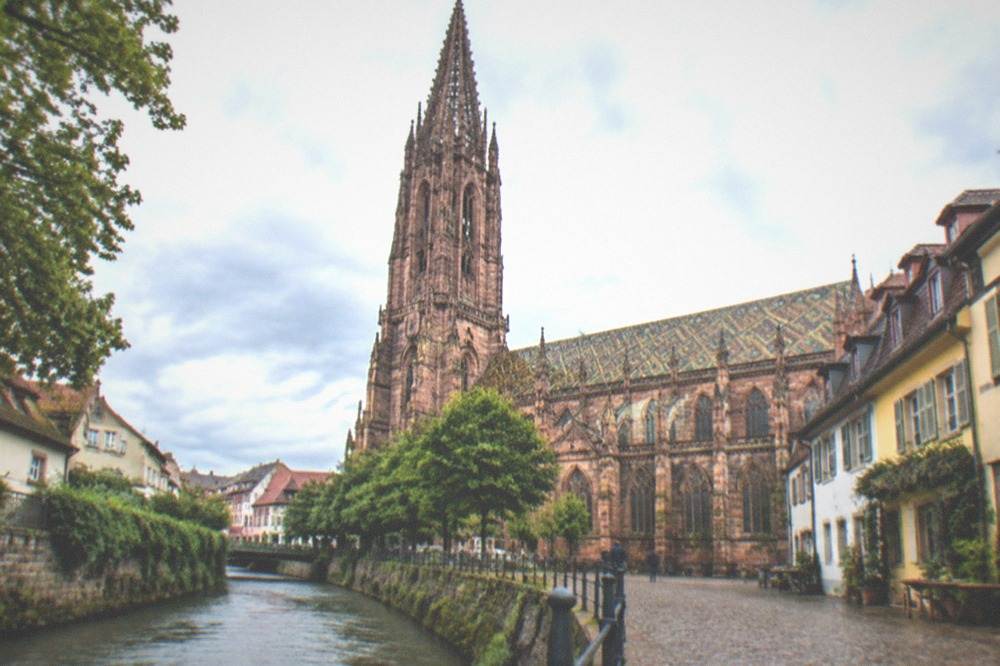
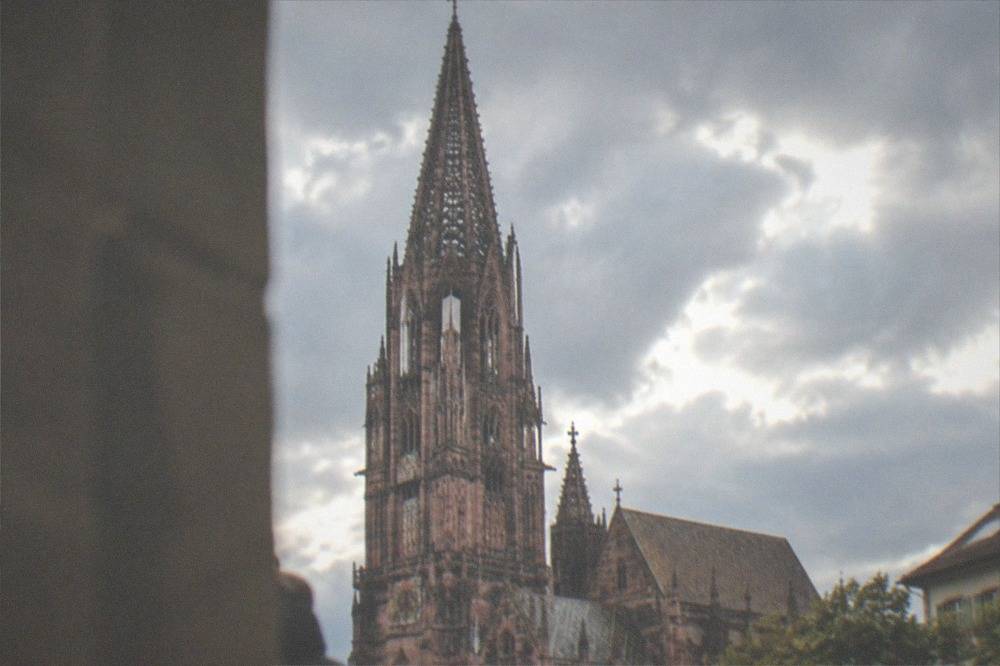
The Münster deserves a specific word because it is the single strongest architectural argument for the German side. Built in red sandstone over centuries of work by successive masonry lodges, it is a Gothic building whose openwork spire is one of the most recognizable silhouettes in southern Germany. Restoration is a permanent condition rather than a defect: works on the southern choir and northern nave have run through 2025 and 2026, a new sandstone railing element was installed in October 2025, a new Münsterbaumeister, Moritz Richter, takes over on 1 October 2026, and a restoration of the tower octagon is slated from about 2027 at an estimated cost of more than €18 million. Visitors see scaffolding on some face of the building most years, and the interior remains open regardless.
A guided walk is the efficient way to absorb the Freiburg core if your time is short. The Gässle, Bächle and More City Tour, about 1.5 hours and rated 4.7 across 3,187 reviews, runs from $15 and covers the lanes, gutters and gates in one loop; the version with a cathedral visit, rated 4.6 across 284 reviews, runs from $20. Both are priced in USD on this site's cards.
Colmar's counter is intimacy. La Petite Venise's canals, once working waterways for the tanners and market gardeners, now carry flat-bottomed boats past half-timbered facades in pink, ochre and green, and the whole ensemble sits within a ten-minute walk of the train station. Freiburg has nothing that matches that specific canal tableau, and honest comparisons should say so. What Freiburg has instead is scale and life: a Münsterplatz that hosts a 130-stall market most mornings, squares that students actually occupy until midnight, and a hill, the Schlossberg, that you can climb free of charge for the roofline view, with the Schlossbergbahn funicular at €3.70 one way or €6.50 return if you would rather ride. Our Schlossberg guide covers the paths and the tower.
Food And Wine: Baden Vs Alsace
The two cities sit in the two great food-and-wine regions of the Upper Rhine, and the choice is a real one: Baden's market halls, breweries, ham and Spätburgunder in Freiburg, against Alsace's choucroute, tarte flambée, Riesling and Gewurztraminer in Colmar. Wine culture is the shared DNA, and both towns are genuine bases for vineyard walks, but the restaurant styles, the portions and the price per plate differ clearly.
Start with the shared thread, because it surprises people: both regions grow Pinot-family grapes on the sun-warmed slopes of the Rhine plain, and both towns treat wine as an everyday drink rather than a special occasion. Freiburg's local wine country starts immediately south of the city, in the Tuniberg and the Kaiserstuhl vineyards, and the Freiburger Weinfest on the Münsterplatz drew roughly 110,000 guests over six days in early July 2026, with the 2027 dates already announced for 1 to 6 July. Colmar, meanwhile, is the self-styled capital of the Alsatian Wine Route and is ringed by famous villages.
The drinking cultures diverge in flavor. Baden is Germany's Pinot Noir heartland, and the region's whites lean toward crisp, dry styles; our Baden wine region guide maps the grape families and the tasting etiquette. Alsace's list runs from bone-dry Riesling to aromatic Gewurztraminer, typically bottled in the tall flûte d'Alsace, and Colmar's wine bars pour the whole range within a few lanes of each other.
Food-wise, the German side trades on the Münstermarkt and the Markthalle for cheap, excellent daytime eating, on Black Forest ham and long sausages like the Lange Rote, and on a brewery scene concentrated around the industrial-chic north of the old town. The French side trades on choucroute garnie, baeckeoffe, tarte flambée straight from the wood oven, and a boulangerie culture that has no real Freiburg equivalent. If your trip is built around dinners, Colmar has the higher culinary ceiling. If it is built around long, cheap, sociable lunches, Freiburg wins without much argument.
A wine hike is the most efficient way to combine the German side's scenery and cellars in one afternoon. The Veni, Vidi, Vino wine hike with tasting, about 2.5 hours and rated 4.4 across 167 reviews, runs from $79 and moves between vineyard viewpoints and tasting stops; a shorter town-hall-square tasting of four wines with onion tart runs about an hour from $31.
Festivals And Seasonal Timing
Both cities are strongly seasonal, and your dates may decide the winner more than any architecture: Freiburg's calendar peaks with the Christmas market from 19 November to 23 December 2026, the Weinfest in early July and the Herbstmess funfair in October, while Colmar peaks with its own Christmas market and a summer wine fair. Visit in late November or early December and you are choosing between two of Europe's better Christmas settings, plus Freiburg's odd, brilliant drag-show walk tradition.
The Freiburg year, in verified dates: the Frühjahrsmess funfair runs 14 to 25 May 2026, the Weinfest runs in early July with 2027 set for 1 to 6 July, the Herbstmess runs 16 to 26 October 2026, and the Christmas market fills the Altstadt from 19 November to 23 December 2026, open weekdays 10:00 to 20:30, Sundays 11:30 to 19:30, and closed on 22 November for Totensonntag. More than 120 stands spread across Rathausplatz, Kartoffelmarkt, Unterlindenplatz, Franziskanerstraße and the Münsterplatz area.
| Freiburg festival | Confirmed dates | Character |
|---|---|---|
| Frühjahrsmess | 14 to 25 May 2026 | Spring funfair with rides and food |
| Weinfest | Early July 2026; 1 to 6 July 2027 | Wine festival on the Münsterplatz, free entry, about 110,000 guests in 2026 |
| Herbstmess | 16 to 26 October 2026 | Autumn funfair with fireworks finale |
| Christmas market | 19 November to 23 December 2026 | Over 120 stands across the Altstadt squares, free entry |
Colmar's calendar is lighter but pointed: its Christmas market is one of France's best known, its summer wine fair fills the old town, and its spring wine fair opens the Alsace season. The two Christmas markets are the most direct festival comparison, and the honest verdict is that Colmar's is the more romantic single scene while Freiburg's is the larger and more varied operation, with more squares, more food and a livelier student afterlife once the stalls close.
The seasonal entertainment angle is worth a paragraph of its own, because it is something Colmar simply cannot offer. Freiburg has a small but genuine tradition of dramatized and theatrical walking tours, from Historix-Tours' actor-led format, rated 4.9 across 497 reviews from $17, to the drag-show walks hosted by local icon Betty BBQ. In December the format turns fully festive.
The Christmas Drag Show Walk with Betty BBQ runs about 90 minutes, is rated 4.6 across 55 reviews and starts from $43 through this site's roster, with free cancellation on the listing before the start time. If your Freiburg-vs-Colmar trip lands in December, it is the single most memorable evening option on either side of the Rhine.
How To Combine Both Cities In One Trip
The best plan for most travelers is to sleep in Freiburg for three or four nights and give Colmar one full day: take a morning regional train across the Rhine via Breisach, walk La Petite Venise, the Collégiale Saint-Martin and the Unterlinden Museum in the afternoon, eat an early Alsatian dinner, and return the same evening. Travelers primarily in France should simply reverse the formula and give Freiburg the day trip.
Why Freiburg as the base? Three practical reasons. First, transport: Freiburg sits on the main Rhine valley rail line with fast German connections, and its local network makes a car genuinely unnecessary, from the €3.00 zone 1 single to the €27.00 three-day Welcomekarte that even includes the Schauinslandbahn cable car up the Schauinsland summit. Second, cost: German market halls and breweries undercut Alsatian old-town restaurants for everyday eating, and every city museum is free under 27. Third, itinerary gravity: the Black Forest, Titisee, the Schauinsland and the Kaiserstuhl vineyards all orbit Freiburg, and our three days in Freiburg itinerary shows how tightly a multi-day plan packs.
Give Colmar its full day, not a rushed half. The old town deserves a slow loop, the canal quarter is best early or late when the day-trip crowds thin, and the Unterlinden Museum is a half-day object in itself for anyone who cares about the Isenheim Altarpiece, its centerpiece. An evening return to Freiburg lands you back in a city that serves dinner late, which Colmar, outside high summer, largely does not.
A sample four-night skeleton looks like this:
| Day | Base | What the day holds |
|---|---|---|
| Day 1 | Freiburg | Münster, Münstermarkt, tower climb (€5), Augustinerplatz, Markthalle lunch, Bächle and gates |
| Day 2 | Freiburg | Augustinermuseum (€12, day ticket covers the city museums), Schlossberg climb, brewery dinner |
| Day 3 | Colmar day trip | Morning regional train via Breisach, La Petite Venise, Collégiale Saint-Martin, Unterlinden Museum, Alsatian dinner before return |
| Day 4 | Freiburg | Schauinslandbahn cable car (return €15.00, included on the Welcomekarte) or Kaiserstuhl wine villages, evening drag show walk in December |
One timing note if your trip is in the second half of 2026 or 2027: the Schauinslandbahn closes for its autumn overhaul from 16 November to 4 December 2026, with a further spring closure scheduled 22 February to 19 March 2027, per the cable car's operating-times page. Plan the mountain day outside those windows. Similarly, check the cross-border rail timetable the day before your Colmar day, since weekend engineering works with replacement buses are a recurring pattern across the whole Rhine valley corridor.
Common Questions About Freiburg Vs Colmar
Is Colmar worth a day trip from Freiburg?
Yes, unconditionally. Direct regional trains cross the Rhine at Breisach, the old town is compact enough to see properly in a day, and the Alsatian food and wine culture is distinct enough from Baden's that the crossing genuinely feels like changing countries. Leave in the morning and stay for an early dinner.
Should I stay in Freiburg or Colmar?
Most travelers should stay in Freiburg. It is the larger city, the better transport hub for the Black Forest and the Rhine valley, the cheaper place to eat day to day, and it holds enough sights, museums and evening life to fill four days. Colmar is superb but small; it rewards a day trip more than a multi-night stay.
Is Freiburg or Colmar more expensive?
Colmar is more expensive per day for food, since its old-town restaurants trade heavily on setting. Freiburg's costs are low and clearly published: the Münster nave is free, the tower climb is €5, museums run €5 to €12 with under-27s free, and a zone 1 tram single is €3.00. Wine and market food are cheap on both sides by big-city standards.
Do I need a car to visit Colmar from Freiburg?
No. The regional train route via the Breisach crossing handles the trip without a reservation or special cross-border ticket, and both old towns are entirely walkable. A car only earns its keep if you plan to detour through Alsatian wine villages that the trains skirt, or if you are touring the wider Alsace Wine Route as a loop.
Which city is better in December?
Both are at their best in December, and this is the one month where Colmar closes the gap, with a famously romantic canal-side Christmas market. Freiburg's market is larger, running 19 November to 23 December 2026 across multiple Altstadt squares, and the city adds things Colmar cannot, including the seasonal drag-show evening walks and a bigger after-dark dining scene. If you can only pick one base, pick Freiburg and spend a December day in Colmar.
Which has better wine, Baden or Alsace?
They are different rather than better. Alsace is famous for aromatic whites, Riesling and Gewurztraminer above all, with a long history of varietal labeling. Baden is Germany's Pinot heartland, strong in Spätburgunder and dry whites, and Freiburg sits directly between the Tuniberg and Kaiserstuhl vineyards. Wine travelers can honestly taste both regions off a single base in Freiburg.