Best Restaurants In Freiburg: Where To Eat From Market Stalls To Michelin Stars
Freiburg eats well at every level: a Münstermarkt with up to 130 stalls, five one-star restaurants in the 2026 Michelin Guide, and a wave of new wine taverns that opened across 2025 and 2026.
Short answer
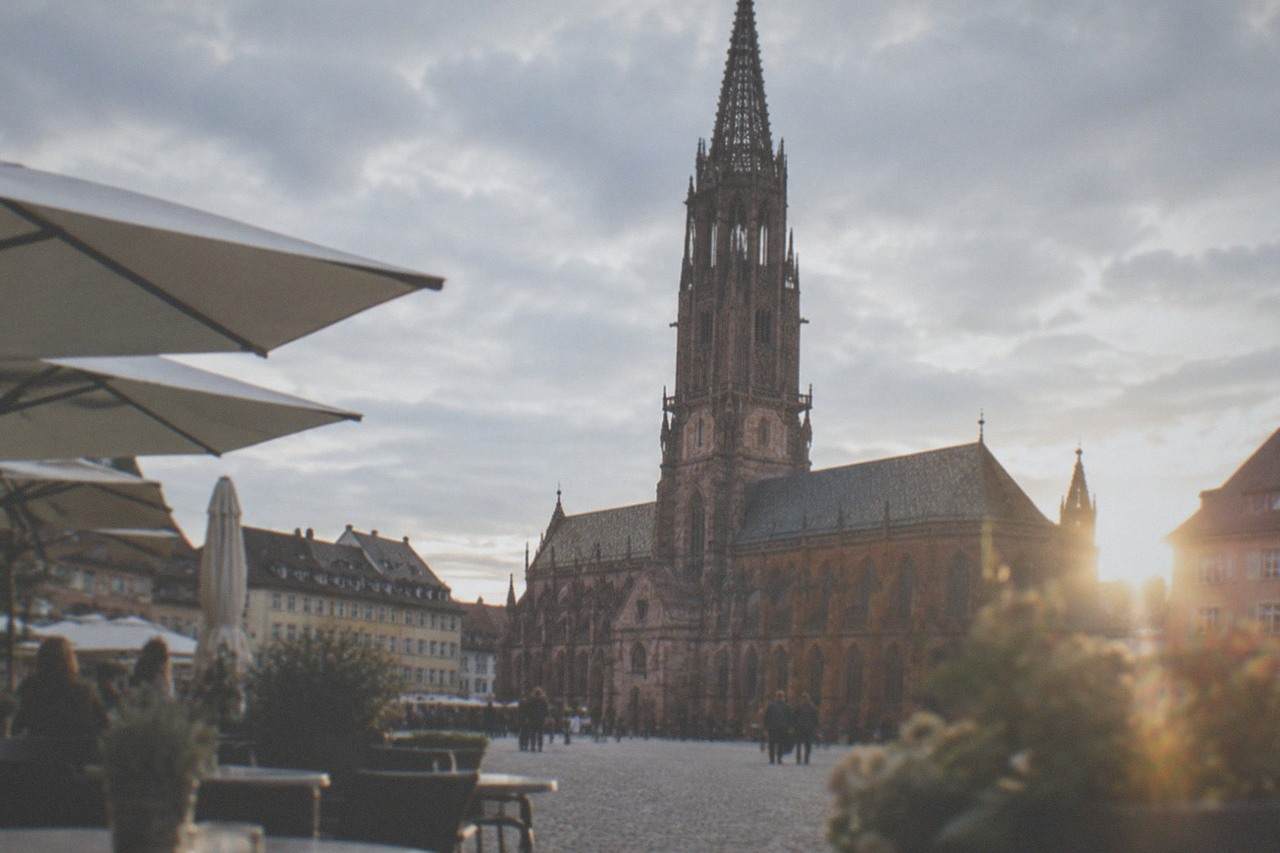
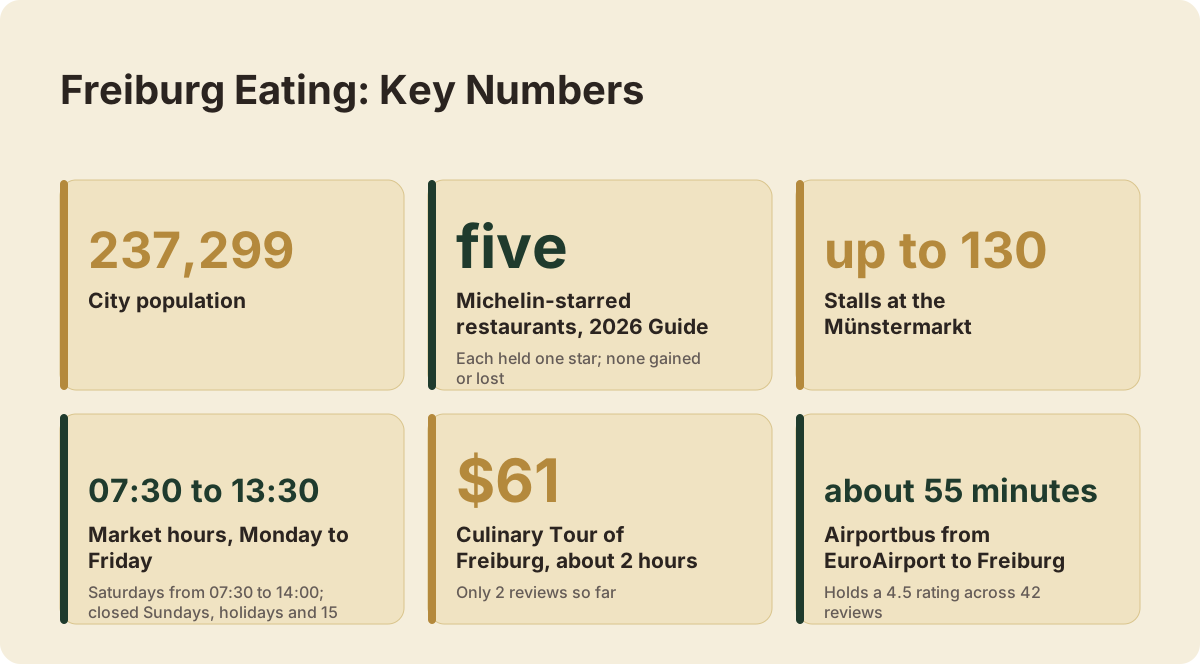
The best restaurants in Freiburg span five Michelin one-star rooms, Jacobi, Zur Wolfshöhle, Colombi Zirbelstube, Hawara and Eichhalde, plus Badische taverns and wine bars around Augustinerplatz and Fischerau. New openings include Ludvigs, Augustiner am Platz and Trotte, while cheap eats center on the Münstermarkt, open Monday to Saturday from 07:30 to 13:30.
Best Restaurants In Freiburg: Where To Eat From Market Stalls To Michelin Stars
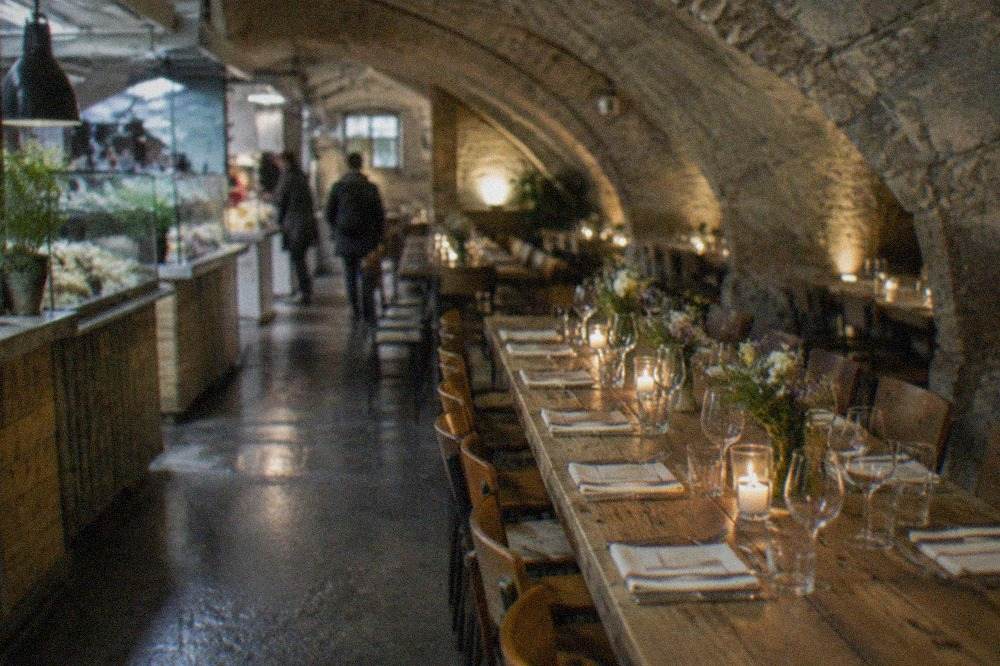
Freiburg's restaurant scene runs deeper than most cities of 237,299 people, and it is unusually well documented: five restaurants held one Michelin star each in the 2026 Guide, with no stars gained or lost. Below the fine-dining tier sits a dense layer of Badische taverns, wine bars and market food, refreshed between 2025 and 2026 by openings such as Ludvigs, Augustiner am Platz and Trotte. This guide walks the city the way a hungry visitor would: the Old Town core first, then the wine taverns, the starred rooms, the outer neighborhoods, and the practical facts that decide where you actually end up sitting.
One note on how this page works: every figure here comes from the city's own releases, the Michelin Guide or the transport authority's tariff sheets, and prices on this site's tour cards are in US dollars while everything you pay at a Freiburg counter is in euros. The two never get blended, and neither should your planning. The Freiburg Travel Guide food coverage, including the full Freiburg food overview and the Markthalle guide, goes deeper on individual venues than a single restaurants page can.
Where To Eat In Freiburg: A Practical Overview
Most visitors eat within a five-minute walk of the Münster, and that is not a mistake: the Old Town concentrates the city's oldest taverns, its most photographed squares and its densest cluster of dinner options. But the five starred restaurants sit scattered across the city, and some of the most interesting 2026 openings, Trotte in Fischerau among them, sit a lane or two off the obvious route. Planning by neighborhood rather than by single venue is the honest way to do it, because Freiburg rewards wandering between squares more than it rewards a checklist of one specific address.
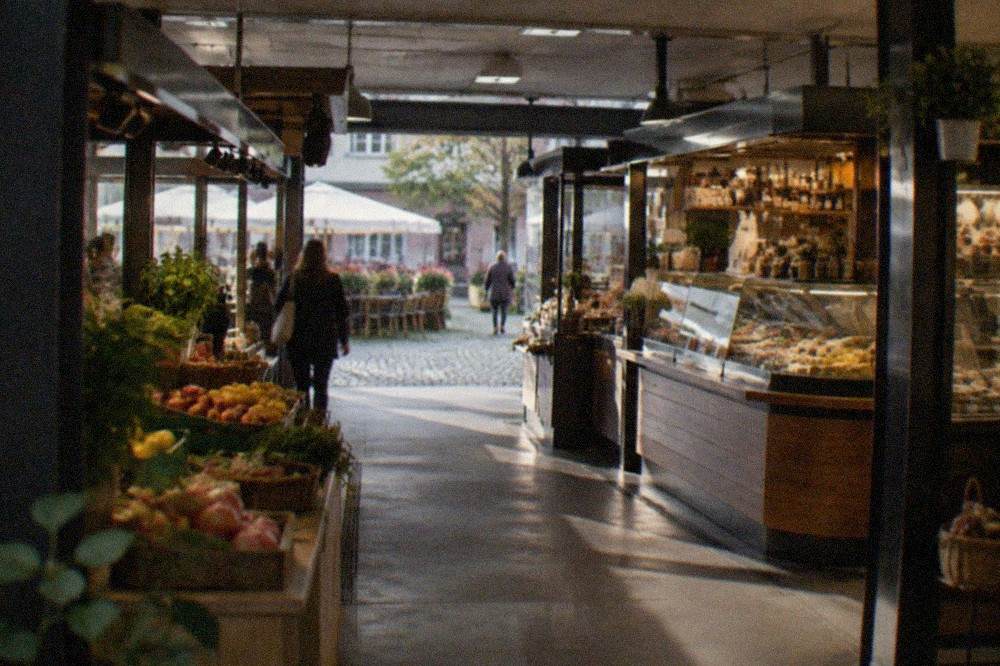
The city's food identity is Badische before it is anything else. That means the dishes of the Upper Rhine plain: onion tart in autumn, asparagus in spring, ham from the Black Forest, and spaetzle in most of its forms. Around that core sits a university-driven café culture, a wine culture tied to the Baden wine region to the west and south, and a beer culture of its own, covered in the beer gardens and breweries guide.
| Area | Character | Best for |
|---|---|---|
| Münsterplatz and the Altstadt lanes | Historic taverns, tourist-facing rooms, the market on weekdays and Saturdays | First dinner, classic Badische plates |
| Augustinerplatz | The city's best-known square for sitting outside with a drink and a simple meal | Long evenings, groups, casual eating |
| Fischerau and Gerberau | Small lanes behind the brooks, wine bars including the 2026 opening Trotte | Wine-first evenings, quieter rooms |
| Stühlinger | Student-heavy, off the tourist track, with the Kulturkiosk events café active since March 2026 | Lunches, coffee, low-key dinners |
| Wiehre | Residential, café-lined, close to the Schlossberg side | Breakfast and brunch |
| Herdern and Zähringen edge | Where locals actually book on weekends | Escaping the Old Town entirely |
Two structural facts shape every meal here. First, the Münstermarkt sets the rhythm of the day for half the city: up to 130 stalls, Monday to Friday from 07:30 to 13:30 and Saturdays from 07:30 to 14:00, closed Sundays and holidays, per the city's tourism pages. Second, hotel stays carry a 5% overnight tax on the net room price, the Übernachtungsteuer, not a Kurtaxe, which matters when a hotel restaurant bill and a hotel tax line look confusingly similar on checkout. Neither fact changes where you should eat, but both change how a day around eating gets planned.
The Old Town Core: Münsterplatz, The Lanes And The Gates
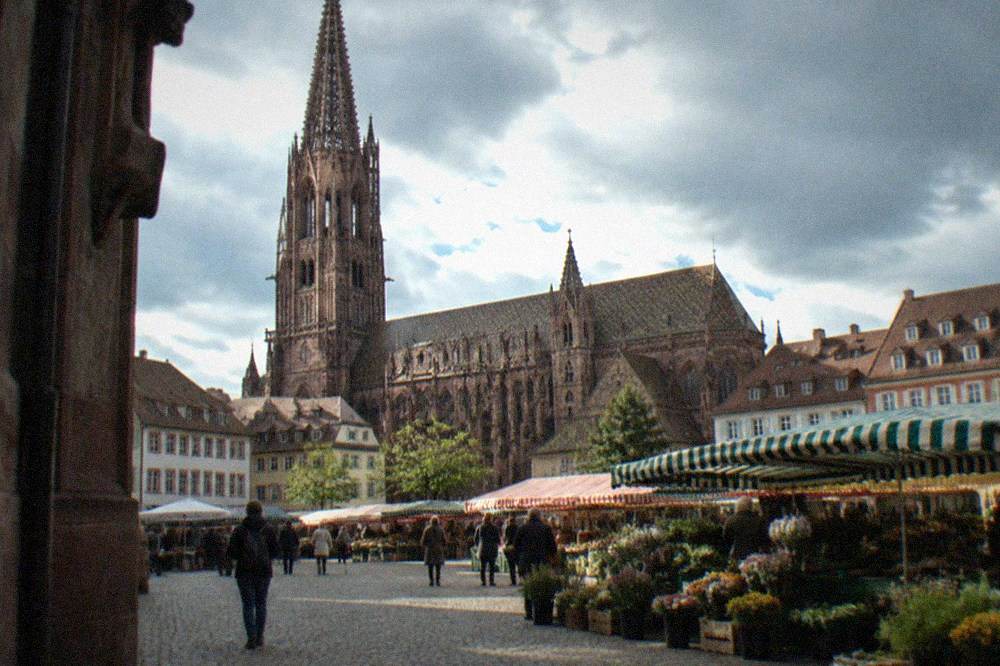
Eating in the Old Town means choosing between three registers: the market square itself with its stalls and its long sausage tradition, the taverns tucked into lanes between the Martinstor and Schwabentor, and the showcase rooms that face the Münster's west front. Prices climb as you move toward the cathedral facade, and the gap between a lane tavern and a square-front room can be substantial. That asymmetry is the single most useful thing to know about the Altstadt restaurant map.
The lanes matter as much as the squares. Fischerau and Gerberau, the little streets where the brooks run, hold the newest layer of the wine scene: Trotte opened there around August 2026 with roughly 400 wines on the list, about 12 of them by the glass, with a stated focus on German and French rarities and a Burgundy emphasis. That is the most food-relevant opening of the year for visitors who care about wine, and it sits a two-minute walk from streets most day-trippers never cross. The Fischerau and Gerberau guide maps the lanes in full.
For dinner, the honest advice is to treat the Altstadt as a walk-first zone. The compactness that makes it easy to eat in also makes it easy to eat badly: rooms facing the Münster's west front run on foot traffic, while rooms one lane in run on regulars. A city walk with a guide makes that distinction obvious fast, because a good guide points at the squares and explains which ones are locals' squares and which ones are arrival squares. Two guided options in the roster fit: the Walking and Strolling the Historic Center tour, about 2 hours, from $228, a private format with 6 reviews on the listing so far, too few to characterize its standing, and the Old Town Private Walking Tour in Italian, about 1.5 hours and from $51, aimed at Italian-speaking groups.
The third card above is a reminder worth a sentence of its own: plenty of visitors arrive at EuroAirport Basel-Mulhouse-Freiburg and start eating their way through Freiburg the same afternoon. Eating in the Old Town works best as the second half of an arrival day, not the first hour.
Wine Taverns, New Openings And Market Food
Between the market stalls and the starred rooms sits the layer that defines Freiburg eating for most visitors: the Badische wine tavern, the Weinstube, and its 2025-2026 evolution. Ludvigs opened as the region's first Stehausschank, a stand-and-drink wine format, in the renovated former Café Légère space, and Augustiner am Platz opened on 14 October 2025 as the first Augustiner Wirtshaus in Baden-Württemberg. The scene is visibly in motion, which is exactly what a static restaurant list misses.
| Venue | What it is | Status |
|---|---|---|
| Ludvigs | The region's first Stehausschank, a standing wine bar, in the renovated former Café Légère site | Opened after roughly 7 months of renovation, around mid-2026 |
| Augustiner am Platz | First Augustiner Wirtshaus in Baden-Württemberg, Bavarian and Badische dishes, Augustiner beers | Opened 14 October 2025 |
| Trotte | Wine bar in Fischerau with about 400 wines, around 12 by the glass, German and French focus | Opened around August 2026 |
| Café Melange | Long-running Italian-style café on Eisenbahnstraße | Closed permanently at the end of August 2026 after 29 years |
The closures matter too. Café Melange shut at the end of August 2026 after 29 years on Eisenbahnstraße, a reminder that this scene is not a museum. Guidebooks age fast in Freiburg right now, and a 2024 list of where to eat would already contain a venue that no longer exists and miss three that do.
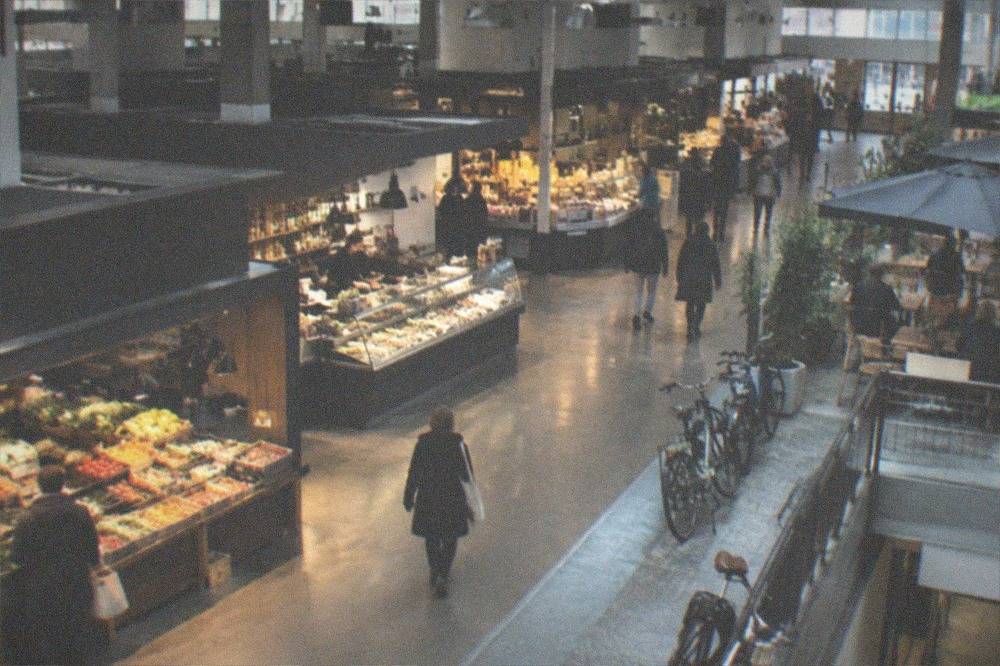
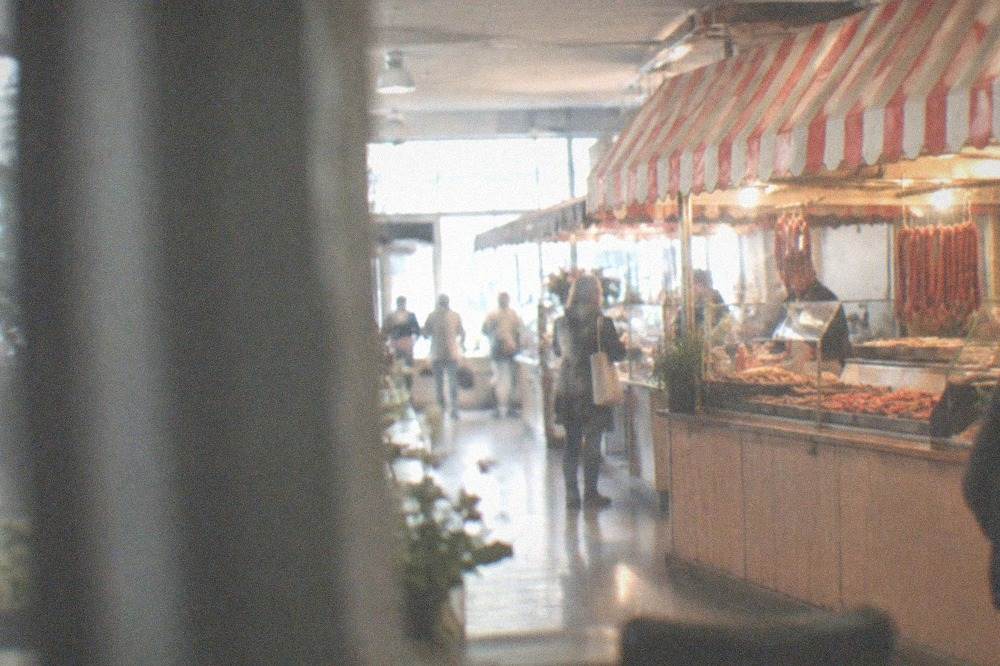
Market food deserves its own planning block. The Münstermarkt runs up to 130 stalls in the shadow of the cathedral, Monday to Saturday, 07:30 to 13:30 on weekdays and until 14:00 on Saturdays, and the city confirms it closes Sundays, holidays and 15 August. The sausage stands at the market's edge are the city's best-known cheap meal, and the flower stall relocation of March 2026, shifted to the south side near the Fischbrunnen during Münzgasse works, shows how the square keeps being rearranged around construction. For visitors who want the market's rhythm explained rather than just sampled, the official Münstermarkt page carries the current stall layout.
One practical point on arrival evenings: the Markthalle, the covered market hall near the Martinstor, is the city's default bad-weather lunch venue, and its role is covered in full in the dedicated guide linked above. The Münstermarkt closes early afternoon; the Markthalle carries the late-lunch traffic.
For a sit-down version of the same regional story, the Culinary Tour of Freiburg runs about 2 hours from $61, though it carries only 2 reviews so far, too few to say anything about quality either way. It is the roster's one dedicated food walk, and it exists precisely for travelers who want the tavern-and-market layer narrated rather than merely eaten. Booking it for a first evening, before any independent restaurant reservations, turns the rest of the stay into informed ordering rather than guesswork.
A food walk is one way into the Old Town; a general historic walk is another, and for many travelers the second is the better spend. The Walking and Strolling the Historic Center tour, a private 2-hour format from $228, covers the lanes, the gates and the squares that the taverns sit among, and it pairs naturally with an evening reservation you have already made. Its review pool stands at 6, too few to characterize, so the case for it rests on format rather than ratings.
Fine Dining: The Five Michelin-Starred Restaurants
Freiburg holds five one-star restaurants in the 2026 Michelin Guide, unchanged from the previous year: Jacobi for innovative cooking, Zur Wolfshöhle for classic cuisine, Colombi Zirbelstube for classic French, Hawara for modern cuisine with its star held since 2025, and Eichhalde for Italian. No star was gained or lost in the June 2026 announcement, which makes this the rare starred lineup a visitor can plan around without fearing a surprise. Nearby additions in the broader region, Storchen in Bad Krozingen among them, do not change the city's count.
| Restaurant | Cuisine style | Guide standing |
|---|---|---|
| Jacobi | Innovative | One star, 2026 Guide |
| Zur Wolfshöhle | Classic cuisine | One star, 2026 Guide |
| Colombi Restaurant Zirbelstube | Classic French | One star, 2026 Guide |
| Hawara | Modern cuisine | One star since 2025, held in 2026 |
| Eichhalde | Italian | One star, 2026 Guide |
The Michelin Guide's own listing is the reference for current details, and this page deliberately does not reprint menu prices or opening hours for the five rooms, because those figures change seasonally and none are carried in the verified facts behind this site. Book directly with the restaurant, well ahead for weekend seats, and expect the starred layer to sit a tram ride from the Old Town in a couple of cases rather than around the corner from the Münster.
What the starred layer tells you about the rest of the scene is more interesting than the stars themselves. A city this size supporting five one-star rooms, plus a wine bar culture deep enough to sustain a 400-bottle opening in a back lane, is a city where hospitality labor is trained and retained. The practical consequence: the mid-tier taverns here are better than they need to be, and the cooking in unstarred rooms frequently comes out of the same ecosystem. Eat one starred meal and three tavern meals and you will understand the city better than four starred meals would teach you.
Neighborhoods Beyond The Centre: Stühlinger, Wiehre And The West
The strongest eating outside the Old Town sits in Stühlinger and Wiehre, two neighborhoods that most day-trippers never cross into. Stühlinger, west of the station, has spent 2025 and 2026 in visible transition: hedges came off Kirchplatz in January 2025, a weapons and knife ban zone took effect in August 2025, and the Kulturkiosk, an events space with a food-sharing café, opened around March 2026. The neighborhood now eats like the student quarter it is, cheap and late.
The Kulturkiosk had hosted more than 90 events by September 2026, and it sits above the city's biggest infrastructure work, the Energietunnel boring running beneath the district toward completion in mid-2027. Wiehre, south of the Old Town below the Schlossberg, is the quieter register: café-lined streets, residential scale, and the sort of rooms that do breakfast and brunch rather than destination dinners. The Wiehre guide and the Stühlinger guide cover both in detail. Herdern, on the hill above, is where you eat when you want to be the only visitors in the room; its landmark hotel has been closed since a June 2024 fire, with renovation plans announced in early 2026, so the neighborhood's dinner options currently rest on its long-standing local restaurants alone.
The western edge is where the city is growing. The Dietenbach district broke ground in July 2025, its first marketing round closed in June 2026 with 84 applications for about 800 units, and a roughly 9.5-hectare landscape park was approved in April 2026. None of that is dinner advice yet, but it explains why the city's food map keeps pushing southwest, and why a restaurant list frozen in 2023 is already missing the direction of travel.
For wine-first travelers, the region around the city supplies the day trips: the Kaiserstuhl and Markgräflerland vineyards run their own event calendars, and the Freiburger Weinfest on the Münsterplatz set a visitor record in 2026 with roughly 110,000 guests across its six early-July days, with 2027 dates already announced for 1 to 6 July. The festival's reported figures give the scale: free entry, regional wineries, and a square that effectively becomes the city's largest wine tavern for a week.
Late-Night Eating, Snacks And Street Food
Late food in Freiburg is student food, and it clusters around the station quarter, Stühlinger and the squares that keep serving after the Old Town's kitchens close. The anchored late options are the sausage stands at the market's edge, the kebab and snack rooms near the Hauptbahnhof, and the pub layer, including a guided pub crawl in the roster running about 4 hours from $51 with a 4.4 rating across 107 reviews, drinks included. Beyond that, this is not a city with a documented 24-hour food culture.
Pretending otherwise would be inventing a scene. The honest framing for late eating: plan dinner for the German mainstream hours rather than the Southern European ones. Kitchens in the Old Town commonly stop serving well before midnight, the market is a morning institution, and the genuinely late rooms are snack rooms, not restaurants. Visitors coming from a Spanish or Greek dinner rhythm will need to adjust, and visitors from most of the United States will find the hours familiar.
The evening entertainment layer does feed itself, though. Beyond the pub crawl, the roster holds an evening stand-up comedy show, BlablaComedy, about 2.5 hours from $27, which ends late enough that the snack-layer question becomes practical rather than theoretical. And for groups planning a night around Stühlinger rather than the Old Town, the Kulturkiosk's events calendar, more than 90 events in its first half year, gives the neighborhood a programming anchor that did not exist two years ago.
One timing note for rail travelers in autumn 2026: the Rheintalbahn between Freiburg and Basel saw replacement buses on early-October weekends, and the Höllentalbahn had hang-securing closures in July and September 2026. A late dinner in Freiburg before a Basel-area flight only works if the rail line is running, so check the operator's live travel notices before building an eating schedule around a train.
Practical Dining Facts: Hours, Taxes And Getting There
The figures that decide a food day in Freiburg are transport and tax numbers, not menu prices: a single zone-1 tram ticket costs €3.00, or €2.70 by smartphone, the 3-day Welcomekarte for visitors costs €27.00 and includes the Schauinslandbahn, and hotel stays carry a 5% overnight tax on the net room price. The Münstermarkt opens Monday to Saturday from 07:30. Everything in the table below is a verified figure from the city or the transport authority.
| Item | Figure | Notes |
|---|---|---|
| Single tram ticket, zone 1 | €3.00, smartphone €2.70 | Child €1.80 |
| Day ticket, 1 / 2 / 3 zones | €7.20 / €10.90 / €14.30 | RVF tariff sheet, Stand 1/2026 |
| Welcomekarte | €27.00, 3 days | Includes Schauinslandbahn and a Kulturbonus |
| Overnight tax | 5% of net room price | Under-18s exempt, business stays taxed since July 2023 |
| Münstermarkt | Mon-Fri 07:30-13:30, Sat 07:30-14:00 | Up to 130 stalls, closed Sundays and holidays |
A few cautions that keep these numbers honest. The overnight tax is not a Kurtaxe, and Freiburg is not a KONUS municipality, so a hotel stay in the city does not hand out a Black Forest guest card; the Welcomekarte is the visitor product that actually exists here. That distinction matters for diners who plan vineyard day trips, because a KONUS card issued in a member town such as Staufen or Bad Krozingen is valid on Freiburg's trams, but the card itself has to come from that member town's accommodation.
Seasonality shapes the plate more than the price list. Spring means Baden asparagus, autumn means onion tart and new wine, and the Zwiebelkuchenfeste and open winemaker cellars across the Kaiserstuhl and Markgräflerland run on that rhythm through late September and early November. The DWD climate normals for the city, an annual mean of 11.0°C and 1,815.1 hours of sunshine, make it one of Germany's warmest and sunniest cities, which is why the outdoor terrace culture here is not a fair-weather novelty but the default setting for half the year.
Guided Food And Walking Experiences Worth Booking
The food-adjacent tours in Freiburg's current roster split into three honest tiers: a full-meal walking food tour at about $126 for roughly 3 hours, a culinary tour at about $61 for about 2 hours, and wine experiences from about $31 for a seated tasting of four wines with onion tart at the Town Hall square. The full-meal tour carries 7 reviews and the culinary tour 2, both too few for a star claim to mean anything. None of these figures are rounded or banded; they are the listing prices on file.
The full-meal format deserves the last detailed paragraph, because it answers a real question: where do you eat when you want every course explained and the neighborhood chosen for you? The Freiburg Food Tour, a full meal with drinks run by Do Eat Better, runs about 3 hours from $126 and works as a guided dinner as much as a tour. For travelers who want to eat their way through the Old Town on the first evening and then book restaurants independently for the rest of the stay, it is the most efficient orientation money buys in the current roster.
The seated wine options suit a different traveler entirely. The Tasting of 4 Wines at Town Hall Square with Onion Tart, about 1 hour from $31, puts the regional pour and the seasonal tart on the same table within sight of the Historisches Kaufhaus. Further out, the Veni, Vidi, Vino wine hike and tasting, about 2.5 hours from $79 with a 4.4 rating across 167 reviews, moves the same idea into the vineyards, and the Regional Wine Tour runs about 2 hours from $79. For a city this saturated with wine culture, a guided pour early in the trip calibrates the palate for every tavern list that follows.
For travelers building the whole arrival around food, one more practical card belongs in the plan: the direct Airportbus between EuroAirport and Freiburg, about 55 minutes, with the fare on the live listing. It is the difference between landing mid-morning and eating at the market before it closes at 13:30, or landing mid-morning and arriving after the stalls are down. A food-first itinerary in Freiburg is, more often than not, an arrival-time story.
Common Questions About Restaurants In Freiburg
What are the best restaurants in Freiburg?
The five Michelin one-star restaurants in the 2026 Guide are Jacobi, Zur Wolfshöhle, Colombi Restaurant Zirbelstube, Hawara and Eichhalde, with no changes announced in June 2026. Below that tier, the Badische wine taverns around Augustinerplatz and the lanes of Fischerau and Gerberau, including the 2026 opening Trotte with about 400 wines, carry the city's everyday food culture.
Where can I eat cheaply in Freiburg?
The Münstermarkt is the anchor: up to 130 stalls, Monday to Friday from 07:30 to 13:30 and Saturdays until 14:00, with the sausage stands at its edge the city's best-known inexpensive meal. The Markthalle near the Martinstor covers late lunches and bad weather, and the student quarter of Stühlinger holds the cheapest sit-down rooms off the tourist track.
Is there a food tour in Freiburg?
Yes. The Culinary Tour of Freiburg runs about 2 hours from $61 but has only 2 reviews so far, too few to characterize quality. The Freiburg Food Tour with a full meal and drinks runs about 3 hours from $126 with 7 reviews. A seated tasting of 4 wines with onion tart at Town Hall Square is about 1 hour from $31.
Do restaurants in Freiburg add a tourist tax to the bill?
No tax is added to restaurant bills. What Freiburg levies is an Übernachtungsteuer, a 5% overnight tax on the net price of a hotel or accommodation stay, charged at the accommodation, not at the table. Guests under 18 are exempt, and business stays have been taxed since 1 July 2023.
What food is Freiburg known for?
Badische regional cooking: onion tart in autumn, asparagus in spring, Black Forest ham, spaetzle dishes and the long red sausage sold at the Münstermarkt stands. The wine side is the Baden region's own, celebrated each early July at the Freiburger Weinfest on the Münsterplatz, which drew roughly 110,000 visitors over six days in 2026.
Are restaurants in Freiburg open on Sundays?
The Münstermarkt is closed Sundays and holidays, but restaurant kitchens are not tied to the market's schedule. Sunday lunch remains a normal German dining occasion, and the Old Town keeps a reasonable share of kitchens open for it, though smaller taverns and the newer wine bars often keep irregular hours. Check the individual venue's current hours before building a Sunday itinerary.