Basel To Freiburg: The Practical Day Trip Guide
Basel sits barely an hour from Freiburg, which makes the German university city one of the easiest cross-border day trips in the region. This guide covers the connections, the costs and what to do with your day.
Short answer
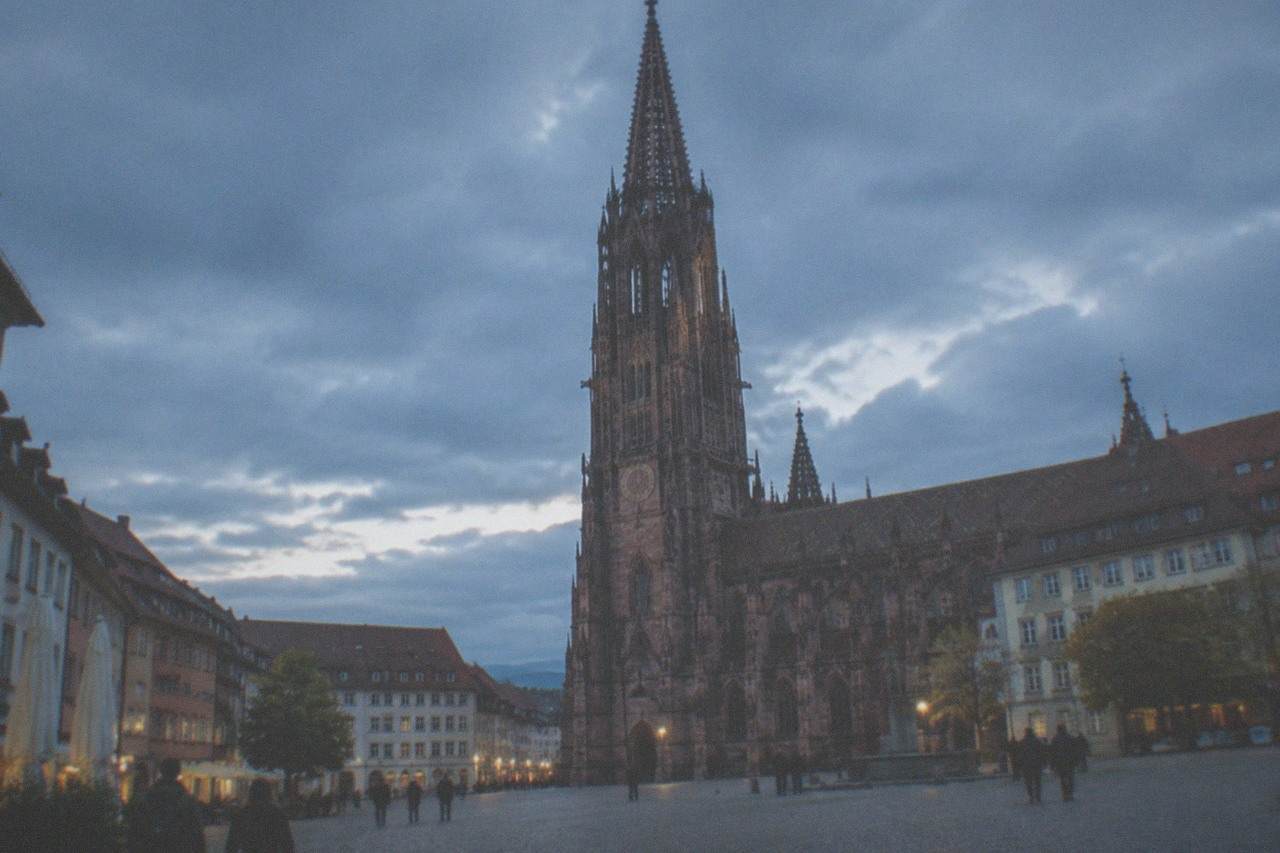
Basel to Freiburg runs best by direct train, with journey times recent research places at roughly 35 to 50 minutes. A day in Freiburg centers on the Minster, the Bächle-lined old town and the Münstermarkt. The RVF Welcomekarte costs €27.00 for three days and even includes the Schauinslandbahn cable car.
Freiburg sits close enough to Basel that people commute between the two cities in both directions every day. The Swiss financial capital and the German university town belong to the same cross-border region, the Trinational Eurodistrict Basel, and the border between them is one of the busiest in Europe. What that means for a visitor is simple: a day trip from Basel to Freiburg costs little planning and rewards you with a completely different atmosphere, a different currency and a different language, all within an hour of your hotel.
This guide walks the route the way a visitor actually experiences it. First the crossing itself: train, bus or car, and what each one costs in real money. Then the arrival, because stepping out of Freiburg Hauptbahnhof is not the same as stepping out of Basel SBB. Then the day itself, with a plan that fits the trains back. Along the way it flags the figures that are solid and the ones that local reporting gives but that should be checked against live timetables before you commit.
How Do You Get From Basel To Freiburg?
The practical answer is the direct train from Basel SBB to Freiburg Hauptbahnhof; recent research puts the fastest connections at roughly 35 to 50 minutes, though that range is unverified against the live timetable. No change of train is needed on the main corridor. A dedicated airport bus links the pair in about 55 minutes.
The rail corridor between the two cities is the Rheintalbahn, the four-track expansion of which causes periodic weekend closures with replacement buses through 2026. Those closures are temporary but real: they were reported around early October 2026 on the Freiburg to Basel section, affecting regional and some long-distance trains. If your day trip falls on a construction weekend, the direct train may become a bus for part of the way, which stretches the journey. Deutsche Bahn's journey planner is the place to confirm the specific Sunday you have in mind, since the works move.
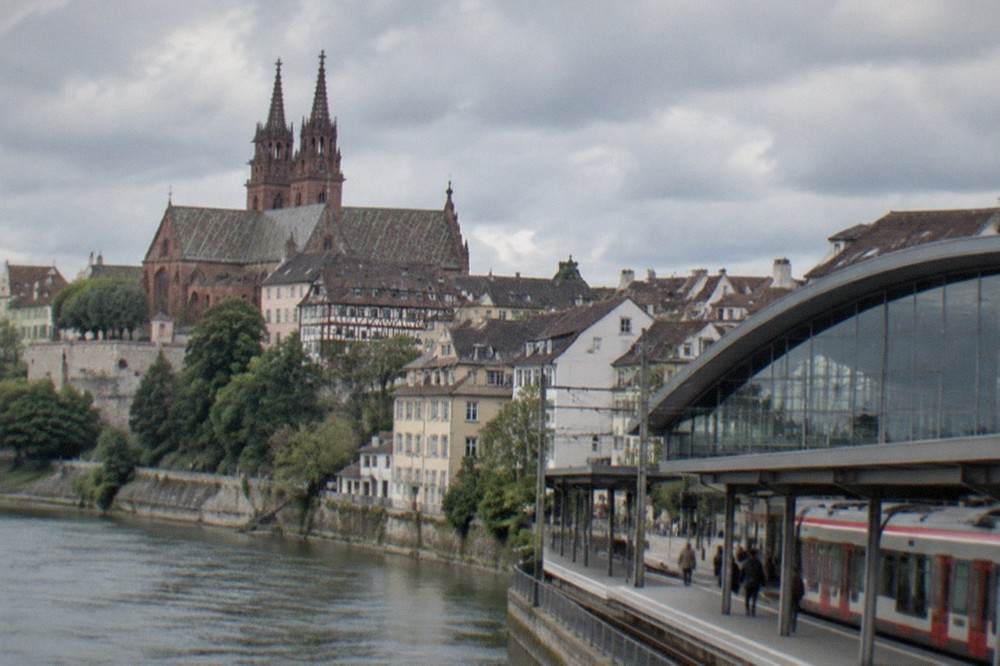
Basel is unusual in having two main stations, and that trips up first-time visitors. Basel SBB is the Swiss national station, where trains from Zurich and Bern arrive. Basel Badischer Bahnhof, a short tram ride away, is the German station operated under German tariff rules, and many Germany-bound trains call there first. For a day trip to Freiburg, the train you want almost certainly departs from Basel SBB and calls at Badischer Bahnhof minutes later, so either station works. The cross-border fare structure is more complicated than a domestic German ticket, and no verified figure for the Basel to Freiburg rail fare exists in this site's research, so treat any price you see in an aggregator as an estimate and buy from the railway's own channels.
| Option | Rough time | What the research supports | Watch out for |
|---|---|---|---|
| Direct train, Basel SBB to Freiburg Hbf | About 35-50 min | Recent research indicates this range; unverified against the live timetable | Rheintalbahn weekend closures with replacement buses through 2026 |
| Airportbus, Freiburger Reisedienst | About 55 min | Daily direct service confirmed on the operator's site | No primary source for the fare; do not quote one |
| Car | About 74 km by road | Recent reporting gives this distance | Border queues at peak times; parking in Freiburg is its own project |
The airport bus deserves a note because it is often confused with the airport transfer. The Freiburger Reisedienst Airportbus runs daily between Freiburg and EuroAirport Basel-Mulhouse-Freiburg, which is not the same as the city center, though it can serve a visitor flying into Basel. The service exists and takes about an hour, but no primary fare has been published in this site's research, so treat any price you find in an aggregator as unconfirmed. The full airport picture, including the new routes landing at EuroAirport through 2026, is covered in the EuroAirport Basel Mulhouse Freiburg guide.
What Should You Know Before Crossing The Border?
Germany is in the Eurozone and the Schengen area, so there is no passport control on the train, but your Swiss francs need converting into euros the moment you buy a tram ticket in Freiburg. Your rail pass terms and health cover follow national rules that change at the border. You notice the border from the station signs before any barrier.
The currency point matters more than people expect. Basel prices in Swiss francs; Freiburg prices everything in euros, from the €3.00 single tram ticket in RVF zone 1 to museum admissions and the Christmas market's bratwurst. A visitor who arrives with only francs will find exchange desks at the station but a poor rate, so withdraw euros in Basel before departure or pay by card. The mental math that a franc is worth a bit more than a euro is close enough for a coffee, but across a day of admissions and meals it adds up.
The second thing to know is the overnight tax, because many day trippers decide to stay. Freiburg levies an Übernachtungsteuer, an overnight tax, of 5% of the net room price, and it is not the Kurtaxe that German spa towns charge. It has applied to private stays since 2014 and to business stays since 1 July 2023, and guests under 18 are exempt. Unlike some regional schemes, it does not come bundled with a transport card. The city's official page on the levy spells out the details, and the freiburg.de overnight tax information is the primary source.
Third, the transport product you want in Freiburg is the RVF Welcomekarte, not a KONUS card. Freiburg city is not a KONUS municipality, a point the Schwarzwald tourism body's own flyer confirms, so a hotel stay in Freiburg does not hand you free regional transport. The Welcomekarte is the real visitor product: three days, €27.00 for an adult, covering buses and trains across the RVF network, with the Schauinslandbahn cable car included and a Kulturbonus thrown in. The RVF Welcomekarte page carries the current terms.
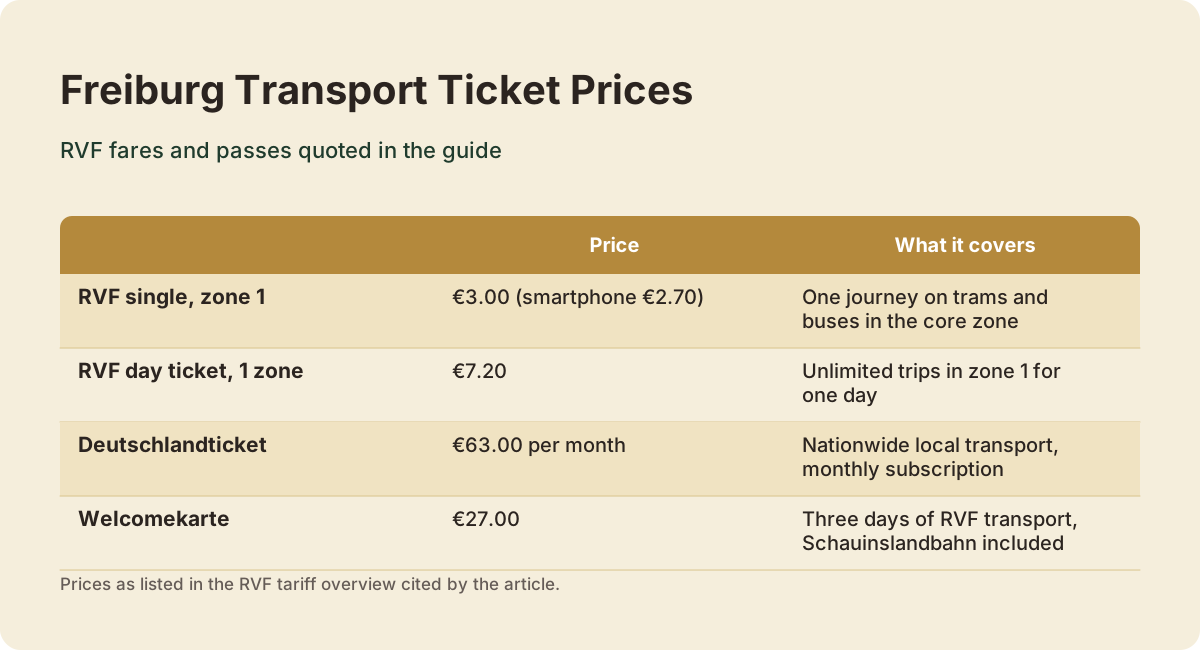
If your day trip is a one-off, the Welcomekarte is probably more than you need; a €3.00 single or a €7.20 day ticket for one zone covers the old town and most visitor sights, and the RVF tariff overview PDF lists every current price. The full comparison, including what the Welcomekarte adds over single tickets, is worked through in the Freiburg Welcomekarte guide.
| Ticket | Price | What it covers |
|---|---|---|
| RVF single, zone 1 | €3.00 (smartphone €2.70) | One journey on trams and buses in the core zone |
| RVF day ticket, 1 zone | €7.20 | Unlimited trips in zone 1 for one day |
| Deutschlandticket | €63.00 per month | Nationwide local transport, monthly subscription |
| Welcomekarte | €27.00 | Three days of RVF transport, Schauinslandbahn included, plus a Kulturbonus |
How Do You Spend The Day Once You Arrive?
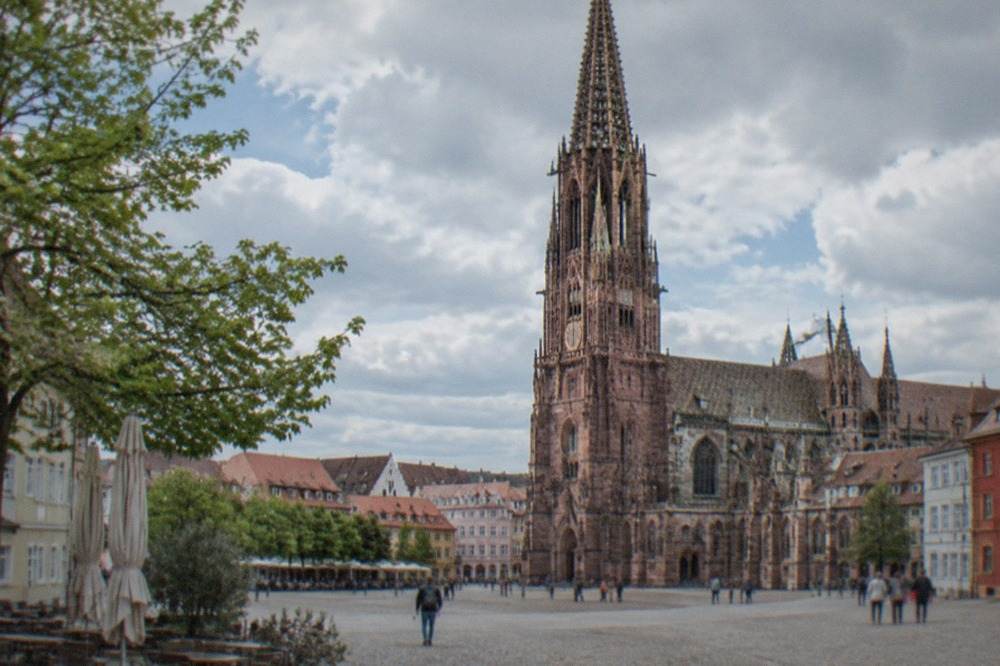
Walk out of Freiburg Hauptbahnhof, cross the bridge over the tracks, and you are ten minutes on foot from the old town, with the Minster as the anchor. A realistic day covers the Minster and its tower, the Münstermarkt, the Bächle and the two surviving gates, then one afternoon fork: museums on a grey day, or the Schlossberg on a clear one. Almost all of it sits inside a square kilometer.
Start at the Minster, the red sandstone church that dominates the city. The nave is free to enter. The tower climb is the item people remember: the west tower is 116 m tall, but visitors climb to a gallery at 70 m, not the top, a distinction worth knowing before you promise children the summit. Climbing costs €5 for adults, €3 for children and teens, €13 for a family, and under-7s go free, with hours of Mon-Sat 11:00-16:00 and Sun and holidays 13:00-17:00. The top gallery closes in winter. Restoration work is a constant at the Minster, and the tower octagon is slated for a restoration beginning around 2027 at a cost of over €18 million, though the works planned use sectional scaffolding rather than a full enclosure, so the view is not going away.
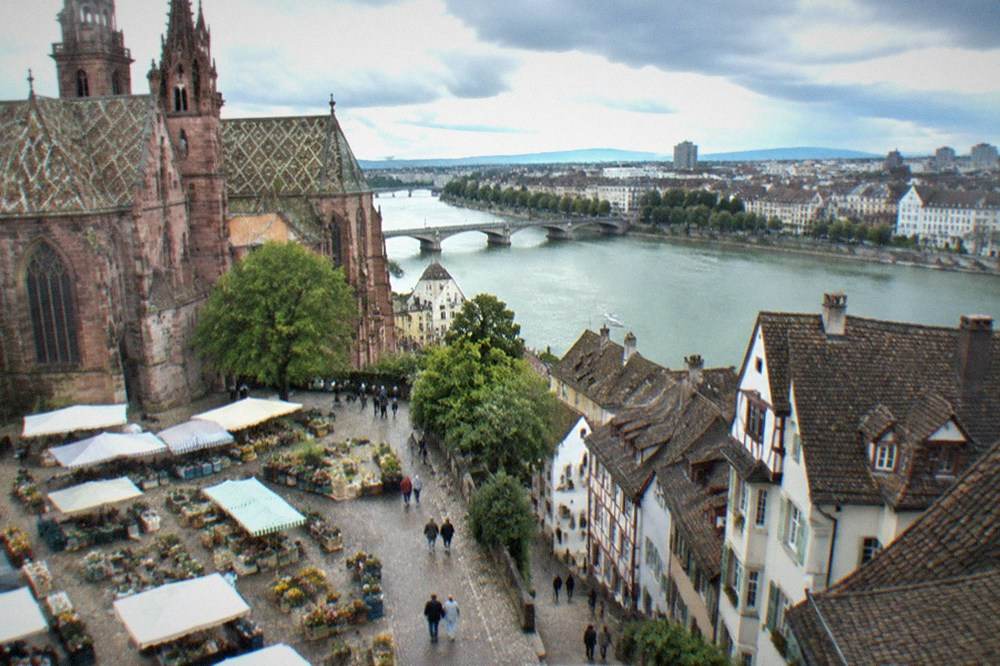
The Münstermarkt around the church runs up to 130 stalls, Monday to Friday from 07:30 to 13:30 and on Saturday, with recent reporting giving Saturday until 14:00. Come hungry. The market is the cheapest good meal in the city: a length of bread, local cheese and a plum tart eaten on the steps of the Minster beats most restaurant lunches in the old town. Regional specialties worth knowing are covered in the Freiburg food guide, and the market itself has its own dedicated page, the Münsterplatz market guide.
From the market, the old town unrolls itself. The Bächle, the narrow water channels running along many streets, once fed water to the city and now cool the ankles of anyone who missteps; local lore says stepping in one means marrying a Freiburger. Martinstor and Schwabentor, the two surviving city gates, bracket the old town on the south and north. The Augustinerplatz and its Augustinermuseum are worth the stop now more than they have been in two decades, because the museum fully reopened on 28 February 2026 after the final phase of a renovation that ran for more than twenty years. Admission is €12, reduced €8, free for under-27s, and the day ticket covers the other city museums.
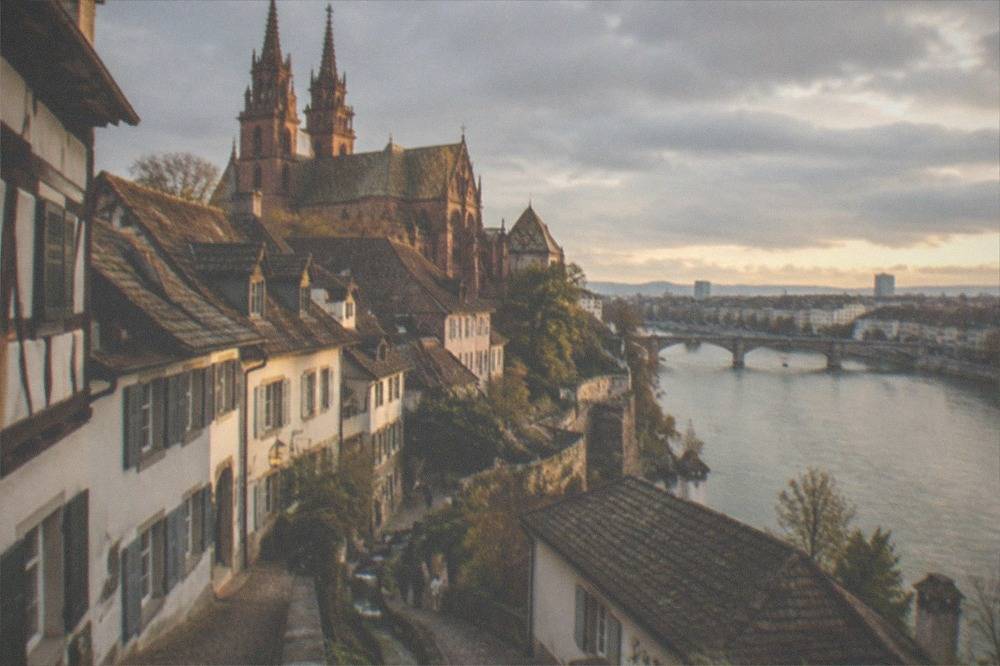
If the afternoon is clear, skip the museums and climb. The Schlossberg rises directly behind the old town, and the funicular costs €3.70 one way or €6.50 up and down for an adult. The Schlossbergturm at the top is a 33.27 m observation tower with no admission charge. The view takes in the whole city, the Rhine plain and, on the best days, the Vosges across in France and the Alps to the south. The full walk, the cable car and the viewing spots are detailed in the Schlossberg guide.
| Time | Plan | Cost notes |
|---|---|---|
| Morning | Minster tower climb, then Münstermarkt for lunch | Tower €5 adult; market food by the item |
| Early afternoon | Old town walk: Bächle, Martinstor, Schwabentor | Free; the gates are street landmarks |
| Late afternoon | Clear day: Schlossberg and tower. Grey day: Augustinermuseum | Funicular €3.70 one way; museum €12 day ticket |
| Evening | Dinner in the old town, then the train back to Basel | See the tour options below for a guided evening |
Is The Trip Different In Winter, Especially At Christmas?
Yes, and mostly for the better. The Freiburg Christmas market runs from 19 November to 23 December 2026, spread across Rathausplatz, Kartoffelmarkt, Unterlindenplatz and the Franziskanerstraße, and entry is free. The Minster tower's top gallery closes in winter, trimming one item from the day plan, but the market and the Badische wine taverns more than fill the gap. A Basel visitor gets two countries' worth of seasonal atmosphere in one day.
The 2026 market details are confirmed: opening on 19 November from 14:00, weekdays 10:00-20:30, Sundays 11:30-19:30, closed on 22 November for Totensonntag, and 23 December until 19:30. Somewhere between 120 and 140 stands and chalets take over the Altstadt. Freiburg's version is less internationally famous than Basel's own, which is precisely the point for a visitor based in Basel: the day trip gives you the German take on the season, heavier on Badische food and Glühwein from regional wineries, without the Swiss price level. The seasonal food and the wine angle are worth a read in the Baden wine guide.
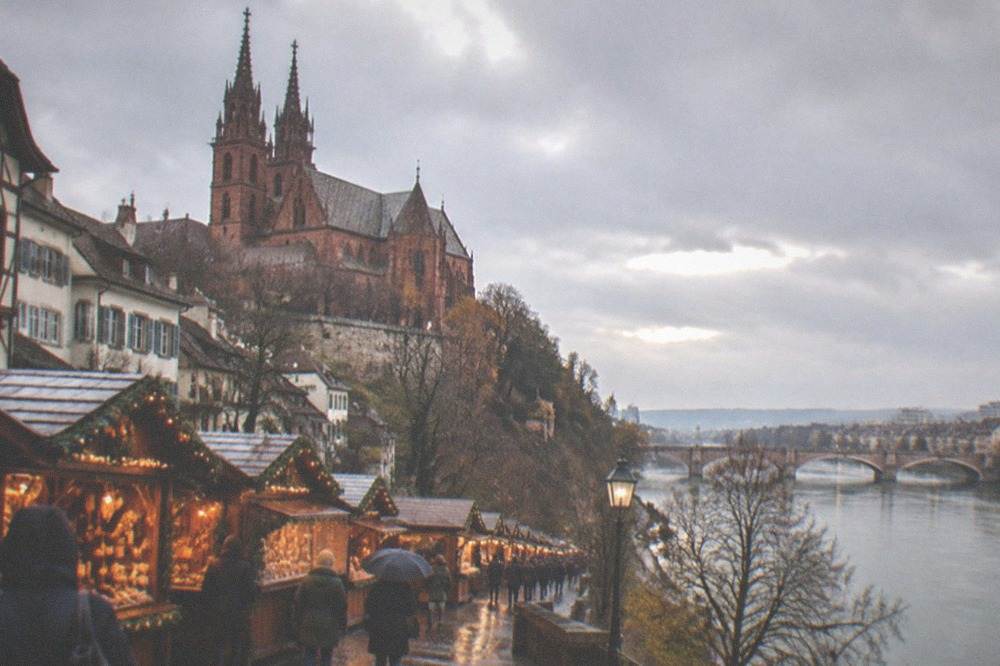
Winter days are short, which pushes the day trip toward an evening option. This is where a guided experience earns its place. Freiburg's most distinctive winter evening is the Christmas Drag Show Walk with Betty BBQ, a roughly hour-and-a-half tour that layers drag performance over the Christmas-lit old town. It is rated 4.6 across 55 reviews and runs from $43. The warmth of the welcome matters as much as the jokes; reviews consistently describe a host who handles hecklers with charm and a route that ends somewhere festive. For a fuller meal-led alternative, the Culinary Tour of Freiburg, about two hours from $61, samples the old town through several stops, though its review pool is currently too small to print a star rating honestly.
After the market and a show walk, the last trains back to Basel run late enough for a relaxed dinner, but this is the one logistical item you should verify the same day you travel. Construction works on the Rheintalbahn have been replacing evening trains with buses on some weekends through 2026, and a replacement bus doubles the return journey. Check the evening departures before you sit down for the last glass of Badischer Spätburgunder.
What Does A Basel To Freiburg Day Trip Really Cost?
Count the crossing, the in-city transport and the day's food and admissions separately. The crossing has no verified public fare figure in this site's research, so budget from the railway's own booking tools rather than an aggregator's guess. Inside Freiburg, €3.00 covers a single tram ride, the Minster tower is €5, the Augustinermuseum is €12, and market food runs to what you carry in your pocket.
The honest way to budget is to separate the Swiss and German legs. The Swiss side, getting to Basel SBB, you know already if you are staying in the city. The cross-border leg, Basel to Freiburg, depends on which train type you take and how early you book, and no verified fare table for it exists in the primary sources this site uses, so resist the neat-looking numbers that aggregator sites print. Once in Germany the costs are firm: the RVF tariff overview gives zone 1 at €3.00 single and €7.20 day, the Welcomekarte at €27.00 for three days including the Schauinslandbahn, and the Deutschlandticket at €63.00 per month for anyone staying longer.
Admissions stack up gently. The Minster nave is free, the tower €5, the Augustinermuseum €12 with a day ticket that covers the other city museums, and under-27s enter the state museums free, a generous rule that makes Freiburg unusually cheap for students and younger travelers. The Museum für Neue Kunst is €7, the Colombischlössle archaeological museum €5, and the Dokumentationszentrum Nationalsozialismus is free. One caveat from the 2026 reporting: the Museum Natur und Mensch's permanent exhibition is closed from 4 August 2026 until around the end of February 2027 for renovation, though special exhibitions continue.
Food is where a Basel visitor feels the difference most. A market lunch can cost a few euros. A proper evening meal in a Badische tavern, say roast pork with dumplings and a local Spätburgunder, prices at German levels rather than Swiss ones. The region's starred dining, five one-star restaurants in the 2026 Michelin Guide, sits at the top of the range, but the old town's Wirsthäuser are the natural end to a day trip. The Freiburg on a budget guide works through the cheap end in detail.
| Item | Price | Notes |
|---|---|---|
| RVF single, zone 1 | €3.00 | Smartphone price €2.70 |
| RVF day ticket, zone 1 | €7.20 | Unlimited day travel in the core |
| Minster tower climb | €5 adult | Family €13; under-7s free; gallery at 70 m |
| Augustinermuseum | €12 | Day ticket valid across city museums; free under 27 |
| Schlossbergbahn funicular | €3.70 one way | €6.50 return |
| Schauinslandbahn cable car | €15.00 return | Included in the Welcomekarte |
Should You Turn The Day Trip Into An Overnight?
Do it if your day plan pulls you toward the Schauinsland, the Kaiserstuhl wine country or an evening show walk, because those commitments run past the comfortable last train and the morning connections from Basel are frequent enough that an overnight costs you nothing in logistics. The overnight tax is 5% of the net room price, and the hotel scene is mid-change in 2026.
The hotel changes are recent and material. The Novotel Freiburg am Konzerthaus, the 219-room house opposite the main station, was acquired in September 2026 and leased long-term to Scandic, with a renovation and rebrand to Scandic Freiburg planned for autumn 2027; it currently operates as Novotel. The IntercityHotel near the station was taken over by Leonardo in December 2025 with a rebrand targeted for completion by mid-2026. The Vienna House by Wyndham is becoming a Dormero. The Panoramahotel above the city has been closed since a June 2024 fire, with a full core renovation planned. None of this changes the fundamentals, the city has ample beds and occupancy ran at 55.2% in 2025, but station-adjacent bookings should be made with the names in flux. The neighborhood breakdown is in the where to stay in Freiburg guide.
The stronger argument for an overnight is the second morning. A day trip gives you the old town. Two days give you the Schauinsland, with its cable car and mining museum, and the Kaiserstuhl wine villages, both awkward to compress into a single afternoon. The two days in Freiburg guide builds the full plan. Even the single-day version is worth doing: a Freiburg that in 2025 drew just over a million arrivals and 2,130,785 overnight stays across establishments with at least ten beds, with international arrivals up 2.7% while the domestic market cooled slightly, remains a city that rewards the walk from the station.
What Are The Common Mistakes On This Route?
The recurring errors are currency and card mistakes, assuming the last train is late, printing a train time from a stale source during the Rheintalbahn works, expecting a KONUS card from a Freiburg hotel, and buying a Swiss rail product for a German journey it does not cover. Each is avoidable with a few minutes of preparation, and none of them will ruin the trip, only compress it.
The first mistake is arriving with francs only. Freiburg till prices, trams, museums, market stalls, are in euros. The second is trusting a fixed Basel-to-Freiburg journey time. The 35 to 50 minute range this site's research indicates is unverified against the live timetable, and construction weekends replace trains with buses. The third is the KONUS assumption, covered above: Freiburg does not issue it. The fourth is forgetting that Basel has two stations; a traveler standing at Badischer Bahnhof while the departure board points at SBB has a ten-minute fix but a moment of panic. The fifth, and the most pleasant one to make, is planning only the old town and missing the fact that the whole city is geared to being outside: 76% of trips by Freiburgers were made on foot, by bike or by public transport in 2023, up from 67% in 2017, and the city you are visiting is built around that rhythm.
For the evening, two guided options fill the hours past dinner. The Guided Pub Crawl with Drinks, about four hours from $51, rated 4.4 across 107 reviews, runs the old town's bars with drinks included and suits a group that wants the nightlife handed to them. It pairs with a Christmas market afternoon as the winter version of the same idea. Book the market day first: the 2026 market window of 19 November to 23 December is fixed, but the show walks and pub crawls run to their own calendars, and availability on a December weekend is tighter than the market itself.
A quieter evening alternative is the Culinary Tour of Freiburg, about two hours from $61, which walks the old town through several food stops. Its review pool is currently just two, too few to print a star rating honestly, so go in expecting a tasting route rather than a proven crowd-pleaser. Between the three evening formats, the drag show walk, the pub crawl and the culinary tour, most visitors find one that fits the energy of their day, and all three sit within a ten-minute walk of the tram stops that feed the station for the journey back to Basel.
This route, Basel to Freiburg and back in a day, is one of the quiet bargains of European travel: two languages, two currencies and two very different cities inside twelve hours. The practical pointers on this Freiburg Travel Guide site cover the rest of the planning, from the Basel guide for the Swiss side of the border to the itinerary pages for the German one. Whatever the season, check the live timetable the morning you travel, carry euros rather than francs, and leave room in the plan for the unplanned hour on a market square.
Common Questions About Basel To Freiburg
How long is the train from Basel to Freiburg?
Recent research puts the direct train between roughly 35 and 50 minutes, but that range is unverified against the live timetable, and construction works on the Rheintalbahn corridor have been replacing some trains with buses on weekends through 2026. Check the railway's own journey planner for your specific date and departure.
Do you need a passport to travel from Basel to Freiburg?
No routine border control applies, because both Switzerland and Germany are in the Schengen area. Carry a passport or national ID card anyway, since spot checks are legally possible on cross-border routes and an ID is required to cross any external Schengen border if your trip continues elsewhere.
Can you use Swiss francs in Freiburg?
Not at the till. Freiburg prices everything in euros, from the €3.00 tram single to museum admissions and market food. Card payment is widely accepted in the old town, but withdrawing euros before leaving Basel beats exchanging at the station.
Is Basel to Freiburg a good day trip?
Yes, it is one of the easiest cross-border day trips in Europe. The old town, the Minster tower climb, the Münstermarkt and the Schlossberg fit inside a day, with the Christmas market from 19 November to 23 December as the winter bonus. The only real constraint is the last return train, worth checking on the day.
Do Freiburg hotels give you a KONUS card?
No. Freiburg city is not a KONUS municipality. The visitor transport product for stays in Freiburg is the RVF Welcomekarte, at €27.00 for three days, covering buses and trains and including the Schauinslandbahn. A KONUS card issued by a member town elsewhere in the Black Forest is still valid on Freiburg's trams and buses.
What is the best time of day to travel from Basel to Freiburg?
Go early. The Münstermarkt runs only until 13:30 on weekdays, with recent reporting giving Saturday until 14:00, so a mid-morning arrival catches the market at its best and leaves the full afternoon for the Schlossberg or the Augustinermuseum, which fully reopened on 28 February 2026 after its long renovation.