Kaiserstuhl Day Trip From Freiburg: Vineyards, Wine Festivals And Onion Tart
The Kaiserstuhl is the wine hill country on Freiburg's doorstep. Here is how to plan the day: tickets, festivals, cellar doors and what a guided add-on is actually worth.
Short answer
The Kaiserstuhl is a chain of low, sun-washed hills in the Upper Rhine plain west of Freiburg and one of Baden's core wine zones. A day trip works on ordinary RVF regional trains and buses, with day tickets at €7.20-14.30 or a 3-day Welcomekarte at €27.00. The calendar peaks with the Breisach wine festival in late August and the KaiserHerbst tastings in October.
What The Kaiserstuhl Is And Why Wine Lovers Go
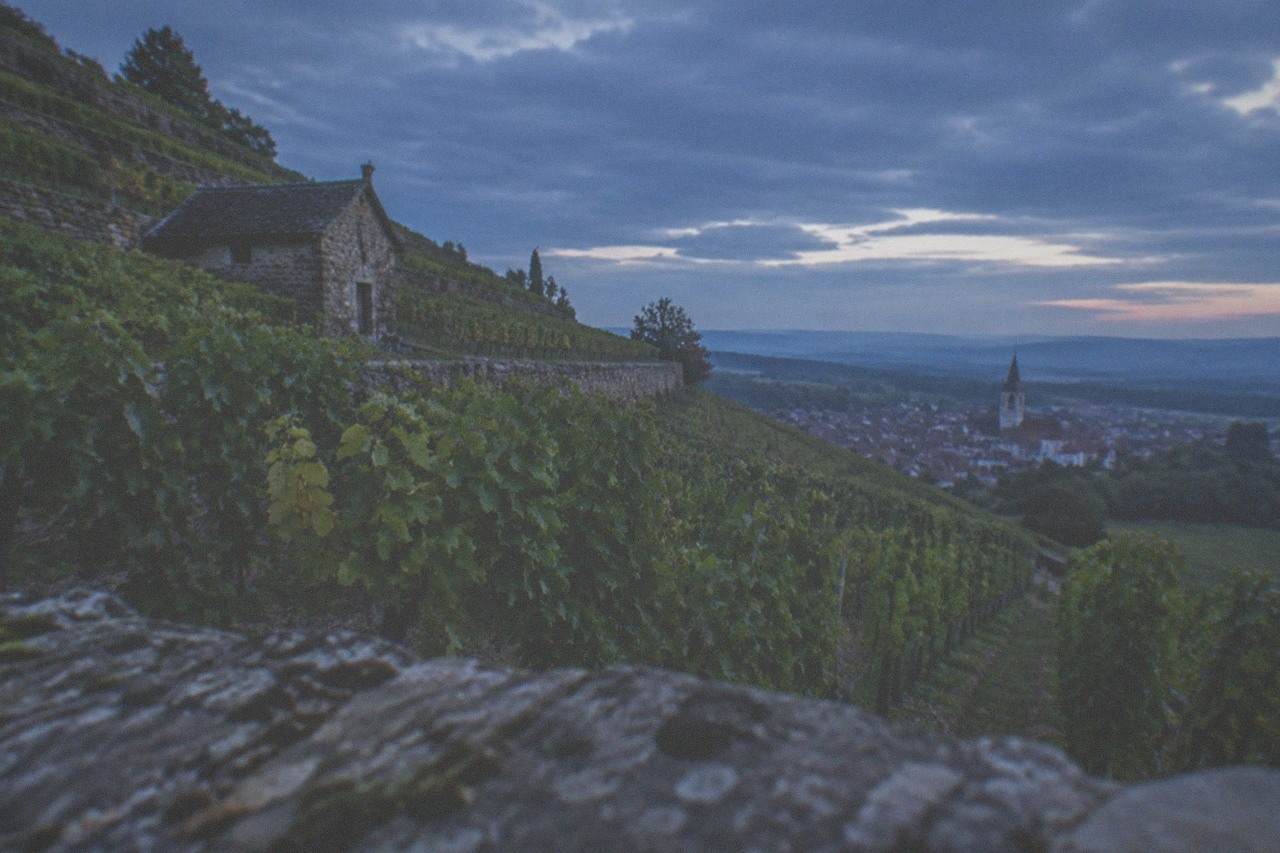
The Kaiserstuhl is a chain of low hills rising out of the Upper Rhine plain west of Freiburg, and it is one of the heartlands of Baden wine country. Vineyards stack up its slopes, wine villages sit in the hollows, and the long, warm growing season is exactly what Pinot-family varieties want. It rewards a slow day rather than a quick photo stop.
Freiburg itself sits at the eastern edge of this landscape, with the Tuniberg and the Kaiserstuhl hills stretching away toward the Rhine. The city's climate record, one of the warmest in Germany with an annual mean of 11.0°C, is the same advantage the vines two valleys over enjoy, and the region's growers lean into it: the collective marketing of the Kaiserstuhl wineries is built around Burgundy-style varieties, the Pinot family that likes warm, dry slopes. One regional wine magazine describes the area straight out as a Burgundy paradise, a year-round cycle of vineyard work, cellar visits and festival weekends.
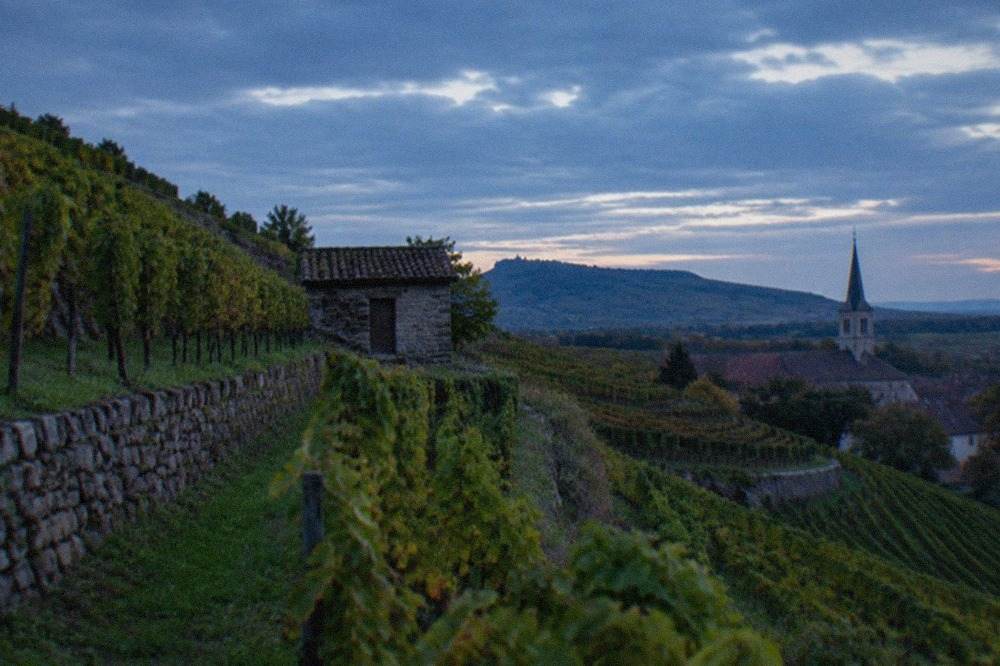
The practical shape of a visit is simple. You come for the landscape, you stay for the cellar doors, and you time your trip around the festival calendar if you can. Unlike a city sightseeing day, everything here is seasonal: a Kaiserstuhl weekend in late August, when the Breisach wine festival is running, is a completely different experience from a quiet February afternoon when the vines are bare and half the tasting rooms keep short hours. Planning around that rhythm is the single biggest thing this Freiburg Travel Guide article can do for you.
There is a second reason wine travelers keep coming back to this region, and it is worth stating plainly. The Kaiserstuhl is not a wine theme park; it is a place where a large share of the local economy runs on the vine, which means the people pouring your glass are usually the people who grew the grapes or their immediate neighbors. That shapes the whole day. Tastings are unhurried, conversation is part of the service, and the food on the table, the onion tart, the new wine, the regional ham, comes from within a few kilometers of where you are sitting. For travelers used to city tasting rooms, that intimacy is the adjustment, and once you have made it, the pace of the hills starts to feel less like slowness and more like the point.
If you are building the wider trip, our Baden wine country guide covers the region's styles and structure in depth, and Breisach, at the Rhine end of the hills, works well as a fixed anchor point for a day trip, since it is the town the region's flagship August festival is named for.
How To Get To The Kaiserstuhl From Freiburg
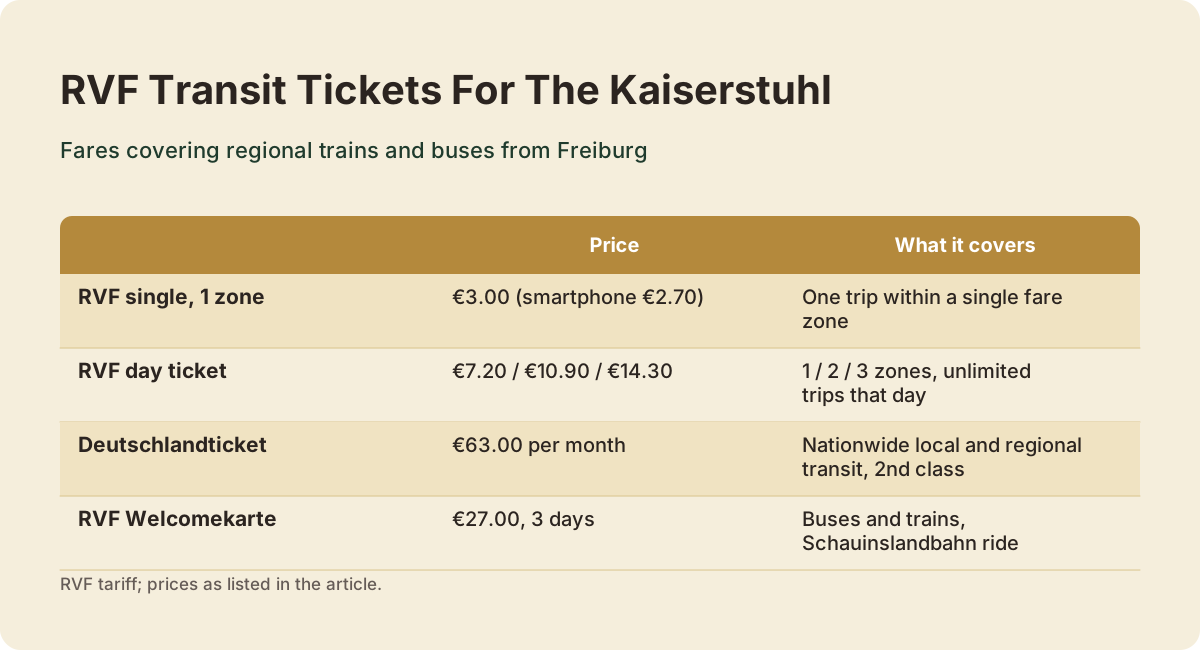
The Kaiserstuhl sits inside the RVF transit region, so no special excursion ticket is needed: ordinary regional trains and buses cover the route with normal fares. A one-zone single costs €3.00 (€2.70 from a smartphone app), and day tickets run €7.20, €10.90 and €14.30 for one, two and three zones respectively. Check the zone map against your exact destination before buying, because the hills straddle fare zones.
The RVF tariff is the practical backbone of the day. Singles, day tickets and the monthly Deutschlandticket at €63.00 all run on the same regional network, and visitors staying several days have a dedicated product: the RVF Welcomekarte, a 3-day visitor ticket at €27.00 for adults that covers buses and trains and includes a ride on the Schauinslandbahn cable car plus a Kulturbonus discount booklet, as the transport association's own Welcomekarte product page details. Our Welcomekarte guide breaks down when the visitor ticket beats ordinary day tickets; for a single Kaiserstuhl day it usually does not, but for a three-day stay with a Schauinsland ride thrown in, the arithmetic changes.
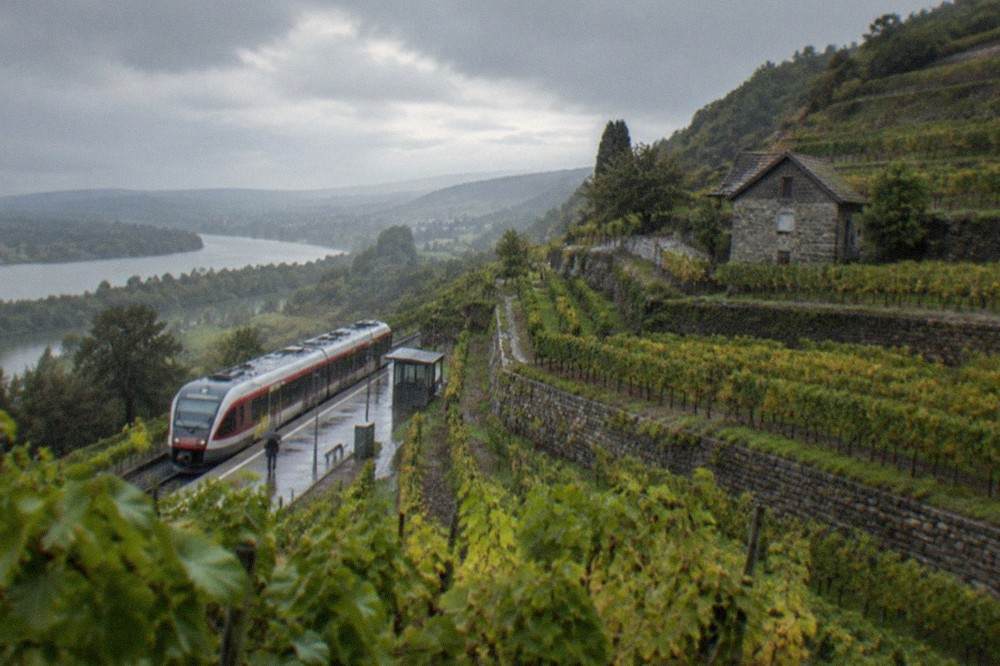
One thing worth knowing before you set out: the region is largely rural, and service frequency thins the deeper into the wine villages you go. A morning start gives you the widest choice of connections and a comfortable margin for a long lunch and a festival afternoon; a late start risks finishing the day dependent on an infrequent evening bus. Wine festival weekends add traffic and full trains around the main event towns, so on the big festival dates, traveling early is less of a suggestion and more of a plan.
A few practical notes on the ground. Traveling light makes every connection easier, since village stations are small and you may be walking the last stretch between stops on paths rather than pavements. Good shoes matter more here than in the city, because the terraced slopes that make the Kaiserstuhl photograph so well also mean gravel, grass and steps between cellar doors. And it is worth checking your return connection before your last tasting rather than after; rural evening schedules are built for residents, not for visitors hoping for one more pour.
| Ticket | Price | What it covers |
|---|---|---|
| RVF single, 1 zone | €3.00 (smartphone €2.70) | One trip within a single fare zone |
| RVF day ticket | €7.20 / €10.90 / €14.30 | 1 / 2 / 3 zones, unlimited trips that day |
| Deutschlandticket | €63.00 per month | Nationwide local and regional transit, 2nd class |
| RVF Welcomekarte | €27.00, 3 days | Buses and trains, Schauinslandbahn ride, Kulturbonus |
The fare detail above comes from the RVF tariff overview, and the Welcomekarte figures from the transport association's own product page; check the live pages or a station machine before you travel, since fare structures get adjusted from time to time.
Before you head out, the hills reward a bit of orientation, and a guided start in the city can help frame what you are looking at. The selection below gathers three Freiburg-based options that pair well with a Kaiserstuhl day.
The Kaiserstuhl Wine Calendar For 2026
The 2026 calendar has two anchors: the Weinfest of Breisach, Kaiserstuhl and Tuniberg runs 28-31 August, and the KaiserHerbst tasting series follows from about 10 October to 8 November with events including KaiserWii, Sonntagswein and a Lagenverkostung, a single-vineyard tasting. Around those sit the recurring local Hocks, the autumn Zwiebelkuchenfeste and open winemaker cellar days, which need no ticket at all.
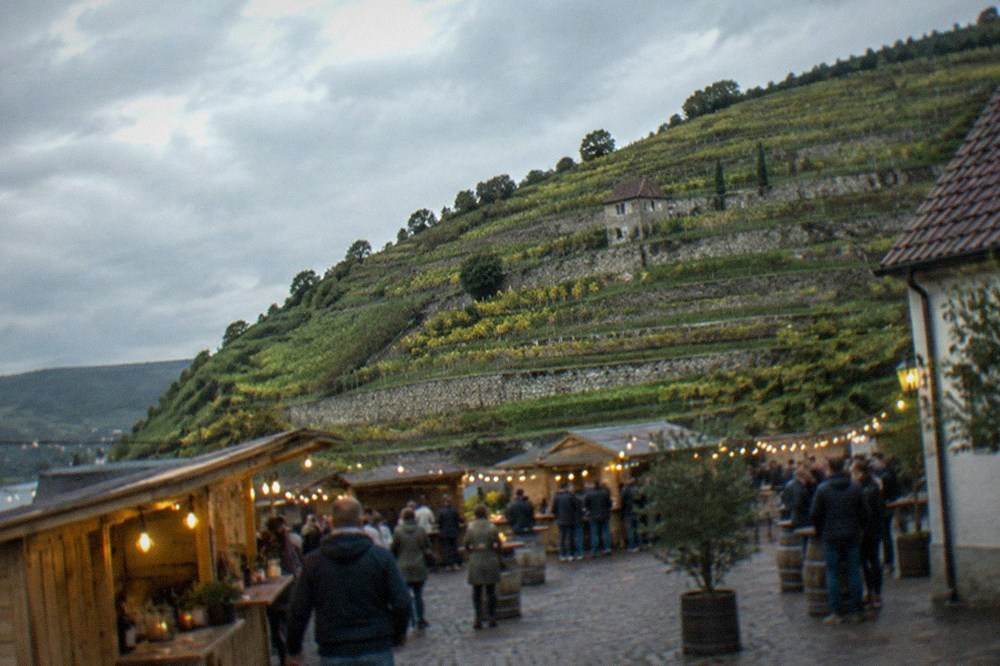
This calendar is the reason to be flexible with your dates. The Breisach festival at the end of August is the big collective event, where the region's wineries set up stalls over a long weekend; KaiserHerbst in October is the connoisseur's window, a series of smaller, themed tastings spread across a month of autumn. Between them, individual villages run their own Hocks, informal open-cellar afternoons, and the Zwiebelkuchenfeste, onion tart festivals, that mark the new-wine season. None of this is ticketed spectacle in the way a city event is; most of it is villagers pouring their own wine in their own courtyards, which is exactly the charm.
The regional wineries publish their own event schedules, and those pages are the primary source for exact dates and opening hours; the collective regional calendar and individual grower listings such as the Bischoffinger winemakers' event page carry the authoritative detail for each weekend. Two habits will serve you well when reading them. First, treat any listed time as a window rather than a schedule; a Hock that says it opens in the afternoon may genuinely start pouring whenever the first guests arrive. Second, note which events run on which days of the week, because a Sunday-only tasting changes the shape of a Saturday trip entirely, and the grower pages are the only place that detail is reliable.
What A Day Trip To The Kaiserstuhl Looks Like
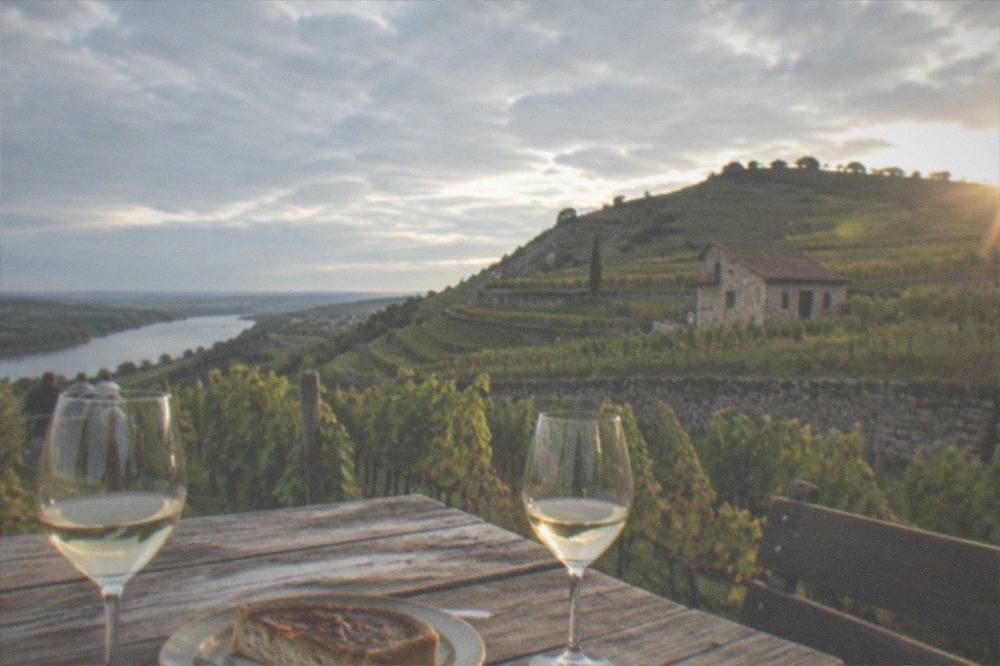
A good Kaiserstuhl day is a morning in the vines, a long midday stop in a wine village for onion tart and new wine, and a festival or cellar afternoon. The classic autumn pairing of Zwiebelkuchen and young wine is the region's signature dish, and the pace is set by tasting rooms and market stalls rather than monument opening times. The day itself is the point.
Start in Breisach or one of the wine villages on the eastern side and work outward. The Zwiebelkuchen season, roughly September through November, lines up neatly with the festival calendar: an onion tart festival is not a museum event but a courtyard with tables, a slice of warm tart, and a glass of the year's young wine, Federweisser-style, that has not finished fermenting. If your dates fall outside the season, the cellar doors carry the same food culture year-round in their Besenwirtschaften, the temporary taverns growers open when they have wine to pour, though hours are informal and a festival weekend is by far the easiest time to taste broadly.
Back in Freiburg, the same wine culture has a city address or two worth knowing about. A wine bar called Trotte opened in Fischerau with roughly 400 wines on the list and a focus on rarities from Germany, France and Burgundy, and Ludvigs, the region's first Stehausschank, a standing wine room, took over a renovated café site in the old town. Neither replaces a day in the hills, but both are good places to taste the region's range once the buses have carried you home. The pattern they complete is worth noticing: Freiburg gives you the urban version of the region's wine culture every evening, and the Kaiserstuhl gives you the source of it. A trip that uses both feels round in a way that either half alone does not.
For a structured introduction to the region's pairing logic, there is a one-hour tasting in Freiburg itself: four Baden wines with onion tart, from $31 per person, with no review pool yet on the live listing, so judge it on format and price rather than ratings.
Which Villages Anchor The Best Kaiserstuhl Day
Breisach is the natural anchor: it sits at the Rhine end of the hills, holds the region's flagship wine festival in late August, and connects directly to the regional rail network. From there, the day spreads outward into the wine villages of the slopes, where open cellar doors and the growers' own event pages determine what is pouring. Pick one anchor, not three, and let the villages come to you.
The single biggest mistake a first-time visitor makes here is treating the Kaiserstuhl like a checklist. The hills look small on a map, and the temptation is to plan a route that touches four or five villages in a day. What the map does not show is that each stop is worth an unhurried hour, that the cellar doors cluster rather than line up along a convenient corridor, and that rural buses between villages run on frequencies measured in halves of hours, not minutes. A day anchored in one place, with maybe one short hop if a connection lines up, leaves you relaxed and well fed. A day spent chasing the next village leaves you watching departure boards.
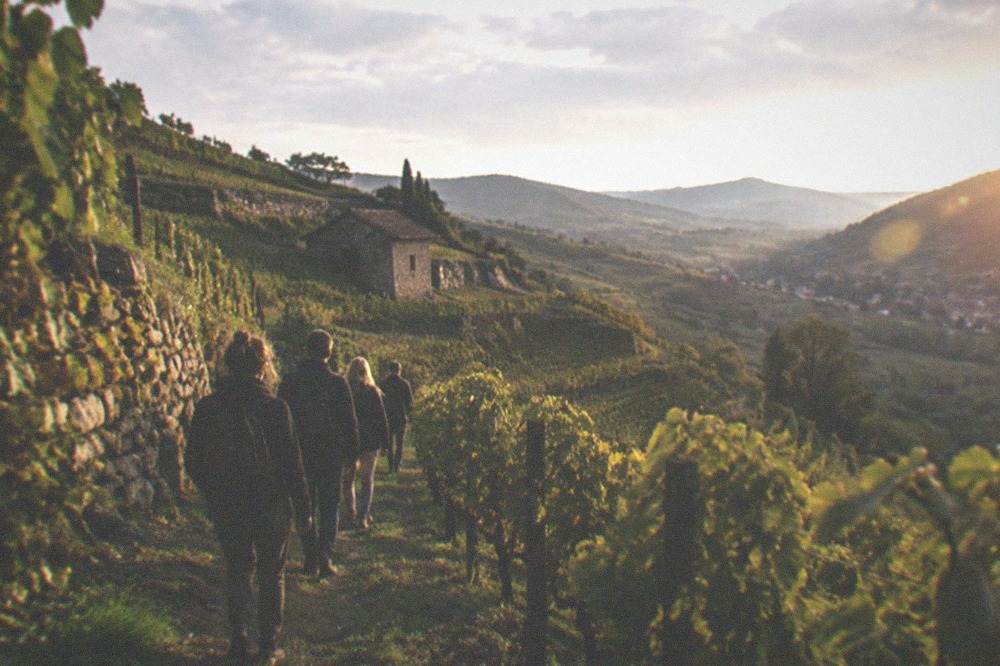
Festival weekends change the equation slightly, and in your favor. When a village is running a Hock or an open-cellar day, the growers have already solved the logistics for you: stalls, food and pouring are concentrated in one walkable center, and the event page tells you exactly where to be. On those dates, the anchor choice is made for you; you simply go where the festival is. The grower collectives around the hills, including the Sasbacher winemakers' cellar, publish their event rounds each season, and a few minutes with those pages before you leave Freiburg is the difference between arriving at a living festival and arriving at a shuttered square.
| Day type | Best anchor | Why it works |
|---|---|---|
| Festival weekend | The village hosting the event | Stalls, food and tastings are concentrated and walkable |
| Quiet season day | Breisach | Rail connection, Rhine setting, reliable year-round options |
| Tasting-focused day | One village with several open cellar doors | Depth over breadth; no bus-timing stress |
| Photography day | The eastern slopes toward evening light | Low sun across the terraced vines |
Whatever anchor you choose, build the day around one long midday stop rather than a chain of short ones. The Kaiserstuhl's hospitality culture is built on lingering, and the growers expect it; rushing through a tasting to catch a bus reads as odd here in a way it does not in a city bar. If your schedule only allows a half day, cut a destination, not the pace.
Guided Tours And Tastings That Pair With The Hills
The honest answer is that the Kaiserstuhl itself is not a guided-tour destination; the tasting happens in the villages and at the festivals. What the tour market offers is a Freiburg layer: a wine hike and tasting from $79, a four-wine tasting with onion tart from $31, and city walks that frame the region. If you want a guide, treat the hills as self-guided and book the tour in town.
The one tour in the roster that takes the wine theme outdoors is the Veni, Vidi, Vino wine hike, about two and a half hours including a tasting, from $79, rated 4.4 across 167 reviews. It runs from Freiburg, not the Kaiserstuhl, but it covers the same grape story, terroir and tasting culture that you will meet in the villages, and the review pool is large enough to trust the rating. For comparison, the self-guided scavenger hunt through Freiburg runs about two hours from just $3, rated 4.4 across 43 reviews, a cheap, cheerful way to learn the city before you head west.
| Tour | Length | Price from | Reviews |
|---|---|---|---|
| Veni, Vidi, Vino wine hike and tasting | ~2.5 hours | $79 | 4.4 across 167 reviews |
| Tasting of 4 wines at Town Hall Square with onion tart | ~1 hour | $31 | No reviews yet on the listing |
| Scavenger hunt self-guided tour of Freiburg | ~3 hours | $45 | 4.9 across 15 reviews |
| Freiburg food tour with full meal and drinks | ~3 hours | $126 | 7 reviews, too few for a star claim |
| Self-guided scavenger hunt and highlights walk | ~2 hours | $3 | 4.4 across 43 reviews |
The photography angle deserves a word too. The Kaiserstuhl at golden hour is one of the region's great free sights, and travelers who care about pictures tend to get more out of the whole trip when they arrive knowing what their camera wants. A Freiburg photo walk with a local, from $92, exists on the roster; it has only 2 reviews so far, too few to say anything about quality, but the format, a local leading you to photogenic spots, is a reasonable way to sharpen your eye before the hills.
And for a fuller eating day in town before or after the vineyards, a three-hour food tour with a full meal and drinks runs from $126; its 7 reviews are too few for a star claim, so treat it as an itinerary with food included rather than a proven quantity.
When To Go: Harvest, Weather And Crowds
The two best windows are late August and October. Late August delivers the Breisach wine festival weekend, 28-31 August in 2026, on the year's warmest reliable weather; October delivers KaiserHerbst, the onion tart season and autumn vine colors, on cooler, shorter days. Summer weekends are warmest but busiest; winter is quiet, with short cellar hours and bare vines.
The climate record makes the case for autumn. In Freiburg, September still averages 15.4°C with 176.2 hours of sunshine and only 0.6 days at 30°C or above, while October cools to a 10.9°C mean with 116.2 sunshine hours. Rainfall stays moderate through both months, 77.4 and 78.5 mm, and the wine calendar is built around exactly this stretch: harvest is in progress, new wine is arriving, and the festival dates cluster here. July and August are the sunniest months at 252.2 and 234.4 hours, but they carry 7-plus days above 30°C each, which is fine in the vines and less fine in a crowded festival square.
| Month | Mean temp | Sunshine hours | Rain mm | Days at 30°C+ |
|---|---|---|---|---|
| July | 20.1°C | 252.2 | 92.2 | 7.3 |
| August | 19.7°C | 234.4 | 83.3 | 7.0 |
| September | 15.4°C | 176.2 | 77.4 | 0.6 |
| October | 10.9°C | 116.2 | 78.5 | 0.0 |
If your trip falls outside the festival windows, do not write the region off. Late spring brings the vines into leaf and the first open-cellar weekends, and a quiet winter day in the villages has its own appeal, provided you check ahead: rural tasting rooms keep irregular off-season hours. The trade-off is always the same, festivals for crowds or quiet for choice, and the shoulders of the calendar, May-June and September-October, split the difference better than any other weeks.
One more planning thought. Because the festival calendar is what turns a pleasant walk into a memorable day, it is worth letting the calendar pick your date rather than the other way round. If your Freiburg stay is fixed and the Kaiserstuhl dates are flexible, look up the festival schedule first and then decide which day of your stay becomes the hill day. Travelers who do this the other way round, choosing a date and then hunting for something happening that day, usually end up with the quiet-village version of the region, which is lovely but is not the version the wine crowd travels for.
To plan the city half of the trip in more depth, see our guide to the best time to visit Freiburg, which runs the same climate logic for the whole year.
Whichever window you pick, a guided layer in town can round out the trip; the three options below are the ones that pair best with a Kaiserstuhl day.
Common Questions About The Kaiserstuhl
What Is The Kaiserstuhl?
A chain of low, warm hills in the Upper Rhine plain west of Freiburg, and one of the core zones of Baden wine country, built around Pinot-family varieties. Wine villages, cellar doors and festival squares fill the hills, and the region runs on agriculture, not attractions, so the experience is tasting rooms and courtyards rather than ticketed sights.
How Do I Get From Freiburg To The Kaiserstuhl?
Ordinary RVF regional trains and buses, with normal fares: a one-zone single is €3.00 (€2.70 by app), and day tickets cost €7.20, €10.90 and €14.30 for one, two and three zones. No special excursion ticket exists. Start in the morning, since service to the wine villages thins out later in the day.
When Is The Best Time To Visit The Kaiserstuhl?
Late August for the Breisach, Kaiserstuhl and Tuniberg wine festival, 28-31 August in 2026, or October for the KaiserHerbst tastings, roughly 10 October to 8 November, plus the onion tart and new-wine season. September and October combine 176.2 and 116.2 sunshine hours with comfortable mean temperatures of 15.4 and 10.9°C.
Do I Need A Car For The Kaiserstuhl?
No. The region sits inside the RVF transit network, so a carless day works on trains and buses, especially if you anchor the trip in Breisach or a single village rather than trying to hop between several. A car adds flexibility for the smallest cellar doors, but on festival weekends it adds parking stress too.
Is The Welcomekarte Worth It For A Kaiserstuhl Trip?
For a single day, usually not: one day ticket at €7.20 to €14.30 is cheaper than the €27.00 Welcomekarte. The 3-day visitor ticket pays off when you stay longer and use its extras, which include a ride on the Schauinslandbahn cable car and a Kulturbonus discount booklet, so it suits a three-day Freiburg-plus-hills stay rather than a one-day sprint.