Vauban Freiburg: A Practical Guide To The Green City District
Vauban is the district south of Freiburg's old town that the city presents as its Green City showcase, a car-reduced neighborhood of energy-efficient housing that visitors reach by tram in minutes and remember for its quiet streets.
Short answer
Vauban is a residential district in south Freiburg, about 15 minutes from the old town, known as the city's Green City showcase. The city's own materials describe a car-reduced district with Plusenergie houses and a Solarsiedlung. A single RVF ticket costs €3.00, a day ticket €7.20, and the 3-day Welcomekarte €27.00 including the Schauinslandbahn.
What Is Vauban In Freiburg?
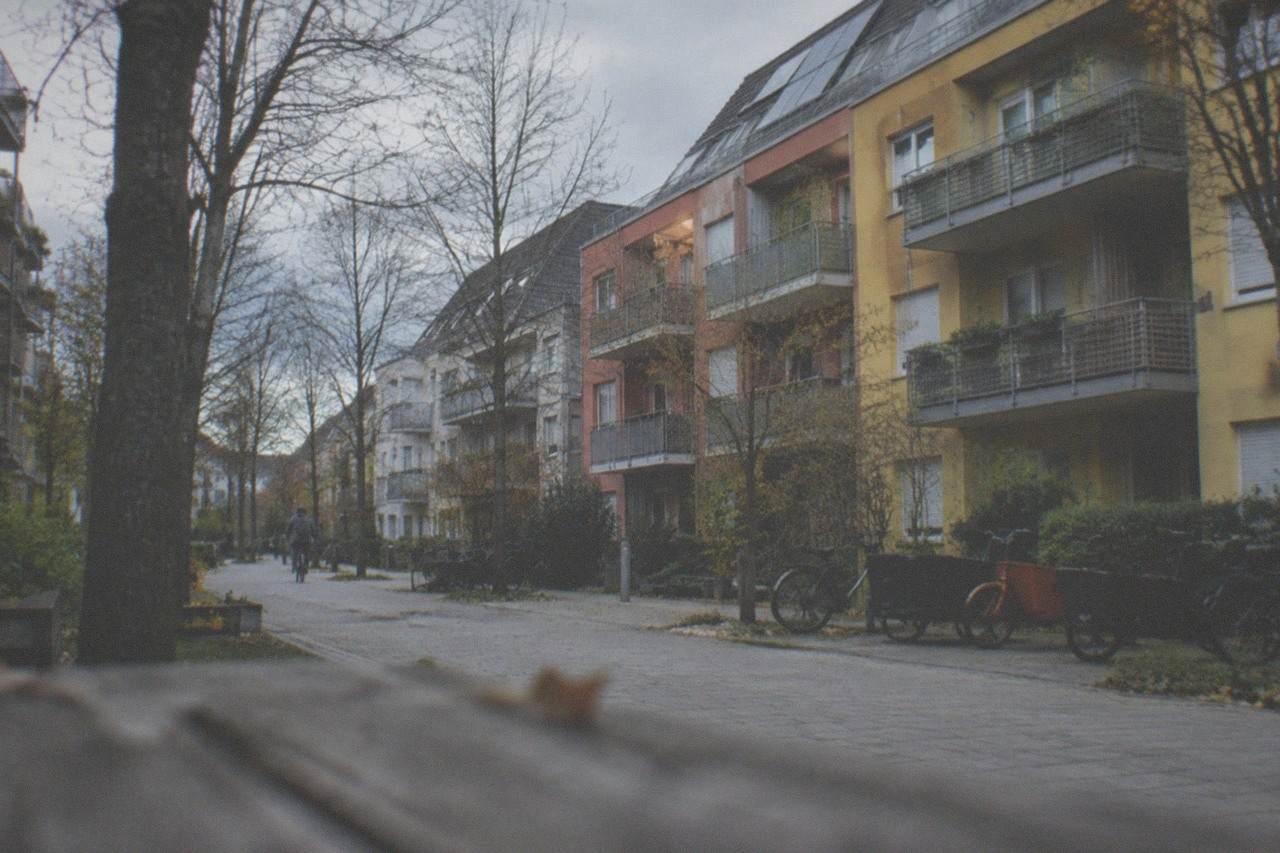
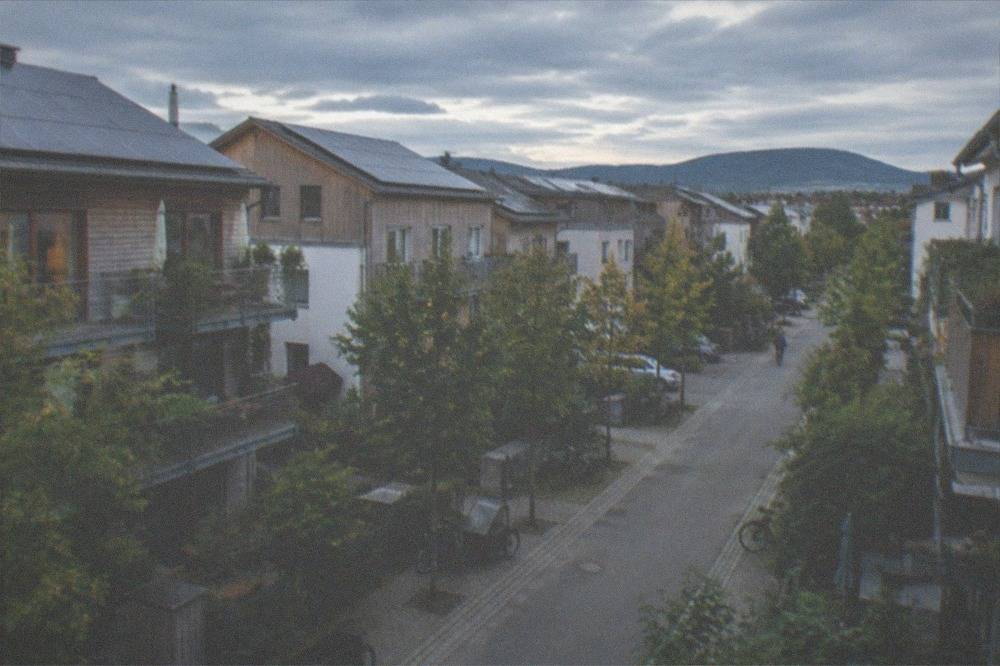
Vauban is a residential district on the southern edge of Freiburg, roughly a quarter hour from the old town by public transport. It is the neighborhood the city itself puts forward as proof of its Green City ambitions, known for its car-reduced streets, community-led housing projects, and energy-efficient homes. The city's Green City materials characterise it as a car-reduced district with Plusenergie houses and a Solarsiedlung, a solar housing estate. It is not a museum district or a sightseeing strip: it is a working neighborhood where the interesting thing is how it is built and how people live in it, and the visitors who enjoy it most are the ones who arrive curious about that difference rather than expecting a conventional attraction.
The district's name, like several Freiburg street and place names, carries French roots, a legacy of the region's shared history. That is about as far as naming trivia needs to go for a visitor. What matters practically is geography. Vauban sits south of the city center, between the Stühlinger and Wiehre side of town and the slopes that climb toward the Schauinsland, and that southern position shapes almost everything a visitor does with it. It is close enough to the center that nobody needs to plan a special expedition, and close enough to the hills that a morning in the neighborhood can turn into an afternoon on a mountain trail without much rearranging.
This guide, published by Freiburg Travel Guide, treats Vauban as what it is: a pleasant, walkable district you combine with the rest of the city. It answers the questions a visitor actually asks. How do you get there and what does a ticket cost. What is worth looking at once you arrive. Where do you sleep if you want to stay in or near the district, and what does that add or subtract from a Freiburg trip. What does the weather do across the year, since this is a district best experienced on foot and outdoors.
One framing note before the details. Freiburg gets described in travel writing as Germany's green capital, and the city does put real numbers behind the label. Walking, cycling and public transport together rose from 67% of all trips in 2017 to 76% in 2023, according to the city's own monitoring report, and that figure is the backdrop for everything Vauban represents. The district did not appear by accident; it is the built form of a policy the whole city has been pursuing for decades.
Why Vauban Matters To Freiburg's Green City Story
Vauban matters because it is the district where Freiburg's environmental policies were built into the streets themselves: the city's Green City materials describe a car-reduced layout, Plusenergie houses that produce more energy than they consume, and a Solarsiedlung of solar housing. Those three ideas in one place make it the most concentrated piece of evidence for the city's green reputation, more so than any single downtown building. A visitor who wants to understand why Freiburg is cited internationally as a sustainable city can do it faster in Vauban than anywhere else.
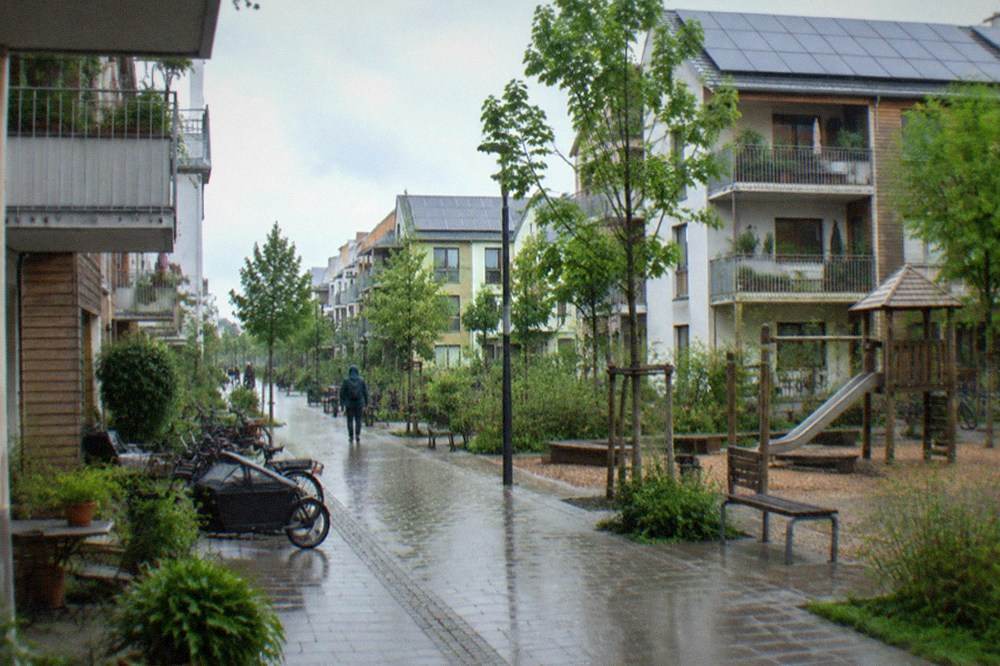
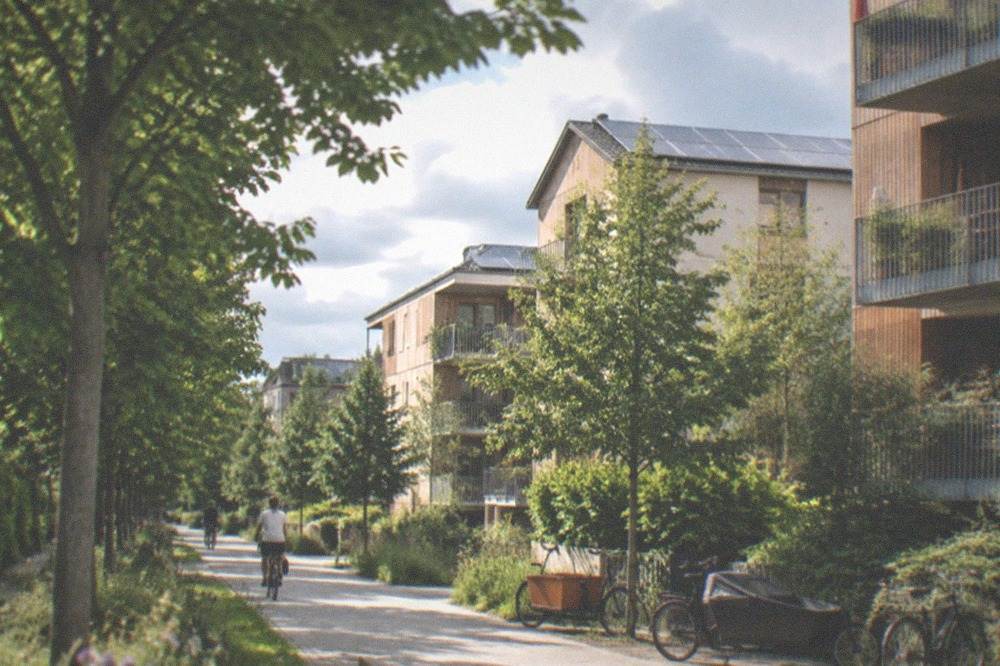
The car-reduced part is the most visible. Streets are laid out so that walking, cycling and trams come first, and car ownership is deliberately inconvenient relative to the rest of the city. The practical effect for a visitor is that the district is quiet in a way central Freiburg, for all its charms, is not. You notice it within a block: fewer engines, more bikes, children playing closer to the fronts of buildings than a driver-oriented layout would allow. The city's materials describe the Plusenergie houses, homes designed to generate more energy over a year than they use, and the Solarsiedlung, a housing estate built around solar generation, as flagship projects of the same idea.
The wider context is worth one paragraph. The same Green City story also includes the Rieselfeld district on the western side of town and the presence of Fraunhofer ISE, the solar research institute, in Freiburg itself. Recent reporting adds that the city renewed its "StadtGrün naturnah" Gold label in September 2025, valid to 2028, citing new meadows, plantings, trees and sheep grazing among the measures. For a visitor, that context explains why Vauban draws architecture students, planners and sustainability professionals from around the world, and why you may share the district's lanes with a study group photographing balconies.
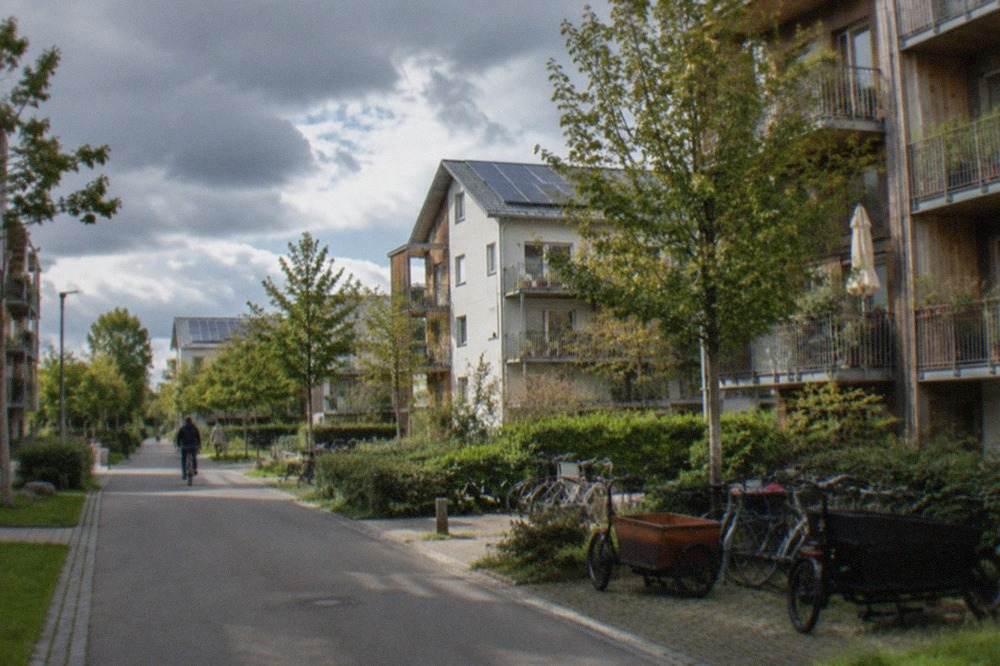
For an ordinary traveler the honest pitch is simpler. Vauban is a pleasant place to walk for an hour, a good place to stay if you prefer a calm residential base over a hotel street, and the best starting point in the city for trips up the Schauinsland. Read the deeper background in the Freiburg Green City overview, which covers the citywide story, and this page stays on what a visitor does with the district in practice.
If you would rather have the city's story told to you than work it out from signage, a guided walk is a reasonable complement to a Vauban visit. Most guided products focus on the old town rather than Vauban itself, so the usual pattern is a city introduction first and the district on your own afterward.
Getting To Vauban And Getting Around
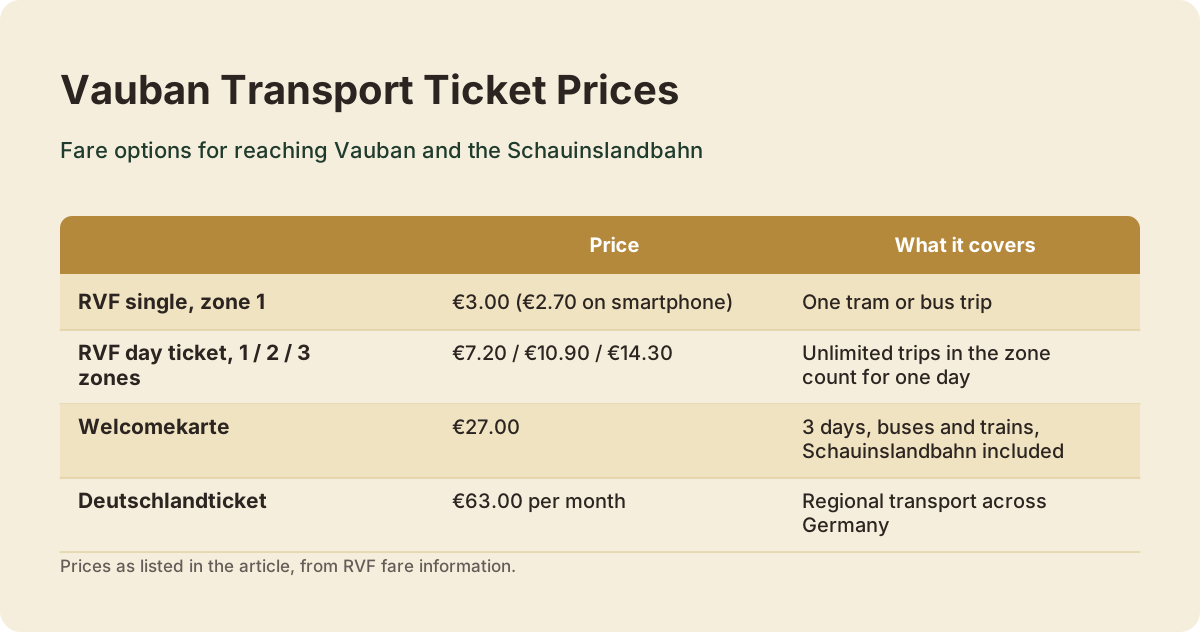
Vauban sits on Freiburg's tram network, and a single RVF zone 1 ticket costs €3.00 at a machine or €2.70 on a smartphone, with a one-zone day ticket at €7.20; the visitor product is the RVF Welcomekarte, 3 days at €27.00 for adults, which covers buses and trains and includes the Schauinslandbahn. That ticket detail matters more here than in most districts, because the classic Vauban day pairs the neighborhood with a trip up the Schauinsland on the cable car, and the Welcomekarte covers both the tram south and the cable car itself. A visitor who buys point-to-point tickets for that combination pays noticeably more than one who buys the visitor card.
The tram runs frequently on the lines serving the south of the city, and Vauban's stops put you within a short walk of the whole district. Once you are there, the district is compact enough to see entirely on foot in an hour or two of easy walking. If you want wheels, the Frelo bike-share system is the practical option: the fleet was fully renewed from January 2026 and the network expanded to 162 stations from March 2026, per Grok's research, with both city and regional stations. Cycling infrastructure is a citywide strength; the same monitoring trend that produced Vauban produced the bike lanes you will use to reach it, and the getting around Freiburg guide has the full picture.
Two fare rules save visitors money in this district specifically. First, the Deutschlandticket, valid on regional transport across Germany, costs €63.00 per month, and it only pays off if you are staying long enough to use it heavily; for a three-day visit the Welcomekarte at €27.00 is usually the better arithmetic, especially with the cable car inclusion. Second, do not expect a KONUS card in Freiburg: Freiburg city is not a KONUS municipality, so a hotel stay in town does not hand you free regional transport. A KONUS card issued in a nearby member town such as Horben or Titisee-Neustadt is valid on Freiburg's trams and buses, but the card Freiburg itself offers visitors is the Welcomekarte. The fare detail comes from the RVF's published tariff overview, and the official Welcomekarte page lists the current inclusions.
| Ticket | Price | What it covers |
|---|---|---|
| RVF single, zone 1 | €3.00 (€2.70 on smartphone) | One tram or bus trip |
| RVF day ticket, 1 / 2 / 3 zones | €7.20 / €10.90 / €14.30 | Unlimited trips in the zone count for one day |
| Welcomekarte | €27.00 | 3 days, buses and trains, Schauinslandbahn included, plus a Kulturbonus |
| Deutschlandticket | €63.00 per month | Regional transport across Germany |
A brief note on works, because Freiburg's tram network has had a season of them. Grok's reporting flags temporary construction-related disruptions in 2026, including replacement service on Line 3 between May and mid-October 2026 for Zähringen track works, well north of Vauban, and various reroutes elsewhere in the city. These are temporary and rarely affect the southern lines, but if a connection looks wrong on the day, the operator's live travel updates are the authority, not this page.
Things To Do In And Around Vauban
The district itself rewards an unhurried walk of one to two hours: the draws are the architecture, the green streets, the Solarsiedlung and the immediate access to hiking country on the Schauinsland's slopes, with the Schauinslandbahn cable car the single biggest attraction within easy reach. Vauban does not have a museum, a market hall or a cathedral; its appeal is environmental and outdoorsy, and the day trips it unlocks are the reason many visitors come. The cable car station up the hill, the Schauinsland summit and its Eugen-Keidel tower, which Grok reports reopened in April 2025 after a closure for sanitation work, and the hiking trails on the mountain's flanks are all practical targets from the district.
Start with the district on foot. The Solarsiedlung is the piece visitors most want to see, the housing estate built around solar generation that the city's materials describe as a flagship. The Plusenergie houses, homes designed to produce more energy than they consume, are scattered through the district rather than gathered in one place, so the walk is the sight: you notice rooflines, balconies, vegetation and the absence of through traffic more than any single address. Allow a slow loop and a stop somewhere for coffee. The neighborhood has everyday cafés and small shops rather than destination restaurants, which is itself the point of a residential district.
For a structured city introduction before or after, the Gässle, Bächle and More City Tour runs about 1.5 hours, is rated 4.7 across 3,187 reviews, and costs from $15; it covers the old town's lanes, the Bächle gutters and the city's everyday texture, which pairs naturally with a self-guided Vauban wander afterward, and you can read the full tour description or Check availability at the listing.
The bigger draw for most visitors is the terrain south of the district. The Schauinslandbahn cable car costs €15.00 return for an adult and runs daily 09:00-17:00, extended to 18:00 in the Baden-Württemberg summer holidays; it is 3,600 m long, making it one of the longer cable cars in Germany. Note the maintenance calendar before you pin a day on it: the operator lists an autumn overhaul closure from 16 November to 4 December 2026, and Grok reports a spring 2027 closure from 22 February to 19 March. At the summit, the Eugen-Keidel tower and the network of trails over the mountain make an easy half day. The Schauinsland guide covers the mountain in full, and the Welcomekarte from the transport section covers the cable car itself.
If you would rather walk from the district than ride up it, the Schlossberg Hike, Narrow Paths, History and Views tour runs about 2.5 hours from $28 and covers the city's own hill with its narrow paths and viewpoints; it is a different hill from the Schauinsland, closer to the old town, and it works as a half-day of exercise that ends you near the city center rather than up a mountain.
Two more options fill out the district's orbit. The Mundenhof animal park west of the city recorded more than 570,000 visitors in 2025 and went smoke-free indoors and out from 1 June 2026 under state law, a change worth knowing if you plan a picnic there; and the Seepark east of Vauban gained heritage protection status in 2026 for its 1980s garden design. Both are green-city sights in the same family as the district itself. For food, the honest advice is to eat in the center: recent reporting notes openings like the Augustiner am Platz brauhaus, the region's first, and the Trotte wine bar with around 400 wines in Fischerau, plus the closure of Café Melange after 29 years at the end of August 2026, so the restaurant landscape shifts often enough that a dedicated food guide ages better than a district page's paragraph.
Where To Stay In Vauban And What It Costs
Vauban is primarily residential, so most visitors sleep in central Freiburg and visit the district by tram, and every stay in the city carries the Übernachtungsteuer, an overnight tax of 5% of the net room price, not a Kurtaxe; under-18s are exempt. That tax detail is the one visitors most often meet half-informed, because Freiburg's levy applies to private stays since 2014 and to business stays since July 2023, and it is calculated on the net room price rather than charged as a flat nightly fee. The city's official page on the overnight tax sets out the rate and the exemptions.
Within or near the district, accommodation is limited and quiet, guesthouses, apartments and small hotels rather than chains, which suits the neighborhood's character and its visitors. The trade is simple: you get calm, greenery and a residential feel, and you give up walk-to-everything centrality. The city's hotel scene has been reshuffling recently, with reporting on the Novotel am Konzerthaus sold in September 2026 for a future Scandic rebrand in autumn 2027, the IntercityHotel moving to Leonardo, and the Panoramahotel closed since a June 2024 fire; none of that changes where Vauban itself sits, but it does mean central hotel names you remember from older guides may no longer match the city. The where to stay in Freiburg guide maps the neighborhoods against hotel options in detail.
If the green-city angle is why you came, a themed walk can carry the idea further. The Guided Sustainable City Walking Tour runs about 1.5 hours from $17 and frames the city's environmental projects with a guide's commentary, a natural companion to a Vauban visit since it puts the district into the citywide context this page keeps brief.
For budget framing, the district itself costs little: it is free to walk, the Solarsiedlung is a public street, and the main expenses are transport and the cable car. The table below pulls the realistic spend for a day built around the district, using the verified fare and admission figures from this page.
| Item | Cost | Notes |
|---|---|---|
| Walking Vauban itself | Free | Public streets, self-guided |
| Transport, central Freiburg to the district | €3.00 single | Zone 1, or €7.20 day ticket |
| Schauinslandbahn cable car | €15.00 return | Included in the €27.00 Welcomekarte |
| Eugen-Keidel tower and summit paths | Free to walk | Tower access reported free, per Grok |
| Overnight tax, per night | 5% of net room price | Under-18s exempt |
When To Visit Vauban
The best months to visit are May through September, when Freiburg averages 206 to 253 hours of sunshine per month and mean temperatures run from 14.9 to 20.1 °C, conditions that suit a walking district and the Schauinsland trails; July and August are the warmest at around 20 °C but also carry the year's heaviest rain, 92.2 and 83.3 mm respectively. Those figures come from the official 1991-2020 climate normals for Freiburg's weather station, and they describe a genuinely pleasant warm season rather than a heat-and-thunder tourist climate. This is a district you experience outdoors, so the weather table is the planning table.
Winter changes the visit more here than in central Freiburg. The cable car keeps its 09:00-17:00 schedule outside overhaul closures, but the Münster tower's top gallery closes in winter and hiking appeal drops with the light: December averages just 56.3 hours of sunshine against July's 252.2. On the other hand, the Christmas market from 19 November to 23 December 2026 gives a December trip a central anchor, and a quiet residential district in December has its own appeal if your day is structured around the old town. Snow days on the Schauinsland, when they come, turn the mountain into the local ski hill, though December 2025 reporting on plans to rebuild the historic ski lift there notes it is not yet rebuilt.
| Period | Mean temp | Sunshine | Rain | Verdict for Vauban |
|---|---|---|---|---|
| March-May | 7.0 to 14.9 °C | 146.8 to 206.8 h/month | 54.3 to 103.4 mm | Good walking, variable |
| June-August | 18.3 to 20.1 °C | 232.7 to 252.2 h/month | 83.3 to 92.2 mm | Best season, pack for showers |
| September-October | 15.4 to 10.9 °C | 116.2 to 176.2 h/month | 77.4 to 78.5 mm | Excellent, quieter |
| November-February | 2.5 to 6.1 °C | 56.3 to 91.8 h/month | 48.6 to 66.9 mm | Only with indoor anchors |
One seasonal footnote from the events calendar, if you like planning around festivals: the Freiburg Weinfest set a visitor record of around 110,000 guests over six days in early July 2026, with 2027 dates announced for 1 to 6 July, and the Zelt-Musik-Festival ran 15 July to 2 August 2026. Neither happens in Vauban, but both fill the city in July, which is the month where a calm district base earns its keep.
A Practical Day Built Around The District
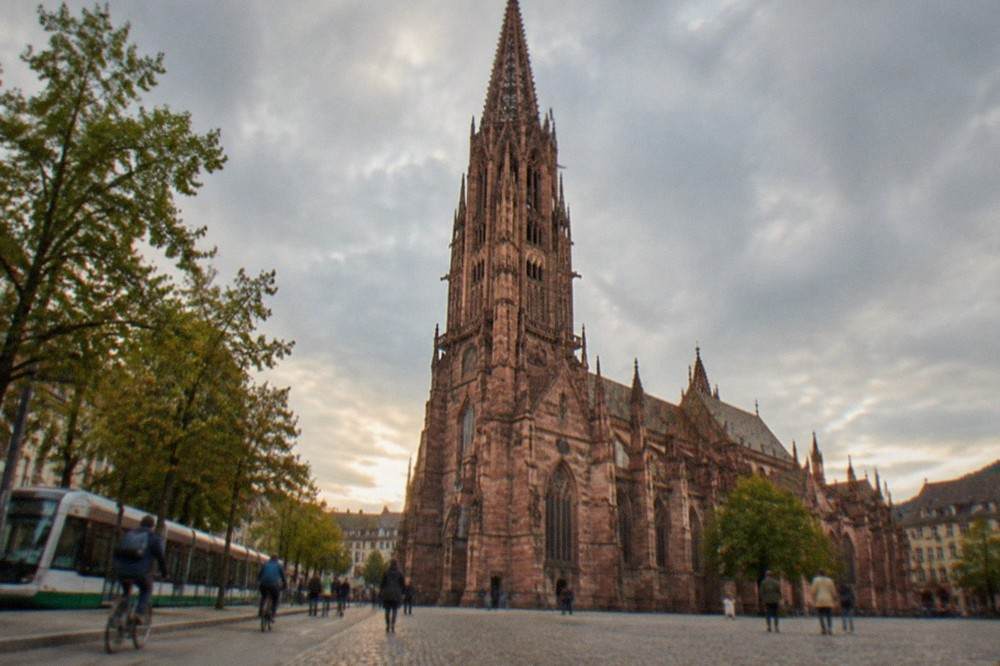
A realistic Vauban day runs: a morning walk through the district and the Solarsiedlung, a tram-and-cable-car ascent of the Schauinsland with a summit walk, an afternoon back in the old town for the Münster and market square, and an evening meal near the center, all comfortably done between breakfast and a 21:00 dinner. The order works because the district is quietest and best-lit in the morning, the cable car queues build by midday, and the old town is at its best in the late afternoon when the market stalls are packing up and the Münster's west front catches the low sun.
Two small scheduling checks before you commit. The cable car's overhaul calendar matters more than any other single fact on this page for a Schauinsland day, so confirm your date against the autumn 2026 closure from 16 November to 4 December. And the Münster tower climb, if the old-town afternoon includes it, runs Monday to Saturday 11:00-16:00 and Sunday and holidays 13:00-17:00, with adults paying €5 to climb not to the top of the 116 m tower but to a gallery at 70 m, a distinction the official tower page makes clear. That is a 33 m difference between the number people quote and the view they actually get.
If the day needs a second idea, the guided options near the top of this page slot in cleanly: a 90-minute old-town walk in the late morning before heading south, or the sustainable city walk as the frame for the whole day. A final table pulls the timing together.
| Time | Activity | Cost check |
|---|---|---|
| 09:00-10:30 | Walk Vauban and the Solarsiedlung | Free |
| 10:30-13:30 | Tram south, Schauinslandbahn up, summit walk | €15.00 return, or Welcomekarte |
| 14:00-17:00 | Old town: Münster, Münsterplatz, market square | Nave free, tower €5 |
| 17:00-19:00 | Museum or café stop | Augustinermuseum €12, free under 27 |
| 19:00 onward | Dinner near the center | Varies |
The Augustinermuseum line in that table deserves one sentence of its own: it fully reopened on 28 February 2026 after more than 20 years of phased renovation, so older guides describing it as partly closed are out of date, and its €12 day ticket covers the other city museums as well.
Common Questions About Vauban In Freiburg
What is Vauban in Freiburg?
Vauban is a residential district on Freiburg's southern edge, about 15 minutes from the old town by tram. The city's Green City materials characterise it as a car-reduced district with Plusenergie houses, homes designed to produce more energy than they consume, and a Solarsiedlung solar housing estate.
How do I get to Vauban from central Freiburg?
The tram network serves the district from the city center. A single zone 1 ticket costs €3.00, or €2.70 on a smartphone, and a one-zone day ticket is €7.20. The 3-day Welcomekarte at €27.00 also includes the Schauinslandbahn cable car.
Is there anything to see in Vauban itself?
The district is a walking sight rather than a collection of attractions: the architecture, the quiet car-reduced streets and the Solarsiedlung are the experience. Most visitors spend one to two unhurried hours there, then continue to the Schauinsland or back into the old town.
Can I visit the Schauinsland from Vauban?
Yes, and that pairing is the classic Vauban day. The Schauinslandbahn cable car costs €15.00 return for an adult, runs daily 09:00-17:00, and is included in the €27.00 Welcomekarte. Check the overhaul calendar: the operator lists a closure from 16 November to 4 December 2026.
Where should I stay, in Vauban or central Freiburg?
Most visitors sleep centrally and visit the district by tram, since Vauban is primarily residential with limited small-scale accommodation. Staying in or near the district trades centrality for calm and greenery. Every stay in the city carries the Übernachtungsteuer, 5% of the net room price, with under-18s exempt.
When is the best time to visit Vauban?
May through September, when monthly sunshine runs 206 to 253 hours and mean temperatures sit between roughly 15 and 20 °C. July and August are warmest but also the wettest months, at 92.2 and 83.3 mm of rain respectively, so pack for showers even in high summer.