Günterstal In Freiburg: The Quiet District At The Foot Of The Schauinsland
Günterstal is the calm, village-flavored district at Freiburg's southern edge, a tram ride from the old town and the first step toward the Schauinsland. Here is what it offers, what it costs, and who it suits.
Short answer
Günterstal is a quiet, semi-rural district southwest of Freiburg's old town, reached by a single €3.00 tram ticket and popular as a base for Schauinsland hiking. A day ticket costs €7.20, the 3-day Welcomekarte €27.00, and the Schauinslandbahn cable car is €15.00 return. Expect village calm, simple eating options, and a 15 to 25 minute tram ride into the centre.
Where Is Günterstal And What Kind Of District Is It?
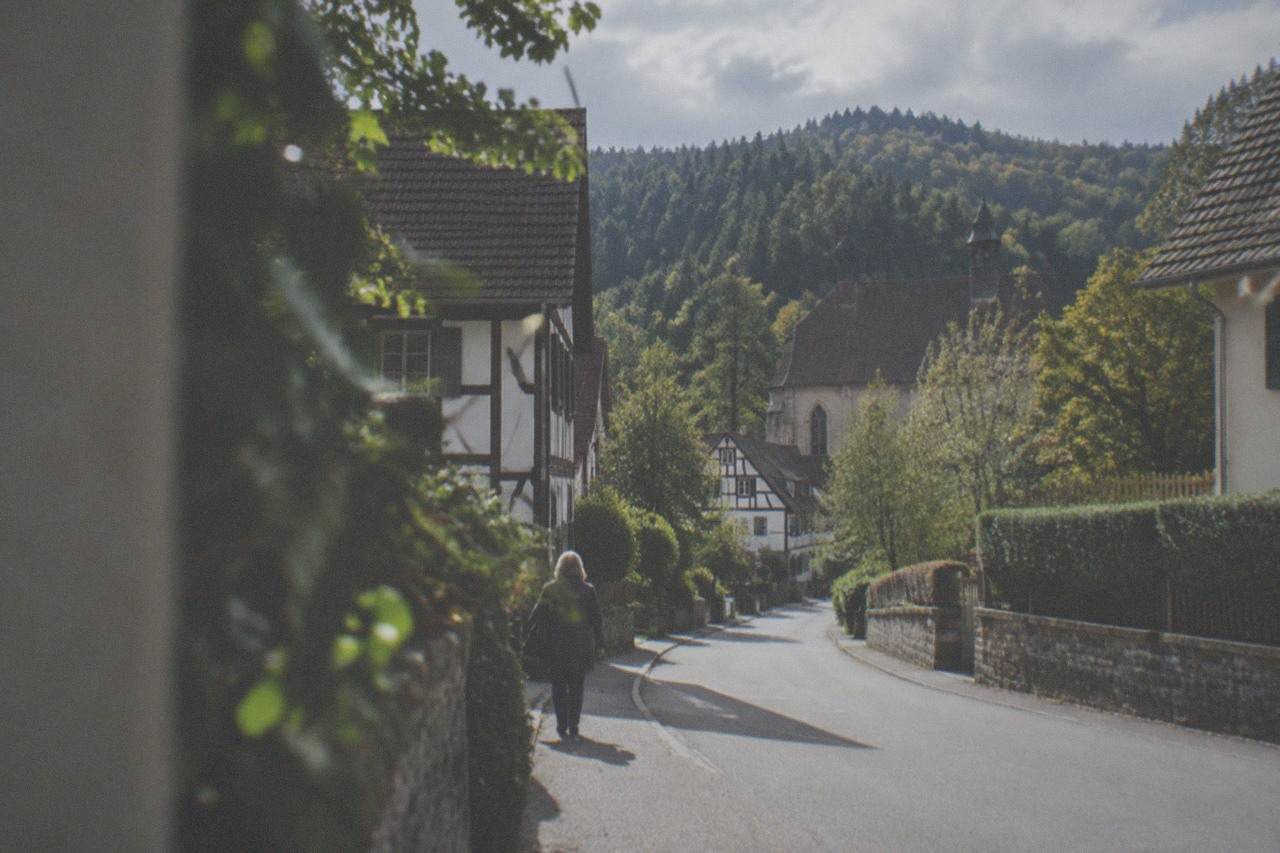
Günterstal is Freiburg's southwestern district, a ribbon of housing, gardens and small farms tucked between the Wiehre and the first slopes of the Black Forest, a short tram ride south of the old town. It grew around a farming village swallowed by the city, and it still reads like a village: one main road, a church tower, allotments, and hills at the end of every street.
Visitors rarely come here for sights. They come for calm, cheap beds and trailheads. The name turns up in two very different travel conversations. Some people search "günterstal freiburg" because a guesthouse or apartment they have found sits there, and they want to know what the neighborhood is like before they book. Others land on it while planning walks, because Günterstal sits in the valley that leads up toward the Schauinsland, Freiburg's big summit cable car, and the forest paths beyond. Both questions deserve a straight answer, and this guide gives both, using verified figures only: every euro amount below comes from the transport association or the operator's own published fares, and every tour price comes from this site's own tour listings.
It helps to set expectations early. Günterstal is not the Altstadt, and it is not trying to be. There is no cathedral square, no department-store shopping, no nightlife strip. What there is: quiet streets that dead-end into meadows, a working local bakery-and-tavern rhythm, quick tram access to everything the centre offers, and a backdrop of wooded hills that most Freiburg districts can only envy. If your mental picture of Freiburg is the Freiburg Travel Guide version of gabled old-town lanes, Günterstal will feel like a different, slower town, because in origin it literally was one.
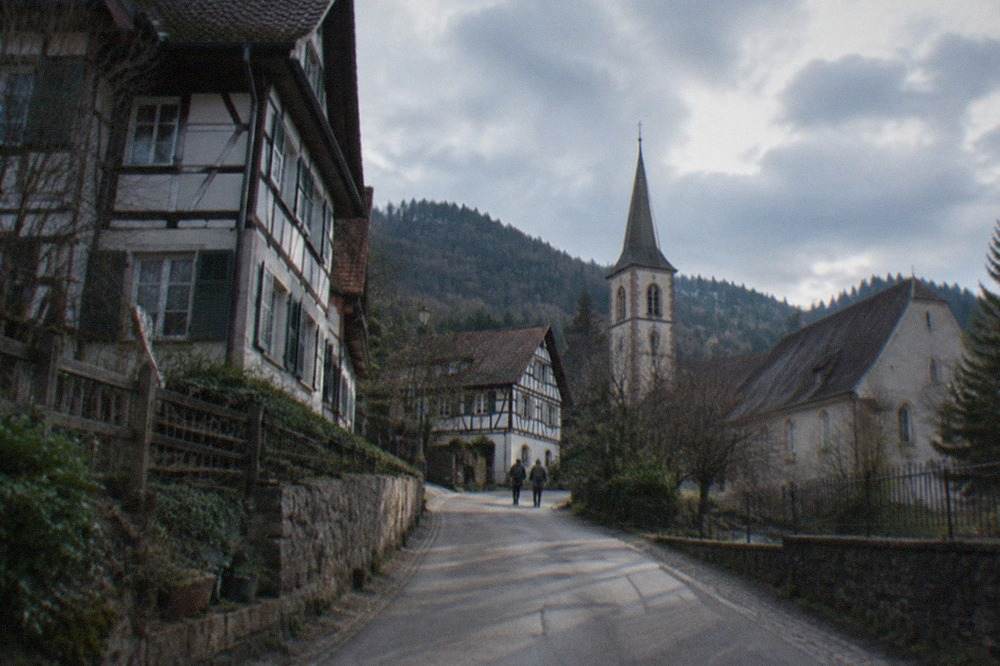
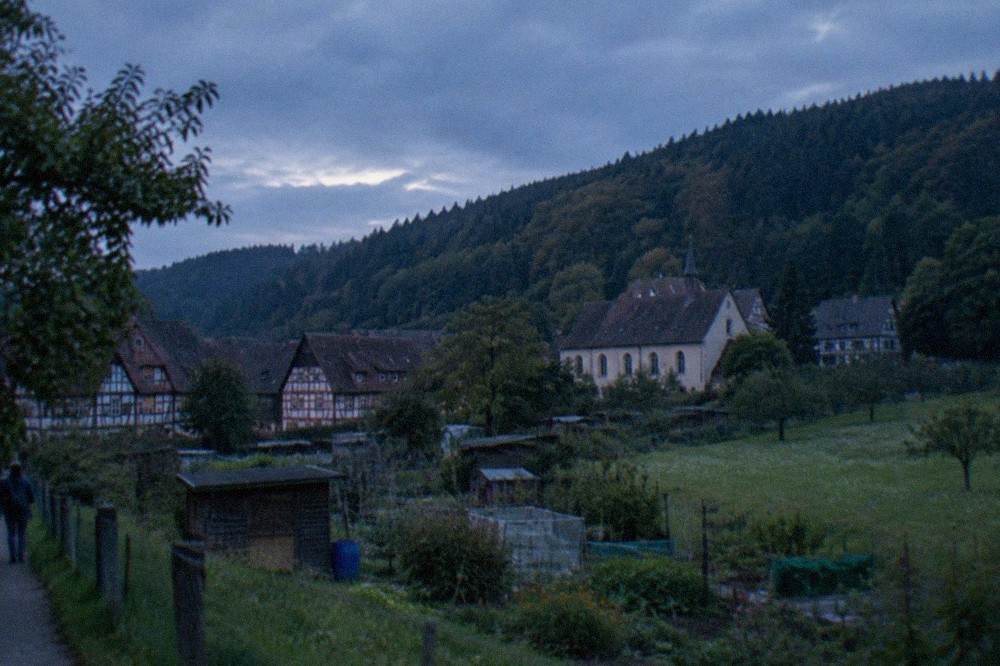
For orientation, think of the district in three loose bands. The northern edge, closest to the Wiehre, blends into ordinary city streets and holds the bulk of the population, along with the city's main cemetery, a large, green, surprisingly walkable ground that is closer to a park than most people expect. The middle is the old village core, where the road bends past the church and the handful of taverns. The southern end thins out into allotment gardens and farmland, and from there the valley begins its climb toward Horben and the Schauinsland country described further down this page. Each band is a few minutes on foot from the others; the whole district is walkable end to end in well under an hour.
A final framing point that matters for planners: Freiburg is one of Germany's warmest and sunniest cities, and the southern foothills where Günterstal sits share in that. This is a place where a morning walk in October can still feel like late summer, and where the meadows stay green well into a season when the higher Black Forest has already gone grey. That climate, more than any single sight, is the quiet argument for basing yourself here.
Why Günterstal Works As A Base For A Freiburg Trip
As a base, Günterstal trades old-town atmosphere for three practical advantages: lower room prices than the centre, immediate access to forest hiking, and a tram link that puts the Münster about 15 to 25 minutes away. The trade-offs are real too, since evening restaurants and shopping are limited. For hikers and budget travelers it earns its keep; for old-town romantics it usually does not.
The honest comparison is with the places most visitors actually book: the Altstadt itself, the Wiehre just north of Günterstal, or Stühlinger west of the station. The centre wins on atmosphere and loses on price and noise. Stühlinger is practical for the station but is a patchwork currently busy with construction and its own social pressures, covered in detail in our is Freiburg safe overview. The Wiehre splits the difference nicely, at the cost of being the first choice of everyone who reads a guidebook. Günterstal, one tram stop further out, is what the Wiehre was twenty years ago: unfashionable, leafy, cheap, and close enough that the commute never wrecks a day.
Three groups of travelers do notably well here. Hikers get a trailhead on the doorstep, with the paths toward the Schauinsland and the Horben ridge starting within walking distance of the village core, and the whole network described in our hiking near Freiburg guide. Families get space, gardens and a safe, car-light street rhythm, at rates the centre cannot match, a trade-off our where to stay in Freiburg breakdown weighs neighborhood by neighborhood. And long-stay visitors, students, remote workers, anyone planning a week rather than a weekend, get the kind of quiet that makes a working morning possible and a cheap daily commute at €7.20 or less.
The three tours above are, in different ways, the natural add-ons to a Günterstal stay, because each one answers a different reason you might base here. The dramatized red-light history walk ($26, about two hours) is an evening's old-town entertainment that starts where the tram drops you. The wine hike and tasting ($79, about two and a half hours, rated 4.4 across 167 reviews) pairs a hillside ramble with the Baden wine this whole region runs on. And the self-guided scavenger hunt ($45, about three hours, rated 4.9 across 15 reviews) turns the walk from the tram stop into the game itself, which suits independent-minded visitors perfectly.
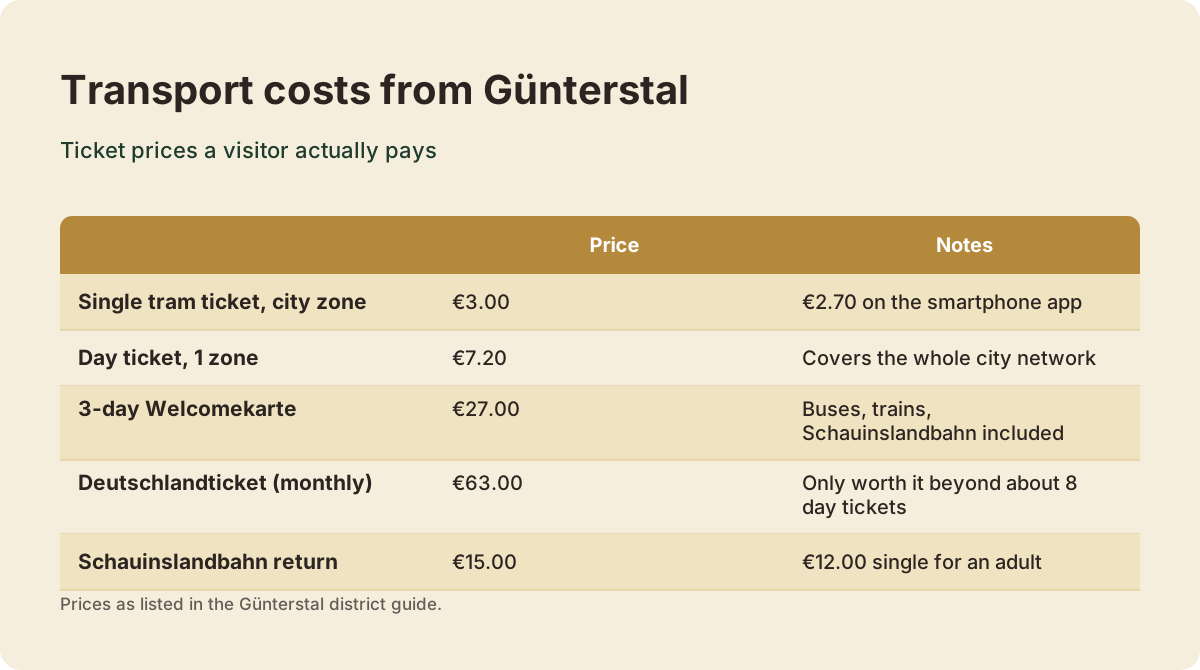
The table below puts the district's base-value logic in one view, using the ticket and entry figures that a stay here actually involves.
| Base cost per person | Figure | Notes |
|---|---|---|
| Single tram ticket, city zone | €3.00 | €2.70 on the smartphone app |
| Day ticket, 1 zone | €7.20 | Covers the whole city network |
| 3-day Welcomekarte | €27.00 | Buses, trains, Schauinslandbahn included |
| Deutschlandticket (monthly) | €63.00 | Only worth it beyond about 8 day tickets |
| Schauinslandbahn return | €15.00 | Cable car from the valley station up the road |
Notice what that table implies: even with daily tram trips and one cable-car outing, a four-day Günterstal stay costs less in transport than a single night's price difference between a centre hotel and a guesthouse here. That arithmetic, more than scenery, is why the district keeps its loyal base of repeat guests.
How You Get From Günterstal Into The City Centre
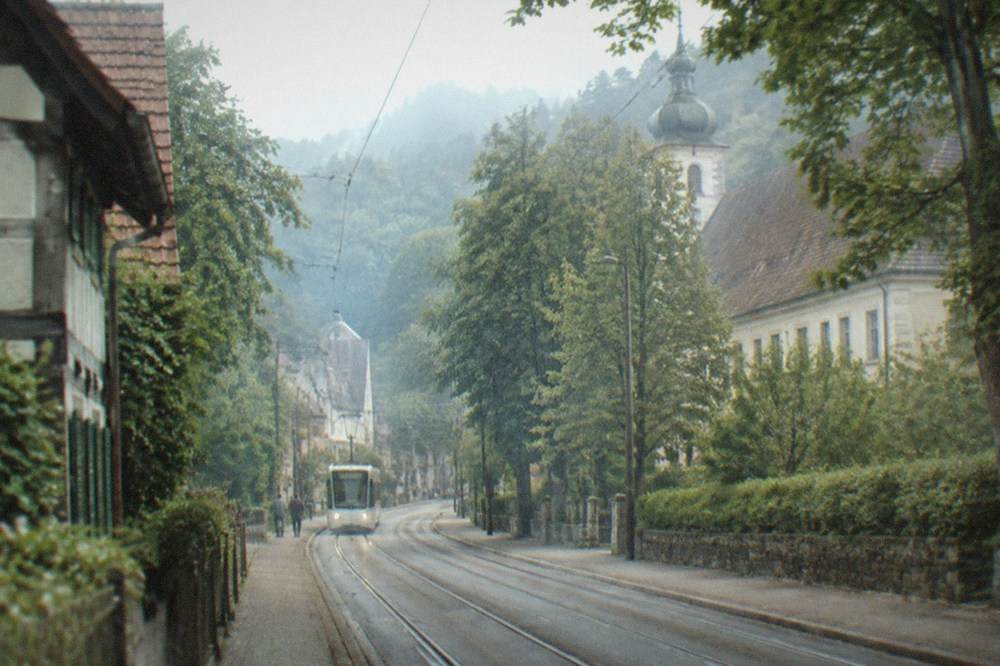
The tram is the whole story: Günterstal sits at the end of a direct tram line that runs down through the Wiehre to the old town in roughly 15 to 25 minutes, with a single adult ticket at €3.00 and a day ticket at €7.20. Services run from early morning into the late evening. Buses and bikes cover the gaps, and no visitor needs a car here for city sightseeing.
Start with the ticket, because Freiburg's fare system is simple but trips people up on one point. The city uses zone-based pricing from the regional transport association, the RVF, and everything a Günterstal visitor does inside Freiburg falls within the cheapest bands. A single ticket is €3.00 at a machine or €2.70 in the association's smartphone app, with children at €1.80. Day tickets, which cover the entire network including every tram and bus you would use, cost €7.20 for one zone, €10.90 for two and €14.30 for three, per the association's published fare sheet. The full breakdown of what each product covers, including the tourist Welcomekarte described below, sits in our getting around Freiburg guide.
Two special products matter to visitors. The Deutschlandticket, Germany's flat monthly travel pass, costs €63.00 a month and covers all regional transport; it only pays for itself if you are staying about a week or more and traveling most days, so most Günterstal guests can ignore it. The RVF Welcomekarte is the opposite: designed for visitors, it costs €27.00 for three days, covers buses and trains across the region, and, unusually, includes a ride on the Schauinslandbahn cable car plus a small cultural bonus, according to the association's Welcomekarte page. For a hiker staying in Günterstal who plans one cable-car day and two city days, it is close to the best-value ticket in the region.
Practical timing notes, from the transit operator's own published changes. The network now runs a substantially electric bus fleet, with 22 new electric buses added in October 2025 and deployed across the lines, so a quiet ride is the norm rather than the exception. Ticket machines on the newer buses are cashless, so keep a card or the app ready. And like any German city, Freiburg schedules track work, which in 2026 has meant temporary replacement services on some lines in bursts through the spring and autumn; the operator's live disruption page is the thing to check the evening before a tight morning departure.
Cycling deserves a mention because Günterstal is one of the easiest places in the city to ride from. The district is flat where it matters, the tram-corridor bike paths feed directly into the centre, and the bike-share stations listed above make a car-free stay genuinely effortless. The city's famous cycling culture is not marketing here; three-quarters of trips not made by car is a statistical fact, and a visitor with a day ticket and a borrowed bike participates in it automatically.
Hiking And The Schauinsland Above Günterstal
Günterstal is a real trailhead, not a nominal one: the valley road south of the village leads toward the Schauinsland, Freiburg's home summit, with the cable car at €15.00 return and hiking paths from gentle valley walks to proper climbs. The cable car operates 09:00-17:00 daily with a maintenance closure from 16 November to 4 December 2026, and hikers should plan water and layers for the summit weather gap.
The geography is the draw. From the southern edge of Günterstal the land rises steadily into the Black Forest's front range, and the classic visitor route is the valley toward Horben, the small hill village whose tavern terraces sit partway up the climb. Walkers can string together anything from an hour's meadow loop to a half-day ascent, and the network connects, with more climbing, to the Schauinsland summit area, where the restored Eugen-Keidel-Turm observation tower, reopened in April 2025 per recent reporting, gives the panoramic payoff over the Rhine plain to the Vosges. Our dedicated Schauinsland guide covers the summit options in full, including the mining museum and the tower.
The cable car deserves its own paragraph, because it changes what kind of day is possible. The Schauinslandbahn is Germany's longest cable car of its type at 3,600 meters of cable, runs from the valley station up the valley road from Günterstal daily 09:00-17:00 (until 18:00 in the regional summer holidays), and costs €15.00 return or €12.00 single for an adult, per the operator's own fare page. Two planning wrinkles matter. First, the maintenance closures are fixed and published: the autumn overhaul shuts the car and its mountain restaurant from 16 November to 4 December 2026, and a spring closure is set for 22 February to 19 March 2027. Second, remember that Welcomekarte detail from the transport section: the three-day visitor card includes a ride, which for many guests turns a €15.00 outing into a €0.00 one.
Weather planning should start from the district's actual numbers rather than folklore. Freiburg's long-term climate record, station 1443 for the city, shows what the hiking season looks like from a Günterstal base.
| Month | Mean temperature | Daily sunshine hours | Rain, mm | Notes for walkers |
|---|---|---|---|---|
| April | 10.8 °C | 6.1 | 63.8 | First dry summit days |
| May | 14.9 °C | 6.7 | 103.4 | Wettest month: pack a shell |
| July | 20.1 °C | 8.1 | 92.2 | Warmest; start early |
| September | 15.4 °C | 5.9 | 77.4 | Best balance of warmth and light |
| October | 10.9 °C | 3.8 | 78.5 | Frost possible on the summit |
The pattern to plan around is the temperature gap. The city sits at a mild altitude, but the Schauinsland summit is far higher, so an October afternoon that reads 10.9 °C in Günterstal can read near freezing at the top, and July's 20.1 °C mean in the valley comes with 7.3 hot days where the climb is best done before noon. Layers and more water than feels necessary are the standing advice for this specific valley, not a generic hiking tip.
One guided option fits this section neatly, and it is not a hiking tour at all. After a long day on the hills, many Günterstal guests ride down into the centre and finish with the dramatized evening walk through Freiburg's red-light history, a roughly two-hour tour priced at $26, rated 4.2 across 22 reviews on its live listing. The Freiburg red light district tour page carries the details; the tour's darker historical material plays well as a contrast to a day spent in green silence above the city.
For guests who would rather not commit to a fixed tour time, the self-guided scavenger hunt mentioned earlier covers the old town at your own pace, and pairs naturally with a morning tram ride from the district. Either way, the pattern to internalize is that Günterstal supplies the days and the centre supplies the evenings, and the tram timetable is the only bridge you need to plan around.
Eating, Drinking And Everyday Life In Günterstal
Günterstal's food scene is small and local: a handful of taverns and inns around the old village core serving Baden standards, a bakery rhythm, and no international strip or late-night kitchen. Expect a solid, affordable dinner of regional dishes rather than destination dining, and expect to ride into the Wiehre or the centre for anything beyond that. The real food story is the weekend walk-to-tavern culture and the Baden wine that comes with it.
Set the frame honestly. Nobody should book Günterstal for its restaurants, and nobody will go hungry either. The taverns clustered near the church and along the main road serve the region's defaults: the cured Black Forest ham, the rösti-family potato dishes, the onion tart that appears everywhere in Baden wine country in autumn, and schnitzel variations that need no introduction. Portions follow the local convention of being generous, and the pace follows the local convention of being unhurried, which is a polite way of saying that dinner here is a sit-down affair, not a fuel stop.
The wine angle is the genuine gastronomic reason to care. Günterstal sits at the edge of Baden's Markgräflerland-Kaiserstuhl orbit, and the district's taverns, like all Badense taverns, pour the local Gutedel and Spätburgunder by the glass at prices that make the center's wine bars look like airport bars. The regional context is covered in our Baden wine guide, including the festival calendar; note that the big Freiburg wine festival on the Münsterplatz drew a record of roughly 110,000 guests over six days in July 2026, with the 2027 edition announced for 1 to 6 July, so timing a visit around early July means the wine comes to you in the centre rather than you going to it.
For visitors who want the wine experience with some structure, one guided product stands out among the district-adjacent options: the wine hike and tasting, about two and a half hours at $79, rated 4.4 across 167 reviews, which walks hillside vines and finishes with a tasting. The Check availability link sits beside the tour's full page on this site, and it belongs in this section because a wine walk is the one evening format that genuinely improves on what Günterstal's own taverns already offer, rather than duplicating them.
Everyday life in the district rounds out the picture. There is a bakery-and-greengrocer rhythm that keeps self-catering guests fed, a small weekly market culture that follows the city pattern rather than a dedicated market square, and the Münstermarkt in the centre, up to 130 stalls on weekdays from 07:30, as the big weekly food event worth the tram ride. The district's other everyday landmark is the main cemetery on the road toward the Wiehre, a large green ground that, like its older sibling described in our Freiburg central cemetery guide, functions as a quiet park with notable graves. It is a genuinely pleasant walk, and one of the few "sights" this district can claim.
What A Günterstal Stay Costs Per Day
A Günterstal day costs little beyond the room: €3.00 single transport or €7.20 for a day ticket, tavern dinners at regional prices, and free walking and hiking, plus a city levy of 5 percent of the net room price on your accommodation bill. The main variables are the €27.00 three-day Welcomekarte and the €15.00 cable car, so a frugal hiking day can cost less than one centre-city museum ticket.
The accommodation levy deserves clarity because Freiburg's version confuses people. The city charges an overnight tax, an Übernachtungsteuer, of 5 percent of the net room price, added to your bill by the accommodation provider; it applies to private stays since 2014 and business stays since July 2023, with guests under 18 exempt, per the city's official levy page. It is not a Kurtaxe, the flat per-person visitor tax many spa towns charge, and, one more correction that matters here, Freiburg is not part of the Black Forest's KONUS guest-card scheme, so do not expect a free transport card with your Günterstal booking. The card visitors actually use is the RVF Welcomekarte described above, not KONUS.
Beyond the room, the honest daily arithmetic for a Günterstal base looks like this.
| Daily line item | Cost | Notes |
|---|---|---|
| Transport, one round trip | €6.00 | Two singles at €3.00 |
| Transport, unlimited day | €7.20 | Day ticket, whole network |
| Transport, three days | €27.00 | Welcomekarte, cable car included |
| Cable car, one return | €15.00 | €0.00 if covered by Welcomekarte |
| Museums, day ticket | €12.00 | Augustinermuseum ticket, all city museums |
| Walking and hiking | €0.00 | District paths, Schlossberg, cemetery |
Read the table as three tiers. A pure hiking day with no tram trips is effectively free. A city day is €7.20 plus whatever museum or market spending you choose, and the Augustinermuseum's €12.00 day ticket, valid across the city's museums with free entry for under-27s, is the single best-value cultural purchase in town, especially now that the museum has fully reopened after its renovation. A summit day is €15.00 for the cable car, or €27.00 spread across three days if the Welcomekarte's included ride covers it and you use the card's other two days for city transport. Very few European city districts let you build a week on numbers this small, and that, ultimately, is the district's financial signature.
Who Should Stay In Günterstal And Who Should Not
Günterstal suits hikers, families wanting green calm, budget-conscious travelers staying several nights, and anyone who values a tram ride over doorstep glamour. It does not suit old-town romantics, travelers without a full day to spare, people who want nightlife or fine dining within five minutes, or visitors who plan to drive everywhere, since the district's whole logic is that you will not.
The strongest version of the case is the independent hiker-planner. For that guest, the district supplies lodging, trailheads, an included-with-Welcomekarte cable car, and a tram to the evening's entertainment, all within a compact daily rhythm. If that description fits you, the single most useful add-on to book ahead is the self-guided scavenger hunt, about three hours at $45 and rated 4.9 across 15 reviews, because it converts your first centre-arrival day into a structured orientation that you complete entirely on your own schedule. It is the tour format that least conflicts with a hiking base, and the self-guided scavenger hunt page has the practical details.
The weakest version of the case is the two-night city-breaker. If your entire Freiburg visit is 48 hours anchored on the Münster, the Augustinermuseum, and dinner reservations in the centre, the daily tram out to Günterstal costs you time and buys you nothing you will use. That traveler should book the centre or the Wiehre and pay for it. Between those poles sit the families and the long-stayers, for whom the calculus runs the other way: space, safety, morning quiet, and a garden outweigh a fifteen-minute commute, especially with the city's tram frequency and the flat ride quality of the new electric fleet.
One last seasonal note to close the decision loop. Freiburg's climate record puts the district comfortably in the warm-and-sunny tier of German cities, with 1,815.1 hours of annual sunshine in the long-term record, and the shoulder months of May, September and October are when the hiking country above Günterstal is at its best before the cable car's fixed November closure. If the choice is between a summer weekend and an October week, the October week in Günterstal is the connoisseur's answer: quieter taverns, ripe vineyards, and the whole valley to yourself.
Common Questions About Günterstal
Is Günterstal a good place to stay in Freiburg?
Yes, for hikers, families and longer stays. It offers quiet, green surroundings, lower room prices than the centre and direct trailhead access toward the Schauinsland, in exchange for a 15 to 25 minute tram ride into the old town. For a short, sightseeing-focused city break, the centre or the Wiehre usually serves you better.
How do I get from Günterstal to Freiburg city centre?
Take the tram: the district sits at the end of a direct line running down through the Wiehre to the old town. A single adult ticket costs €3.00 (€2.70 in the app), a day ticket €7.20, and the ride takes roughly 15 to 25 minutes with frequent service from early morning into the evening.
Can I reach the Schauinsland from Günterstal?
Yes, this is one of the district's main draws. The valley road leads toward the cable car's valley station, with hiking paths from Günterstal itself. The Schauinslandbahn runs daily 09:00-17:00 at €15.00 return, and the three-day Welcomekarte at €27.00 includes a ride. Note the fixed closure from 16 November to 4 December 2026.
Do I need a car if I stay in Günterstal?
No. The tram covers the city, the Welcomekarte covers regional buses and trains, and the bike-share network, recently renewed with roughly 1,200 bikes across 162 stations per recent reporting, covers everything in between. A car only helps for scattered day trips at your own pace, and parking it in the centre is the harder problem.
Is there a visitor tax in Günterstal?
Freiburg charges an overnight tax of 5 percent of the net room price, applied to the accommodation bill, with under-18s exempt. It is not a flat Kurtaxe, and Freiburg does not participate in the Black Forest KONUS card scheme, so the relevant visitor transport product is the RVF Welcomekarte.
Where do you eat dinner in Günterstal?
At the taverns and inns around the old village core, serving Baden standards like Black Forest ham, onion tart and schnitzel with local Gutedel and Spätburgunder by the glass. There is no international dining strip; for a wider choice, ride one or two tram stops into the Wiehre or the old town.