What Happened In The Black Forest During WWII?
An honest, sourced answer to what happened in the Black Forest during WWII, plus the museums, walking tours and battlefield visits that cover the period today.
What Happened In The Black Forest During WWII?
The Black Forest region spent the war on the German home front, and the fighting that touched it arrived late and from the west: the Colmar Pocket, a battle fought just across the Rhine in Alsace, is the closest major engagement, and its sites are now reachable on a private battlefield tour from Freiburg.
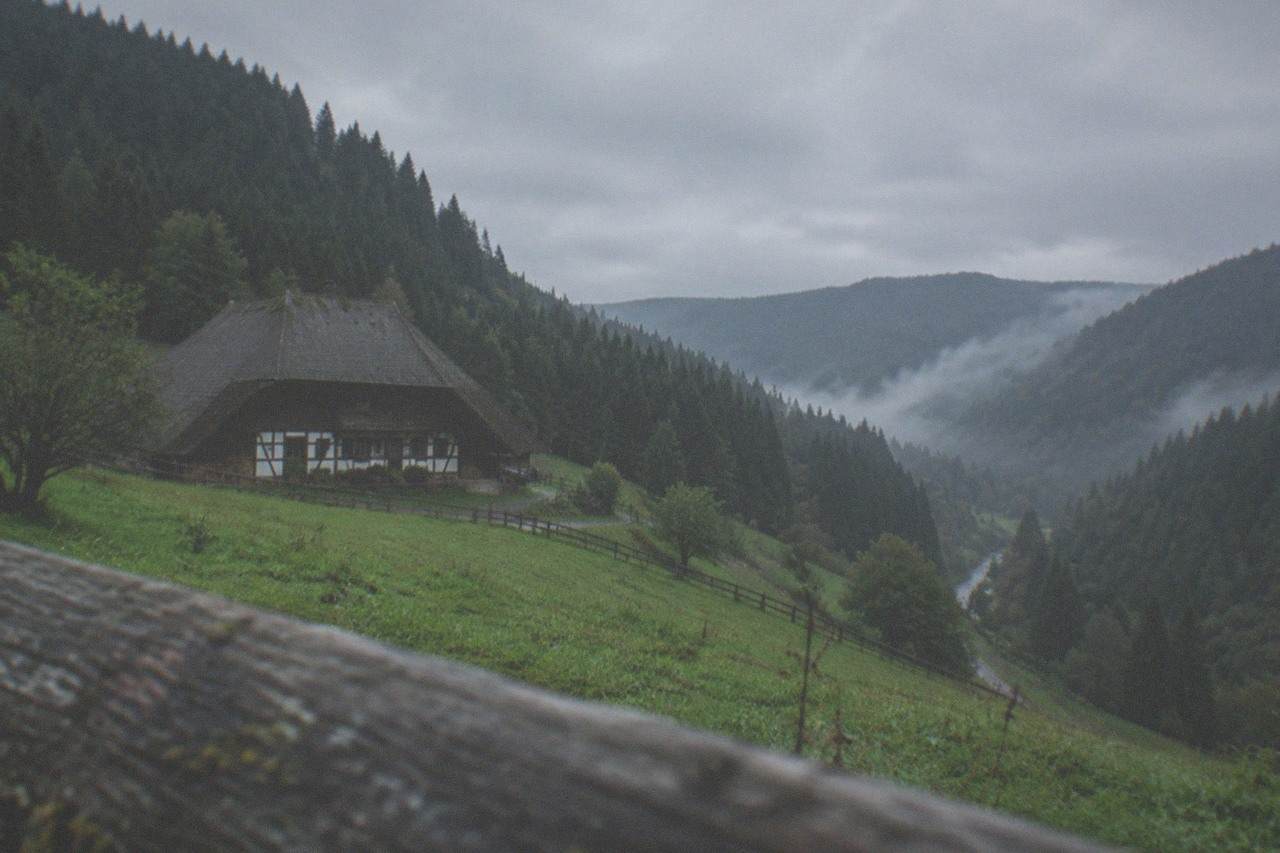
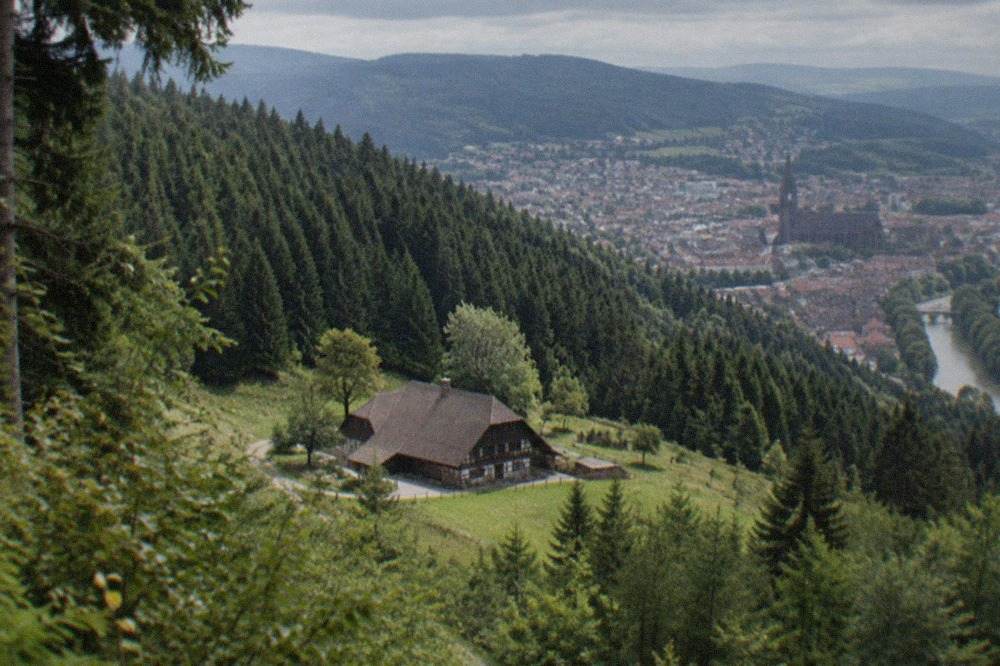
That is the honest shape of the answer. The Black Forest itself, the hills, the valleys and the small towns inside them, was never a battlefield in the way Normandy or the Ardennes were. It was interior Germany: a place of timber, watchmaking villages, farming and a growing tourist trade. What the war left here is a record of a society under dictatorship, rationing, evacuation and, near the end, the shadow of an advancing western front that stopped at the Rhine before crossing it.
That distinction matters for anyone planning a visit, because it tells you what to look for and what not to expect. You will not find tank wrecks in the woods near Triberg or trench lines on the Feldberg. What you will find, concentrated in Freiburg as the region's main city, is a serious public effort to document the National Socialist years: a dedicated documentation center, museum programming, and guided walks that take the subject head on. The city's museum group is currently prioritizing exactly this kind of project, which is one reason the long-running Museumsnacht event was paused for 2025 and 2026, according to the city's own announcement.
The gap between the two kinds of history is worth sitting with for a moment, because it shapes every itinerary decision on this page. Battlefield tourism works on ground: you stand where a unit stood, and the landscape does part of the explaining. Home-front history works on documents, buildings and testimony, because most of what happened here happened in offices, squares, schools and living rooms rather than on a front line. The Black Forest region offers you the second kind in abundance and the first kind only across the river, in Alsace. A visitor who arrives expecting the first and is handed the second can come away disappointed, not because the material is thin but because the expectation was wrong.
For the battlefield side of the story, the anchor is across the river. The Colmar Pocket in Alsace, where American and French forces fought a bitter winter engagement in the closing phase of the war, sits within day-trip range of Freiburg, and one private tour on this site's roster, the Audie Murphy and Colmar Pocket tour, takes visitors directly to those sites over about five hours. It is the closest thing the region has to a classic WWII battlefield excursion, and it starts from the German side.
If you are weighing how to spend your time, these three options cover the period from different angles: a documented city walk, a battlefield trip, and a self-paced option you can fit around museum visits.
Where The Region's WWII Record Is Kept Today
The main public record is in Freiburg: the Dokumentationszentrum Nationalsozialismus documents the Nazi era and is free to enter, the city's museum group keeps a shared free-under-27 policy, and guided walking tours cover the National Socialist period, the world wars and the dictatorship in about an hour on foot.
The documentation center is the natural first stop. Admission is free, which removes any excuse to skip it, and it sits within the same city museum family as the Augustinermuseum, the Museum für Neue Kunst and the Colombischlössle archaeological museum. Anyone under 27 gets free entry across the city's museums, a policy listed on the museums' own visitor page, so families and students can build a full history day for the price of lunch.
The Augustinermuseum itself deserves a mention in this context, though for a different reason than you might expect. After more than two decades of phased renovation, it fully reopened on 28 February 2026, adding roughly 1,600 square meters of exhibition space in the former convent building and historic vaulted cellars. It costs €12, reduced €8, and the day ticket is valid across the other city museums. None of that is about the war directly, but a regional art and cultural history collection that spans the modern era is part of understanding what the region lost and rebuilt.
There is a practical point here too. The museum group paused its Museumsnacht for 2025 and 2026 precisely because it is pouring energy into major projects, the Augustinermuseum reopening and the documentation center among them. If you are timing a visit around a special event, check the current calendar rather than assuming the night-museum format is running. The pause is itself a signal worth reading: a mid-sized city choosing to concentrate its resources on documentation work, rather than on a festive format, is telling you where it thinks the civic priority lies.
That priority is visible elsewhere in the region as well, if you know where to look. Small Black Forest towns tend to carry their history in fragments rather than institutions: a memorial plaque, a renamed street, a local history room in a town hall. These are genuinely worth a pause when you encounter them on a driving route, but they rarely reward a dedicated trip, and opening arrangements are informal. Freiburg's cluster of institutions is where the region's effort has been consolidated, and that is why every practical recommendation on this page points into the city rather than into the valleys.
If a lighter evening is more your speed after a heavy museum morning, the red-light district walk below covers Freiburg's postwar nightlife streets with a guide who tells it straight.
The Colmar Pocket And The Audie Murphy Battlefield Tour
For battlefield history, the standout option is a private tour to the Colmar Pocket sites in Alsace: roughly five hours with a dedicated guide, priced from $810 per person.
The Colmar Pocket is the answer to the question "where did the fighting actually reach?" for anyone based in Freiburg. It is French soil, but it is close, across the Rhine and south toward Colmar, and it was one of the last western-front engagements before the push into Germany proper. A day tour there is not a casual add-on; it is the centerpiece of a history-focused itinerary, and the private format means the guide's attention is entirely on your group's questions. Everything else covered here is indexed on Freiburg Travel Guide.
The tour on this site's roster is explicit about its subject. "Audie Murphy and Colmar Pocket a Private WWII Battlefield Tour" runs about five hours and starts from $810. There is no star rating listed for it, and this site does not pad that gap: it is a specialist product, and you should judge it on the itinerary and the guide's brief, not on a review score. What the price buys is depth. Group tours shuttle you past sites; a private battlefield guide can stand on the ground and reconstruct the movement of units, which is the entire point of visiting a battlefield at all.
The winter character of the battle is part of what makes the sites worth seeing. This was not a summer campaign across open ground; it was fought in cold, in villages and on frozen fields, and the landscape you will walk through is the same one the soldiers faced. A guide who can evoke those conditions on the spot gives you something no documentary can, which is the argument for the private format even at specialist pricing.
A practical note on timing: Colmar itself is a worthwhile stop on any Alsace itinerary, with its old town and wine route, so the tour can double as a regional day out if your travel companions are less absorbed by military history. Pair it with a relaxed morning in Freiburg rather than trying to sandwich two heavy outings into one day. And if five hours and a private price are more than you want, the walking tours in the next section cover the same period's home-front story for the cost of a sandwich.
Walking Tours That Cover The Dark Chapters
Freiburg has a small but genuine roster of walking tours on the period: a one-hour guided walk on National Socialism, the world wars and dictatorship from $17, a two-hour red light district history tour rated 4.2 across 22 reviews, and dramatized tours that stage the city's darker stories with actors.
The one-hour National Socialism walking tour is the most direct option on the roster. It costs from $17 and covers the dictatorship and both world wars in a compact loop that fits easily into a morning. It is a new listing with only 2 reviews so far, which this site reports honestly rather than dressing up: there is not yet a review pool large enough to say anything about quality. What can be said is that the subject is niche enough that a dedicated hour on it is rare in a city of Freiburg's size, and the low price makes it a low-risk experiment.
For a different register of dark history, the Red Light District City Tour runs about two hours, is rated 4.2 across 22 reviews, and costs from $26. It is not a Nazi-era tour; it is a social history of the streets around Freiburg's less polished quarters, told with the same unsentimental voice the city applies to its past. Visitors who found the documentation center heavy sometimes prefer this one, because it gets you outdoors, moves, and still deals honestly with the city's seamier decades. You can also Check availability for your dates directly alongside this site's tour page.
The dramatized formats are worth knowing about even if you skip them. "Guided City Tours with Actors" is rated 4.9 across 497 reviews and runs from $17, and the "Witches, Torture, Stakes" tour covers earlier centuries of persecution rather than the modern era. They are not WWII tours, but they show how this city has built a whole tradition of costumed, performed history, which is useful context for how the Nazi-era walk fits into the local landscape.
| Tour | Length | Price from | Rating |
|---|---|---|---|
| Guided Walking Tour on National Socialism, World Wars and Dictatorship | ~1 hour | $17 | 2 reviews, too few for a star claim |
| Red Light District City Tour | ~2 hours | $26 | 4.2 across 22 reviews |
| Audie Murphy and Colmar Pocket Private WWII Battlefield Tour | ~5 hours | $810 | No rating listed |
| Guided City Tours with Actors (context, not WWII) | ~1.5 hours | $17 | 4.9 across 497 reviews |
Note what the table does not claim. Nothing here is described as "highly rated" on a thin pool, and the battlefield tour carries no rating at all. Those are the honest numbers as the listings report them, and they are steady enough to plan around.
How To Fit A History Day Together
A workable plan is a free morning in the Dokumentationszentrum, the €12 Augustinermuseum day ticket in the afternoon if you want depth, a one-hour Nazi-era walking tour at $17 to anchor the streets themselves, and either the red light district walk in the evening or the Colmar Pocket tour as a second-day centerpiece.
Budget-wise this is one of the cheaper thematic days you can build in the region. The documentation center is free, the under-27 policy makes the museums free for students and children, and the walking tours start at $17. The only genuinely expensive item is the private battlefield tour, and that is best treated as the splurge of the trip rather than an everyday line item.
For visitors who want light after the heavy, the same region offers the contrast deliberately. The Veni, Vidi, Vino wine hike and tasting runs about 2.5 hours, is rated 4.4 across 167 reviews, and costs from $79, walking you out of the dark chapters and into the vine-covered slopes that have carried this region for centuries. Many travelers book it the day after a museum-heavy schedule, and the pairing is a good one: it is hard to absorb a documentation center two days running, and the wine country around Freiburg is a reminder of what survived.
Two practical cautions close the planning picture. First, the Dokumentationszentrum's exhibition text is aimed at a German-literate audience; if your group reads only English, the guided walks, which are listed and booked in English, will carry more of the story than the displays will. Second, if you are here mainly for the era's larger questions, read this site's longer treatment of whether Freiburg was bombed in WWII before you go, since the city's rebuilt old town is the most visible WWII-era fact of all, and Freiburg's longer city history fills in the centuries around it.
Whatever you choose, book the guided pieces ahead. The Nazi-era walk and the battlefield tour both run on small formats, and the battlefield tour is private, so last-minute availability is not something to count on in peak season.
Common Questions About The Black Forest In WWII
What happened in the Black Forest during WWII?
The region stayed on the German home front; the major fighting nearest to it was the Colmar Pocket just across the Rhine in Alsace. Today the period is documented in Freiburg's free Dokumentationszentrum Nationalsozialismus, covered by a one-hour guided walk, and reachable as battlefield sites on a private Colmar Pocket tour.
Was the Black Forest itself a battlefield?
No. The fighting that came closest was across the Rhine in Alsace, at the Colmar Pocket. The Black Forest towns were interior Germany, and the war's traces here are documentary and architectural rather than battlefield remains.
Can you visit WWII sites from Freiburg?
Yes. The Dokumentationszentrum Nationalsozialismus is free to enter in the city, a one-hour walking tour covers the National Socialist period from $17, and a private five-hour tour visits the Colmar Pocket battlefield sites in Alsace from $810.
Is the documentation center in Freiburg free?
Yes, the Dokumentationszentrum Nationalsozialismus is free. The city's paid museums, such as the Augustinermuseum at €12 reduced €8, are free for anyone under 27, and the Augustiner day ticket covers the other city museums.
How long does the Colmar Pocket tour take?
About five hours, as a private tour with a dedicated guide, priced from $810 per person. It is the roster's specialist WWII product, and this site lists no rating for it rather than inventing one.
What if I want history without the heavy subject matter?
The region's landscape is the antidote. A wine hike and tasting on the local slopes runs about 2.5 hours from $79, rated 4.4 across 167 reviews, and a self-guided scavenger hunt tour from $45 lets you move through the old town at your own pace.