Did Freiburg Get Bombed In WWII?
Yes, Freiburg was bombed in WWII: a mistaken early-war attack by its own side and the RAF Tigerfish raid that devastated the old town. What burned, what survived, and how the city rebuilt.
Did Freiburg Get Bombed In WWII?
Did Freiburg Get Bombed In WWII?
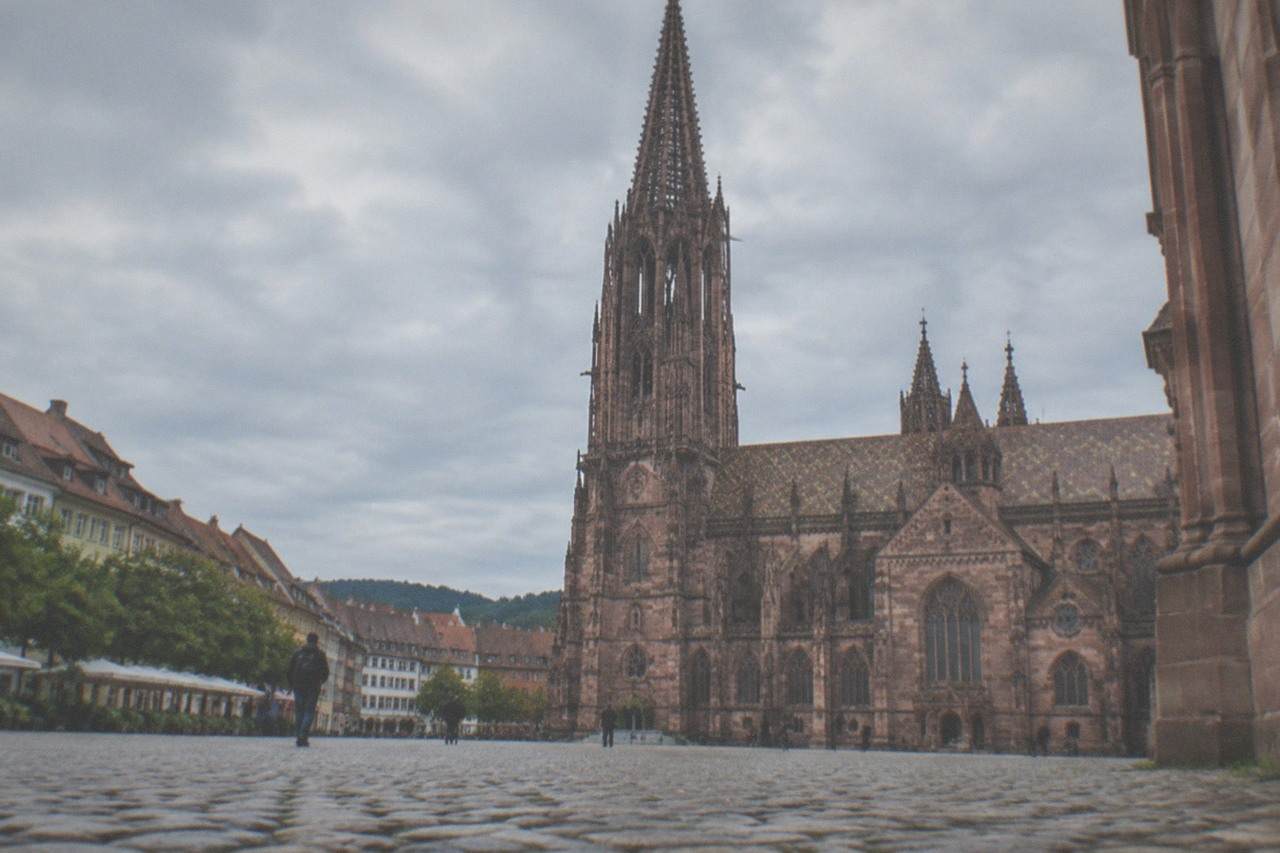
Yes. Freiburg was bombed in World War II. The Münster survived, as did much of the street plan, but large parts of the old town burned and were rebuilt after the war.
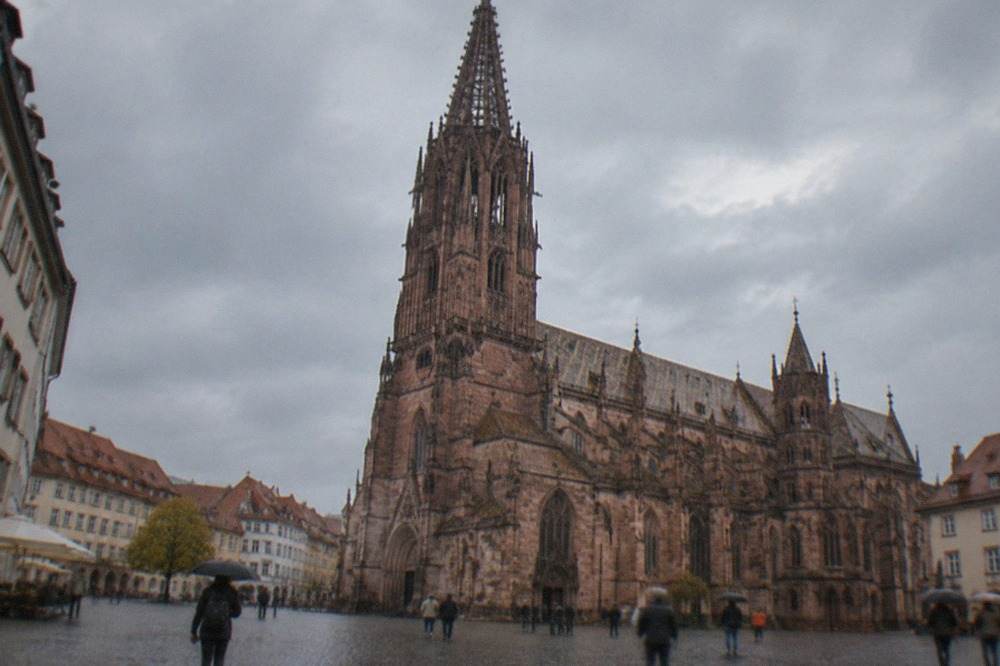
The old town that most visitors photograph in Freiburg is younger than it looks. Broad stretches of the buildings around the Münster date from the postwar years, not from the Middle Ages, and the reason is written plainly into the city's history: in a single night during the last winter of the war, a British air raid turned the densely built core of Freiburg into a fire zone. Walk the lanes south of the cathedral today and you will pass medieval gates, a handful of genuinely old rows, and long runs of plain postwar masonry standing exactly where half-timbered burgher houses stood until that night.
The war reached the city from the air, and that set a grim tone for what followed.
What came later was on a different scale. In the old town, with its wooden facades packed tightly along narrow lanes, the fires spread widely, and large parts of the old town burned.
The full arc of that story, from the medieval foundation through the wars, is traced in the Freiburg's full history guide on this site, which places the bombing years in the longer sweep of the city's past.
What Happened During The War Raids On Freiburg?
In the last winter of the war, RAF bombers attacked central Freiburg in an operation the British called Tigerfish. Waves of aircraft dropped high explosives and incendiaries on the old town, and the firestorm destroyed densely built streets around the cathedral. A further Allied raid followed weeks later, and French troops occupied the ruined city in the closing phase of the war.
Tigerfish was not a single pass but a sustained attack. Pathfinders marked targets in the city center, and bomber crews unloaded across the old town, the station area and routes through the built-up districts over roughly fifty minutes. Reports from the period describe the river of fire that followed, the Bächle gutters running hot, and cellars that offered shelter in some streets and none in others. Hospitals, schools and the university's buildings stood in the target area like everything else.
A second blow came weeks later. American air attacks struck the city again before the war ended, aimed at rail infrastructure and what remained of the transport network. By the final months of the war Freiburg was a half-functioning city of rubble and refugees, its trams stopped, its market life reduced to fragments. French forces took the city without the street-by-street destruction that other German cities suffered at the same moment.
The sequence below compresses the war years into the events that reshaped the city:
| Phase of the war | Event | What it meant for Freiburg |
|---|---|---|
| Postwar years | Reconstruction | Medieval street plan kept; buildings rebuilt in simpler styles |
Several guided walks now make this chapter of the city walkable. A National Socialism themed walking tour covers the dictatorship years in about an hour, priced from $17, though with only 2 reviews so far it is too new to carry a star claim. The Red Light District City Tour, about 2 hours and from $26, is rated 4.2 across 22 reviews and takes a different route into the city's rougher past, from gangster-era stories to the brothel quarter's own layered history. For travelers who prefer to move at their own pace, a self-guided scavenger hunt, about 3 hours and from $45, rated 4.9 across 15 reviews, threads the old town's sites into a puzzle route.
What Was Destroyed And What Survived?
The wartime bombing destroyed large parts of the old town. The Münster, the Historisches Kaufhaus and the two city gates, Martinstor and Schwabentor, survived, as did the street pattern and the Bächle gutters. Reconstruction after the war kept the medieval layout but built simply.
The losses were cultural as much as physical, as large parts of the old town, including historic buildings, were destroyed in the bombing.
The survivors shape the city you see now. The Münster, the red sandstone cathedral that anchors the old town, stood through the firestorm with damage but not destruction, a fact that gave the postwar city its psychological anchor. Its 116 m west tower still takes visitors up a stair to a viewing gallery at 70 m, not the top, and the Münster's own tower page lists adults at €5 with climbs Monday to Saturday from 11:00 to 16:00 and on Sundays from 13:00 to 17:00; the upper gallery closes in winter. The details of the building and its history are covered in the the Freiburg Münster guide. The Historisches Kaufhaus on Münsterplatz, the late medieval merchants' hall, was damaged and later rebuilt, and the two gates, Martinstor and Schwabentor, kept standing at the old town's entrances.
| Site in the old town | Outcome of the wartime firestorm |
|---|---|
| Old university and library | Burned out, with major book losses |
| Stadttheater | Destroyed |
| Half-timbered burgher houses | Large losses across whole streets |
| The Münster | Survived with damage, later restored |
| Martinstor and Schwabentor | Survived |
| Historisches Kaufhaus | Damaged, rebuilt after the war |
| Bächle and the street plan | Survived, kept in the rebuild |
A few pockets kept their prewar fabric, notably some of the rows in the Gerberau and Fischerau lanes south of the cathedral, which is why those streets read as older than the blocks around them. For travelers drawn to the city's darker and more disreputable chapters rather than its postcard side, the Red Light District City Tour walks the streets where Freiburg's nightlife, crime stories and red light history overlap, with a guide who treats the material as social history rather than spectacle. It runs about 2 hours, costs from $26, and carries a 4.2 rating across 22 reviews.
The old town you walk today is therefore a document of two eras at once. Medieval lanes and market squares hold a rebuilt city inside them, and the contrast between the two is exactly what makes a walk through the center more interesting than a uniform open-air museum would be.
How Did Freiburg Rebuild After The War?
French forces occupied Freiburg in the closing phase of the war, and reconstruction began within a few years. Planners kept the medieval street plan and rebuilt around the surviving Münster, but most buildings of the early postwar decades rose in simple, unadorned styles rather than replicating the lost half-timbered facades. The university reopened, and the old town you walk today follows the prewar layout.
Reconstruction was contested, as it was across Germany. Some voices wanted the lost half-timbered facades replicated street by street; others argued for an honest, modern rebuild on the old footprint. In practice Freiburg took the middle path. The ground plan stayed medieval, the market squares reopened at their historic sizes, and the Bächle, the small gutters running along the curbs, were restored as a signature of the streets rather than left as casualties of the rebuild. The new buildings, however, mostly rose in the plain styles of the early postwar decades, which is why the old town reads today as a medieval layout wearing postwar clothes.
The university's recovery mattered as much as the masonry. Reopened and re-established in the postwar years, it grew into the engine of the modern city, a place now shaped by roughly 24,500 students in a city of about 237,000 residents, figures from the university's and the city's own current statistics. The student weight in the population explains much of what visitors actually notice: the café density, the bicycle traffic, the late-evening life in the lanes.
That rebuilt and renewed city is what this Freiburg Travel Guide covers neighborhood by neighborhood, from the gates to the rebuilt squares. And the rebuilding never fully stopped; the recent past has added its own layers, including a renewed streetcar network with electric buses now running across the fleet since the December 2025 schedule change, according to the transport operator's own reports.
A city that had to rebuild itself from rubble tends to take its pleasures seriously, and the surrounding wine country is part of that. The Veni, Vidi, Vino wine hike and tasting, about 2.5 hours and from $79, rated 4.4 across 167 reviews, walks vineyard paths above the city with stops for regional wines, a good reminder that the countryside Freiburg sits in was never the thing that burned.
Where Can You See The War's Traces In Freiburg Today?
The clearest traces are the missing half-timbered houses themselves: broad stretches of plain postwar walls between the surviving gates. The Münster square's open feel, the Bächle and the rebuilt Historisches Kaufhaus mark what was saved. A National Socialism themed walking tour covers the dictatorship years, and the Dokumentationszentrum Nationalsozialismus museum explores them with free entry.
Reading the old town as a palimpsest is the most rewarding way to walk it. Where a street of ornate facades suddenly gives way to a plain, tall-fronted block, that seam is usually the edge of the wartime fire zone. The contrast is sharpest around the edges of the core, where the surviving lanes of Gerberau and Fischerau meet the rebuilt commercial streets. The the old town today guide on this site maps the gates, squares and lanes worth targeting.
Museums carry the deeper record. The Dokumentationszentrum Nationalsozialismus addresses the dictatorship and its local history, with free entry as listed by the city's museums group, and under-27s enter the other city museums free as well, a policy confirmed on the museums' own visit pages. For a guided route through the period, the National Socialism walking tour, about 1 hour and from $17, is the only dedicated product of its kind on the current roster, and its review pool of just 2 bookings so far is too small for a rating claim, so treat it as an option to check rather than a proven quantity.
The excavation work is worth knowing about before a visit, because digs of that scale regularly surface material from earlier centuries of the city, and the state archaeology office's own report on the Albertstraße site gives the period details. Meanwhile the city keeps adding the layers that future histories will describe: the university's student numbers, the tram network's electrification, the vineyard paths above the rooftops.
If the question is what to actually do with this history once you have read it, the honest answer is that Freiburg rewards walking it. A guided walk through the darker streets, a slow loop of the gates and the surviving lanes, or a puzzle-paced hunt through the rebuilt squares all put the two eras of the city side by side, and all three run on most days of the week.
Common Questions About Freiburg In WWII
Did Freiburg get bombed in WWII?
Yes. German aircraft mistakenly bombed the city in the opening days of the war, and the RAF's Operation Tigerfish raid in the last winter of the war devastated the old town. A further Allied attack followed weeks later, and French troops occupied the city in the closing phase of the war.
Was the Freiburg Münster damaged in the war?
The Münster survived the wartime firestorm with damage rather than destruction, and it was restored after the war. Its 116 m west tower still takes visitors to a viewing gallery at 70 m, with the upper gallery closed in winter.
Who bombed Freiburg early in the war?
The city's own side. Luftwaffe aircraft mistakenly dropped bombs on Freiburg at the start of the western offensive, killing dozens of civilians. The regime blamed the Allies at the time, but the true cause was established after the war.
Why was Freiburg a target late in the war?
The Tigerfish raid targeted the built-up city center using the area-bombing tactics of that period, dropping high explosives and incendiaries that created a firestorm in the dense old town. A later American attack struck rail and transport infrastructure.
Are there guided tours about Freiburg's wartime history?
Yes. A National Socialism themed walking tour covers the dictatorship years in about an hour from $17, though it has only 2 reviews so far. The Red Light District City Tour, about 2 hours from $26 and rated 4.2 across 22 reviews, walks the city's rougher past in a different register.
Is there a museum about Freiburg in WWII?
The Dokumentationszentrum Nationalsozialismus addresses the Nazi period with free entry, as listed by the city's museums group. The Augustinermuseum, whose collections were partly evacuated during the war, reopened fully on 28 February 2026 and covers the region's broader cultural history.