Freiburg And Black Forest Itinerary: A Practical Five Day Plan
Five days is the sweet spot for Freiburg: enough time to walk the old town properly, ride up into the high Black Forest, taste wine on the volcanic slopes of the Kaiserstuhl, and still keep a slow evening or two on the Augustinerplatz.
Short answer
Spend two days in Freiburg itself, one on Schauinsland, one in the Kaiserstuhl wine country, and one at Titisee or Europa-Park. A RVF day ticket costs €7.20, the Schauinslandbahn return is €15.00, and a guided city walk starts around $17.
What Does A Five Day Freiburg And Black Forest Itinerary Look Like?
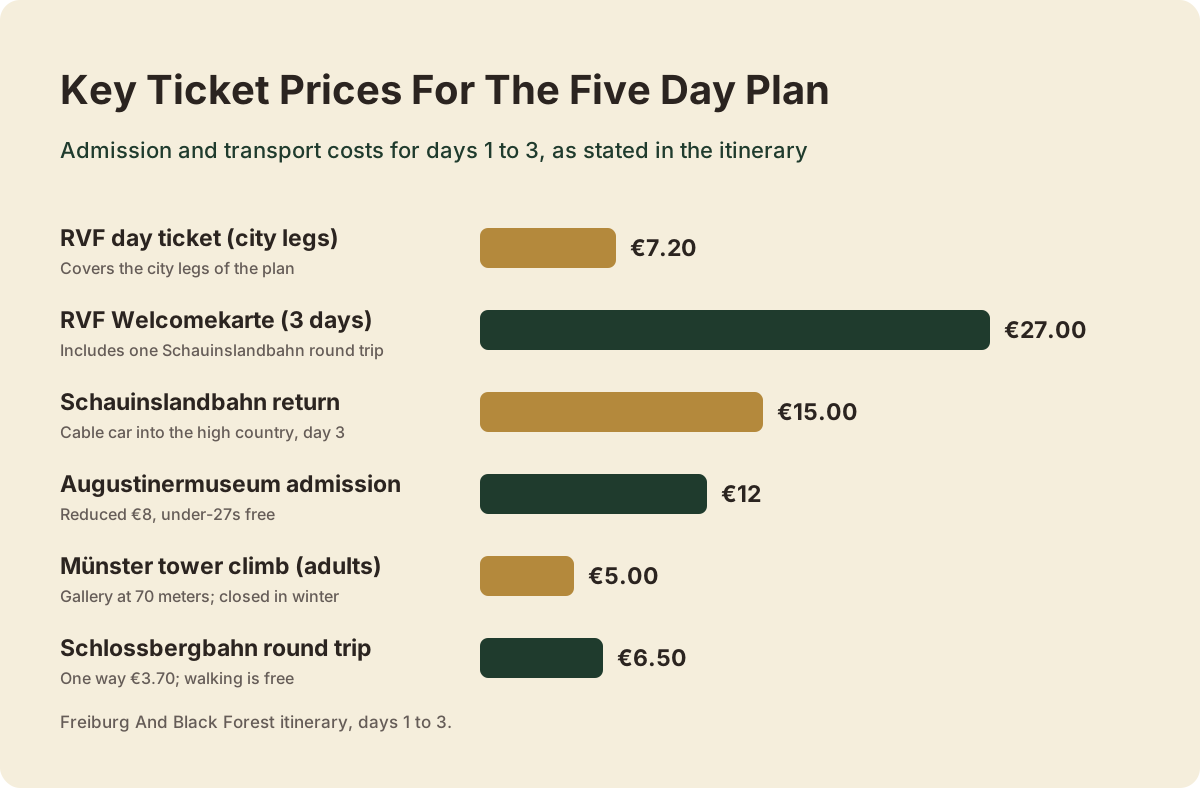
The workable shape is two city days, one high-forest day, one wine-country day and one big-excursion day: Freiburg's old town and Schlossberg first, then the Schauinslandbahn into the high country, then the Kaiserstuhl vineyards, and finally Titisee or Europa-Park. A RVF day ticket at €7.20 covers the city legs, the Schauinslandbahn return is €15.00, and every connection runs without a car.
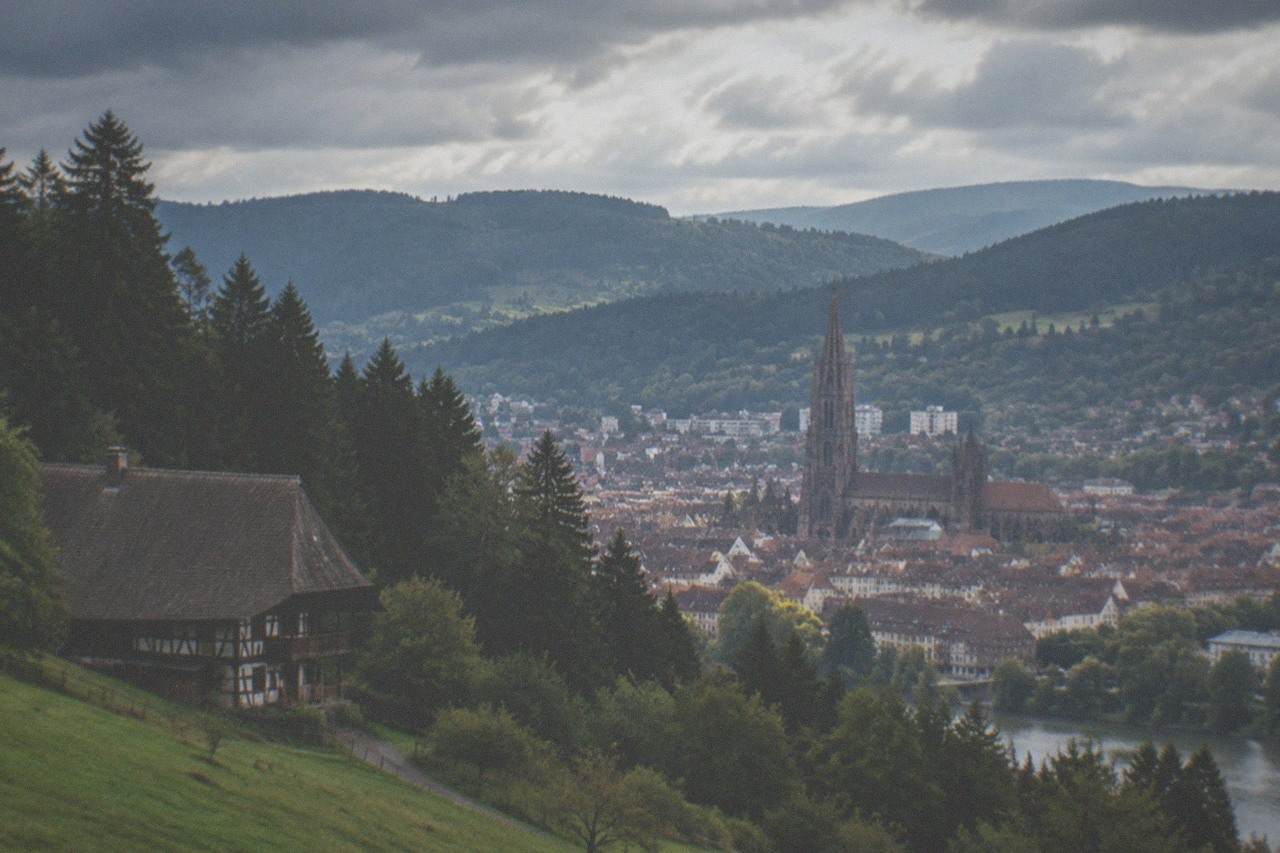
Freiburg sits on the western edge of the Black Forest in a way few other German cities do. The trams of the RVF network run out to the foothills, a direct regional train reaches Titisee, and the Schauinslandbahn cable car lifts you high into the mountains in a short ride. That geography is what makes a five day split practical rather than ambitious: you sleep in one hotel, and the forest comes to you.
This plan keeps the city first for a reason. The old town is compact and walkable, but it is also where the orientation happens, where the transport tickets get bought and where you learn the tram lines you will use all week. Readers who prefer to compress the city can steal a move from the one day in Freiburg plan and hand the freed day to the forest.
The Black Forest here means the real high country: Schauinsland, the Feldberg massif and the lakes around Titisee, not the souvenir version. Freiburg recorded 1,010,708 arrivals and 2,130,785 overnight stays in 2025 across establishments with at least ten beds, and international arrivals actually rose 2.7 percent that year, so the region handles week-long visitors comfortably. This Freiburg Travel Guide covers each of the stops below in its own page if you want more depth on any single day.
How Should You Split Five Days Between City And Forest?
Two days in Freiburg, then one day each on Schauinsland, in the Kaiserstuhl and at Titisee or Europa-Park, is the split that works for most travelers. It front-loads the city while legs are fresh, keeps every forest day within one seat of your hotel, and leaves the final day flexible. Swap the order freely, but keep the city days adjacent at the start.
The reason for city days first is practical. Freiburg's old town holds the Münster, the Bächle, the two gates and the markets, and all of it sits inside a twenty minute walk. Doing it early means the rest of the week references it: every forest viewpoint looks back at the city, and every wine village compares itself to the Badische taverns you will already know.
The overview below shows the full week at a glance. Each day assumes a Freiburg base, which is the cheapest and most flexible way to run this itinerary, since a single hotel for five nights avoids four check-ins.
| Day | Theme | Anchor sight | Getting there |
|---|---|---|---|
| 1 | Old town on foot | Münster and Münsterplatz | Walk from anywhere central |
| 2 | Hill and museums | Schlossberg and Augustinermuseum | Schlossbergbahn, tram or walk |
| 3 | High Black Forest | Schauinsland summit | Tram 2 or bus, then cable car |
| 4 | Wine country | Kaiserstuhl vineyards | Regional train to Ihringen or Breisach |
| 5 | Lake or theme park | Titisee or Europa-Park at Rust | Regional train each way |
One more planning note on the money. The RVF Welcomekarte is the visitor product that matters here, not a KONUS card: Freiburg itself is not a KONUS municipality, though cards issued in nearby member towns like Kirchzarten or Titisee-Neustadt do work on Freiburg's trams. The Welcomekarte covers three days of buses and trains for €27.00, includes one Schauinslandbahn round trip and adds a culture bonus, per the official RVF Welcomekarte page.
For travelers who like a guide's hand on the first day, the private and small-group options below are the strongest fits for this itinerary: a private Italian-language walk for Italian-speaking groups, a medieval-gates deep cut, and a seasonal show tour for the winter dates.
The three formats above sit at very different price points, and the gap is worth understanding before any of them goes on a credit card. A private walk is priced for a whole group rather than per person in practice, a themed deep cut sits at the premium end of the shared-walk market, and the classic city walks are the cheapest guided minutes in the city. The table below places the main guided options for this itinerary side by side, with every price taken from the current roster figures.
| Tour format | Length | Price from | Review standing |
|---|---|---|---|
| Gässle, Bächle and More City Tour | ~1.5 hours | $15 | 4.7 across 3,187 reviews |
| Highlights of the Old Town | ~1.5 hours | $17 | 4.6 across 236 reviews |
| Old Town Private Walking Tour (Italian) | ~1h10m-1h30m | $52 | 6 reviews, too few for a star claim |
| Medieval Gates, Cathedral and Historic Squares | ~2 hours | $232 | 6 reviews, too few for a star claim |
| Christmas Show Tour with Betty BBQ | ~1h 10m | $44 | 12 reviews, too few for a star claim |
Day 1: The Old Town, The Minster And The Bächle
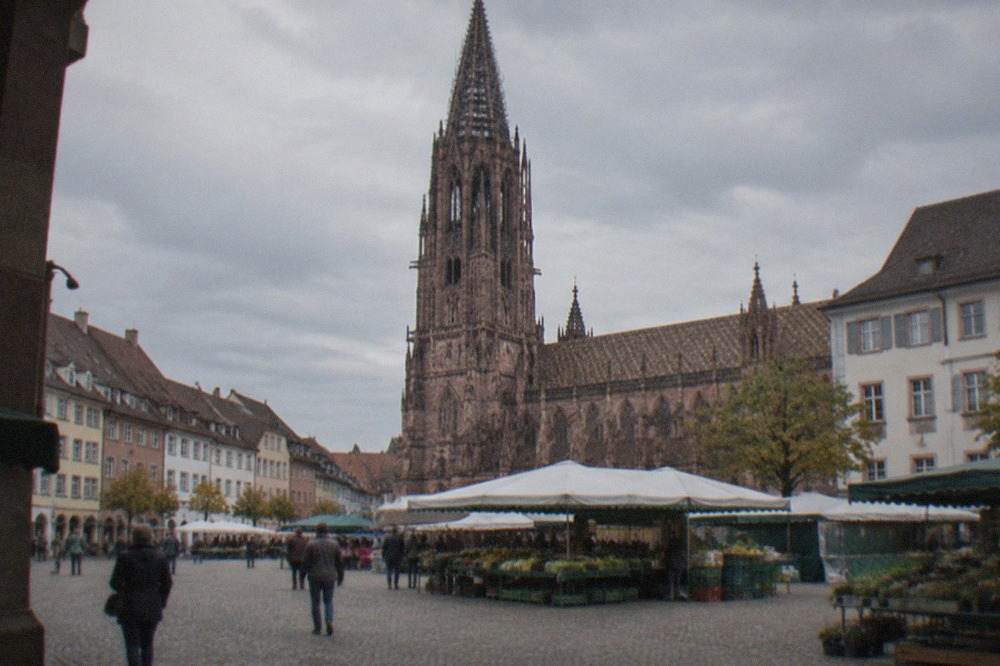
Start at the Münster, climb its tower, then work outward through Münsterplatz, the Historisches Kaufhaus, Martinstor and Schwabentor, ending on Augustinerplatz. Entry to the nave is free, the tower climb costs €5.00 for adults, and the whole route is under two kilometers of walking with no transport needed at all.
The Münster is the fixed point of any Freiburg day. The west tower stands 116 meters tall, but the climb takes visitors to a gallery at 70 meters, not the top, and that gallery closes in the winter months; hours run Monday to Saturday 11:00-16:00 and Sundays and holidays 13:00-17:00, with the last ascent about fifteen minutes before closing, according to the official tower page. From the gallery the whole logic of the itinerary becomes visible: the red roofs of the old town, the Kaiserstuhl to the west, the Black Forest wall to the east.
After the tower, the market square below usually holds part of the Münstermarkt's up-to-130 stalls, running weekdays 07:30-13:30 and Saturdays to 14:00. Lunch belongs to the square's legendary sausage stand, the long red queue near the Historisches Kaufhaus, which is a Freiburg institution in its own right.
The afternoon is for the streets. The Bächle, the little gutters running alongside most old-town sidewalks, the two surviving gates and the Haus zum Walfisch make a natural loop, and every one of them is described in its own page of this site. Italian-speaking travelers can close the day with a guide instead of a map: the private walk in Italian runs about seventy minutes to an hour and a half, currently shows a review pool of six, too small for a star claim, and starts from $52. Check availability
Day 2: Schlossberg, Augustinermuseum And The Wiehre Side
Take the Schlossbergbahn up for €6.50 round trip, or walk the paths for free, spend the morning on the tower and terraces, then descend to the reopened Augustinermuseum at €12 admission with under-27s free. The afternoon crosses the river into the Wiehre district for quieter streets and the Stühlinger side at dusk.
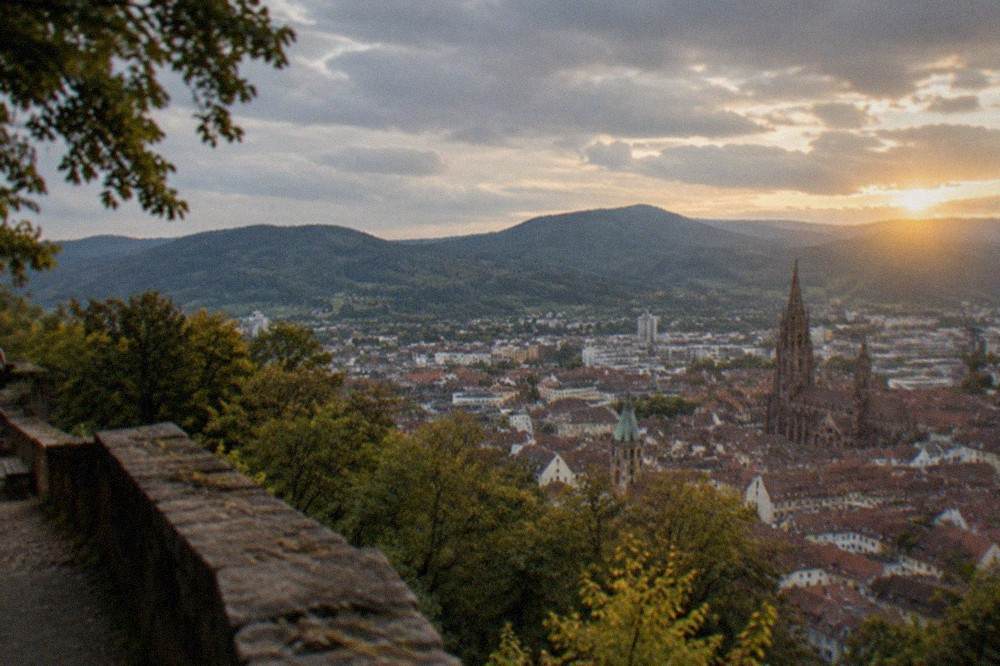
The Schlossberg is the city's hill and it costs nothing to walk. The funicular that serves it charges adults €3.70 one way or €6.50 up and down, children €2.80 and €4.60, and the Schlossbergturm on top is a viewing tower of about 33 meters reached on foot. The panorama from up there spans the whole Rhine plain on clear days, with the Vosges of France visible beyond the Kaiserstuhl.
The Augustinermuseum deserves the afternoon and is easy to underestimate. It fully reopened on 28 February 2026 after more than two decades of phased renovation, adding roughly 1,600 square meters of exhibition space in the former convent building and vaulted cellars for a total near 3,400 square meters. Admission is €12, reduced €8, and the day ticket is valid across the other city museums; everyone under 27 enters free. If art of the last century appeals more, the Museum für Neue Kunst at €7 sits a short walk away, open Thursdays to 19:00.
If you would rather have the hill explained than merely climbed, a guided option exists. The Schlossberg hike tour covers narrow paths, history and views in about two and a half hours from $28.
For the evening, cross into the Wiehre or along the Dreisam to the Stühlinger side, where the Kirchplatz has been deliberately reworked over the past two years with new seating, better lighting and a Kulturkiosk that has hosted over ninety events since opening around March 2026. It is a local evening rather than a tourist one, which after a full first day is exactly the point.
Day 3: Schauinsland And The Black Forest High Country
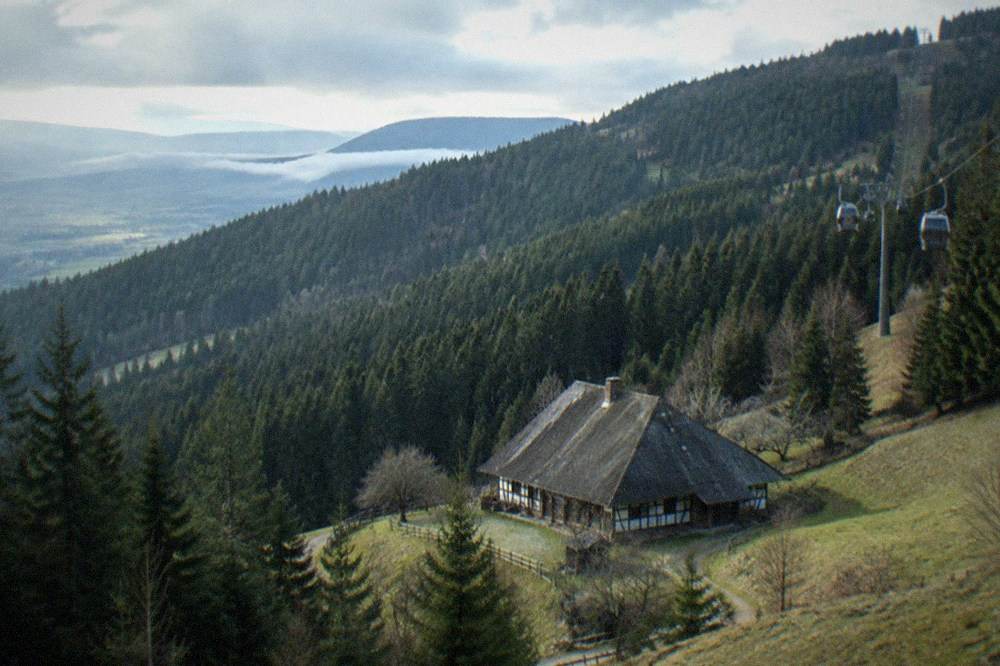
Ride the Schauinslandbahn, at 3,600 meters one of Germany's longest cable cars, to the Schauinsland summit, then walk to the Eugen-Keidel-Turm and the mining museum paths. The adult return fare is €15.00, single €12.00, the car runs 09:00-17:00 daily except 24 December, and the summit sits a short ride from the valley station.
Schauinsland is the high-forest day and the easiest big view in the region. The cable car now sells digital tickets, and its autumn overhaul closes the whole installation, restaurant included, from 16 November to 4 December 2026, with a further spring closure of 22 February to 19 March 2027 listed by the operator. Travelers inside those windows should swap this day with the wine day and check the Schauinsland guide for current status, with fares on the official tariff page.
On the summit, the Eugen-Keidel-Turm reopened in April 2025 after a closure for sanitation work, so the observation tower is again part of the walk. Below it, the Museums-Bergwerk runs guided mine tours only, in a 2026 season from 4 April to 1 November, with tours on Wednesdays, Saturdays, Sundays and holidays and daily in July and August. The site's themed events include crime walks and fairy-tale tours on fixed autumn dates.
Two practical notes shape the day. First, the Welcomekarte includes one Schauinslandbahn round trip, so visitors holding it should not double-buy the cable car ticket. Second, weather in the high country turns fast; the DWD climate normals for the Freiburg station show July and August averaging 20.1°C and 19.7°C in the valley, and the summit runs several degrees cooler with wind on top.
Day 4: Wine Country, The Kaiserstuhl Or Colmar
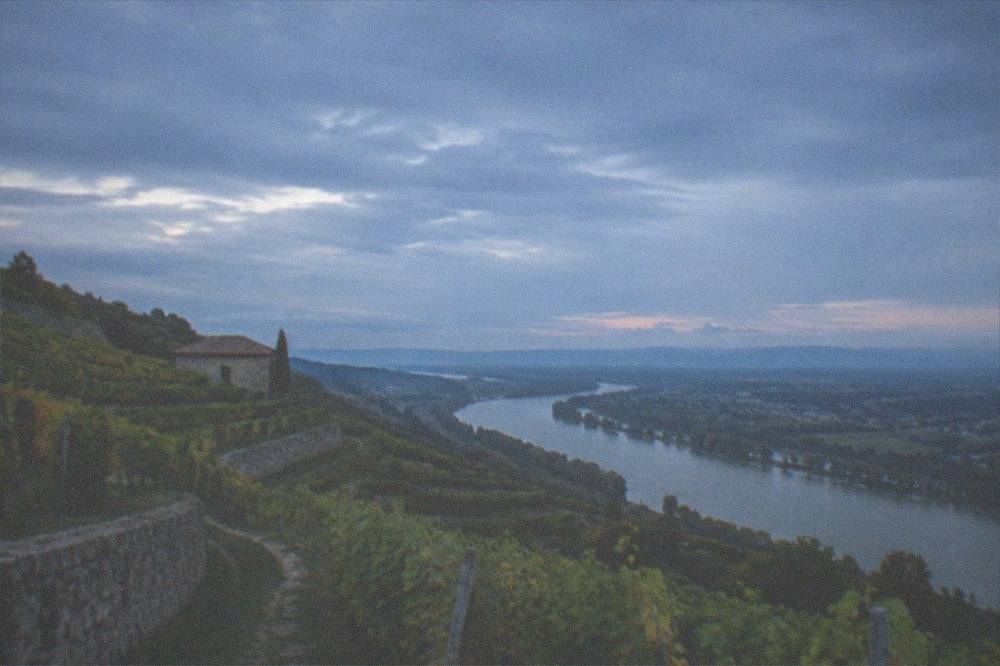
Take a regional train west into the Kaiserstuhl, the extinct volcano whose vineyards produce Baden's strongest Spätburgunder, with Ihringen and Breisach the easiest anchors. The tasting tour with four wines and onion tart in Freiburg starts from $31, and a full wine hike runs about 2.5 hours from $79.
The Kaiserstuhl is the odd sight on a Black Forest itinerary, and it earns the slot. It is a volcanic hill range rising out of the Rhine plain, terraced with vineyards, warmer than almost anywhere in Germany, and reachable from Freiburg by regional train in well under an hour. The Kaiserstuhl guide maps the wine villages; Ihringen, Wasenweiler and Oberrotweil are the classic circuit.
Timing matters more here than anywhere else on the trip. The 2026 wine calendar includes the Weinfest Breisach, Kaiserstuhl and Tuniberg on 28-31 August, the Markgräfler Weinfest at Staufen from 31 July to 3 August, and the KaiserHerbst tasting series from about 10 October to 8 November. Freiburg's own Weinfest set a visitor record in early July 2026 with roughly 110,000 guests over six days, and its 2027 dates are announced for 1-6 July.
If a guided walk with tastings sounds better than self-navigation, the Veni, Vidi, Vino wine hike and tasting covers the vines and the glasses in about two and a half hours, rated 4.4 across 167 reviews, from $79.
The alternative day is French: Colmar, reached by train via Mulhouse, is the Alsace wine route's showpiece and pairs with Freiburg's own Badische wine culture like a mirror. Travelers with a sixth day or a fast pace can push to Strasbourg, but five days argues for keeping Colmar as the stretch goal rather than the promise.
Day 5: Titisee And The Höllentalbahn, Or Europa-Park
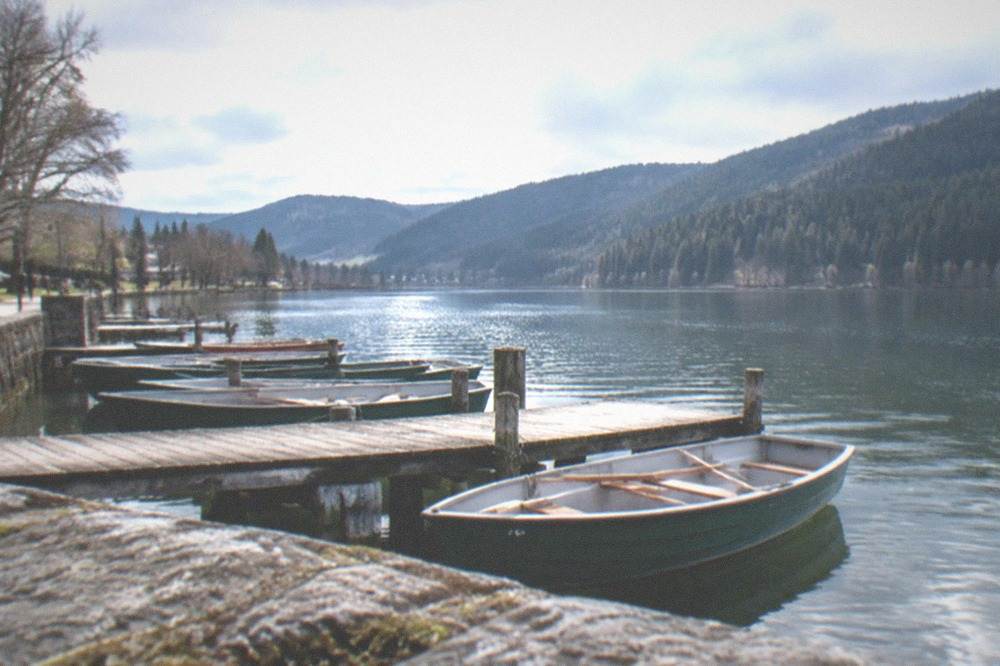
Close the trip with either Titisee, reached by a direct regional train through the Höllental, or Europa-Park at Rust, where a combined transport-and-entry package runs from $127. Titisee is the gentler day of lake, boardwalk and boat rental; Europa-Park is the full theme-park day and needs the earliest start of the week.
The Höllentalbahn is one of the most scenic railway climbs in Germany, winding from Freiburg up through the narrow valley toward the high lakes, and Titisee is its best-known stop. Avoid quoting a firm journey time: sources conflict and the operator's own schedule should be the reference. The lake sits in the high country flanked by the Feldberg massif, the highest range in Germany outside the Alps, whose summit can be reached by cable car for a final view back across everything the week covered.
Families, and any traveler who simply loves roller coasters, should read the fifth day differently. Europa-Park is Germany's biggest theme park, about a 30-40 minute drive from Freiburg or a train to Ringsheim plus a shuttle bus, and day-ticket prices vary by date, roughly €59.50 to €76 for adults according to recent reporting, so check the park's own calendar before budgeting. The combined transfer-and-entry product removes the driving entirely at $127 from Freiburg.
One seasonal decision closes the plan. If the trip lands between 19 November and 23 December, the Christmas market takes over the Altstadt with over 120 stands, entry free, and the seasonal show tour with Betty BBQ, a festive format rated 4.6 across 55 reviews, becomes a strong evening anchor at from $43. Winter travelers should also note the Münster tower gallery closes, the Schauinslandbahn has its maintenance windows, and the museums become the reliable days.
What Does A Five Day Freiburg Trip Cost?
Counting admissions, local transport and food but not lodging, a mid-range traveler spends roughly €90-140 per person per day, and a careful one closer to €60. The city's transport is cheap: a single zone 1 ticket is €3.00, a day ticket €7.20, and the transport lines in this plan stay comfortably below any car hire or taxi budget.
Admission costs across the itinerary are modest and most of the best sights are free. The table below collects the real figures used in the plan; all are local till prices in euros, distinct from the USD prices of the bookable tours named elsewhere on this page.
| Item | Price | Notes |
|---|---|---|
| Münster nave | Free | Open daily |
| Münster tower climb | €5.00 adult, €3.00 child | Family ticket €13, under 7 free, gallery closed in winter |
| Augustinermuseum | €12, reduced €8 | Valid all city museums that day, under 27 free |
| Museum für Neue Kunst | €7, reduced €5 | Free under 27, Thursdays to 19:00 |
| Colombischlössle museum | €5, reduced €3 | Free under 27 |
| Schlossberg | Free on foot | Schlossbergbahn €6.50 round trip adult |
| Schauinslandbahn | €15.00 return | Included once on the Welcomekarte |
| RVF day ticket | €7.20 | Zone 1; 3 zones €14.30 |
| RVF Welcomekarte | €27.00 | 3 days, includes cable car and culture bonus |
Lodging carries one extra worth planning for: Freiburg charges an Übernachtungsteuer, an overnight tax of 5 percent of the net room price, not a Kurtaxe, applied to private stays since 2014 and business stays since July 2023, with guests under 18 exempt. It is small but it appears on the hotel bill, and it funds exactly the culture infrastructure this itinerary leans on.
When Is The Best Time For This Itinerary?
May through September carries the best odds, with July and August the warmest valley months at 20.1°C and 19.7°C on the long-run averages, and September the quietest of them after the school holidays. For the Christmas market, target 19 November to 23 December and swap the forest days for indoor ones. Winter closes the tower gallery and half the high-country highlights.
The climate record for the Freiburg station makes the case plainly. The year averages 11.0°C and 1,815.1 hours of sunshine, which places the city among Germany's warmest and sunniest, though not at the very top of either list. Rain peaks in May at 103.4 mm and stays near 90 mm through summer, so the plan should always keep one flexible indoor day, and the museums plus the Markthalle are exactly that.
Two event windows change the character of the whole trip. Mid-July to early August brings the Zelt-Musik-Festival at Mundenhof, running 15 July to 2 August in its 42nd edition, alongside the Sea You festival at Tunisee on 17-19 July with its new water stage. Spring and autumn bring the fairs, the Frühjahrsmess 14-25 May and the Herbstmess 16-26 October, which turn the exhibition grounds into a full Volksfest with rides and fireworks.
For pure sightseeing economics, late September into early October is the sleeper slot: the wine harvest is on, the KaiserHerbst tastings run through to early November, the trails are dry, and the summer crowds have gone. That shoulder window also avoids the Schauinslandbahn's autumn overhaul, which in 2026 runs 16 November to 4 December.
Before the final questions, one last look at the three bookable formats that fit this five day shape best: the private Italian-language walk, the medieval-gates old town tour and the seasonal show tour.
Common Questions About The Freiburg And Black Forest Itinerary
How many days should I spend in Freiburg?
Two full days cover the old town, Schlossberg and the main museums well; three let you add a second forest or wine excursion at a relaxed pace. This five day plan treats Freiburg as the base for the whole region, which is the most efficient way to see city plus forest without changing hotels.
Do I need a car for a Freiburg and Black Forest itinerary?
No. Trams and buses handle the city, the Schauinslandbahn replaces the mountain drive, and regional trains reach the Kaiserstuhl, Titisee and Ringsheim for Europa-Park. A car only helps if you want multiple small wine villages in one day or the southern Black Forest towns off the rail lines.
Which day trips from Freiburg are the best?
Schauinsland for the high country and views, Titisee for the lake and the Höllentalbahn ride, the Kaiserstuhl for wine, and Colmar in France for a change of country and cuisine. Europa-Park at Rust is the pick for families and thrill-seekers, with a combined transfer-and-entry option from $127.
Is the RVF Welcomekarte worth it for five days?
Usually yes for the three heaviest transport days. At €27.00 it undercuts three day tickets at €7.20 each and includes one Schauinslandbahn round trip worth €15.00 plus a culture bonus. For the remaining days, singles at €3.00 or a day ticket as needed beat buying a second card.
What is the best month for this itinerary?
September, for dry trails, the wine harvest and thinner crowds; the KaiserHerbst tastings run into early November. July and August are warmest, averaging 20.1°C and 19.7°C, but carry the festival crowds. For the Christmas market, plan between 19 November and 23 December and lean on museums and market squares.
Can you do this itinerary in winter?
Partly. The old town, museums, Christmas market and wine taverns all work well, and the Schauinslandbahn runs outside its maintenance windows. But the Münster tower's top gallery closes in winter, the mining museum season ends 1 November, and the lakes lose their swimming appeal, so swap the fifth day for Basel or a spa.