Where To Stay In The Black Forest: The Best Towns And Bases Around Freiburg
The Black Forest stretches from Freiburg's doorstep to the Swiss border, and the town you sleep in decides which half of it you actually see.
Short answer
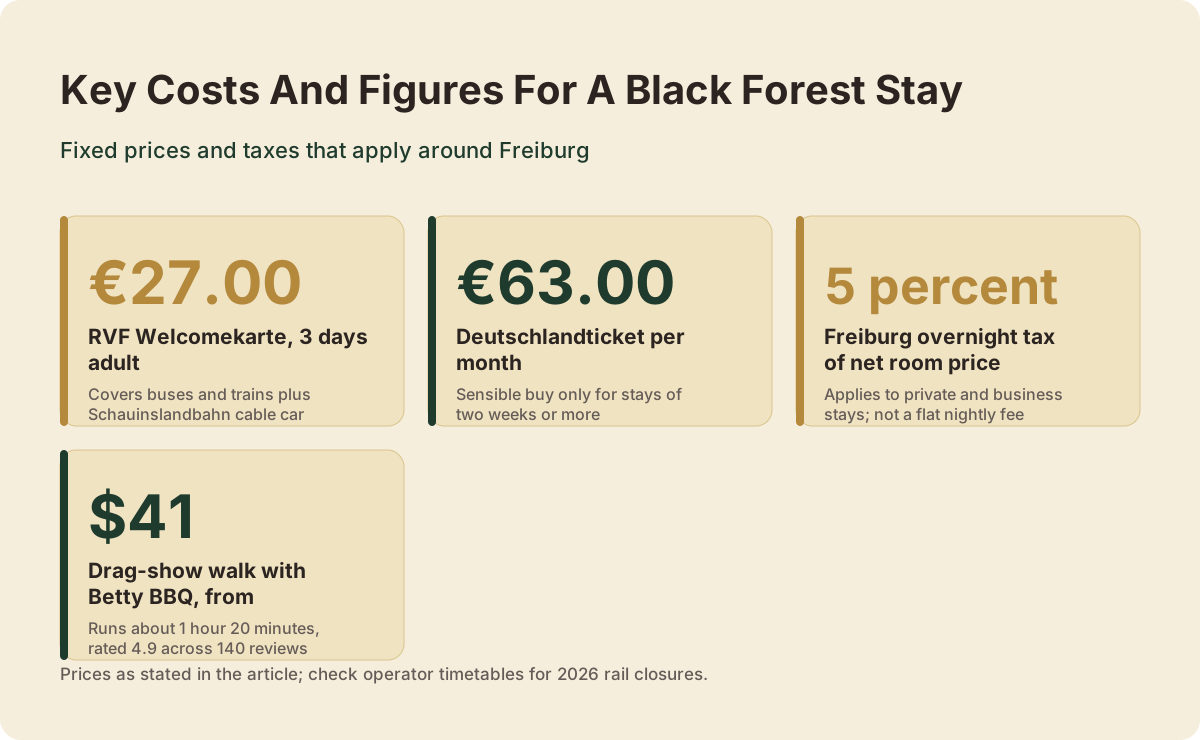
Stay in Freiburg if you want city energy, trams and day trips by train; stay in Titisee-Neustadt for the southern lakes and hiking; stay in St. Peter or Staufen for quiet village wine country. Freiburg's visitor card is the RVF Welcomekarte at €27.00 for 3 days, while many Black Forest towns issue the free KONUS card instead.
Where To Stay In The Black Forest: The Short Answer
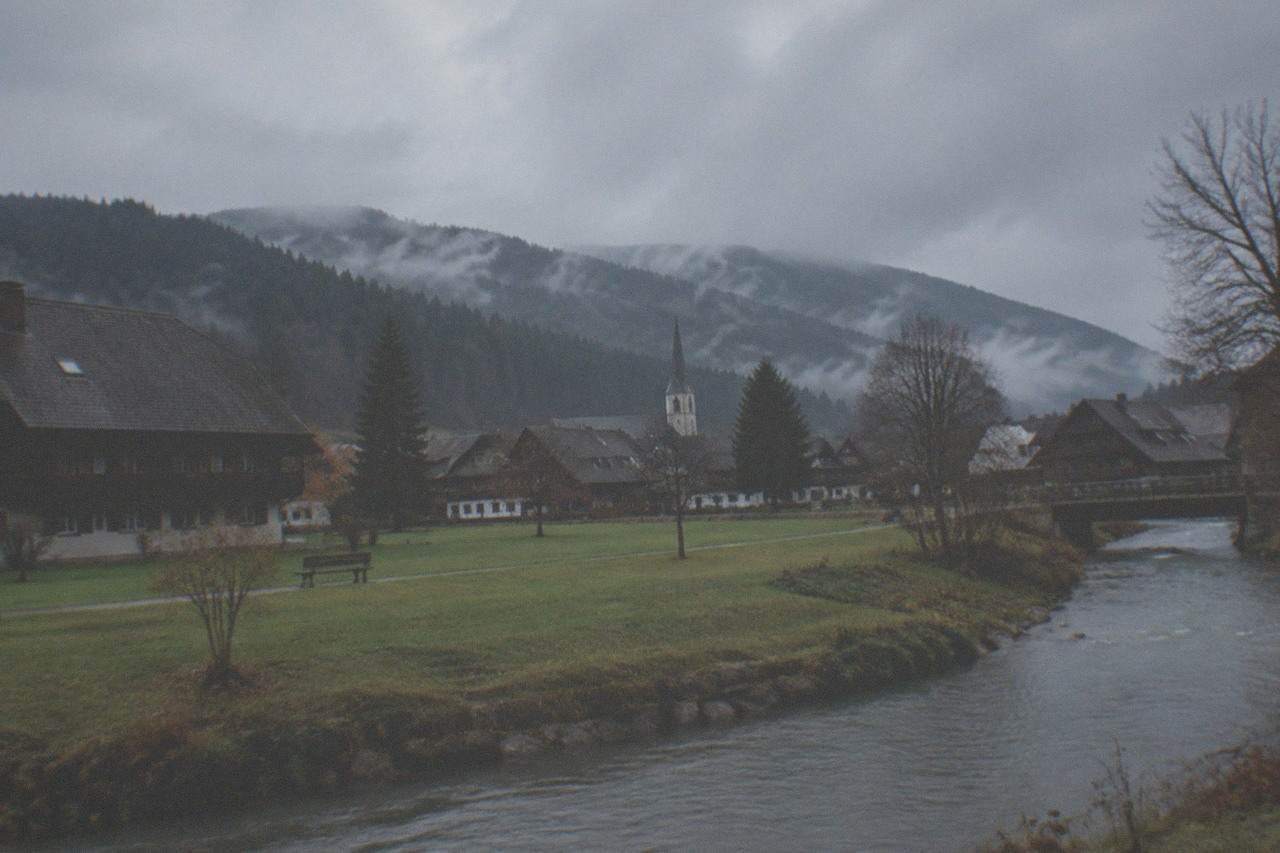
The best Black Forest base depends on what you came for: Freiburg itself for transport, food and year-round energy; Titisee-Neustadt or Schluchsee for lakes and high-moor hiking; St. Peter and St. Märgen for monastery quiet on the Black Forest High Road; Staufen or Bad Krozingen for wine and thermal baths. Every one of these sits within about an hour of Freiburg by car or regional train.
Most visitors fly into Basel, land in Freiburg, and then face a choice: sleep in the city and radiate outward, or sleep inside the forest and accept village rhythms. Both work. The mistake is drifting between three bases in one week, since each move eats a half day of your time for packing, checking in and re-orienting.
This guide walks the realistic options one by one. Each town below appears on this site with its own deep-dive page, so treat this as the decision layer: pick a base here, then read the matching town guide for detail. The Black Forest overview guide covers the region's geography if you need the big map first.
One transport fact shapes everything else. Freiburg city is not a KONUS municipality, so a hotel stay in Freiburg does not hand you the free Black Forest guest card. Nearby towns such as Titisee-Neustadt, Kirchzarten, Horben, Bad Krozingen, Staufen and St. Peter do issue it, and a card issued there is valid on Freiburg's trams and buses. That asymmetry alone pushes many travelers to sleep outside the city.
Titisee-Neustadt And Schluchsee: The Southern Lakes Base
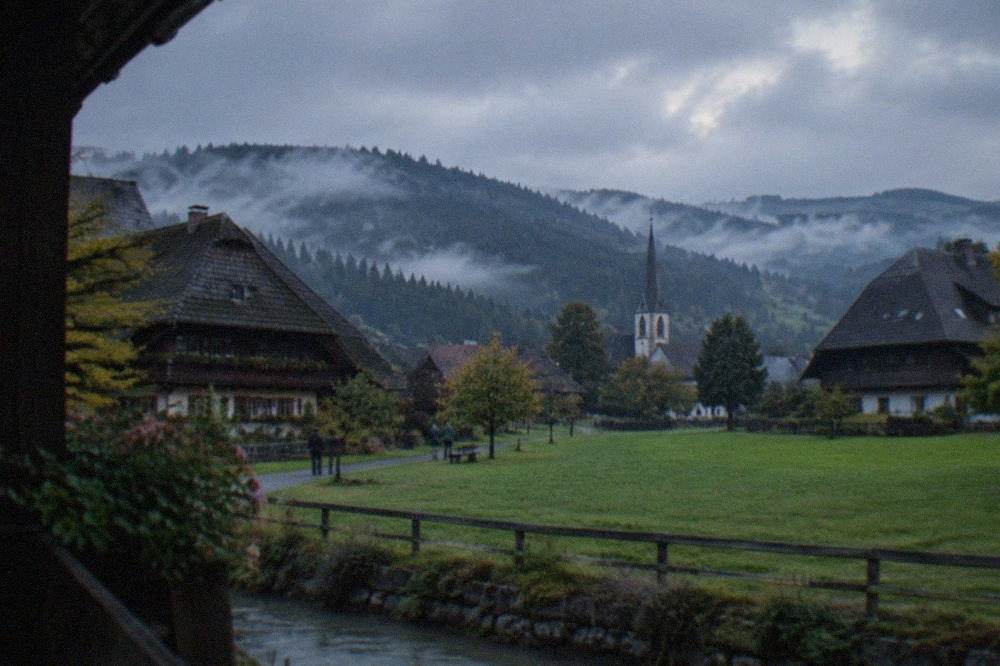
Titisee-Neustadt is the most convenient full-service base inside the southern Black Forest, with direct regional trains to Freiburg, a lake you can swim in, and Feldberg's trailheads close by; Schluchsee, 20 minutes further on, trades Titisee's crowds for a longer, quieter lake and a more genuinely rural feel. Both towns issue the KONUS card, which covers second-class buses and trams across the wider region during your stay.
Titisee is the town most people picture when they hear "Black Forest": a lake with a promenade, paddle boats in summer, and a town center of guesthouses that book out hard in July and August. As a base it is hard to beat for variety. Feldberg, the highest summit in the range, sits a short bus ride up the road, and the Feldberg guide covers its hiking and beginner skiing. The Titisee guide digs into the lake itself, including what the name means and where swimming is allowed.
Schluchsee is the largest lake in the Black Forest and the more relaxed sibling. It suits swimmers, sailors and families more than summit-baggers. The Schluchsee guide explains the reservoir's origins and its swimming beaches.
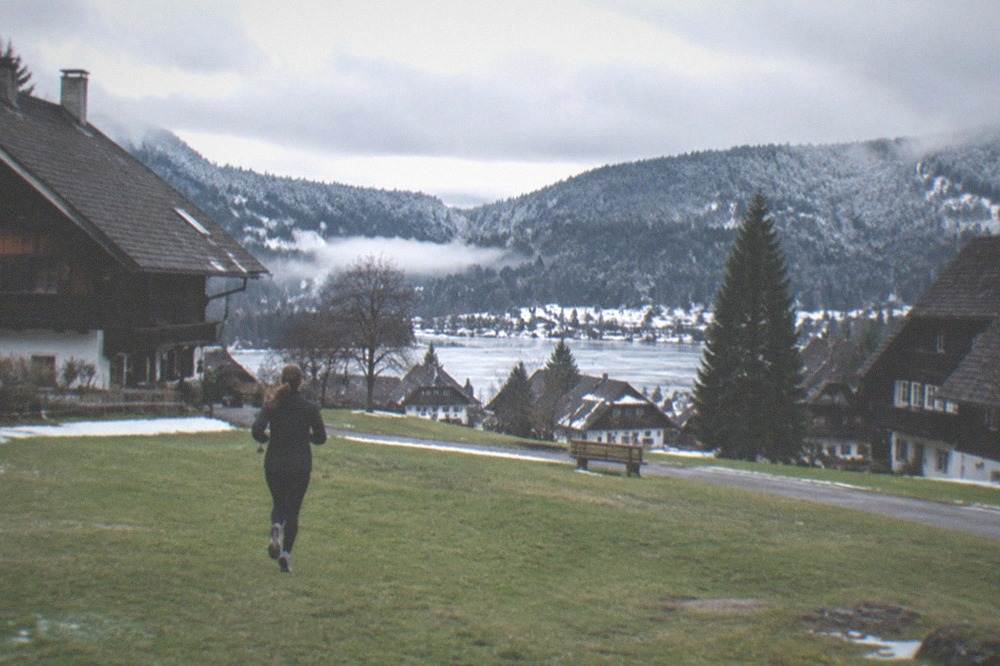
The honest downside of the lake towns is winter compression: they are wonderful from May to October, but between November and March many restaurants close or shorten hours, and fog can sit on the lakes for days. If your trip falls in the dark months, base yourself in Freiburg or Basel instead and visit the lakes on a day trip.
A practical warning for late 2026 travelers: the Höllentalbahn, the railway that links Freiburg to the lake towns, has periodic engineering closures with replacement buses, including work in July and September 2026. The line itself is unchanged as a route; check the operator's live timetable before committing to a train-based itinerary.
Freiburg Itself: The City Base That Keeps Everything Open
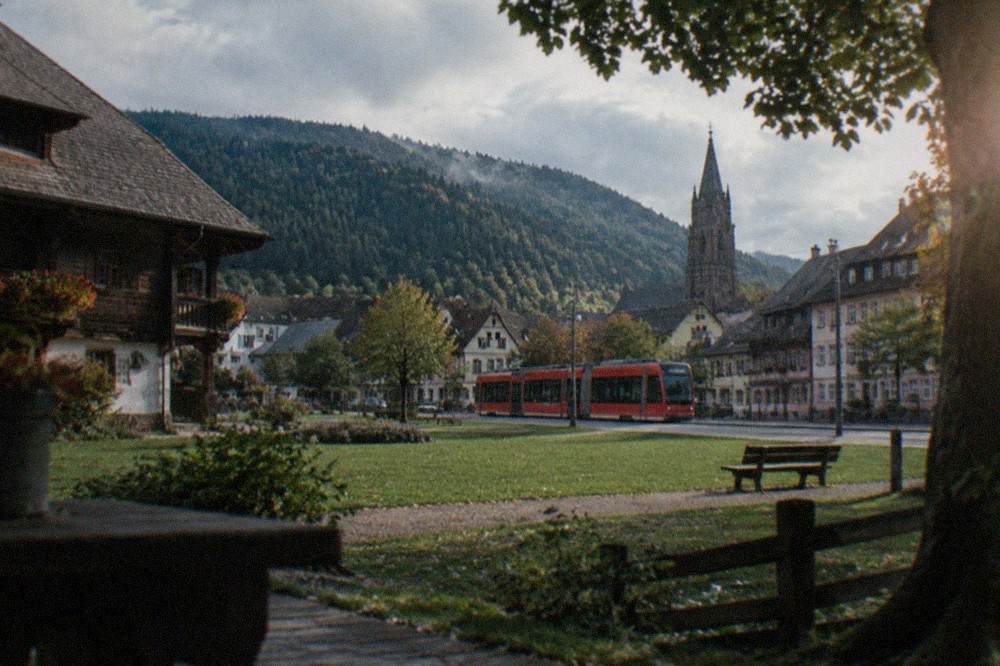
Freiburg works as a Black Forest base because everything in the region funnels through it: trains to the lakes, the Schauinslandbahn cable car, buses to Colmar and Basel, and the densest restaurant scene between Strasbourg and Basel. You trade village charm for reliability, since the city's hotels, museums and food run all year.
The transport math favors the city more than most visitors expect. The RVF Welcomekarte, the region's real visitor product, costs €27.00 for 3 days for an adult, covers buses and trains across the fare network, includes a ride on the Schauinslandbahn cable car, and adds a culture bonus. It is the card Freiburg's own hotels sell you, because the KONUS scheme does not apply inside the city. The Welcomekarte guide breaks down what it covers and when it beats single tickets.
Freiburg's own numbers explain why the city feels busy: official 2025 figures recorded 1,010,708 arrivals and 2,130,785 overnight stays across establishments with ten beds or more, with hotel bed occupancy at 55.2 percent, up 1.2 points on 2024. International arrivals rose 2.7 percent while the domestic market softened slightly. Practically, that means weekends in summer and the Christmas market season fill the center early; book ahead for those windows.
Two hotel facts matter for 2026 and 2027 bookings. The Panoramahotel above the city has been closed since a June 2024 fire, with a full renovation and wellness repositioning announced in early 2026, so it is not a current option. The IntercityHotel by the main station completed a move to the Leonardo brand by mid-2026 after renovations, and the Novotel am Konzerthaus was sold in September 2026 with a planned rebrand to Scandic in autumn 2027; it currently still operates under its existing name. None of this changes where the good areas are, which the where to stay in Freiburg guide maps in full.
City Stays Versus Village Stays At A Glance
| Criterion | Freiburg City | Titisee-Neustadt | Schluchsee | St. Peter / St. Märgen | Staufen |
|---|---|---|---|---|---|
| Direct train to Freiburg | Tram hub at center | Yes, regional | Yes, via branch | Bus or car | Yes, regional |
| KONUS card issued | No | Yes | Yes | Yes | Yes |
| Best season | All year | May to Oct | May to Oct | May to Oct | Apr to Oct |
| Nightlife and dining | Extensive | Moderate | Limited | Very limited | Moderate |
| Lake swimming | No | Yes | Yes | No | No |
| Thermal baths | Keidel baths in city | No | No | No | Nearby at Bad Krozingen |
Evenings in Freiburg are the part a forest village cannot match, and they deserve a line in your base decision. A city stay gives you theater, a dozen dinner options within a ten-minute walk, and a genuinely lit old town after dark. Villages go quiet by nine. Neither is wrong; it depends on whether your evenings are a feature of the trip or just a gap between the day and sleep.
The standout evening option is Freiburg's drag-show walk with Betty BBQ, a theatrical costumed tour that runs about 1 hour 20 minutes, rated 4.9 across 140 reviews and priced from $41. It is the rare walking tour that doubles as a night out, and booked with free cancellation it slots neatly before dinner in the old town.
St. Peter, St. Märgen And The High Road Villages
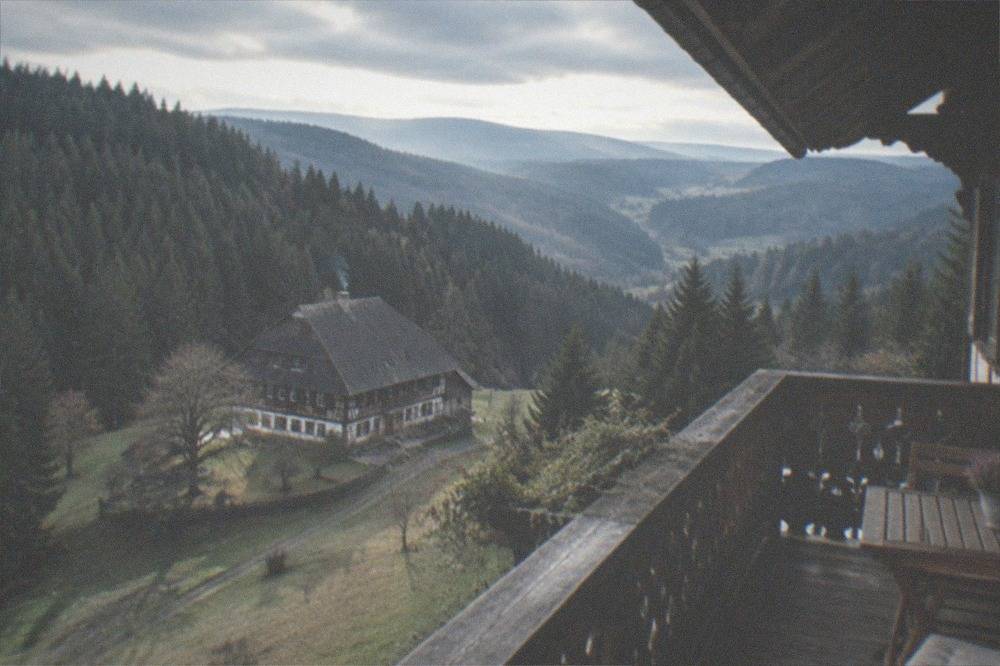
St. Peter and St. Märgen, two former monastery villages on the Black Forest High Road a short drive northeast of Freiburg, are the region's quiet-escape base: baroque church architecture, farm trails, and guesthouses that serve homemade Black Forest cake, all well up in the hills. Trains do not reach them directly, so this is a car or hiking-bus base.
The pair sits on the scenic spine that runs from Freiburg toward Triberg, covered route by route in the Black Forest High Road guide. St. Peter's abbey church is one of the most complete baroque interiors in southwest Germany, and the village around it is small enough to cross in ten minutes. St. Märgen adds a pilgrimage museum and access to long-distance hiking trails.
Why stay here rather than visit on a day trip? The mornings and evenings. Village light on the hills, breakfast at a farm guesthouse, and trailheads starting at your door instead of at a parking lot. Hikers wanting Germany's tallest tree and the deeper forest routes can base here comfortably; the details are in the hiking near Freiburg guide.
The catch is the same as everywhere at elevation: winter snow can make access slow without a car, and the villages all but shut down between Christmas and Easter outside a few hotel-kitchens. The sweet spots are May to June, when the orchards bloom, and late September, when the vineyards below at Staufen turn color.
Staufen, Bad Krozingen And The Wine-Valley Option
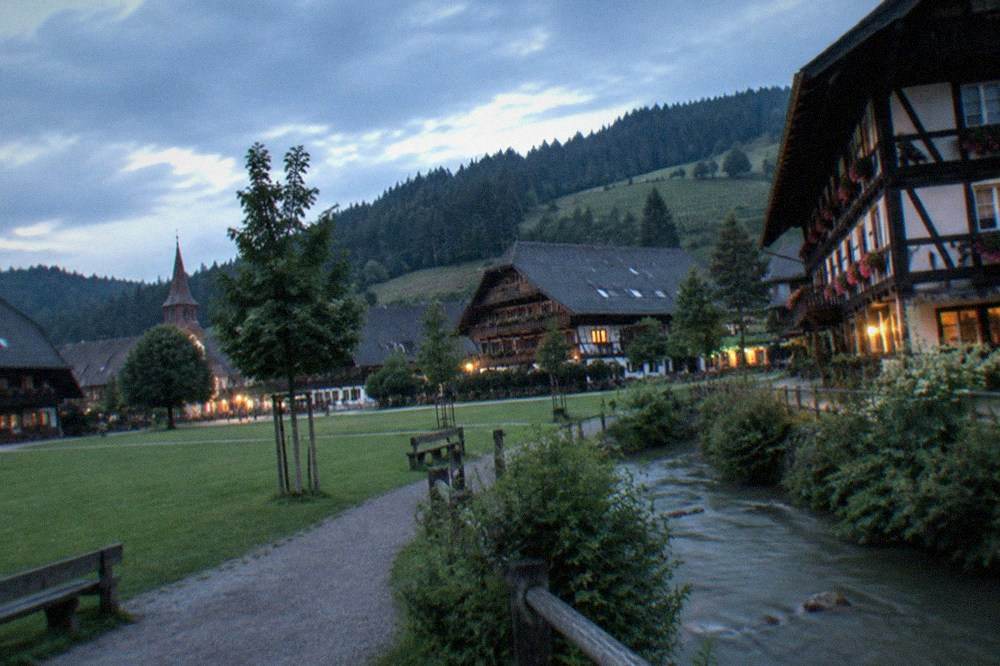
Staufen and Bad Krozingen, 20 to 30 minutes south of Freiburg in the Markgräflerland wine country, are the base for travelers who want vines, thermal water and half-timbered lanes rather than high forest: Staufen is the wine-village charmer with direct trains, Bad Krozingen is the spa town with thermal baths, and both issue the KONUS card.
Staufen's setting is unusual for the region: a small castle ruin above a wine village at the mouth of the Münstertal, which climbs into the forest from the back of town. Recent reporting noted a new Michelin one-star addition at Storchen in Bad Krozingen, which alongside Freiburg's five one-star restaurants gives the southern wine valleys serious dining weight. The Kaiserstuhl guide covers the volcano-soil vineyards just west of here, and the Baden wine guide explains what is in your glass.
Bad Krozingen's case is thermal. Its spa facilities draw wellness travelers year-round, which makes it one of the few Black Forest-adjacent bases that genuinely works in winter. It also sits on the main Freiburg to Basel railway, so day trips to both cities need no car. Everything else covered here is indexed on Freiburg Travel Guide.
A useful nuance about the guest card in the wine valleys: KONUS covers transport, but it is not a spa pass. Thermal-bath entry is always separate and priced per facility; check the specific bath's own site before budgeting. The card's real value here is the free second-class bus and train use, valid from check-in to departure day at participating lodgings.
Triberg And The Central Forest: Worth The Detour?
Triberg, deep in the central Black Forest about an hour from Freiburg by car, is a base only if waterfalls, cuckoo clocks and the darkest forest interior are your priority: the falls and the clock industry are the real thing, but train connections run through Offenburg rather than Freiburg, which makes it awkward as a single-trip base if Freiburg is your anchor.
The Triberg guide covers waterfalls that rank among Germany's highest and the cuckoo-clock villages around them, and the cuckoo clock traditions guide explains the clock-making heritage. If your itinerary is Freiburg-first, treat Triberg as an overnight on a wider loop rather than your base: the Black Forest road trip guide shows the route that strings Freiburg, the High Road villages, Triberg and Baden-Baden together.
What Triberg genuinely offers that the southern towns do not is density of the classic imagery: waterfalls in the town center, giant cuckoo clocks on the roadside, and forest that feels genuinely deep rather than scenic-edge. Hotel rates run lower than Titisee's in high summer too, which helps.
Car Or Train: How Your Base Choice Follows Your Transport
Choose a train base if you will not drive: Freiburg, Titisee-Neustadt, Schluchsee, Staufen and Bad Krozingen all sit on or near rail lines radiating from Freiburg. Choose a car base for St. Peter, St. Märgen, the Münstertal, and the central forest around Triberg, where buses are thin and the best viewpoints have no station.
The train side is stronger than most visitors assume. Regional trains link Freiburg to the lakes, and the same fare network that sells the Welcomekarte also honors the Deutschlandticket at €63.00 per month, a sensible buy only for stays of two weeks or more. Shorter visitors should use single tickets, day tickets or the Welcomekarte; the getting around Freiburg guide compares them properly.
The car side has one trap worth naming: Freiburg's city parking is scarce and metered, and the B31 tunnels through the city see periodic night closures for maintenance, with a full renovation program slated to start in 2028. If you sleep in the city with a car, budget for a garage. If you sleep in a village, you will rarely touch the car except on transit days. The parking in Freiburg guide and the car hire guide cover both ends.
Transport By Base Town
| Base | Car-free practicality | Connection to Freiburg | Guest card |
|---|---|---|---|
| Freiburg | Excellent | Tram and rail hub | RVF Welcomekarte, €27.00 for 3 days |
| Titisee-Neustadt | Good | Direct regional train | KONUS |
| Schluchsee | Good | Regional train with branch | KONUS |
| St. Peter / St. Märgen | Poor | Bus or car only | KONUS |
| Staufen | Good | Direct regional train | KONUS |
| Bad Krozingen | Excellent | Main Basel line | KONUS |
| Triberg | Moderate | Via Offenburg, no direct Freiburg line | KONUS |
For anyone weighing the two lifestyles honestly: a car buys you sunrise trailheads, bakery stops in hamlets with no station, and the freedom to chase clear weather across the range. A train base buys you a glass of wine with dinner, no parking anxiety, and the chance to sleep in the old town itself. Families with young children and serious hikers usually lean toward the car; solo travelers and couples on a three-day city-plus-forest trip usually do not miss one.
What A Black Forest Stay Actually Costs
A mid-range double in a lake or wine town swings hard with the week and the season, high-season lakefront rooms in a town like Titisee routinely price well above a shoulder-season night in Staufen or the Freiburg suburbs, so check the operator's live listing rather than trust a flat nightly figure. Two fixed costs are certain: Freiburg's overnight tax is 5 percent of the net room price, not a flat nightly fee, and children under 18 are exempt from it.
The overnight tax, the Übernachtungsteuer, applies to private stays in Freiburg (since 2014) and to business stays (since 1 July 2023), and it is normally collected by the hotel and shown on your bill. Black Forest villages in Baden-Württemberg apply their own local levies; the 5 percent figure is Freiburg's, so do not assume it transfers.
Beyond the room, the spend profile differs by base. In Freiburg you pay city prices for food but save on transport with the Welcomekarte. In villages you save on dinner but pay more per mile of movement, either in fuel or in the taxi you will occasionally need. Budget travelers should read the Freiburg on a budget guide, which itemizes a realistic low-cost day in the city.
Firm local prices you can plan around, all in euro at the till: the RVF single ticket for one zone is €3.00, a one-zone day ticket €7.20, the Welcomekarte €27.00 for 3 days, the Schauinslandbahn adult return €15.00, and the Münster tower climb €5 for adults with a family ticket at €13. Tour and experience prices on this site, by contrast, are shown in US dollars, so keep the two currencies separate when you add up a day.
Seasonal Timing: When Each Base Works Best
The lake and village bases peak from May to early October; Freiburg and Bad Krozingen are the year-round bases; December belongs to the Christmas market, which in 2026 runs 19 November to 23 December; and the Schauinslandbahn closes for its autumn overhaul from 16 November to 4 December 2026, a date window that catches early-winter planners.
Climate data from the official station in Freiburg frames the season: the warmest months are July at 20.1 °C and August at 19.7 °C mean, the wettest is May at 103.4 mm, and the sunniest is July at 252.2 hours of sunshine. Freiburg is one of Germany's warmest and sunniest cities, though not the single warmest. Up at the lake and village elevations, subtract a few degrees and add wind, especially on Feldberg, where frost can appear even on summer mornings.
The two calendar traps for 2026 and early 2027 are both cable-car related. The Schauinslandbahn's autumn closure spans 16 November to 4 December 2026, with the mountain restaurant shut too, and the spring 2027 revision is scheduled for 22 February to 19 March. The Schauinsland guide explains what the mountain offers when the cable car runs. The Eugen-Keidel tower on the summit reopened in April 2025 after its sanitation closure, so the summit itself is back to full visiting condition.
Season-By-Season Base Choice
| Period | Best base | Why |
|---|---|---|
| May to June | St. Peter / St. Märgen, Staufen | Orchard bloom in the villages, vines greening, trails dry before summer crowds |
| July to August | Titisee-Neustadt, Schluchsee | Lake swimming, Feldberg trails, longest daylight; book guesthouses early |
| September to October | Staufen, Kaiserstuhl edge | Wine festivals and open winemaker cellars across the Markgräflerland |
| November to 23 December | Freiburg | Christmas market runs 19 November to 23 December 2026; lake towns wind down |
| Late December to March | Freiburg or Bad Krozingen | Village kitchens close or shorten hours; thermal baths and city museums stay open |
Winter visitors should also know that the Christmas market keeps Freiburg full: over 120 stands across Rathausplatz and other squares, free entry, weekdays from 10:00 to 20:30 and Sundays from 11:30 to 19:30, closed on 22 November. The Freiburg Christmas market guide and the Freiburg in winter guide cover that season properly.
A final note on summer crowds at the lakes: Titisee's promenade fills by late morning in July and August, and the region's wine festival drew about 110,000 guests over six days in early July 2026, which tells you how busy the whole southern region becomes. Sleeping in a village and driving or hiking to the lake early beats the reverse pattern every time.
Wine-minded travelers have a reason to book late summer: the Kaiserstuhl and Markgräflerland tasting calendar runs through autumn, and a hike-and-tasting experience such as the Veni, Vidi, Vino wine walk, rated 4.4 across 167 reviews and priced from $79, pairs the vines above Freiburg with local pours.
Pulling It All Together: Choosing Your Base In One Pass
If you are still torn, rank your trip by its single heaviest activity: hiking points you to the lakes and High Road villages, wine and food point you to Staufen and the Kaiserstuhl edge, city culture and year-round reliability point you to Freiburg, and wellness points you to Bad Krozingen. Then confirm one thing before booking: whether your chosen town issues the KONUS card, because it changes your daily transport budget more than any hotel price difference.
The pattern that disappoints people most often is the "see everything" base. The Black Forest is bigger than it looks on a map, and a single base in the deep central forest makes the Alsace, Basel and the southern lakes all feel far. Two bases, one inside the region and one in Freiburg at either end of the trip, is the structure that fits the geography. The three days in Freiburg guide and the Freiburg and Black Forest five days guide sketch exactly that split.
Whatever base wins, the first evening deserves a proper introduction to the city you will pass through again and again. A short orientation walk, a guided dramatized tour, or a food tour all work; the selection below covers the formats that consistently fit a first night.
Common Questions About Staying In The Black Forest
Where To Stay In The Black Forest?
Pick Freiburg for an all-year city base with trams and trains, Titisee-Neustadt or Schluchsee for lakes and hiking from May to October, St. Peter and St. Märgen for quiet monastery-village escapes by car, and Staufen or Bad Krozingen for wine valleys and thermal spas. Every option lies within about an hour of Freiburg.
Does A Freiburg Hotel Give You A Free KONUS Card?
No. Freiburg city is not a KONUS municipality, so a hotel stay there does not include the card. The visitor product sold in Freiburg is the RVF Welcomekarte, €27.00 for 3 days, covering buses and trains and including the Schauinslandbahn. A KONUS card issued in a nearby member town such as Titisee-Neustadt or Staufen is valid on Freiburg's trams and buses.
What Is Freiburg's Visitor Tax?
Freiburg charges an overnight tax of 5 percent of the net room price, not a Kurtaxe and not a flat nightly fee. Private stays have been taxed since 2014, business stays since 1 July 2023, and guests under 18 are exempt.
Do You Need A Car To Stay In The Black Forest?
Not for the rail-served towns: Freiburg, Titisee-Neustadt, Schluchsee, Staufen and Bad Krozingen all connect by train or tram. A car makes sense for St. Peter, St. Märgen, the Münstertal and the central forest around Triberg, where buses are sparse.
When Is The Best Time To Stay In The Black Forest?
May to early October for the lake and village bases, when hiking, swimming and wine events are all running. December works for Freiburg's Christmas market, which runs 19 November to 23 December in 2026. Winter travelers should note the Schauinslandbahn closes 16 November to 4 December 2026 for its autumn overhaul.
Is It Cheaper To Stay In Freiburg Or In The Villages?
Village guesthouses generally cost less than central Freiburg hotels in high summer, but you spend more on transport without the Welcomekarte's coverage. City stays bundle transit, food and year-round opening hours into one price, so the totals converge for most short trips.