Ravenna Gorge: A Practical Black Forest Day Trip From Freiburg
The Ravenna Gorge is one of the most walkable slices of the High Black Forest within easy reach of Freiburg, reached by the same rural rail line that carries travelers toward Titisee. Here is how the trip works, what the gorge actually looks like, and how to plan around the line's maintenance closures.
Short answer
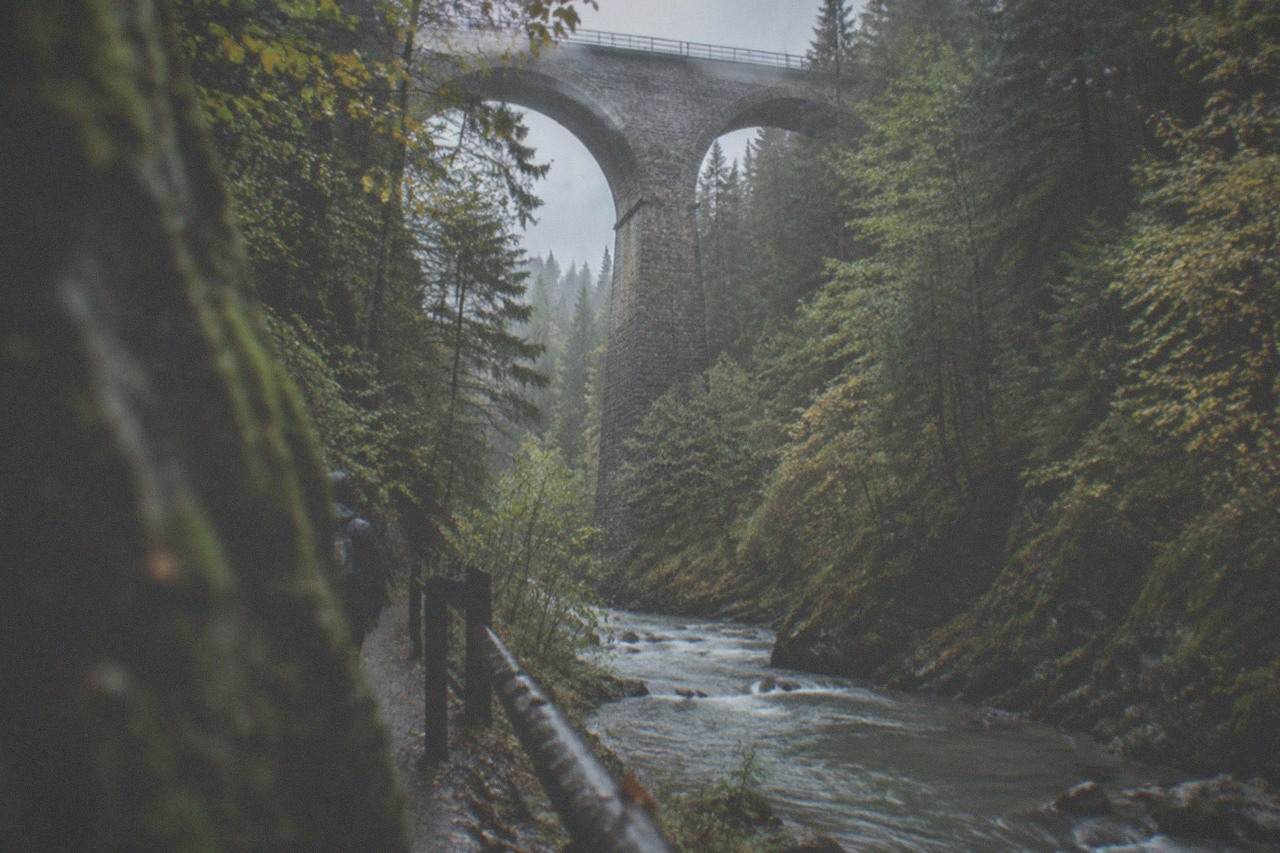
The Ravenna Gorge is a narrow forest valley near Hinterzarten in the High Black Forest, crossed by the stone viaduct of the Höllentalbahn railway. A direct regional train from Freiburg toward Titisee serves Hinterzarten, from which the gorge is walked. It is a half-day outing, best in the warmer months and worth checking against rail works before you travel.
What Is The Ravenna Gorge?
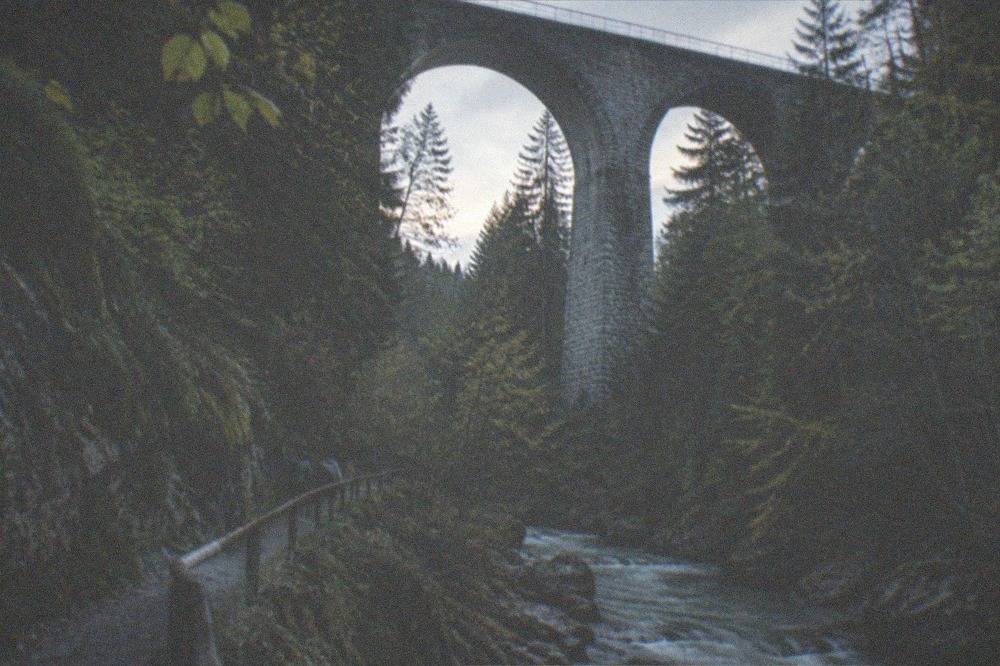
The Ravenna Gorge is a narrow, deeply wooded valley cut by the Ravenna stream in the High Black Forest, just outside the village of Hinterzarten. Its signature sight is the stone railway viaduct of the Höllentalbahn, which spans the gorge on arches, with walking trails running below it along the water. It is a quiet half-day destination, a short regional train ride from Freiburg, and it needs no car to enjoy.
The gorge belongs to the Hochschwarzwald, the higher, darker southern half of the Black Forest that most Freiburg visitors reach for the first time on the way to Titisee or Feldberg. Unlike those bigger names, the Ravenna Gorge stays a local sort of place. The stream has cut a steep cleft between forested slopes, and the path that follows it spends much of its time in shade, close to running water, with moss on the rocks and the smell of damp needles. On a hot summer afternoon in the Rhine plain, that shade is the whole point.
The viaduct is what makes the gorge distinctive rather than merely pretty. The Höllentalbahn, the rural railway line that climbs from Freiburg through the Höllental valley toward Titisee-Neustadt, crosses the Ravenna on a curved stone arch bridge high above the gorge floor. Standing beneath it, you get the odd, rather wonderful experience of hearing a train arrive before you see it, the sound arriving down the valley while the arches frame forest on every side. Photographers linger here, and rightly so.
For anyone based in Freiburg, the gorge works as a day trip precisely because it sits on a rail line the visitor is likely to use anyway. The Freiburg Travel Guide treats it as one of the easier "green half-day" options from the city, alongside the walks described in the Hiking Near Freiburg overview. You do not need a car, you do not need a full day, and you can be back in Freiburg for dinner.
How To Get To The Ravenna Gorge From Freiburg
The practical route is a direct regional train from Freiburg Hauptbahnhof toward Titisee, alighting at Hinterzarten, from where the gorge is reached on foot. The whole outing is doable without a car, and the same line continues to Titisee-Neustadt if you want to pair the gorge with the lake. Allow a half day door to door, and check for engineering works before you set out.
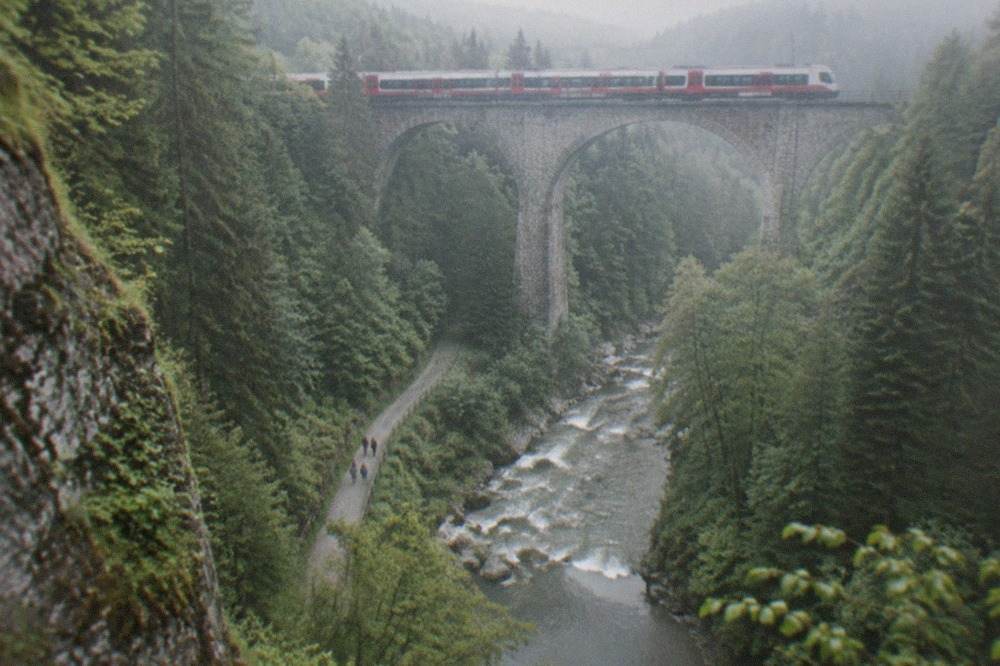
The Höllentalbahn is the backbone of this trip. It is the line that connects Freiburg with the High Black Forest, and Hinterzarten is one of its principal stations. Because the line is rural, single-track in places and heavily used, it is also periodically closed for maintenance, and those closures are worth knowing about in advance. German railways bundle their engineering work into concentrated blocks, and the Ravenna Gorge route is affected like any other.
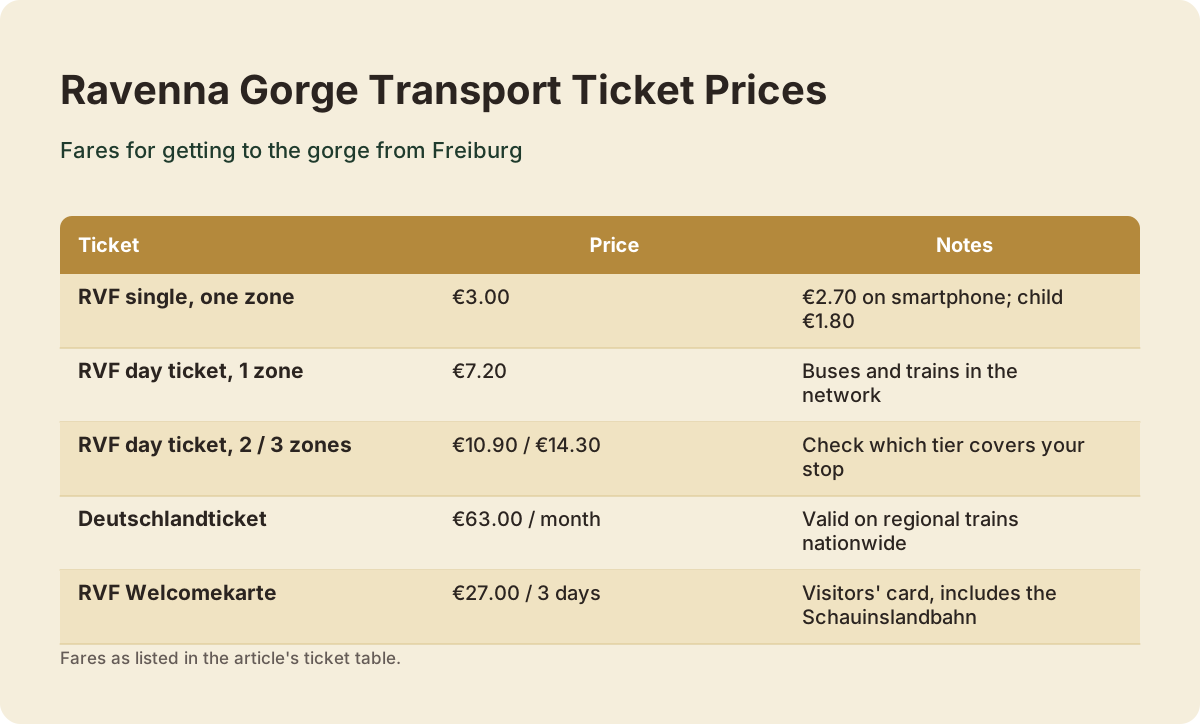
What you pay at the till is in euros, like all German regional transport. Within the Freiburg regional transport network, a single ticket at the lowest price tier costs €3.00, or €2.70 bought on a smartphone, and a one-zone day ticket costs €7.20, with two- and three-zone day tickets at €10.90 and €14.30. The Deutschlandticket, valid nationwide on regional trains, costs €63.00 per month. Check the applicable fare for your journey on the operator's own fare pages before travel, because the gorge sits at the edge of the Freiburg network and tariff boundaries matter.
| Ticket | Price | Notes |
|---|---|---|
| RVF single, one zone | €3.00 | €2.70 on smartphone; child €1.80 |
| RVF day ticket, 1 zone | €7.20 | Buses and trains in the network |
| RVF day ticket, 2 / 3 zones | €10.90 / €14.30 | Check which tier covers your stop |
| Deutschlandticket | €63.00 / month | Valid on regional trains nationwide |
| RVF Welcomekarte | €27.00 / 3 days | Visitors' card, includes the Schauinslandbahn |
Closures are the one thing that can genuinely derail this day trip, so plan around them. Reporting on the line indicates the Höllentalbahn was completely closed for more than a week in mid July 2026 for slope-securing work, with further disruption on sections from 19 September 2026, replacement buses running in both cases. Separately, the Rheintalbahn between Freiburg and Basel was reported closed for works in early October 2026, with regional and some long-distance trains replaced by buses on that corridor. These are temporary, scheduled works rather than anything permanent, but a gorge walk that starts with an unexpected rail replacement bus is a different day altogether. Local reporting on the Höllentalbahn closures and the station information page on replacement services are the places to check the current state of the line.
What The Walk Through The Gorge Is Actually Like
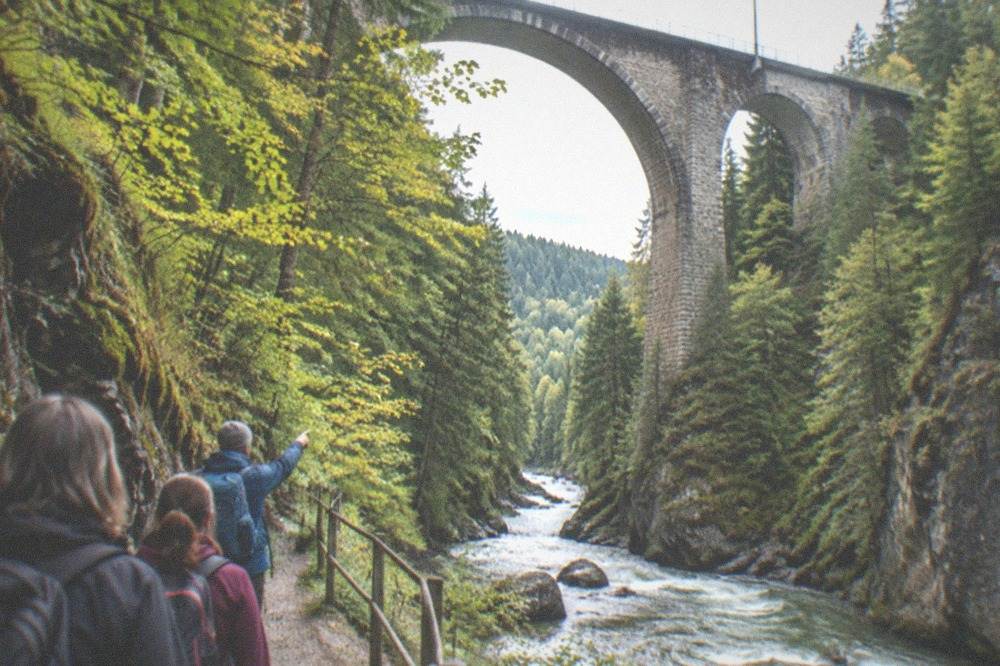
Expect a short, shaded valley walk rather than a demanding hike. The path follows the Ravenna stream beneath steep, forested slopes, crossing the water repeatedly, with the railway viaduct as the set-piece view. Footwear matters more than fitness: the trail stays damp in almost every season, and the rocks near the stream can be slick. Most visitors walk it in a leisurely couple of hours with stops for photographs.
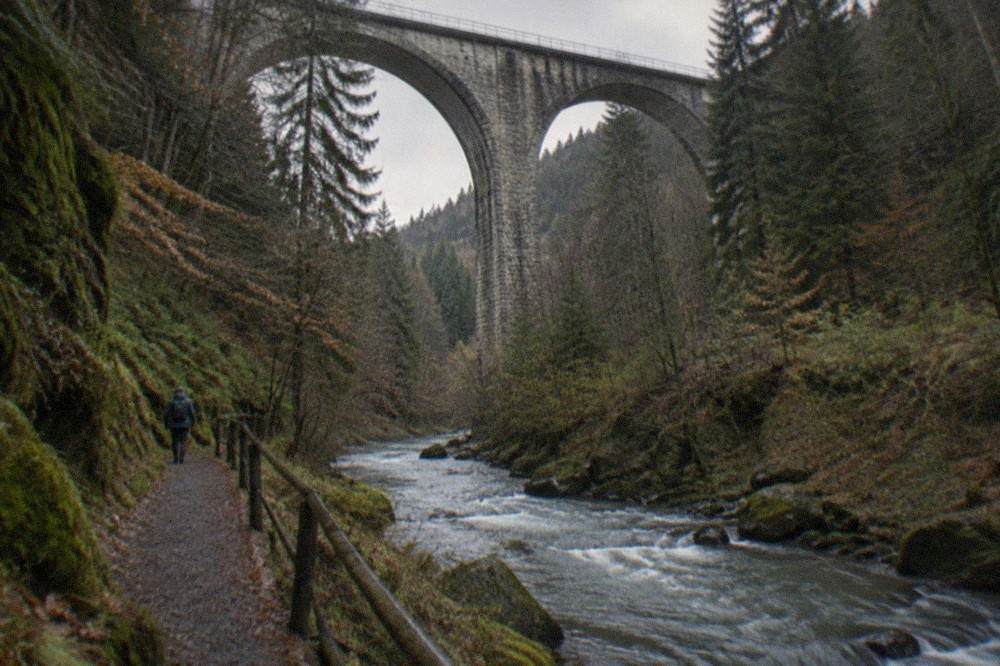
The character of the gorge changes with the season, more than most Black Forest walks. In spring, the stream runs full with snowmelt off the higher ground toward Feldberg, and the gorge is at its loudest. In high summer, the shade is the attraction: the slopes close in enough that the sun only reaches the valley floor in patches, which makes it one of the few genuinely cool places to walk on a day when Freiburg itself is baking. In autumn the beech and fir color comes down the valley, and in winter the gorge is quiet, damp and cold, with the light flat and low.
The viaduct view is the moment most visitors remember. The path passes beneath or near the arches depending on the route you take, and the scale of the stonework against the trees is what makes the photograph work. Early morning gives the best combination of empty trails and soft light; by early afternoon on a weekend the area around the bridge can have a steady trickle of walkers, families and photographers.
Honest framing matters here: this is not a wilderness expedition. The gorge is popular, short and well trodden. People who arrive expecting an epic canyon are disappointed; people who arrive expecting a lovely, manageable forest walk with one genuinely memorable man-made landmark tend to love it. If a big, sweatier Black Forest day is what you are after, the full hiking options around Freiburg cover longer and wilder routes.
The Viaduct, The Railway And Why The Gorge Sounds The Way It Does
The stone arch viaduct that spans the gorge carries the Höllentalbahn, the rural line from Freiburg up the Höllental valley to Titisee-Neustadt. Because the gorge is narrow and the bridge sits high above the valley floor, train noise arrives oddly: you hear the rumble through the trees well before the train appears above you. It is a working railway, so the soundtrack runs all day in both directions.
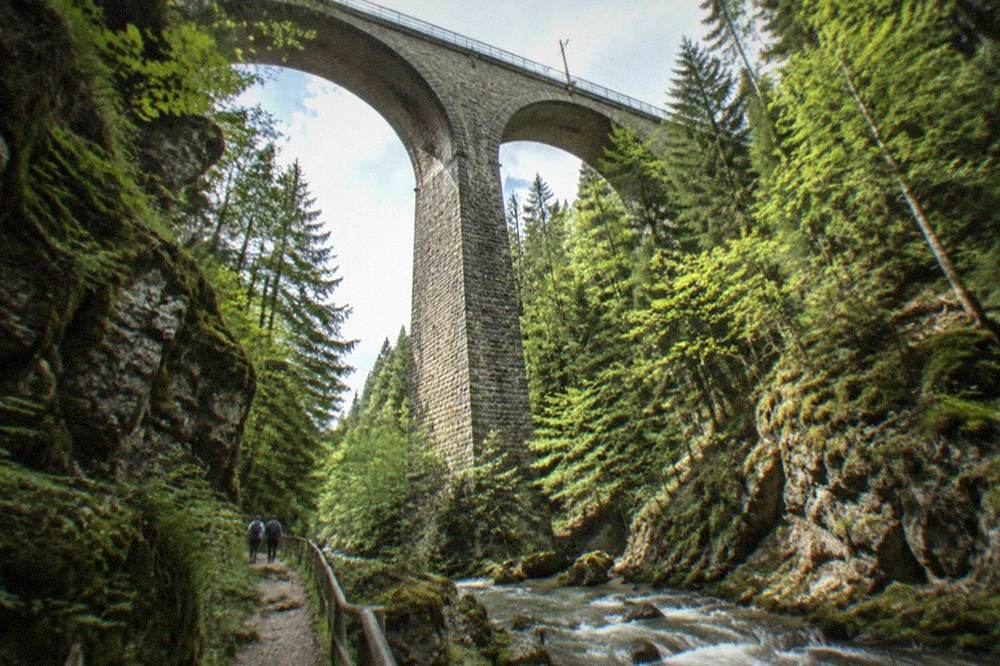
The engineering story is a good one, and it explains why this line feels different from a flat regional railway. The Höllentalbahn climbs from the Rhine plain into the High Black Forest, and a line doing that in a landscape of steep valleys needs structures: viaducts, ramps, tunnels and tight curves. The Ravenna crossing is one of the most visible pieces of that engineering, and standing under it, you can read the whole problem in the stonework. The gorge had to be crossed high, level and straight enough for trains, in terrain that offers nothing level at all.
For photographers, the viaduct is the reason to come. The compositional problem it poses, a huge geometric man-made object inside dense organic forest, is a genuinely interesting one, and the light in the gorge changes it hour by hour. If that kind of assignment appeals to you, it is worth arriving with your camera settings already worked out, because the contrast between the bright arches and the dark trees punishes lazy metering. There is a related option worth knowing about: a photogenic-spots walking tour covers the camera-friendly side of the city itself, run with a local, currently listed from $92 with 2 reviews on the live listing, too small a pool for any star rating to mean much. It is a warm-up for the city, not the gorge, but the two pair naturally on a two-day plan.
When To Go: Seasons, Weather And The Numbers That Matter
The gorge is walkable year round but at its best from late spring to early autumn. Freiburg's climate data shows why: July and August average 20.1°C and 19.7°C in the city, with rain near its summer peak, and May is the wettest month of all. The gorge's shade makes summer heat bearable and its dampness makes wet-weather gear wise in any season. Winter is quiet, cold and dark in the valley.
The climate figures come from the German Weather Service's 1991-2020 normals for the Freiburg station, and they describe the city at the bottom of the climb rather than the gorge itself, which runs cooler and wetter because it sits several hundred meters higher in the Black Forest. Treat the table below as the baseline for your packing, then add a layer and a rain assumption for the gorge. The DWD open-data climate records are the underlying source.
| Month | Mean temperature | Rainfall | Sunshine hours |
|---|---|---|---|
| March | 7.0°C | 54.3 mm | 146.8 h |
| May | 14.9°C | 103.4 mm | 206.8 h |
| July | 20.1°C | 92.2 mm | 252.2 h |
| August | 19.7°C | 83.3 mm | 234.4 h |
| September | 15.4°C | 77.4 mm | 176.2 h |
| October | 10.9°C | 78.5 mm | 116.2 h |
Two patterns in those numbers shape the visit. First, May is the wettest month of the year in Freiburg at 103.4 mm, so the spring gorge is lush and loud but carries a real chance of a soaking. Second, September is close to summer in temperature but drier than July, with 176.2 hours of sunshine, which makes it arguably the sweet spot: warm trail, full stream, softer light for the viaduct, and the first color beginning in the canopy. Freiburg is one of Germany's warmest and sunniest cities by these long-term records, but the gorge does not share that reputation; it borrows only the rain.
One more seasonal note: the top gallery of the Freiburg Minster tower closes in winter, and the Schauinslandbahn cable car south of the city closes for its autumn overhaul from 16 November to 4 December 2026. That is how the region's mountain infrastructure behaves in the cold half of the year. The gorge walk stays open in principle, but in winter you are getting a cold, dark, wet version of a trail that exists to be green and full of water sound. Go between April and October if you have the choice.
Guided, Self-Guided And DIY Options: What A Guide Adds Here
The gorge itself needs no guide; the trail is short, signed and forgiving. What tours add is the rest of the day: a structured look at Freiburg before or after, a themed activity for companions who are not walkers, or a longer guided hike into the wider Black Forest.
The honest division of labor is this: the gorge is a self-guided destination, and the city around your train departure is where tours earn their price. Walking the Ravenna Gorge with a private guide is possible in principle but hard to justify, because the walk's pleasures are sensory rather than informational, and there is no queue, ticket or logistical puzzle a guide removes. By contrast, a guide in Freiburg's old town genuinely changes what you notice, and a themed walk can entertain a travel partner whose enthusiasm for forest trails is limited.
| Option | Format | Duration | Price | Reviews |
|---|---|---|---|---|
| Scavenger hunt self-guided tour | Self-guided, Freiburg city | ~2 hours | from $3 | 4.4 across 43 reviews |
| Highlights of the Old Town | Guided city walk | ~1.5 hours | from $17 | 4.6 across 236 reviews |
| Guided City Tours with Actors | Theatrical city walk | ~1.5 hours | from $17 | 4.9 across 497 reviews |
| Veni, Vidi, Vino wine hike | Guided hike with tasting | ~2.5 hours | from $79 | 4.4 across 167 reviews |
| Freiburg food tour, full meal | Guided food walk | ~3 hours | from $126 | 7 reviews, too few for a rating |
Two of those deserve a closer look for this itinerary. The self-guided scavenger hunt in Freiburg is the cheapest structured activity on the whole roster, listed from $3 and rated 4.4 across 43 reviews, and it works well as a city-side half of a gorge day: hunt in the morning, train to the gorge after lunch. It is a puzzle trail rather than a commentary, so it suits teenagers and reluctant museum-goers particularly well.
The food tour sits at the other end of the scale, listed from $126 with 7 reviews on the live listing, a pool too small for any star claim to be meaningful. What it buys is a full meal with drinks rather than a tasting crawl, which makes it a serious dinner-and-walk combination for a day that started with forest and stream. It is Freiburg-based, so it belongs at the end of the Ravenna Gorge day rather than the beginning.
Pairing The Gorge With The Rest Of The Black Forest
Hinterzarten is the natural base for a bigger day, and the gorge is only one of several stops that hang off the same rail corridor. Titisee, the best-known lake in the High Black Forest, is a few stations further along the same line, and Feldberg, the highest summit in the range, is reachable from the same area. A single day can combine the gorge, the lake and a viewpoint if you start early and the trains cooperate.
The classic pairing is gorge plus lake. Walk the Ravenna Gorge in the morning while the light is low and the trails are empty, take the train onward to Titisee, and spend the afternoon at the water. The Titisee guide covers the lake in detail, including the swimming question and the villages around it. If you have a car, the order can reverse, but on public transport the train-first order is more forgiving, because the gorge walk is the part with a fixed starting point and the lake is the part you can shorten.
The other natural extension is Hinterzarten itself, a village that visitors tend to pass through rather than stop in, which is a mistake: it is one of the quieter, prettier base towns in the Hochschwarzwald, with a lake of its own and easy trail access. The Hinterzarten guide lays out the village and its walking options. If the Ravenna Gorge is the main event of your day, Hinterzarten is the sensible place for lunch before the train back.
For a longer stay built around the same rail line, the five-day Freiburg And Black Forest itinerary strings the city, the gorge country, Titisee, Feldberg and the wine villages into one plan, and it treats the Höllentalbahn as the connective tissue of the whole trip, which is exactly what it is. Anyone doing two or more of these destinations should read that itinerary before booking anything.
What To Bring, And What Not To Bother With
Bring proper shoes, a rain layer and water; skip the swimwear, the full hiking kit and any expectation of buying gear locally. The gorge is short, damp and shaded, so the failures that ruin visits are wet feet and cold arms, not exhaustion or lack of supplies. Cash or a contactless card covers lunch in Hinterzarten, where you pay in euros.
Footwear is the one genuine decision. The trail near the stream is damp for most of the year, and the rocks at the photogenic spots are slick. Running shoes survive a dry September day; they do not survive a May morning after rain. Anything with grip and a sole that does not mind water is right, and everything else is optional. A light rain shell earns its weight in every season here, given that even the city's driest months carry 60 to 90 mm of rain, and the gorge adds its own drip from the canopy long after a shower has passed.
On the packing side, the things visitors bring and do not need are almost as notable. This is not a remote trail: you are never far from Hinterzarten, the walk is short, and there is no scramble, exposure or navigation puzzle. Full hiking boots, poles and a day pack designed for a mountain traverse are all overkill. Swimwear belongs to Titisee, not the Ravenna stream, whose pools are small, cold and not for swimming. And on timing: allow more margin on the return train than the outward one, because the day's fatigue is a real thing and the last thing a good gorge day needs is a sprint to a departing regional train.
One practical note on money: everything at the till in this part of Germany is in euros, from the Hinterzarten bakery to any rail ticket bought at a machine. Prices shown on this site's tour and experience cards are in US dollars, a different thing entirely, and the two should never be compared figure for figure. A café lunch in the village is a euro-priced, small-number affair; the tours in the tables above are dollar-priced products with their own pricing.
Common Questions About The Ravenna Gorge
How do I get to the Ravenna Gorge from Freiburg without a car?
Take a direct regional train from Freiburg Hauptbahnhof toward Titisee and alight at Hinterzarten, then walk to the gorge from the village. The line is the Höllentalbahn. Check for engineering works before travel, because the line periodically closes for maintenance and runs replacement buses when it does.
Is the Ravenna Gorge walk difficult?
No. It is a short, shaded valley walk on a well-trodden trail, suitable for most fitness levels and for families. The main hazards are damp footing near the stream and slick rocks at the photogenic viewpoints. Proper shoes matter more than stamina.
When is the best time of year to visit the Ravenna Gorge?
Late spring through early autumn, with September as the sweet spot: still warm in Freiburg at a 15.4°C monthly average, drier than July, and with 176.2 hours of sunshine. May is lush but the wettest month at 103.4 mm of rain. Winter is cold, dark in the valley and quiet.
Can I combine the Ravenna Gorge with Titisee in one day?
Yes, and it is the classic pairing. Walk the gorge in the morning from Hinterzarten, then continue on the same rail line to Titisee for the afternoon. Doing the gorge first works best on public transport, because the lake portion of the day can be shortened if trains or energy run late.
Do I need a guide for the Ravenna Gorge?
No. The trail is short, signed and forgiving, and there is no ticket or logistics a guide would remove. Tours add more value in Freiburg itself, before or after the gorge day: guided city walks start from $17, a self-guided scavenger hunt is listed from $3, and a full-meal food tour runs from $126.
What should I wear and bring for the gorge walk?
Shoes with grip, a light rain layer and water. The trail near the stream stays damp in most seasons, and the gorge holds its own drip from the canopy after rain. Skip poles, mountain gear and swimwear; the stream pools are small, cold and not for swimming.