What Not To Miss In Black Forest?
A practical, honestly-sourced answer to what not to miss in the Black Forest: the waterfalls, lakes, peaks, villages, food and day trips worth planning a trip around, with Freiburg as the base.
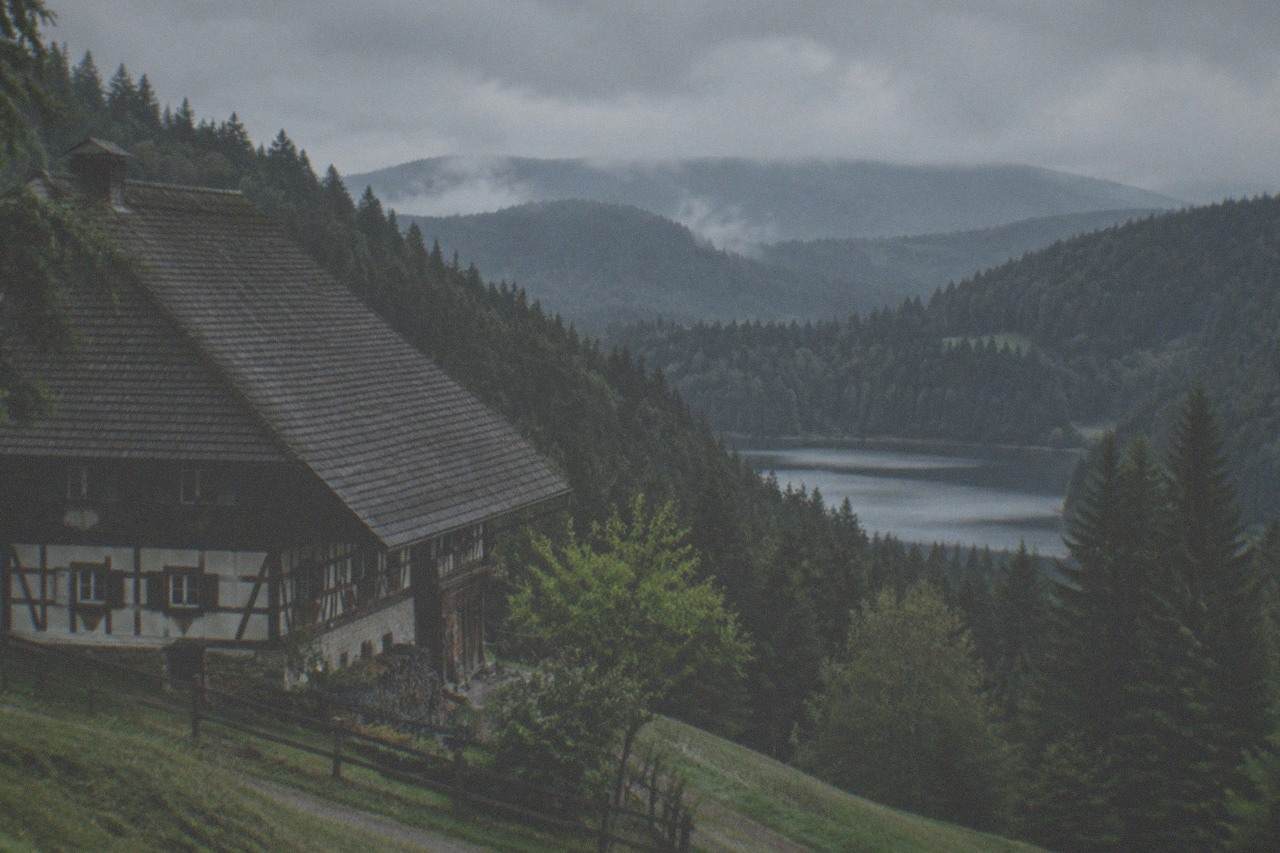
What Not To Miss In Black Forest?
What Not To Miss In Black Forest?
The essentials are Triberg's waterfalls, Lake Titisee and the Feldberg summit, the Schauinsland cable car and its museum mine, the Schwarzwaldhochstrasse scenic drive, the half-timbered villages of Gengenbach and St. Peter, the region's Black Forest cake and Badische wine, and Europa-Park if you travel with children. Most visitors base themselves in Freiburg, where trams, trains and the region's walking tours all start.
The Black Forest is bigger than most first-time visitors expect: the region stretches roughly from Karlsruhe and Baden-Baden in the north down to the Swiss border, and from the Rhine plain eastward past deep valleys, dammed lakes and rounded granite summits. A week is comfortable for the classics; a long weekend forces choices. This page is the honest shortlist, built from primary sources rather than brochure copy, so every price and figure here traces to an official operator page or a verified regional source. For the wider picture of the region itself, start with the full Black Forest guide and work outward from there.
One framing note before the list. Freiburg sits at the forest's western edge and works as the natural base: it has the region's best rail connections, a walkable old town, and the transport network that reaches most of the sights below without a car. Freiburg Travel Guide covers that base city in depth; this page sticks to the forest itself.
If you would rather start with a guide than a map, the walking tours below cover the gateway city, from a two-hour private walk to a professionally guided introduction whose current price you will see on the live listing.
Freiburg As Your Base City For The Forest
Freiburg is the region's transport hub and the most practical place to sleep: direct regional trains reach Titisee, the Höllental valley and Basel, and the city's own trams and buses are covered by the same fare network. Staying in the old town puts the Münster, the Bächle gutters and the market square within a ten-minute walk, and every day trip below starts at the Hauptbahnhof.
The base-city decision matters more here than in most regions because the Black Forest's sights are scattered across valleys with slow roads. From Freiburg you can reach Titisee by direct regional train, the Schauinslandbahn cable car by bus, and the northern sights like the Triberg falls with one change. A car widens the map, especially for the cuckoo clock villages and the high road, but it is not a requirement for the classic route.
The city itself deserves at least one full day. The Münster's sandstone tower, the daily market on Münsterplatz, the little water channels running along the old streets and the Augustinerplatz beer terrace fill an afternoon without any ticket at all. For travelers who want the stories behind the facades, guided walks run most of the year.
Among them, the Historical Red Light Tour, "Heavy Boys, Light Girls", walks about two hours through Freiburg's older quarters and the streets the standard sightseeing routes skip, from $27; it carries only three guest reviews so far, too small a pool to support any star claim. Check availability if the offbeat history angle appeals.
The Peaks, Lakes And Waterfalls You Should Not Skip
Four natural sights define the region: the Triberg waterfalls in the north, Lake Titisee at the heart of the southern forest, the Feldberg as the highest summit, and the Schauinsland with its 3,600-meter cable car directly above Freiburg. Each can be done in half a day from Freiburg except Triberg, which pairs best with an overnight in the northern forest.
The Schauinsland is the easiest big view from the base city. The cable car runs daily from 09:00 to 17:00, an adult return costs €15.00 and a single €12.00, and the summit carries the reopened observation tower plus a museum mine open in the 2026 season from early April to the first of November, with guided descents only, on Wednesdays, weekends and holidays and daily in July and August. Note the maintenance calendar before you commit: the cable car and its mountain restaurant close for the autumn overhaul from 16 November to 4 December 2026, and a spring closure is scheduled for late February to mid-March 2027. The operator's own tariff and times page is the source for those figures, and the Schauinsland guide walks through the full summit day.
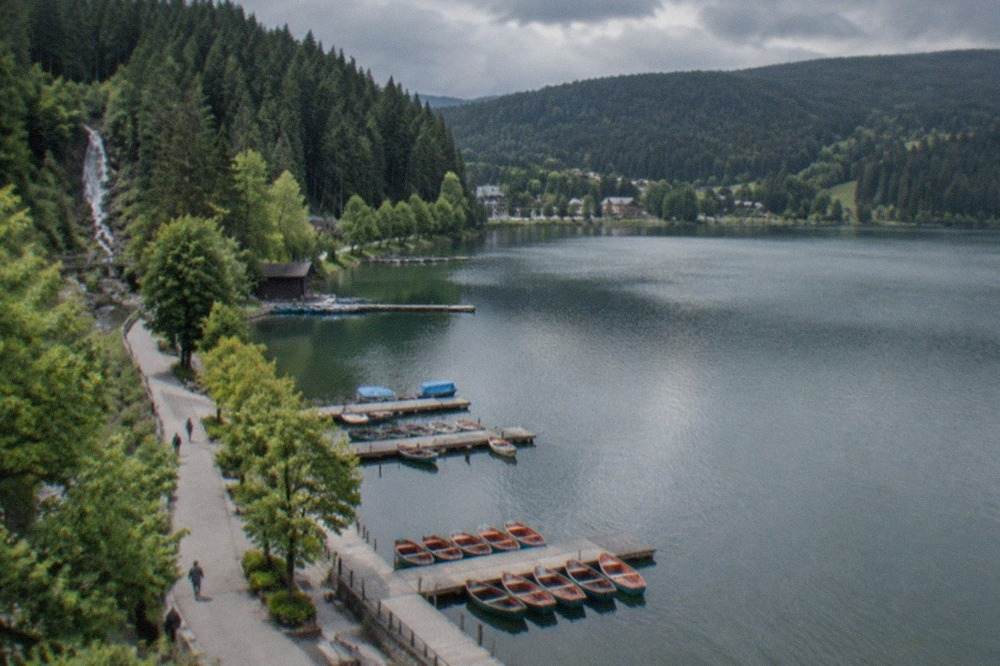
Titisee is the forest's postcard lake, ringed by a promenade town that gets busy in high summer but earns its crowds on an early morning. Feldberg, a short bus hop from the lake, is the highest summit in the range and works year-round: hiking trails in the green season, beginner-friendly slopes in winter. The Triberg falls in the northern forest are among Germany's highest series of falls, set inside a ravine of stepped cascades, and the town around them doubles as one of the clock-making centers; the Triberg waterfalls guide covers tickets, trail options and timings in detail.
The Ravenna gorge, near Hinterzarten, packs an ice-age ravine, a railway viaduct and a small waterfall into a short valley walk, and it is an easy add-on between Titisee and Feldberg. For a structured outdoor day above Freiburg itself, the Schlossberg Hike, Narrow Paths, History and Views runs about two and a half hours for from $28, and it covers the hill the standard city walks only glance at.
| Sight | What it is | Best base | Realistic visit |
|---|---|---|---|
| Schauinsland | Cable car to the summit, museum mine, tower | Freiburg | Half day |
| Titisee | Glacial lake, promenade, boat rentals | Titisee town or Freiburg | Half to full day |
| Feldberg | Highest summit in the range, trails and lifts | Titisee area | Half day |
| Triberg falls | Germany's highest waterfall series | Triberg or northern forest | Half day |
| Ravenna gorge | Ravine walk with viaduct and waterfall | Hinterzarten | Two hours |
The practical way to combine these is one southern day pairing Schauinsland with either the Titisee lake or the Ravenna gorge, saving Feldberg for a morning with the clearest forecast, since the summit holds cloud when the valley is bright. The northern falls need their own overnight unless you are driving. If a half-day of outdoor effort sounds better with a guide than without one, the options below cover the region's walks and the base city's darker history.
Europa-Park And Days Out With Children
Europa-Park at Rust is Germany's largest theme park and, for families, often the single biggest reason to be in the region at all: more than a dozen themed areas, water rides and shows, reached in well under an hour by car or by train to Ringsheim plus a connecting bus. Plan a full day, and buy the ticket online in advance, since pricing varies by date.
On pricing, honesty requires a hedge. Recent reporting puts the 2026 adult day ticket at roughly €59.50 to €76 when bought online, with the lower end applying to off-season dates and the upper end to peak season; the figure varies by calendar day and an on-site surcharge applies, so treat the range as indicative and confirm your specific date on the park's own booking page rather than as a fixed fact. The park raised prices by about four percent for the 2026 season, citing inflation and wage costs.
The Rulantica water park next door is the wet-weather alternative, also with 2026 season price rises, and it can absorb a rainy afternoon that would otherwise flatten a hiking plan. Families combining the park with the forest should note that Rust sits at the region's western edge near the Rhine, so it pairs naturally with a northern-forest itinerary, the Staufen or Freiburg base, or a stop en route to or from Alsace.
Food And Drink The Region Is Known For
Three things on the Black Forest menu matter more than the rest: Black Forest gateau, the cherry-and-cream cake the region exported to the world; Black Forest ham, the smoked raw ham with the protected name; and Badische wine, the pinot-family whites and reds grown on the Kaiserstuhl volcanoes just west of the forest. Add the long red sausage at Freiburg's market and onion tart in wine season, and the plate is complete.
The cake deserves its reputation even in its birthplace, where bakery versions skip the shortcuts of the export market: real kirsch, sour morello cherries, and cream that has not been stabilized into sweetness. The ham is best in a simple Wirtshaus with bread and mustard, and the name is legally protected, so what you get is genuinely the regional cure.
The wine is the surprise for most visitors. Baden is Germany's warmest wine region, and the Kaiserstuhl hills, an old volcanic mound across the Rhine plain from Freiburg, produce spaetburgunder and weissherbst that locals drink almost entirely at home. Wine festivals run through the region in late summer and autumn; the Weinfest at Breisach in late August and the KaiserHerbst tasting series from October into November are the anchors.
Villages, Drives And The Cuckoo Clock Route
The villages are the forest's second act after the scenery: Gengenbach's frescoed market square in the north, St. Peter's monastery ensemble on a high plateau, Staufen's castle ruin above wine taverns, and the Schwarzwaldhochstrasse, the high road that strings the western summits together. The cuckoo clock villages around Schonwald and Schonach sit along the same northern loop, so one or two days covers all of it.
Gengenbach is the pick of the northern towns, small enough to walk in an hour and photogenic enough to justify the drive, with a main gate and a market square lined with painted facades. St. Peter, in the southern hills, holds a baroque church interior that consistently catches first-time visitors off guard; the village sits on a plateau that also serves as a swimming-lake and hiking base. Staufen, technically at the forest's western foot near the vines, pairs a ruined castle with wine taverns and makes a good half-day trip from Freiburg.
The Schwarzwaldhochstrasse, the B500 ridge road, runs the western crest with pull-offs at Mummelsee and several summit viewpoints, best driven early before coach traffic builds. The cuckoo clock route threads the valleys below it: workshops around Schonwald, Schonach and Triberg still build clocks by hand, and several makers open their workshops to visitors. Production is smaller than the souvenir-shop volume suggests, which is precisely why the workshop visits are worth the detour.
Planning Your Trip: Cards, Weather And Timing
For transport, the region runs on two different card systems: the KONUS guest card, free with your hotel stay in participating Black Forest towns and valid on regional buses and trains, and the RVF Welcomekarte for visitors sleeping in Freiburg itself, at €27.00 for three days including the Schauinslandbahn. Freiburg city is not a KONUS member town, so match the card to where you actually sleep.
That card distinction trips up a lot of itineraries. If you stay in a member town like Titisee-Neustadt, Kirchzarten, Staufen, Bad Krozingen or St. Peter, your accommodation issues the KONUS card and it covers second-class travel across nine participating networks, including Freiburg's trams, from arrival to departure day; the official KONUS guest card page lists the current member municipalities. Sleeping in Freiburg, you buy the Welcomekarte instead, and it bundles the cable car ride that would otherwise cost €15.00 return.
On weather, the regional picture comes from long-term measurement: at the Freiburg valley station, the 1991-2020 normals show an annual mean of 11.0°C, about 1,815.1 hours of sunshine and roughly 886.5 mm of rain spread through the year, with May the wettest month and the high-summer days pushing past 30°C an average of 18 times a year. The national climate normals dataset is the underlying source. The peaks run several degrees cooler and hold cloud when the valley is clear, so pack a layer even in July.
| Card or fare | Price | What it covers |
|---|---|---|
| RVF Welcomekarte | €27.00, 3 days, adult | Buses and trains in the region plus the Schauinslandbahn and a culture bonus |
| KONUS guest card | Free with a stay in a member town | Regional buses and trains, second class, from arrival to departure day |
| Deutschlandticket | €63.00 per month | Nationwide local and regional transport, valid on the region's trains |
| RVF single, zone 1 | €3.00 (€2.70 by phone) | One tram or bus ride in the city zone |
For timing: late May through early October covers the hiking, lake and festival season, with the wine harvest and the onion tart stalls starting in September. December swaps the trails for Christmas markets, and Freiburg's market, confirmed for 19 November to 23 December 2026 with over a hundred stands across the old-town squares, makes a solid anchor for a winter weekend. The trade-off is that several high-season services, including the cable car's full schedule and the mine's daily summer tours, shrink or close outside the warm months, and the Münster's tower gallery closes in winter.
Before you lock the itinerary, one more look at the guided options in the base city, since a first evening walk with a guide tends to pay for itself in orientation.
Common Questions About The Black Forest
What not to miss in Black Forest?
The essentials: the Triberg waterfalls, Lake Titisee and the Feldberg summit, the Schauinsland cable car and museum mine, the Schwarzwaldhochstrasse drive, the villages of Gengenbach and St. Peter, Black Forest gateau and ham, Badische wine from the Kaiserstuhl, and Europa-Park for families. Most visitors base in Freiburg and reach the sights by train or a rented car.
How many days are enough for the Black Forest?
A long weekend covers Freiburg plus either the southern highlights, the Schauinsland and Titisee, or the northern loop with Triberg and the high road. Five to seven days lets you do both halves plus Europa-Park without rushing, and keeps room for a wine afternoon on the Kaiserstuhl.
Do I need a car in the Black Forest?
Not for the classic southern route. Trains reach Titisee and the Feldberg area from Freiburg, buses serve the Schauinslandbahn, and the KONUS or Welcomekarte covers the rides. A car earns its cost on the northern cuckoo clock route, the Schwarzwaldhochstrasse pull-offs and the smaller wine villages, where bus frequencies drop sharply on weekends.
What food is the Black Forest known for?
Black Forest gateau, the cherry and cream cake with real kirsch; Black Forest ham, the protected smoked raw ham; the long red sausage sold at Freiburg's daily market; onion tart during the wine harvest; and Badische wines, above all the pinot families grown on the Kaiserstuhl just west of the forest.
When is the best time to visit the Black Forest?
June through early October for hiking, lakes and the wine festival season, September in particular for harvest weather and lighter crowds. Mid-May brings the spring fair in Freiburg. Late November and December suits a Christmas-market trip centered on Freiburg's confirmed 2026 market from 19 November to 23 December, though mountain services and the Münster tower gallery run reduced or closed in winter.