Is Black Forest, Germany Worth Visiting?
An honest answer to whether the Black Forest in Germany is worth visiting, with sight-by-sight costs, the best towns, timing, and who should skip it.
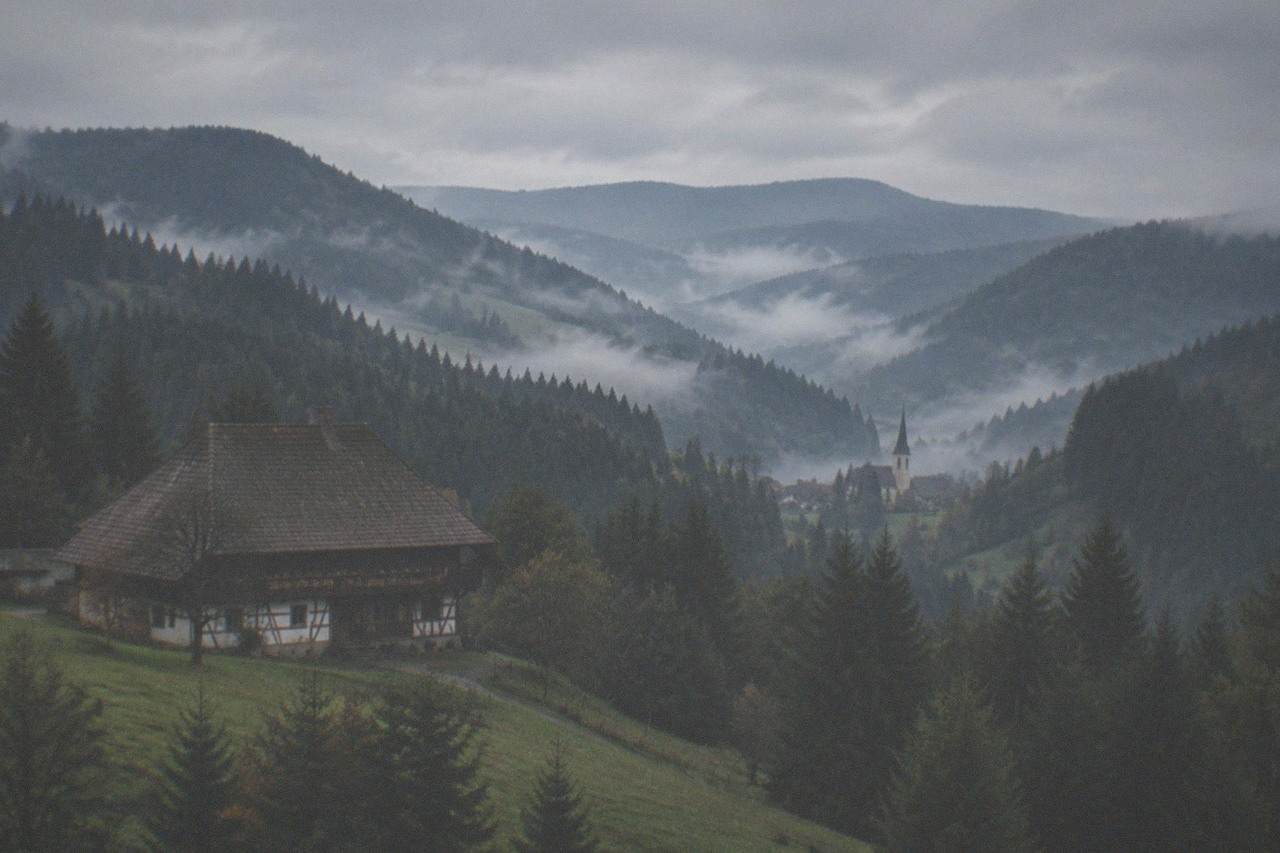
Is Black Forest, Germany Worth Visiting?
Yes, for most travelers the Black Forest is genuinely worth visiting, provided you match the region to what you actually enjoy. It delivers dense hills, half-timbered villages, lakes such as Titisee and Schluchsee, the waterfalls at Triberg, spa culture in Baden-Baden, cuckoo-clock workshops, and a major theme park at Rust, all within a two-hour radius of Freiburg.
The honest caveat is that the Black Forest rewards slow travel and punishes checklist tourism. It is not a single spectacle like the Alps; it is a broad, green region of rolling uplands, deep valleys and small towns, and its pleasure compounds the longer you stay in one base. Visitors who rush through in a day see pretty woods and leave underwhelmed. Visitors who give it three or four days, walk a gorge or two, sit in a wine tavern, and ride a cable car up a summit tend to rate the trip highly.
The region also benefits from an unusually good position. Freiburg sits at its southwestern edge, Basel and the Alsace wine route are under an hour beyond that, and Strasbourg and Colmar sit close enough for an easy double-base trip. A Black Forest stay can therefore be a full holiday on its own or the inland half of a Rhine valley itinerary, and either version works.
For a first taste, these three guided options show the range of what a Black Forest gateway city can add to the trip.
What The Black Forest Actually Delivers
The Black Forest delivers two things above all: dramatic, varied landscape and distinct regional culture. Expect forested ridgelines, glacial lakes, and waterfall gorges alongside half-timbered farmhouses, cuckoo clocks, smoked ham, cherry cake, and thermal baths. A dependable regional rail network ties it all together, so visitors can move easily between hiking trails, spa towns, and villages without ever needing a car. None of those pieces is world-class on its own. Together, and at the unhurried pace the region encourages, they add up to one of the most restful week-long destinations in Central Europe, particularly for travelers who measure a trip in walks taken rather than landmarks ticked.
The forest itself is the frame rather than the attraction. Historically it was an economic obstacle, and the towns on its edges, Gengenbach, Staufen, St. Peter, Baden-Baden, grew rich on trade routes around and through it. What that history left behind is a ring of genuinely charming small towns, each walkable in a morning, with the darker, quieter forest as the space between them. The Freiburg Travel Guide coverage of the region treats those towns as the practical anchor points, and that is the right instinct.
Two signature experiences do live up to the marketing. The Schauinslandbahn, departing from the Freiburg suburb of Horben, is a 3,600 m cable car that lifts you from the valley station to the Schauinsland summit in one continuous ride, with an adult return at €15.00. And the Triberg waterfalls, among the highest in Germany, are reached on a walkable loop that families manage comfortably. Both are the kind of concrete, memorable payoff that justifies the drive or train ride out.
If you are still weighing the decision, a quick look at availability for a guided orientation walk costs nothing and locks nothing in.
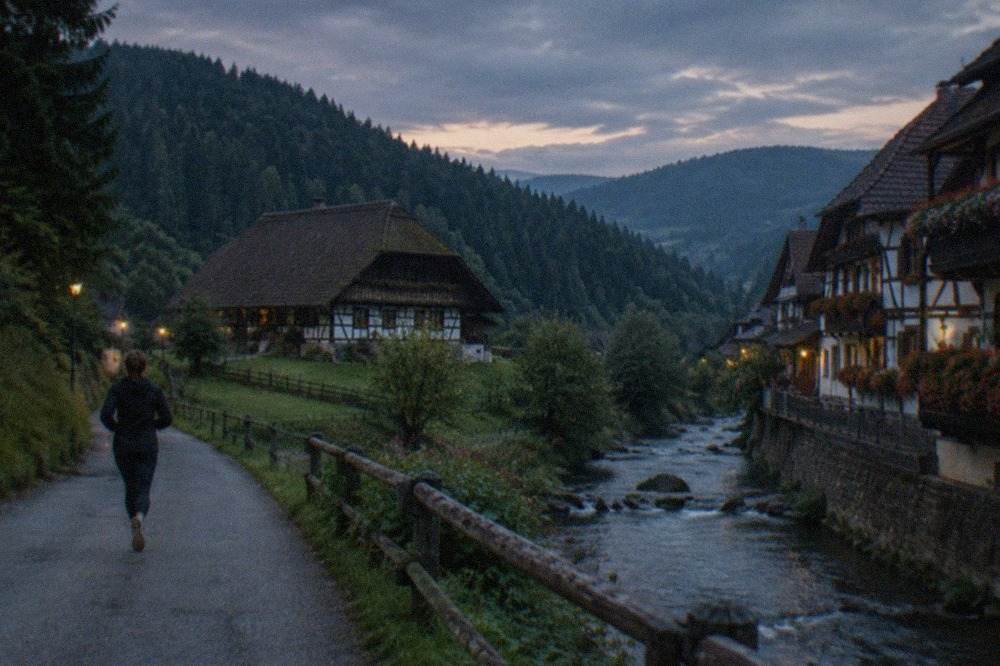
The Sights, Towns And Foods That Anchor A Trip
Five anchor experiences justify the region on their own: swimming and walking at Titisee lake, the Feldberg summit area with its far-reaching views, the Triberg waterfalls and clock workshops, Baden-Baden's historic baths, and the wine and ham culture found along the Kaiserstuhl fringe. Together these stops give any trip its shape and its best memories. Food anchors it further, with Black Forest ham, the cake of the same name, and Badische wine taverns doing a lot of quiet work in visitors' memories, so plan at least one evening around a tavern table rather than a restaurant reservation.
Titisee is the most popular single stop, a lakeside town with boat rental, a lakeside promenade, and a direct regional train connection from Freiburg that makes it the easiest car-free day out in the region. Feldberg, the highest summit in the range, is a short bus hop beyond it and serves as the local hiking and ski hub in every season. The nearby Titisee guide breaks down the lake options in detail if that stop appeals.
The Triberg area carries the region's folkloric identity. The waterfalls are the headline, but the town and its neighbors hold cuckoo-clock workshops where the craft is still practiced rather than merely sold, and the Triberg waterfalls guide covers the visit. Baden-Baden, at the northern edge, is the elegant counterweight, with thermal baths, a casino and a park-lined river that feel closer to a belle époque spa resort than to a hiking base.
| Anchor sight | Region | Best for | Reachable from Freiburg by |
|---|---|---|---|
| Titisee lake | Southeast | Lakeside walks, boat rental | Direct regional train |
| Feldberg | Southeast | Summit hiking, winter sports | Train to Titisee plus bus |
| Triberg waterfalls | Central East | Waterfalls, cuckoo-clock shops | Regional train with a change |
| Baden-Baden | North | Thermal baths, casino, parks | Regional train, about an hour plus |
| Schauinsland | Immediately south | Cable car, summit views | Tram plus the Schauinslandbahn |
The food layer deserves more credit than it gets. Black Forest ham is a smoked raw ham with protected geographical status, the famous cake is a cream and cherry torte that locals eat more modestly than its export reputation suggests, and the Badische tavern tradition, onion tart with new wine in autumn, runs through the whole region. The villages on the western fringe sit squarely in wine country, and the honest answer is that you will eat as well in the small towns as in the cities, for less.
That last point leads somewhere practical. A Black Forest trip that bases itself in Freiburg gets the region's best transport hub, its liveliest old town, and a nightly entertainment scene that the quiet villages do not attempt. The city's evening personality is distinct, part student town, part Badische tavern culture, and occasionally full theater. One booking that captures it is the Hey Hallöchen travesty walk with Betty BBQ, an 80-minute show tour through the old town, rated 4.9 across 140 reviews and priced from $41. Check availability for your dates.
A practical way to sequence the anchors is to split them by direction. Titisee and Feldberg pair naturally into a single southeast day, since the bus from Titisee continues to the summit area, while Triberg sits far enough east that it works better as its own outing with the clock workshops given proper time. Baden-Baden sits at the opposite end of the region, so travelers arriving by train from the north can treat it as a first or last stop rather than a detour from a Freiburg base. Schauinsland, the cable car summit immediately south of Freiburg, is the easiest anchor to slot into a spare half day when the weather cooperates, since the tram connection keeps it car-free. Spread across a week, the five anchors leave room for the tavern evenings without rushing any of them.
What A Black Forest Trip Costs
As a planning range, the region is mid-priced for Germany: rural guesthouses run cheaper than the cities, rail travel is covered by simple zone tickets, and the biggest single variable is Europa-Park, where an adult day ticket runs about €59.50-76 depending on date. The figure comes from operator-listed pricing that varies by season, so treat both endpoints as approximate rather than either as the price.
Day-to-day costs are easier to pin down because the region shares one transport association around Freiburg. A single zone-1 ticket costs €3.00, a one-zone day ticket €7.20, and the Deutschlandticket, valid on regional trains and trams nationwide, costs €63.00 per month. Staying in a participating Black Forest town can also hand you a KONUS guest card, which covers local buses and trains from check-in to departure; Freiburg itself is not a KONUS member, so the card matters for village-based stays. The scheme is explained on the official Schwarzwald tourism KONUS page.
| Cost item | Typical figure | Notes |
|---|---|---|
| Schauinslandbahn cable car, adult return | €15.00 | Single €12.00; daily 09:00-17:00 |
| Freiburg Münster tower gallery climb | €5.00 | Children and teens €3.00; to the 70 m gallery |
| RVF single ticket, zone 1 | €3.00 | €2.70 on smartphone |
| RVF Welcomekarte, 3 days | €27.00 | Includes the Schauinslandbahn |
| Deutschlandticket | €63.00 per month | Unlimited regional transit nationwide |
| Europa-Park adult day ticket | about €59.50-76 | Varies by date; verify on the operator's listing |
Accommodation is the swing factor. Small-town guesthouses and farm stays in the Black Forest frequently undercut city hotel rates, and the region's tourism infrastructure is built around them. Freiburg's own hotel market is tighter, since the city recorded over two million overnight stays in 2025, so book the city base early and the village stays with more slack. Note also that overnight stays in Freiburg carry a 5% overnight tax on the net room price, under-18s exempt; most Black Forest towns outside the city handle visitor levies differently, so check the listing before you assume the rate is final.
When To Go And How To Move Around
The best time to visit is late May through early October for hiking and lake weather, while December appeals to travelers seeking Christmas markets and lower prices; midwinter suits spa towns and snow sports rather than sightseeing. For getting around, the country relies on a dependable rail network connecting major cities, supplemented by regional buses reaching smaller towns, so renting a car is optional rather than essential. The region's weather profile favors summer without being alpine: the Freiburg area's July average sits around 20°C, while the area records 64 frost days per year, so pack for the season rather than the region's postcard image.
Autumn deserves a special mention for one reason: the new-wine season. Onion tart and fresh, lightly fermented young wine appear in taverns across the Baden and Kaiserstuhl fringe from late September, and the smaller wine festivals, Staufen's Markgräfler Weinfest at the end of July, the Breisach festival in late August, run alongside them. Summer's headline events, the Zelt-Musik-Festival near Freiburg and the Sea You festival at Tunisee in July, pull big crowds and push nearby lodging prices up.
Getting around without a car is more realistic than most first-time visitors assume. The region's towns are laced together by regional rail, Freiburg to Titisee is a direct regional train ride, and a car only becomes genuinely necessary for scattered farmhouse workshops, remote trailheads, and the southern valleys. Rail maintenance can interrupt plans: the Höllentalbahn line into the high southern forest has seen temporary closure sections in 2026, so check the operator's site before locking an itinerary. Current schedules are on Deutsche Bahn's official timetable.
For a first day in the region, a short guided walk in Freiburg is an efficient way to get your bearings before heading into the hills. Explore Freiburg in 60 Minutes with a Local, rated 4.7 across 23 reviews and priced from $92, is a compact option.
One more timing note that matters for the cable car: the Schauinslandbahn closes for its annual autumn overhaul from 16 November to 4 December 2026, cable car and summit restaurant both, with a further spring closure planned from 22 February to 19 March 2027. The official operating-times page carries the current schedule.
Who Should Reconsider The Trip
Travelers who expect dense urban culture, dependable beach weather, or high-alpine drama should reconsider this trip, because the Black Forest is gentle rather than spectacular. If you prioritize nightlife, big-city museums, or dramatic peaks, a two-country itinerary combining the forest with Alsace or Basel will suit you far better than the forest alone. The region's appeal is cumulative, and a visitor with only one or two days is likelier to enjoy a single base, Freiburg or Baden-Baden, than a driving loop that spends most of its hours on rural roads between short stops.
Families, hikers, spa seekers and rail travelers are the natural audience. Families get Europa-Park, one of Europe's most-visited theme parks, plus lake beaches and short waterfall loops. Hikers get a network of long-distance trails, including the Westweg, crossing the whole range. Spa travelers get baths in Baden-Baden and thermal pools closer to Freiburg. Rail travelers get a region that genuinely works without a car, which is rarer in rural Germany than guidebooks admit.
The counterargument worth stating plainly: if your image of the Black Forest is wall-to-wall postcard villages, the reality includes working towns, main roads and, in high summer, coach traffic at Titisee and Triberg. The region is a lived-in cultural landscape, not a theme park. That is precisely what makes it worth visiting for the traveler who wants Germany at a walking pace, with the clock workshops and the cake as garnish rather than the meal.
If that verdict lands on the yes side for you, these three options cover the orientation, art and evening-show angles of a Freiburg base.
Common Questions About The Black Forest
Is Black Forest, Germany worth visiting?
Yes, if you enjoy forests, lakes, small historic towns, spa culture and hiking at a relaxed pace. It is less suited to travelers seeking big-city energy or alpine-scale scenery. Most visitors are happiest with three or four days in one base, such as Freiburg or Baden-Baden, rather than a rushed loop.
How many days are enough for the Black Forest?
Three to four days covers the main anchors comfortably: a lake town such as Titisee, the Triberg falls area, one cable-car summit, and a wine or spa stop. A full week allows the long-distance trails and the Alsatian or Swiss border towns as well.
What is the prettiest part of the Black Forest?
The south around Titisee, Feldberg and the Höllental valley holds the classic lake-and-summit scenery, while the west offers wine-country villages such as Staufen and Gengenbach. The prettiest single streets are in the small half-timbered towns rather than at the famous viewpoints.
Can you visit the Black Forest without a car?
Yes, with some planning. Regional trains connect Freiburg to Titisee, Triberg, Baden-Baden and the Rhine towns, and local buses cover the summits. A car adds flexibility for remote farm workshops and trailheads but is not required for the headline sights.
What food is the Black Forest known for?
Black Forest ham, the Black Forest cherry cake, onion tart with new wine in autumn, and Badense dishes built around trout, Spätzle and mushrooms. The tavern culture in the small towns is as much a reason to visit as the scenery.
When is the best time to visit the Black Forest?
Late May through early October for hiking and lakes, December for the Christmas markets, and late winter for spa and snow-sport trips. July and August are warmest and busiest; September and October pair good walking weather with the new-wine season.