Can You Wild Camp In The Black Forest?
A direct, honest answer to whether wild camping is allowed in the Black Forest, with the legal reality, the legal alternatives, and what a trip built around them costs.
Can You Wild Camp In The Black Forest?
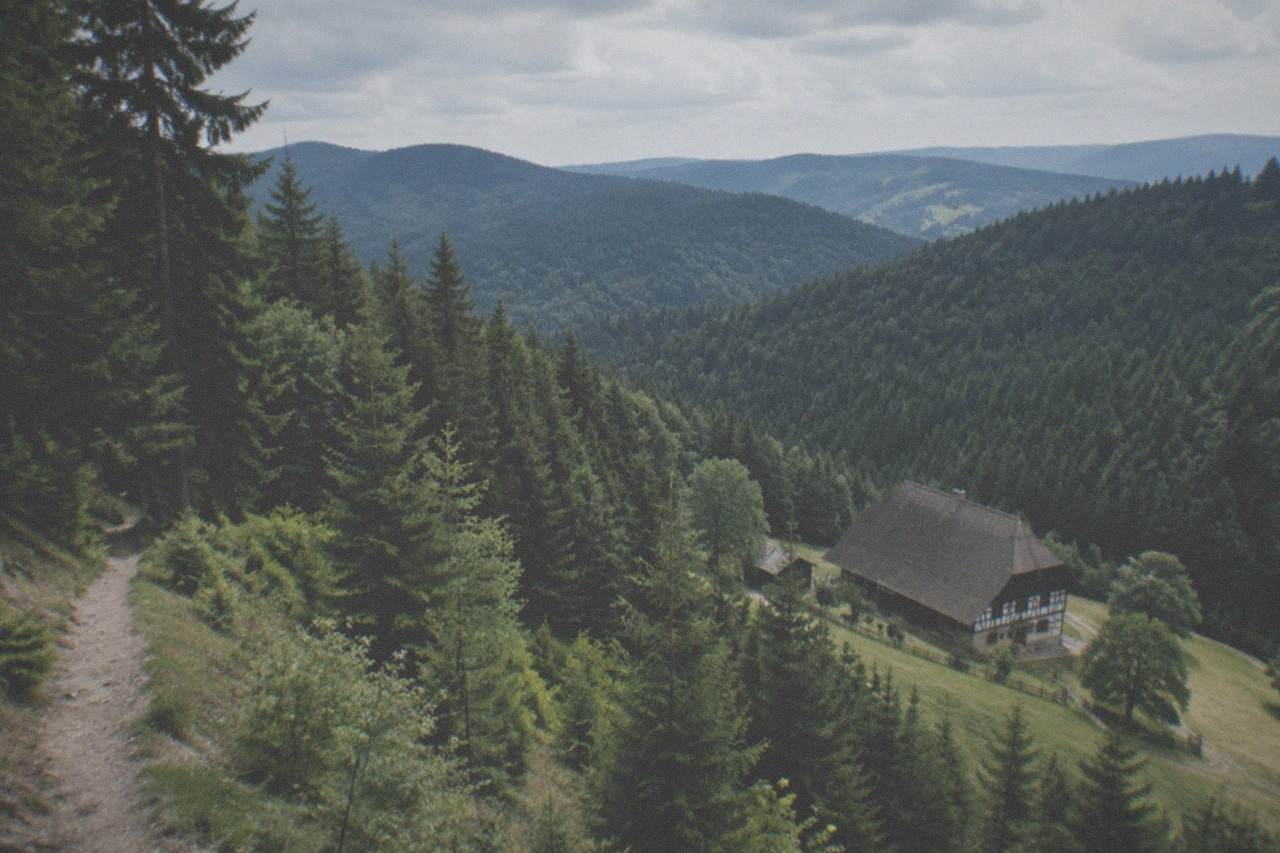
No, not in the open sense of pitching a tent wherever the evening catches you. Germany treats sleeping overnight in a tent outside designated sites as a matter of state forest rules and nature protection, and much of the Black Forest is private woodland or protected landscape. The workable substitutes are campsites, farm stays and small-town guesthouses, plus daytime use of a trail network that is free, extensive and well marked.
That answer surprises people who have read about Scandinavia's everyman's right and assumed something similar covers Germany. It does not. The right to roam in Germany stops well short of the right to sleep, and the Black Forest, despite looking endless when you stand on the Feldberg, is a working cultural landscape of forestry, farms, vineyards and small villages almost all the way up its slopes. What looks like untouched wilderness from a distance is parcelled, owned and managed up close.
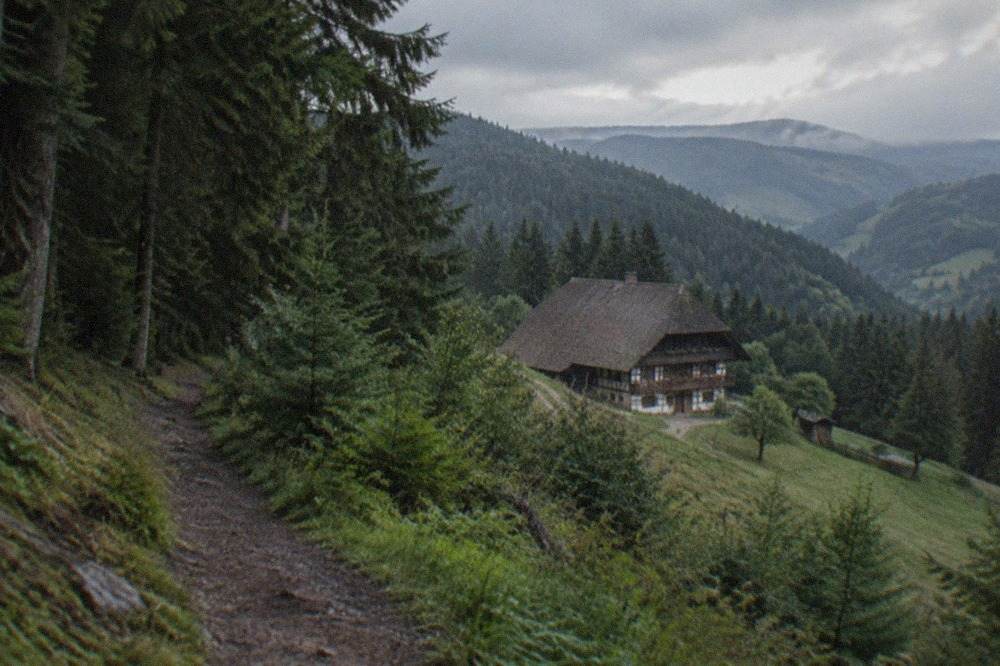
That is not a reason to skip the region. It is a reason to plan differently. The forest rewards exactly the kind of trip that wild campers want, long days on quiet paths, dark night skies, morning fog in the valleys, but it expects you to sleep somewhere with a roof or at least a registered pitch. The infrastructure for that is genuinely good, and a lot of it sits within an hour of Freiburg, the natural gateway city on the western edge of the range.
Before the detail, one practical starting point: if your trip begins in Freiburg, a private orientation walk on day one pays for itself in saved planning time. Hello Freiburg: Private 2-Hour City Walk with a Local runs about two hours and is listed from $141, and it has a single review so far, so read it as a new listing rather than a proven quantity. A local guide can flag trailheads, transit connections and the closures that matter for your dates, information that changes faster than any printed guide.
What The Rules Actually Say
German law draws a hard line between walking through a forest and sleeping in one. Walking, cycling and, in most places, picking small quantities of berries and mushrooms for personal use are broadly permitted on designated paths. Overnight stays in a vehicle or tent are not, and in Baden-Württemberg they fall under state forest law, nature protection rules and, in the national park areas, much stricter federal ones. Fines are real and rangers do issue them.
Three layers of rules stack on top of each other, and this is where most confusion comes from:
- Private land: most Black Forest woodland belongs to private owners, municipalities or the state forestry administration, and a tent pitched without permission is treated the same as it would be in a German city park.
- Nature protection: large parts of the uplands are nature reserves, protected landscape areas or bird sanctuaries, where the rules are tighter and the penalties higher than on ordinary forest land.
- The national park: the Schwarzwald National Park in the north of the range has its own regulations, and camping anywhere outside its designated spots is prohibited outright.
There is a persistent internet rumor that one night in a forest with a small tent is tolerated in Baden-Württemberg. Treat that rumor with suspicion. Tolerance is not permission, and what a landowner ignores on a Tuesday may be cleared off with a call to the forestry office on a Saturday. Vans and motorhomes are in the same boat: overnight parking in a layby or car park is policed locally and widely signed against, especially around the popular lakes and gorges.
The honest summary is this: nothing about the Black Forest's rules is hostile to hikers. The trails are free, the signage is excellent and the huts serve food. Only the sleeping part is restricted, and it is restricted consistently.
Where You Can Legally Sleep Instead
The region's answer to its own camping ban is a dense network of small campsites, farm camping, hiker-friendly guesthouses and mountain inns, most of them reachable from the trail network or a village bus stop. Camping on a farm, called "camping on the farm" in German listings, is the closest legal cousin to wild camping: a small pitch, often basic, in a real meadow or orchard. Book in advance in summer and around public holidays.
This is where the trip actually gets planned, so it is worth being concrete about the four realistic options:
| Option | What it is | Best for | Watch out for |
|---|---|---|---|
| Farm camping | A basic pitch on a working farm, often with just water and a toilet | The closest thing to wild camping; quiet, rural, cheap | Book ahead; facilities are minimal and seasonal |
| Campsites | Village and lakeside sites with full facilities | Families and anyone with a van or gear | Peak summer fills fast around Titisee and Schluchsee |
| Guesthouses and inns | Small-town rooms, often with hiker's dinner half-board | Multi-day traverses with light packs | Popular on weekends, especially in foliage season |
| Mountain huts and inns on route | Inn and hut stops along long-distance trails | The classic Black Forest multi-day hike format | Many close or shorten hours outside the season |
The long-distance trails are the key to the whole region. The Westweg, Mittelweg and Ostweg run north to south through the range with a chain of villages and inns spaced roughly a day's walk apart, which is how the Black Forest has absorbed hikers for more than a century without ever needing a wild camping culture. You walk, you arrive, you eat, you sleep in a bed, you walk again. The freiburg camping guide covers the sites nearest the city if Freiburg is your base.
One regional quirk worth knowing before you book anything: the KONUS guest card. Black Forest holiday towns issue it to overnight guests and it covers local buses and trains across the region's networks from arrival day to departure day, but Freiburg city is not a participating municipality. Guests staying in member towns such as Titisee-Neustadt, Staufen or St. Peter get the card; guests sleeping in Freiburg do not. Freiburg's own visitor product is the RVF Welcomekarte, 3 days at €27.00 for adults, which covers regional buses and trains and includes the Schauinslandbahn cable car. The Schwarzwald tourism body explains the KONUS card and its participating towns on its guest card page. If sleeping in a village each night unlocks free transport, the anti-camping rules quietly turn into a travel subsidy.
Hikes That End Somewhere Legal
The best Black Forest trip is not a hidden bivouac, it is a linked walk between villages with booked beds. Around Freiburg that means the Schauinsland and Feldberg massif to the south, the Höllental gorge and Ravenna gorge on the way toward Hinterzarten, and the long-distance trail chain that strings them together. All of it is walkable in a day from a tram stop, a cable car or a village inn.
The Freiburg-adjacent options deserve their own shortlist, because they solve the two problems a would-be wild camper actually has: getting high fast, and getting back down to a legal bed.
- The Schauinsland: the city's own mountain, with a cable car running daily from the valley. A round trip costs €15.00 for an adult and the top connects to ridge walks toward the Hirschkopf and the old mining area.
- The Feldberg: the highest summit in the range, a short train-and-bus hop from Freiburg, with broad plateau paths that suit almost any fitness level.
- Schlossberg: Freiburg's own hill, free to walk, with the Schlossbergturm viewing tower at the top. If you only have one free evening in the city, this is it.
Guided hikes are another way to get the forest without carrying the planning load. Schlossberg Hike, Narrow Paths, History and Views runs about 2.5 hours from $28, and Hike to Germany's Tallest Tree and the Forest People runs about 4 hours from $44; both are listed without star ratings yet, which the site reports honestly rather than padding. For a city-side day, the hiking near Freiburg guide maps the trailheads that sit on regular transit lines.
If your time is short, orientation walks compress the useful questions into an hour. Express Walk with a Local in 60 Minutes runs about an hour from $90 and has 12 reviews, too few for a star claim the site would stand behind. The longer private formats cover more ground: Private Guided Walking Tour runs about 1.5 hours from $239 across 12 reviews. Neither is a forest hike, but either can hand you a trailhead shortlist before lunch on day one, which is when you want it.
Costs To Plan For Around Freiburg
A Black Forest trip based on legal beds and free trails is cheaper than most visitors expect. Transit inside the RVF network starts at €3.00 for a single zone 1 ticket, a day ticket for one zone is €7.20, and the Welcomekarte at €27.00 covers three days plus the cable car. The biggest line items are the bed, the evening meal and, if you want it, the Schauinslandbahn at €15.00 return.
| Item | Figure | Notes |
|---|---|---|
| RVF single ticket, zone 1 | €3.00 | Smartphone price €2.70; child €1.80 |
| RVF day ticket, 1 / 2 / 3 zones | €7.20 / €10.90 / €14.30 | Covers trams, buses and regional trains in the zones |
| Welcomekarte | €27.00 | 3 days, includes Schauinslandbahn and a Kulturbonus |
| Schauinslandbahn | €12.00 single / €15.00 return | Runs 09:00-17:00, longer in the BW school summer holidays |
| Schlossbergbahn | €3.70 one way / €6.50 return | Child (6-14) €2.80 / €4.60 |
| Münster tower climb | €5.00 adult | Gallery at 70 m; the tower itself is 116 m; closed in winter |
Two money traps catch people out. First, if you sleep in Freiburg, note that the city's visitor levy is an overnight tax of 5% of the net room price, not a flat nightly fee, and under-18s are exempt; the city's own page on the overnight tax spells it out. Second, the Deutschlandticket, the flat monthly transit pass valid across the country, costs €63.00 per month; if your stay crosses that threshold it can beat the Welcomekarte, but for most short visits the Welcomekarte's cable car inclusion wins.
For campsite and guesthouse nightly rates, the honest advice is to check the live listing rather than trust a band: prices in the popular lakeside towns swing hard between midweek shoulder season and an August weekend. The Black Forest overview guide links through to the main areas, each with its own accommodation picture.
The Bottom Line For Forest Sleepovers
Do not plan a wild camping trip in the Black Forest, because the region will not let you take it. Do plan a hiking trip with booked beds: it keeps everything you came for, the long ridgelines, the quiet gorge paths, the dark skies, and drops only the legal risk. Walk the linked villages, use the guest cards, and treat Freiburg as the base camp it plainly is.
There is a useful framing here: the ban is not a fence, it is a funnel. It pushes everyone who wants the deep forest into the villages inside it, which is why those villages have inns at all, and why you can cross the range on foot with nothing heavier than a daypack. On Freiburg Travel Guide the planning pieces are already separated: pick your area, then your trail, then your bed, in that order.
If your first night is in Freiburg itself, the private walk options are the fastest way to convert a travel day into a planning day. Hello Freiburg: Private 2-Hour City Walk with a Local, about two hours from $141, is the tour this article is paired with; with one review on the listing it is best booked as the flexible, ask-anything session it is, not as a polished group product. Check availability, keep the free-cancellation window in mind, and go with a list of questions.
The three walk formats above cover the same spread as the rest of this article: a short orientation, a longer private session and a full half-day. Whichever you pick, book it for your first morning in the city, not your last, so the trailhead advice lands while it can still shape the trip.
Common Questions About Wild Camping In The Black Forest
Can you wild camp in the Black Forest?
No. Sleeping overnight in a tent or vehicle outside designated sites is not permitted, and the rules tighten further in nature reserves and the national park. Plan around campsites, farm stays and village inns instead.
Is one night in the forest tolerated in Baden-Württemberg?
A rumor says yes, but tolerance is not permission. Landowners and forestry offices can and do move people on and issue fines, so a "tolerated" bivouac is a gamble, not a rule you can rely on.
Can you park a van overnight in a Black Forest car park?
Generally no. Overnight parking in laybys, trailhead car parks and lakefront lots is widely signed against and locally enforced, especially around Titisee, Schluchsee and the gorges.
What is the legal alternative that feels most like wild camping?
Farm camping. A basic pitch in a meadow or orchard keeps the quiet and the stars, with the landowner's blessing and usually a water tap and toilet. Book ahead in summer.
How do hikers cross the Black Forest without camping?
They use the long-distance trails, the Westweg, Mittelweg and Ostweg, which link villages and inns at roughly a day's walk apart. Walk light, book beds ahead, and let the villages carry the logistics.